Ho Chi Minh City · Things to do
Best Things to Do in Saigon Vietnam: 2026 Insider Guide
By Wander in Vietnam editorial team · Hanoi, Vietnam
Where Should I Start in Saigon as a First-Time Visitor?
Begin in District 1 (Quận 1), bounded by Saigon River to the east and Tao Đàn Park to the west. This is where French colonial landmarks cluster: the yellow Reunification Palace (Dinh Độc Lập), the sandstone Notre-Dame Cathedral, and the Central Post Office. Walk from the Cathedral down Dong Khoi Street (formerly Rue Catinat) toward the river—boutiques, cafés, and the Saigon Skydeck viewpoint sit along this spine. Budget 3–4 hours to absorb the architecture without rushing.
What actually matters: Tourist groups clog the Palace at 11 a.m.–1 p.m. Go before 10 a.m. or after 3 p.m. The Cathedral courtyard is free and less crowded. Skip the overpriced "colonial tours"—walk it yourself for free.
Which Neighbourhoods Have the Realest Food and Street Life?
Cholon (District 5) is Saigon's Chinese quarter, a 15-minute taxi ride (around 80,000–120,000 VND / $3–5 USD) from District 1. Binh Tay Market sprawls across a full block—wet goods, spices, textiles, no English signs, very few tourists. Eat at the tiny noodle stalls inside or on the street corners. Expect 30,000–50,000 VND per bowl ($1.20–2 USD).
District 3 (around Tao Đàn Park and Le Thanh Ton Street) has interwoven residential lanes, hole-in-wall bánh mì shops, and local phở joints. A bánh mì costs 25,000–40,000 VND ($1–1.60 USD); sit on plastic stools next to delivery workers and students.
Ben Thanh Market (District 1, Quách Thị Tính Street) is the tourist-facing version but still functional—textiles, souvenirs, fresh fruit, coffee. Negotiate hard on souvenirs (expect 20–30% off opening prices). Avoid peak 10 a.m.–12 p.m. if you dislike crowds.
Honest take: Cholon tastes more authentically Vietnamese than anything in District 1. Don't skip it just because it's less polished.
🗺️ Plan your route: Vietnam itinerary
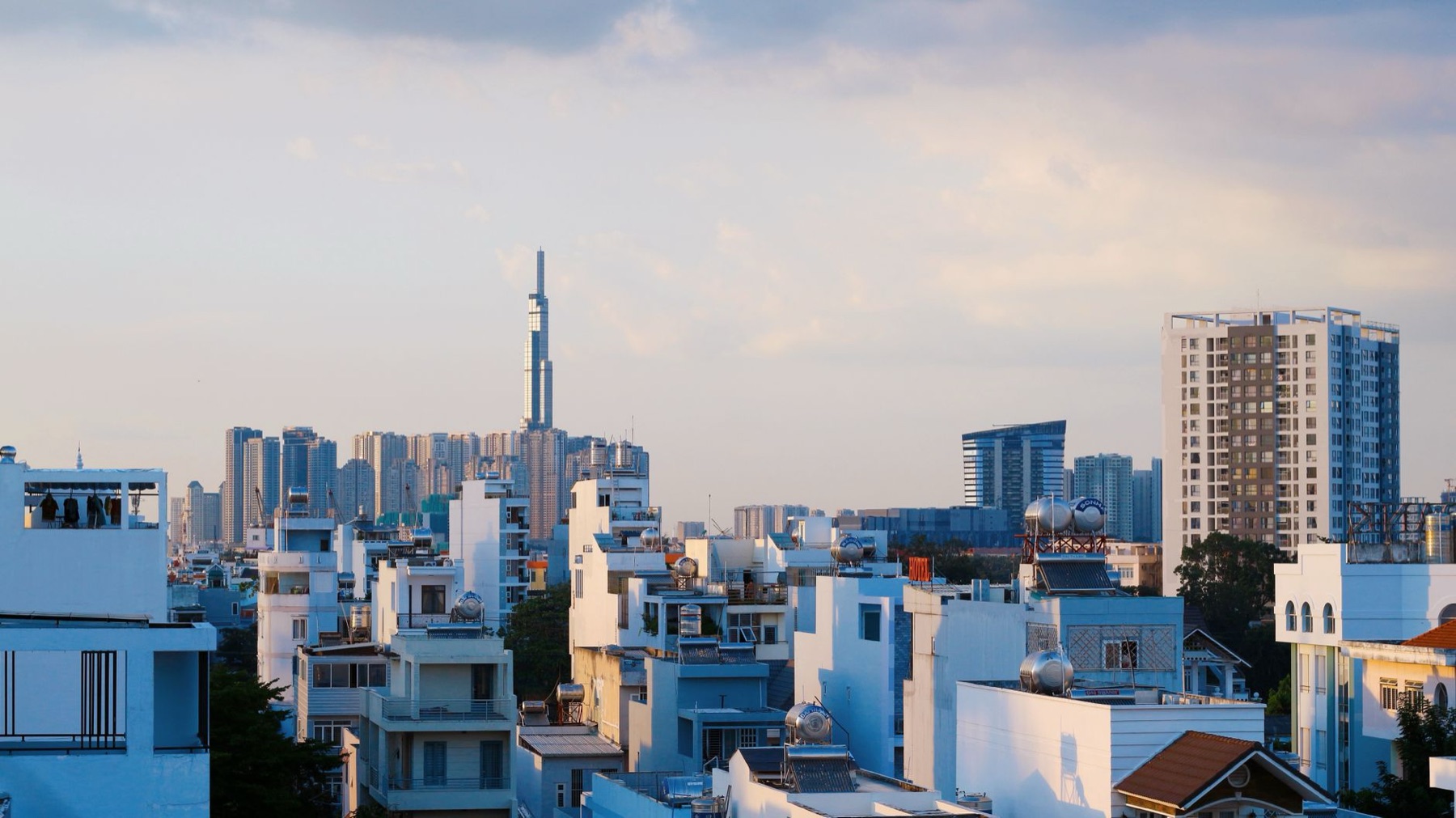
What War and Recent History Should I Actually Understand?
The War Remnants Museum (28 Võ Văn Tần Street, District 3) holds unflinching documents, photographs, and hardware from the Vietnam War. Budget 2–3 hours; don't rush. Admission is around 110,000 VND ($4.50 USD). The exhibits are emotionally heavy but essential context for understanding modern Vietnam.
Reunification Palace (135 Nguyen Hue Boulevard, District 1) was the seat of South Vietnam's government until April 1975. The interiors—60s furniture, war room, underground bunker—are preserved almost as a time capsule. Admission around 100,000 VND ($4 USD); tours run every 15 minutes in English. Photographs are prohibited inside (a rule enforced, not a suggestion).
Cu Chi Tunnels (30+ km northwest, District 12) is a half-day trip from downtown. This underground network was used by Viet Cong fighters during the war. Tours cost 400,000–600,000 VND ($16–24 USD) including transport and lunch. Most tours overstay—the actual tunnel experience takes 45 minutes; the rest is shopping and propaganda video. Go early (7 a.m. pickup) to beat crowds and heat.
Honest angle: Museum fatigue is real. Do the War Remnants Museum and Reunification Palace in one morning, then switch to something visual or tactile. Don't do Cu Chi Tunnels on the same day.
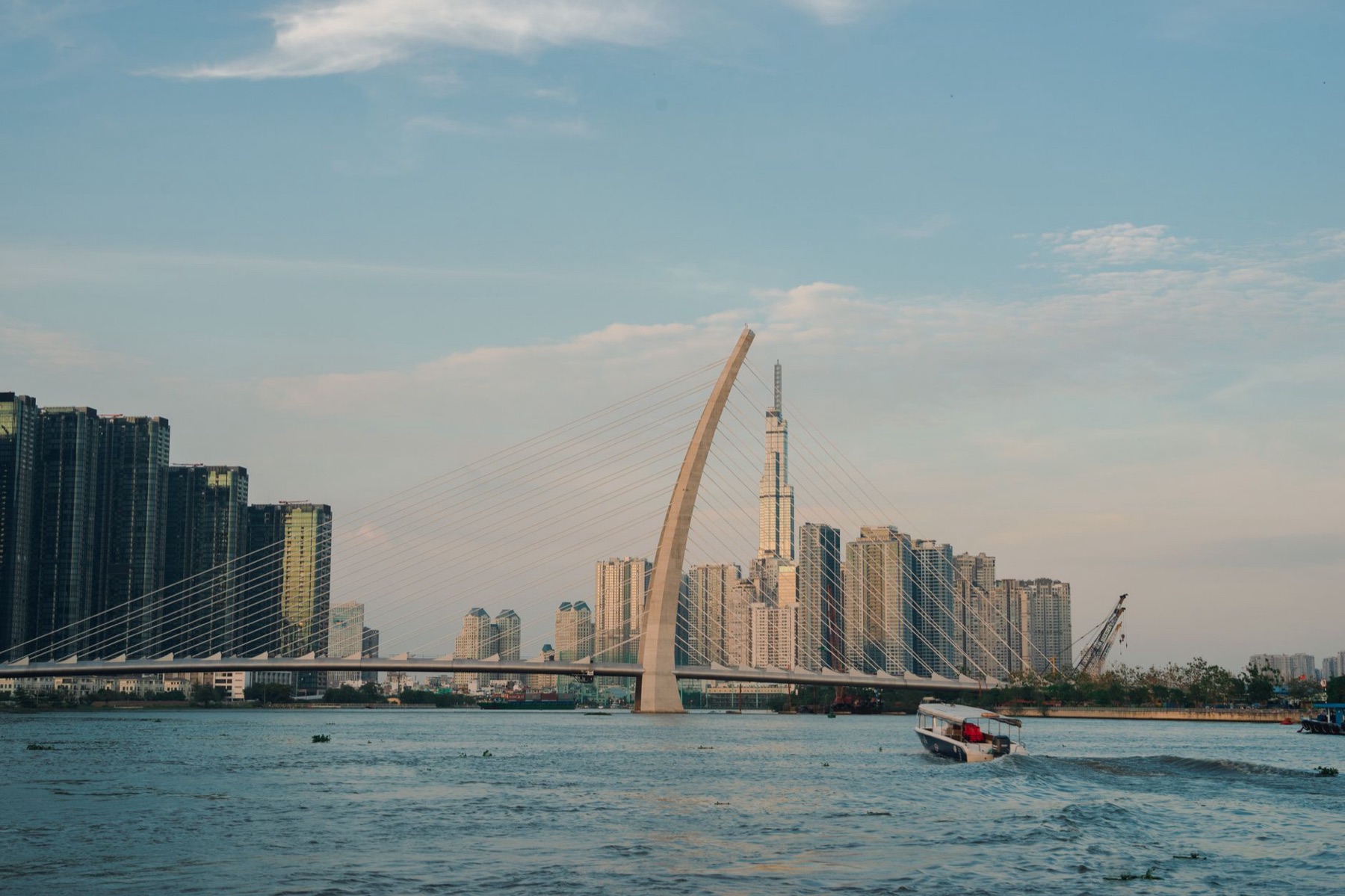
What Art, Design and Contemporary Culture Spaces Are Worth Your Time?
Gallery Street (Ngo Duc Ke Street and nearby lanes in District 1) hosts a dozen independent galleries featuring Vietnamese contemporary painters, sculptors, and photographers. Most are free to enter; expect soft pressure to buy (but it's polite). Walk it slowly on a Saturday morning when café culture is peak.
Tao Đàn Park (Tao Đàn Street, District 1) is where young locals gather in the late afternoon. It's a free, tree-lined space with street art, informal photography workshops, and people-watching. No structured activity—just presence.
SENSEHAUS (a design and craft workshop space in District 1, exact address changes seasonally—ask at your hotel or search locally) hosts classes in traditional Vietnamese crafts: silk painting, lacquerware, embroidery. Half-day workshops cost 800,000–1,200,000 VND ($32–48 USD) with materials included.
Street art tours run nightly (District 1 and Saigon Port area). A 2-hour walking tour costs 300,000–400,000 VND ($12–16 USD) per person; the guide points out murals and explains context. Quality depends heavily on the guide—ask your hostel for referrals rather than booking a generic company.
Our take: Skip the mass-produced "Vietnamese art" sold in Ben Thanh. Genuine contemporary work lives in smaller galleries and artist spaces; you'll need to wander to find it.
What About Riverside, Markets, and Day-Trip Options?
Saigon River waterfront runs the entire eastern edge of District 1. The Bitexco Financial Tower (2 Hai Trieu Street) has a public observation deck on the 49th floor—around 200,000 VND ($8 USD) entry. Sunsets are quieter than the Saigon Skydeck; fewer visitors.
Binh Quoi Tourist Village (on the Saigon River, District 2, about 5 km from downtown) offers boat rides through mangrove channels and small villages. Tours cost 500,000–800,000 VND ($20–32 USD) for a half-day, lunch included. It's less touristy than Cu Chi and more visceral—you're actually on water, hearing bird calls and seeing stilted houses.
Cao Dai Temple (Tay Ninh, 90 km northwest, 2-hour drive) is one of Vietnam's most visually unusual religious buildings—candy-colored, ornate, and unlike anything Western visitors expect. Noon ceremonies are open to observers. Full-day tours including Cu Chi Tunnels run 700,000–1,000,000 VND ($28–40 USD). Or hire a private driver (1,000,000–1,200,000 VND / $40–48 USD for the full day).
Honest note: Binh Quoi is better for feeling rural Vietnam without a long commute. Cao Dai is worth it only if you're interested in Vietnam's syncretist religions; otherwise, it's shrine-hopping fatigue.
---
Decision Checklist: Choosing What Fits Your Style
| Activity | Duration | Cost (VND / USD) | Crowd level | Best for | Go or skip? |
|---|---|---|---|---|---|
| War Remnants Museum | 2–3 hrs | 110K / $4.50 | High (midday) | History buffs | Go |
| Reunification Palace | 1 hr | 100K / $4 | High (daytime) | Architecture lovers | Go |
| Cholon street food crawl | 2–3 hrs | 150K–200K / $6–8 | Low–medium | Foodies | Go |
| Cu Chi Tunnels (tour) | 6–8 hrs | 400–600K / $16–24 | High (tourist) | Completionists | Skip (overhyped) |
| Gallery Street walk | 1.5 hrs | Free–500K / Free–$20 | Low | Art/design people | Go |
| Binh Quoi mangrove tour | 4–5 hrs | 500–800K / $20–32 | Medium | Nature + villages | Go |
| Bitexco observation deck | 1 hr | 200K / $8 | Medium | Sunset viewers | Go |
| Street art walking tour | 2 hrs | 300–400K / $12–16 | Medium | Photographers | Go |
---
📸 Book an ao dai photoshoot in Hanoi or Saigon (Cáo Studio)
What Should I Check Before Booking a Tour or Paying Admission?
- Verify opening hours the day you plan to visit. Museums close Mondays; some shut 11:30 a.m.–1 p.m. for lunch. Check locally or call ahead; don't assume online hours are current.
- Book War Remnants Museum tickets 2–3 hours early. Walk-ups hit queue limits by noon on weekends. Booking ahead (via the official website) costs the same but saves 30 minutes.
- For multi-site trips (War Remnants + Palace + river), hire a private driver rather than joining a group tour. Cost: 1,000,000–1,200,000 VND ($40–48 USD) for 5 hours, split among 2–3 people. You control the pace and skip the shopping stops.
- Carry cash. ATMs in District 1 work reliably, but smaller galleries, street food stalls, and market vendors don't take cards.
- Check currency before street food. Tourists are occasionally overcharged. Confirm the price in Vietnamese or point to the menu board before ordering.
- If you hire a motorbike guide, use only licensed services (ask your hotel). Unlicensed drivers have caused accidents. Budget 500,000–700,000 VND ($20–28 USD) for a guided 2-hour city tour on the back of their bike.
---
🎟️ Compare tours & tickets for this place
Beyond Saigon: When to Leave the City
If you have 5+ days in Ho Chi Minh City province, explore the wider region—the Mekong Delta's floating markets and rice paddies (full-day tours, 500,000–700,000 VND / $20–28 USD), Vung Tau's beaches (2-hour drive, popular weekend escape), or the nearby Nui Dat hills for hiking.
For longer stays in Vietnam, consider Hanoi's colourful Old Quarter, Hoi An's lantern-lit ancient town, Ha Long Bay's limestone cliffs, Sapa's hill-tribe villages, or Ninh Binh's cave systems.
Before you leave the city: ensure your phone has a working eSIM for Vietnam so you can share locations, check museum hours, and call taxis. If you're entering overland from a neighbouring country, confirm your Vietnam e-visa is valid.
---
🎟️ Book your Saigon experience: Tours & tickets
FAQ
Is it safe to eat street food in Saigon?
Yes. Eat where locals eat—busy stalls with high turnover. Avoid food left sitting in the heat; choose freshly cooked items. Stick to hot dishes (phở, bánh mì) rather than cold salads if your stomach is sensitive. Most travellers have no issues.
How much should I budget per day in Saigon?
Budget 1,000,000–1,500,000 VND ($40–60 USD) daily if you eat street food, use taxis, and visit 1–2 museums. Mid-range accommodation adds 500,000–1,000,000 VND ($20–40 USD). Eating at tourist-facing restaurants doubles your food costs.
What's the best time to visit Saigon?
November–January (cool and dry). Avoid May–September (hot, humid, monsoon rain). March–April is bearable but crowded and pricey. June–August is cheapest but exhausting to walk in.
Do I need to book tours in advance?
Not essential, but War Remnants Museum sells out by noon on weekends. Street food crawls, gallery walks, and river tours can be booked same-day through your hotel. Multi-day trips (Cu Chi, Cao Dai) benefit from advance booking to confirm transport.
Can I use my US phone in Saigon?
Roaming is expensive. Buy a local SIM at the airport (50,000–100,000 VND / $2–4 USD for 7 days of data) or get an eSIM before you land for seamless connectivity.
Is Saigon better than Hanoi?
Different cities. Saigon is faster-paced, grittier, more capitalist—war history dominates. Hanoi is slower, more colonial, older architecture, thick with tradition. Spend 3–4 days in each if possible.
FAQ
Is it safe to eat street food in Saigon?
Yes. Eat where locals eat—busy stalls with high turnover. Avoid food left sitting in the heat; choose freshly cooked items. Stick to hot dishes (phở, bánh mì) rather than cold salads if your stomach is sensitive. Most travellers have no issues.
How much should I budget per day in Saigon?
Budget 1,000,000–1,500,000 VND ($40–60 USD) daily if you eat street food, use taxis, and visit 1–2 museums. Mid-range accommodation adds 500,000–1,000,000 VND ($20–40 USD). Eating at tourist-facing restaurants doubles your food costs.
What's the best time to visit Saigon?
November–January (cool and dry). Avoid May–September (hot, humid, monsoon rain). March–April is bearable but crowded and pricey. June–August is cheapest but exhausting to walk in.
Do I need to book tours in advance?
Not essential, but War Remnants Museum sells out by noon on weekends. Street food crawls, gallery walks, and river tours can be booked same-day through your hotel. Multi-day trips (Cu Chi, Cao Dai) benefit from advance booking to confirm transport.
Can I use my US phone in Saigon?
Roaming is expensive. Buy a local SIM at the airport (50,000–100,000 VND / $2–4 USD for 7 days of data) or get an [eSIM before you land](/vietnam/esim) for seamless connectivity.
Is Saigon better than Hanoi?
Different cities. Saigon is faster-paced, grittier, more capitalist—war history dominates. Hanoi is slower, more colonial, older architecture, thick with tradition. Spend 3–4 days in each if possible.
More: Ho Chi Minh City guide · Things to do in Ho Chi Minh City