Ha Giang
Best Time to Visit Ha Giang: Seasons & Travel Guide
By Wander in Vietnam editorial team · Hanoi, Vietnam
The best time to visit Ha Giang is September to November or March to April—mild temperatures (15–25°C), clear skies, and moderate tourist flow. December to February brings freezing mornings (5–10°C) and occasional rain, which closes some high passes; avoid June to August (monsoon, 35°C+ valleys, landslides on loop roads). October is peak season: fewer clouds for mountain views, ripe rice fields, but higher accommodation prices. If you're flexible, April offers spring blooms and fewer visitors; September has clear air after summer storms. Budget 3–5 days minimum for the Ha Giang Loop; book transport and homestays 1–2 weeks ahead in peak months. Wander in Vietnam recommends visiting in shoulder months (late March, early November) to balance weather and crowds. See our full Ha Giang guide for route details, homestay bookings, and safety notes. 🗺️ Plan your route: Vietnam itinerary
What's Ha Giang, and why do timing matter?
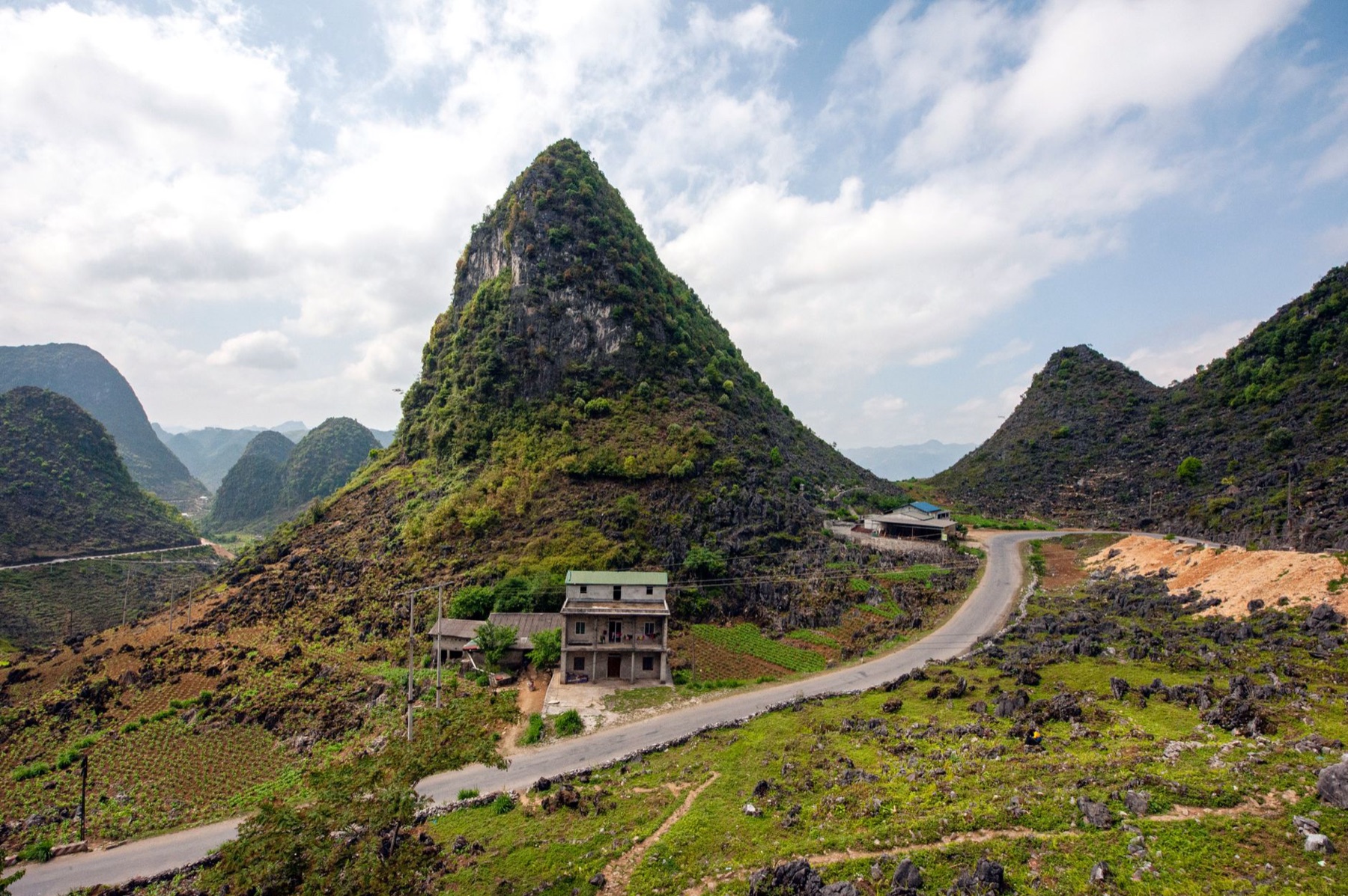
Ha Giang province sits in Vietnam's far north—limestone karst, ethnic minority villages, narrow passes. The 250 km Ha Giang Loop is the main draw. Season changes weather dramatically (monsoon floods, frost closures), tourist numbers, and accommodation prices. Picking the right month saves money, avoids crowds, and ensures road safety.
Why is October so crowded, and should you avoid it?
October sees perfect weather—dry, cool, stunning visibility—and domestic Vietnamese tourism peaks. Homestays on the Loop fill by mid-month; prices rise 20–30% above shoulder seasons. International tourists also arrive. If you dislike shared rooms or premium rates, skip October and visit April or late September instead. Mid-October peak is hard to reverse-book.
📸 Book an ao dai photoshoot in Hanoi or Saigon (Cáo Studio)
Which months have the worst weather, and what closes?
June to August: monsoon rains, landslides, washed-out passes. December to February: frost at altitude (2000+ m), ice on roads above Meo Vac. Dual Stove Pass (Khau Vai) and Thao Chi Pass are risky. Flooding in July can strand vehicles for days. Winter closures are rare but unpredictable; late February opens reliably.
How do prices and tourist numbers shift month by month?
| Month | Temp (°C) | Rainfall | Tourists | Avg Homestay Price | Road Safety | Best For |
|---|---|---|---|---|---|---|
| Jan–Feb | 5–12 | Light | Low | ~$10–15 USD | Moderate; frost risk | Budget travelers, solitude |
| Mar–Apr | 15–22 | Moderate | Moderate | ~$12–18 USD | Excellent | Blooms, mild weather, fewer crowds |
| May | 20–28 | High | Low | ~$10–15 USD | Risky; pre-monsoon storms | Avoid |
| Jun–Aug | 25–35 | Very high | Very low | ~$10–15 USD | Poor; landslides common | Avoid |
| Sep | 18–25 | Moderate | Moderate | ~$12–18 USD | Good; post-monsoon clearing | Clear skies, fewer tourists |
| Oct | 12–22 | Minimal | Very high | ~$15–25 USD | Excellent | Perfect weather, peak season |
| Nov | 10–18 | Light | Moderate | ~$12–18 USD | Excellent | Spring flowers, cool mornings |
| Dec | 8–15 | Light | Moderate | ~$12–20 USD | Moderate; occasional frost | Clear skies, risk of closure |
Prices are guest estimates from homestays listed on Booking and local guesthouses in Meo Vac, Dong Van (2024–2025 data).
Should you book guides, homestays, or gear before arrival?
Early booking (2–3 weeks) locks better homestay rates and guide availability—especially Sep–Nov. Last-minute arrivals in Oct face full rooms or inflated prices. Rent a motorbike or hire a driver through Hanoi guesthouses (around 900,000–1,200,000 VND/day; ~$36–48 USD) or negotiate with locals in Meo Vac itself. Bring warm layers, rain jacket, and sturdy shoes; buy extras in Hanoi if unsure. Homestays include meals (around 200,000–300,000 VND; ~$8–12 USD per night). Book with Cách Sống or Mai Chau homestays, both familiar to locals and transparent on weather closures.
---
Before You Go: A Seasonal Packing & Planning Checklist
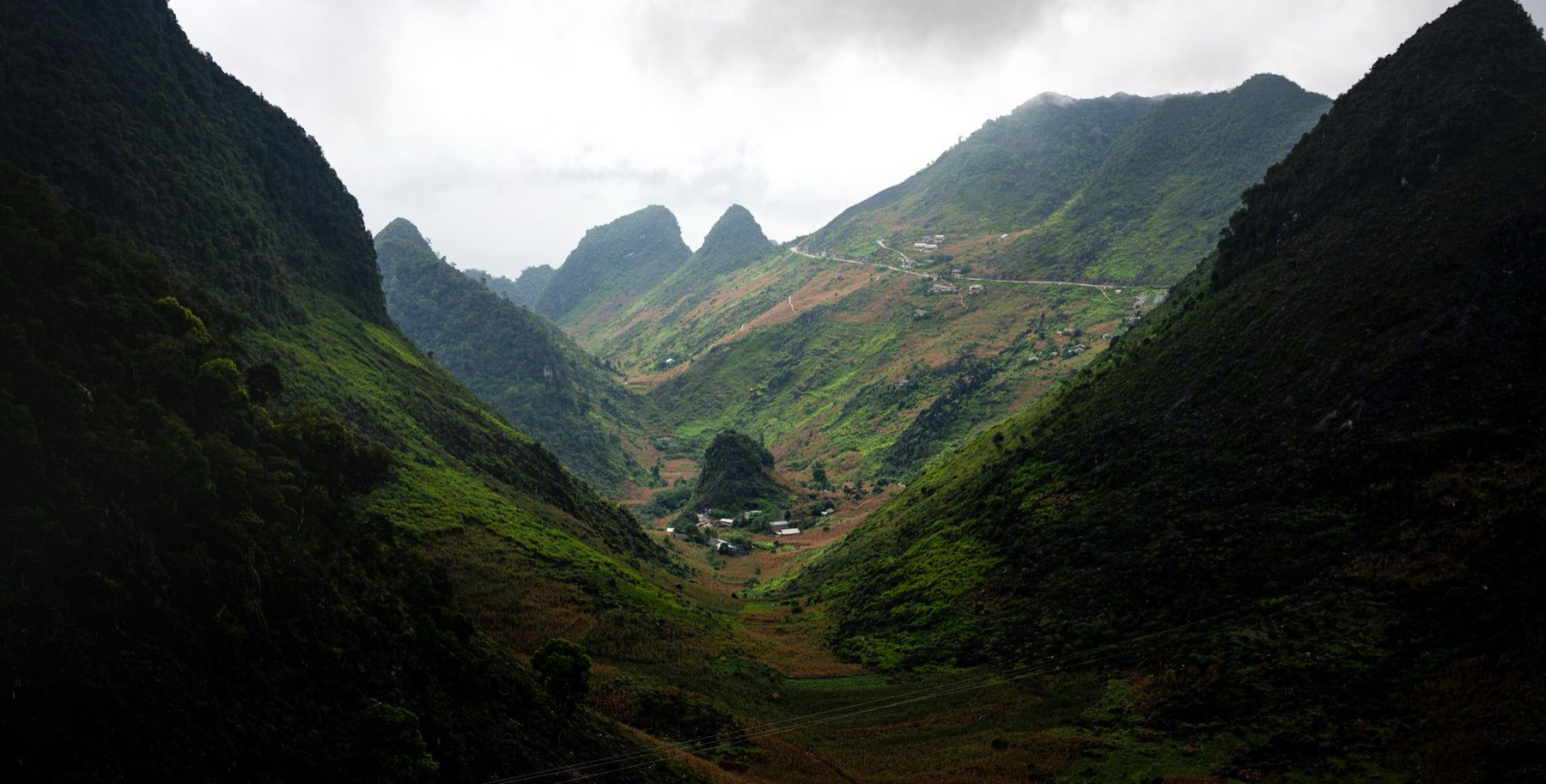
September–April: Waterproof bag, down jacket, long-sleeved layers (14°C mornings at 1800+ m). Rent motorbike helmet in Hanoi; bring spare gloves.
Avoid Dec–Feb if altitude sickness or cold bothers you. Carry ORS packets, ibuprofen. No cell signal on passes; buy a local eSIM in Hanoi (Vietnam eSIM) or top up Viettel before leaving the city.
Check road conditions 48 hours before Loop departure. Ask your Hanoi hostel or guesthouse; avoid routes if rain is heavy. Flash floods in July–Aug can trap you for 12+ hours.
Budget 4–6 million VND (around $160–240 USD) total for a 4-day Loop (motorbike rental, fuel, 3 nights homestay, meals, guide tips). Peak-season October costs 20% more.
🎟️ Compare tours & tickets for this place
---
How Ha Giang fits into a longer Vietnam itinerary
From Hanoi, Ha Giang is 5–6 hours by bus or motorbike. Combine it with Sapa (4 hours south, rice terraces, cooler climate) or head to Ha Long Bay for tropical contrast. A two-week north loop: Hanoi → Ha Giang (5 days) → Sapa (3 days) → Hanoi (1 day) → Ninh Binh or Hoi An by bus. Plan your full route to sync Ha Giang with other regions' peak seasons and avoid doubling back.
If you're capturing memories, book an ao dai photoshoot in Hanoi before you head north—Cáo Studio can arrange makeup and hair styling that withstands mountain humidity, and prints ship to your hotel.
---
What to buy for Ha Giang travelers
Gifts and keepsakes that suit the region: embroidered textiles (hill-tribe scarves, table runners from textile collections), custom maps (a starmap print of Ha Giang's night sky or topo-style art from map collections), or engraved items (wooden boxes or metal tags with travel dates, sourced from personalized collections). Homestay hosts appreciate small gifts—tea, hard candy, or a framed photo from your trip. Wander in Vietnam recommends avoiding mass-produced "Vietnam" souvenirs from tourist shops; instead, buy directly from ethnic vendors on homestay routes (bamboo weaving, herbal tea).
---
Real costs: What Ha Giang actually runs you (2026)
- Motorbike rental (Hanoi): around 800,000–1,200,000 VND/day (~$32–48 USD)
- Fuel: ~150,000–200,000 VND/day (~$6–8 USD) for the Loop
- Homestay (Double room): around 200,000–350,000 VND/night (~$8–14 USD)
- Guide (Per day, English-speaking): around 500,000–800,000 VND (~$20–32 USD)
- Local meals: around 30,000–80,000 VND per dish (~$1.20–3.20 USD)
- Bus (Hanoi ↔ Meo Vac): around 100,000–150,000 VND (~$4–6 USD)
Prices vary by season; October costs 20–30% more. Booking early saves 10–15%.
---
Common scams and mistakes to avoid
Fake homestays listed under similar names. Book only via Booking.com, Airbnb, or Cách Sống's verified hosts. Arrive with screenshots; confirm the owner's name.
Overpriced "tourist guides" in Meo Vac. Fixed rate is 500,000–700,000 VND/day; anything over 1,000,000 VND is inflated. Negotiate in town, not at your homestay.
Riding the Loop alone in bad weather. Slides happen fast—travel in groups or hire a driver. No cell signal; tell your hostel your route and expected return time.
Renting bikes with faulty brakes. Test front and rear brakes on flat ground before leaving. Downhill sections are steep; brake failure ends badly.
Bringing too much cash. ATMs in Meo Vac and Dong Van often run empty by late afternoon. Withdraw from Hanoi; carry small notes for homestays and tips.
---
🎟️ Compare tours & tickets for this place
FAQ
Is November or April better for Ha Giang?
November is colder (10–18°C) with clearer skies; April is warmer (15–22°C) with spring blooms. Both have low crowds and mid-range prices. Choose November if you love crisp mountain air; April if rain doesn't bother you. Both are reliable for road safety.
Do I need a guide for the Ha Giang Loop?
Not mandatory, but recommended for first-timers. Guides navigate pass names, locate homestays reliably, and speak ethnic minority languages. Solo riders must know the route beforehand and check weather daily. Budget 500,000–700,000 VND/day (~$20–28 USD) for a guide.
Can I do Ha Giang in two days?
Technically yes, but you'll rush. The Loop is 250 km; a minimum of 3–4 days lets you ride safely, enjoy scenery, and rest at altitude. Two days means 8–10 hours riding daily on narrow, steep passes—risky for inexperienced riders.
What's the coldest it gets at night in Ha Giang?
December to February, high-altitude homestays (1800+ m) drop to 5–8°C at night. Bring a down jacket and layers; homestays provide blankets but not always heating. Low-altitude stays (Meo Vac town) stay around 10–12°C.
Is the Ha Giang Loop safe in September?
Yes. September weather is clearing after monsoon; roads are passable. Humidity and occasional afterstorm clouds remain, but landslides are rare. Tourist numbers are low; homestays are calm. It's an underrated choice—visit early September for the best balance.
Can I take public buses on the Ha Giang Loop, or must I rent a bike?
Buses run Hanoi → Meo Vac → Dong Van, but they skip small homestays and scenic stops. A motorbike (rented or your own) gives freedom to linger at villages, viewpoints, and ethnic markets. Buses cost ~100,000–150,000 VND (~$4–6 USD); bikes cost ~800,000–1,200,000 VND/day (~$32–48 USD). Buses suit budget travelers on strict schedules; bikes suit explorers with flexible plans.
FAQ
Is November or April better for Ha Giang?
November is colder (10–18°C) with clearer skies; April is warmer (15–22°C) with spring blooms. Both have low crowds and mid-range prices. Choose November if you love crisp mountain air; April if rain doesn't bother you. Both are reliable for road safety.
Do I need a guide for the Ha Giang Loop?
Not mandatory, but recommended for first-timers. Guides navigate pass names, locate homestays reliably, and speak ethnic minority languages. Solo riders must know the route beforehand and check weather daily. Budget 500,000–700,000 VND/day (~$20–28 USD) for a guide.
Can I do Ha Giang in two days?
Technically yes, but you'll rush. The Loop is 250 km; a minimum of 3–4 days lets you ride safely, enjoy scenery, and rest at altitude. Two days means 8–10 hours riding daily on narrow, steep passes—risky for inexperienced riders.
What's the coldest it gets at night in Ha Giang?
December to February, high-altitude homestays (1800+ m) drop to 5–8°C at night. Bring a down jacket and layers; homestays provide blankets but not always heating. Low-altitude stays (Meo Vac town) stay around 10–12°C.
Is the Ha Giang Loop safe in September?
Yes. September weather is clearing after monsoon; roads are passable. Humidity and occasional afterstorm clouds remain, but landslides are rare. Tourist numbers are low; homestays are calm. It's an underrated choice—visit early September for the best balance.
Can I take public buses on the Ha Giang Loop, or must I rent a bike?
Buses run Hanoi → Meo Vac → Dong Van, but they skip small homestays and scenic stops. A motorbike (rented or your own) gives freedom to linger at villages, viewpoints, and ethnic markets. Buses cost ~100,000–150,000 VND (~$4–6 USD); bikes cost ~800,000–1,200,000 VND/day (~$32–48 USD). Buses suit budget travelers on strict schedules; bikes suit explorers with flexible plans.
More: Ha Giang travel guide