Phong Nha
Best Time to Visit Phong Nha: When & Why (2026 Guide)
By Wander in Vietnam editorial team · Hanoi, Vietnam
The best time to visit Phong Nha depends on your priorities. October to April is peak (dry, cool, 15–25°C), ideal for multi-day cave treks like Son Doong and Hang En; caves are navigable and air-conditioned natural passages feel refreshing. May to September is wet (25–35°C, frequent rain), yet fewer tourists arrive, prices drop 20–30%, and jungle ecosystems are vividly green. Avoid early May (school holidays surge), late September (unpredictable storms), and February (Chinese New Year overflow from Hanoi). Wander in Vietnam recommends mid-November to early January for the sweet spot: cool weather, low rainfall, and manageable crowds. Budget 3–5 days minimum; most visitors spend 2–3 days caving, 1–2 hiking or kayaking.
Why is October to April the "peak season" everyone talks about?
Dry season runs October to April, with temperatures dropping to 15–25°C. Cave passages stay stable, stream levels are low enough for safe wading, and humidity is tolerable during 6–8 hour treks. Son Doong (the world's largest cave), Hang En, and Hang Va are fully open and manageable. Sunlight penetrates limestone karsts better, improving photography. Downside: December–January sees Chinese tour groups arrive; accommodation fills fast; cave tour prices spike 30–50% above low season. Late October and March are quieter peaks—good compromise windows.
Conclusion: Dry-season conditions are genuinely safer and more comfortable for technical caving, but book guides and lodging 2–3 weeks ahead.
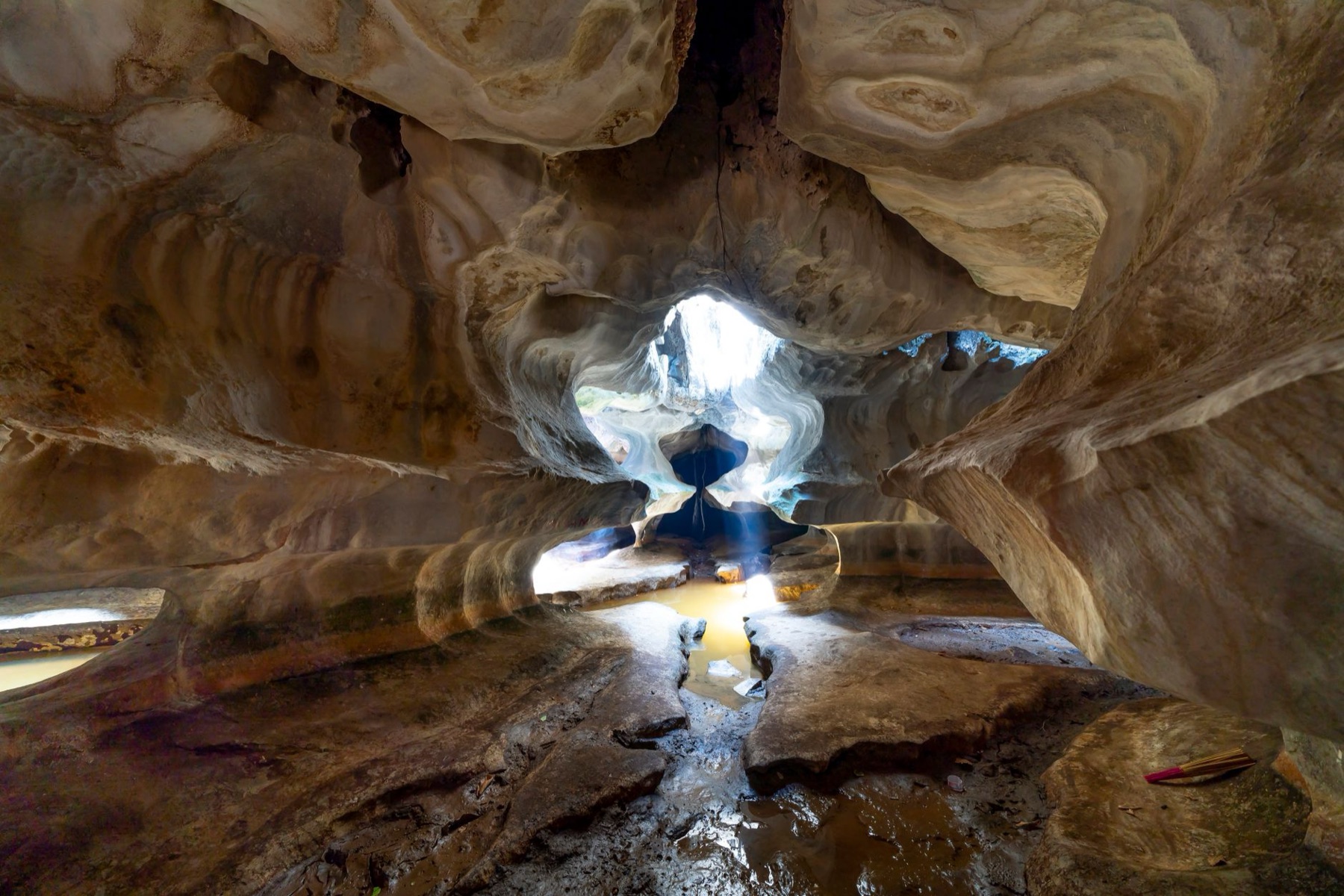
What happens if you visit during wet season (May–September)?
Rain falls almost daily May–August, turning jungle trails into mudslides and streams into torrents. Popular caves close intermittently; Son Doong tours often pause June–August due to water levels. Temperatures stay 28–35°C, humidity 80%+, so sweat soaks gear constantly. Leeches thrive. Advantage: tourist numbers drop sharply; guides accept walk-in bookings; double-bed bungalow rooms cost around 250,000–400,000 VND (USD ~10–16) instead of 600,000+ VND (USD ~24+). Jungle is emerald-green, wildlife active, and fewer crowds mean authentic moments. Best wet-season window is May and early September, when storms are lighter and roads remain passable.
Conclusion: Wet season suits budget travelers and nature photographers who tolerate rain; solo trekkers find better guide availability and negotiation room.
Should you visit during shoulder months (April & September)?
April is warm (28–32°C) with occasional showers—unpredictable. Cave tours still run, but streams are warm and water levels start rising. Accommodation prices drop 10–15% from peak. September early-month is similar: rain increases, yet guides and lodges are less booked. Both months are "maybe" periods—you'll dodge peak crowds but risk wet-weather delays or tour cancellations. Schools break early-mid May, so avoid May 1–15 entirely; Vietnamese families fill hostels and guide spots.
Conclusion: April and September are cheap but unreliable; only choose these if flexible on dates and content to reschedule caving.
How do Chinese New Year and school holidays affect Phong Nha?
Chinese New Year (January 29–30 in 2026) brings a 7–10 day surge of visitors from China, Hanoi, and Saigon. Hotels in towns near the park (like Son Trach) fully book; guide availability crashes; prices rise 40–60%. Vietnamese school holidays (early May, mid-June to early September, late December) also cause local-family tourism spikes. New Year's Eve and Day (late December–January 1) see international tourists flock in. February benefits from overflow avoidance but carries residual crowds.
Conclusion: Plan around late January, early–mid February, and avoid holiday windows if seeking solitude or reasonable rates.
What's the optimal weather window for each activity?
| Activity | Best Month | Ideal Temp (°C) | Rain Risk | Why It Works |
|---|---|---|---|---|
| Son Doong 3-day trek | Nov–Dec | 15–22 | Very low | Cool, dry, stable streams, full access |
| Hang En overnight camp | Oct, Mar–Apr | 18–26 | Low–moderate | Manageable humidity, cave temps stable, stars visible |
| Kayaking Ngo Dong River | Nov–Jan | 16–24 | Minimal | Low water (calm paddles), clear sightline, dry camps |
| Jungle hiking day trips | Oct, Nov, Mar | 18–25 | Low | Firm trails, morning dew clear by 10am, pleasant temps |
| Photography (karst light) | Dec–Jan, Mar | 15–22 | Low | Golden-hour angles sharp, low humidity cuts haze |
| Budget solo/backpack travel | May–Aug | 25–35 | High | Cheap rates, guide availability, fewer tourists |
Take-home: November to December is unbeaten for active holidays; March suits combo trips (cave + beach recovery); May–August is for tight budgets.
---
Once you've picked your dates, compare your route with our Vietnam itinerary planner to slot Phong Nha into a larger journey (many travelers add 2 days after Hanoi or before Hoi An).
How much does weather affect costs and availability?
Peak-season cave tours (Oct–Jan) cost 3–5 million VND (USD ~120–200) for 2-day Son Doong; low-season rates drop to 2–3 million VND (USD ~80–120). Accommodation ranges from 250,000 VND (USD ~10) hostel beds to 1.5+ million VND (USD ~60+) private bungalows in peak; low season cuts private rooms to 600,000–900,000 VND (USD ~24–36). Multi-day trekking (Son Doong, Hang En) requires guides licensed by the park; peak season has long waitlists (book 3–4 weeks out), while wet season offers same-day bookings. Transport from Hanoi (via Dong Hoi airport or 5-hour bus) is consistent year-round, but November–January flights fill faster and cost 30% more.
Conclusion: Plan 2–3 months ahead for dry season, 1–2 weeks for wet season; budget 25–40% more if visiting December–January.
---
🗺️ Plan your route: Vietnam itinerary
---
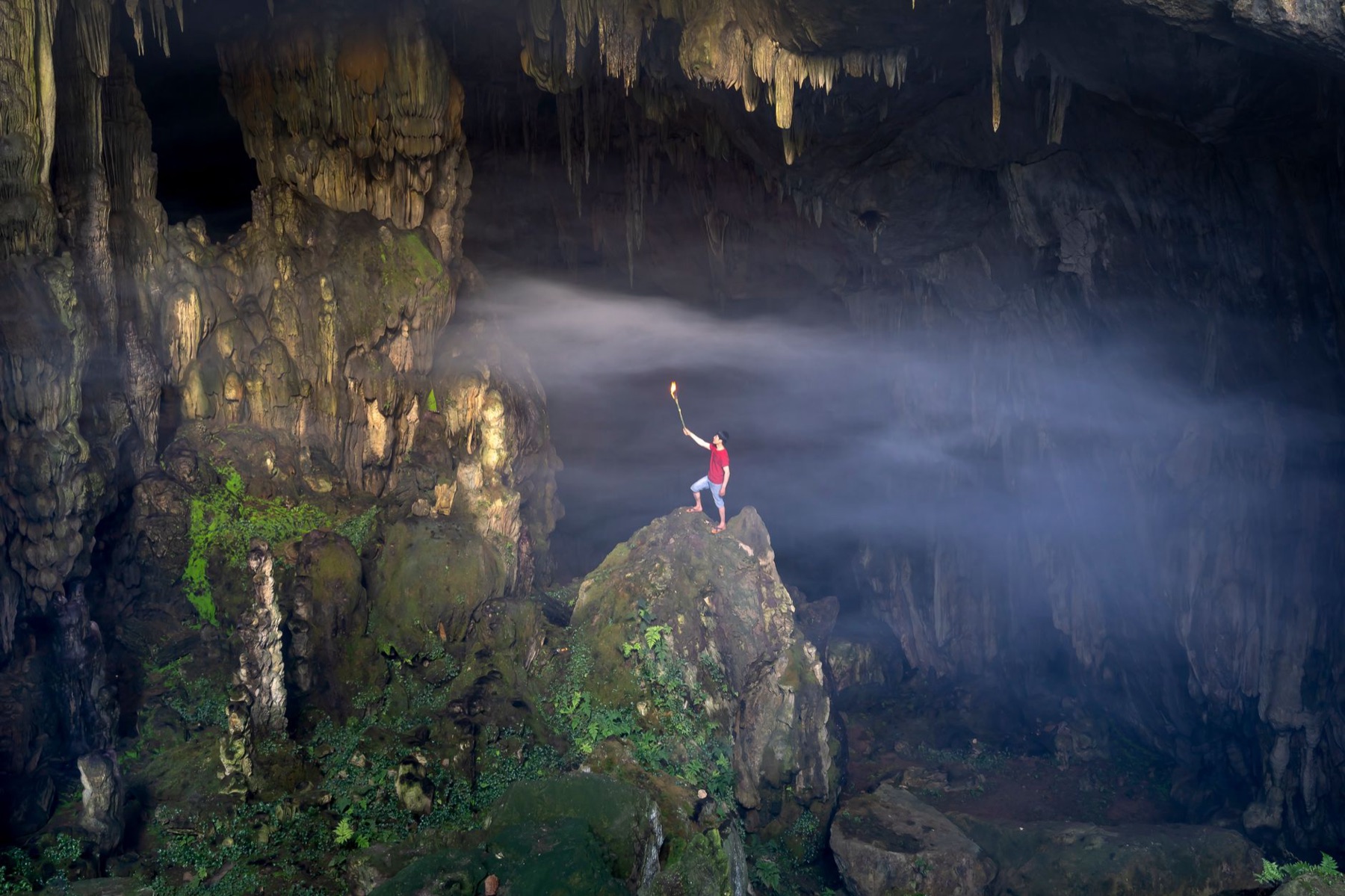
What to pack and bring for your chosen season
Dry season (Oct–Apr): Lightweight rain jacket (surprise afternoon showers), thermal layers (caves stay 15–20°C even when outside is warm), headlamp with spare batteries, water shoes, sun protection (hat, SPF 50+, sunglasses), quick-dry pants. Bring a small dry bag for phones.
Wet season (May–Sep): Heavy-duty rain poncho, insect repellent (leeches, mosquitoes), antifungal powder, waterproof phone case, quick-dry everything, extra socks. Leave cotton behind.
Both seasons: Sturdy hiking boots (broken in), first-aid basics (blister tape, pain relief), 2+ liters water capacity, energy bars, toilet paper. Guides provide rope, harnesses, and headlamps for paid tours, but bring your own if doing independent day hikes.
Takeaway: Wet-season visitors underestimate gear weight and discomfort; dry-season tourists often pack too much formal clothing.
---
Making memories: gift ideas tied to your Phong Nha adventure
After a life-changing cave trek or jungle night under the karst cliffs, many travelers want to capture or gift the experience. We recommend:
- Personalized adventure logbooks or journals for documenting each cave explored, altitude gained, or leech-free day celebrated. Custom engravings with your trip dates or coordinates create lasting keepsakes. See our engraved keepsake collection for options.
- Custom star maps or constellation prints showing the exact night sky visible from Hang En or Son Trach on your trip date. Perfect for solo travelers or couples who camped under the stars. Browse our celestial art collection for starmap designs.
- Photo-backed canvases or metal prints of your cave or jungle shots, printed on archival stock. Our photo gift collection handles high-res uploads and ships globally within 5–10 days.
- Personalized travel maps with marked routes, summit pins, or cave names. Ideal for hikers who want to plan next year's trip or share their route with family.
If you're pre-trip, book an ao dai photoshoot in Hanoi to capture traditional Vietnamese style before heading to Phong Nha's outdoor adventures.
---
Real mistakes to avoid when timing your visit
- Assuming "dry season = no rain." November–April sees occasional afternoon showers; pack a rain jacket even in "peak."
- Booking Son Doong during holidays. If visiting Dec 20–Jan 10, expect 6–8 week waitlists; book 6–8 weeks ahead or shift dates.
- Underestimating wet-season trail damage. Landslides can close routes August–September; confirm with local guides before setting a fixed itinerary.
- Flying in/out same day from Dong Hoi. Phong Nha rewards 3–5 day stays; 1-day trips feel rushed. Budget at least 2 nights.
- Visiting without checking cave access online. Son Doong, Hang En, and Hang Va have official capacity caps and closure dates; verify before traveling.
---
📸 Book an ao dai photoshoot in Hanoi or Saigon (Cáo Studio)
---
Extending your stay: nearby regions to pair with Phong Nha
Phong Nha sits in Quang Binh Province, a 5-hour bus ride from Hanoi (center), 3 hours from Hoi An, and 8 hours from Ho Chi Minh City. Add 2–3 days nearby:
- Ninh Binh: Ancient temples, Trang An kayaking, Ha Long Bay on land. 4 hours north by bus. Same limestone geology, fewer caves, equally stunning karst views.
- Ha Long Bay: Cruise the limestone UNESCO site. 7–8 hours north; most travelers fly Hanoi–Halong instead. Combine with Phong Nha if you have 7+ days.
- Hoi An: Beach, heritage town, tailors. 2 hours south by bus. Ideal rest day after caving; book ao dai tailors or photoshoots (link below).
- Hanoi: Starting/ending point, 5 hours north. Stock up on gear, arrange multi-day tour bookings, or recover in the capital.
Explore our detailed Phong Nha guide for transport logistics, homestay vs. hotel tradeoffs, and certified guide contacts.
---
🎟️ Compare tours & tickets for this place
---
What to check before you book your dates
- Park opening times: Phong Nha-Ke Bang National Park office opens 7:30 AM; most cave tours depart 8–8:30 AM. Afternoon starts around 1 PM. No night caving except Hang En overnight camps (pre-booked only).
- Guide licensing: Only park-licensed guides can lead Son Doong and multi-day treks. Verify your tour operator's certification; bootleg guides risk fines and cancellations.
- Visa requirements: Most international visitors need a Vietnam e-visa or visa-on-arrival. Apply at least 1 week ahead. Check visa options here.
- Flight/bus schedules: Dong Hoi International Airport (served by Vietnam Airlines, Vietjet) is 40 km away; check seasonal flight availability. Highway buses from Hanoi run daily.
- Accommodation lead time: Book lodges 3–4 weeks ahead in October–January; 1–2 weeks for May–September. Homestays and bungalows fill faster than backpacker hostels.
- Connectivity: Get a local eSIM or SIM card in Hanoi/Dong Hoi. Cell service is spotty on multi-day treks; offline maps are essential. See our eSIM guide.
---
Final checklist before departure
- [ ] Booked guides (Son Doong/Hang En require park pre-booking)
- [ ] Reserved accommodation for arrival night + 2–3 trek nights
- [ ] Confirmed transport (flight, bus, or rental) to Dong Hoi/Son Trach
- [ ] Downloaded offline maps (AllTrails, Maps.me, Google Maps)
- [ ] Purchased or rented sturdy hiking boots (break them in 1–2 weeks before)
- [ ] Obtained Vietnam e-visa or booked visa-on-arrival
- [ ] Activated eSIM or bought local SIM in Hanoi
- [ ] Arranged cave gear rental (headlamp, harness) with tour operator
- [ ] Packed season-appropriate clothing (see packing section above)
- [ ] Informed someone of your itinerary (especially for multi-day treks)
- [ ] Checked cave closure/capacity updates on park website
FAQ
Is December or January better for Phong Nha—and which is busier?
December is marginally cooler (15–20°C) and less crowded than January, but both see holiday surges. Early December (1–15) and late January (25+) are quieter windows. Chinese New Year (late January 2026) triggers the worst congestion; avoid if possible.
Can you cave trek in May or June, or does the park fully close?
The park stays open May–September, but Son Doong may close 2–4 weeks due to high water levels. Hang En, Hang Va, and day caves remain accessible. Confirm with guides before arriving; most eco-tourism operators offer alternative day-hike packages during wet months.
How much cheaper is it to visit Phong Nha in July compared to December?
Cave tour prices drop 30–50% (e.g., 2-day Son Doong falls from ~4 million VND USD ~160 in peak to ~2–2.5 million VND USD ~80–100). Accommodation halves for private bungalows. Flights from Hanoi also drop 20–30%. Total 3-day trip cost: ~5–6 million VND (USD ~200–240) in July vs. ~10–12 million VND (USD ~400–480) in December.
What happens if bad weather cancels my cave tour mid-trek?
Licensed tour operators offer rescheduling or refunds (minus guide/permit fees, ~20–30% of tour cost). Park rules forbid guides continuing in unsafe conditions (flooding, lightning). Purchase travel insurance covering activity cancellations; most policies reimburse 70–100% of costs. Budget an extra 2–3 days as buffer.
Is April too hot and unpredictable for Phong Nha hiking?
April ranges 28–32°C with variable rain. Caves are still accessible, but afternoon storms are common, and stream levels start rising. It's a "maybe" month—suitable if flexible on dates or content to hike easier routes instead of Son Doong. March and early May (before schools break) are better shoulder picks.
Should I hire a private guide or join a group tour?
Group tours (2–8 people) cost 30–50% less and include logistics. Private guides (1–4 people) offer flexible pacing and tailored routes but run 50–100% higher per person. Dry season: group tours fill fast (book ahead). Wet season: private guides are easy to arrange day-of. Both require park licensing; verify before booking.
What's the difference between "high season" and "peak season"?
High season (Oct–Apr) is dry and pleasant. Peak season (Dec–Jan) is high season + holidays, so crowds and prices surge 40–60%. November and March are "high season off-peak"—still dry, fewer tourists, fair prices.
Can I visit Phong Nha for just one day from Hanoi or Hoi An?
Technically yes (5-hour bus each way), but a 1-day visit means only a 4-hour cave tour or short hike. You'll spend half the day traveling. Minimum 2–3 days is recommended to explore a major cave and acclimatize. Most travelers base in nearby Son Trach or Phong Nha town for 2–4 nights.
FAQ
Is December or January better for Phong Nha—and which is busier?
December is marginally cooler (15–20°C) and less crowded than January, but both see holiday surges. Early December (1–15) and late January (25+) are quieter windows. Chinese New Year (late January 2026) triggers the worst congestion; avoid if possible.
Can you cave trek in May or June, or does the park fully close?
The park stays open May–September, but Son Doong may close 2–4 weeks due to high water levels. Hang En, Hang Va, and day caves remain accessible. Confirm with guides before arriving; most eco-tourism operators offer alternative day-hike packages during wet months.
How much cheaper is it to visit Phong Nha in July compared to December?
Cave tour prices drop 30–50% (e.g., 2-day Son Doong falls from ~4 million VND USD ~160 in peak to ~2–2.5 million VND USD ~80–100). Accommodation halves for private bungalows. Flights from Hanoi also drop 20–30%. Total 3-day trip cost: ~5–6 million VND (USD ~200–240) in July vs. ~10–12 million VND (USD ~400–480) in December.
What happens if bad weather cancels my cave tour mid-trek?
Licensed tour operators offer rescheduling or refunds (minus guide/permit fees, ~20–30% of tour cost). Park rules forbid guides continuing in unsafe conditions (flooding, lightning). Purchase travel insurance covering activity cancellations; most policies reimburse 70–100% of costs. Budget an extra 2–3 days as buffer.
Is April too hot and unpredictable for Phong Nha hiking?
April ranges 28–32°C with variable rain. Caves are still accessible, but afternoon storms are common, and stream levels start rising. It's a "maybe" month—suitable if flexible on dates or content to hike easier routes instead of Son Doong. March and early May (before schools break) are better shoulder picks.
Should I hire a private guide or join a group tour?
Group tours (2–8 people) cost 30–50% less and include logistics. Private guides (1–4 people) offer flexible pacing and tailored routes but run 50–100% higher per person. Dry season: group tours fill fast (book ahead). Wet season: private guides are easy to arrange day-of. Both require park licensing; verify before booking.
What's the difference between "high season" and "peak season"?
High season (Oct–Apr) is dry and pleasant. Peak season (Dec–Jan) is high season + holidays, so crowds and prices surge 40–60%. November and March are "high season off-peak"—still dry, fewer tourists, fair prices.
Can I visit Phong Nha for just one day from Hanoi or Hoi An?
Technically yes (5-hour bus each way), but a 1-day visit means only a 4-hour cave tour or short hike. You'll spend half the day traveling. Minimum 2–3 days is recommended to explore a major cave and acclimatize. Most travelers base in nearby Son Trach or Phong Nha town for 2–4 nights.
More: Phong Nha travel guide