Hanoi · Where to stay
Boutique Hotels Hanoi: Local Guide to Neighbourhoods & What to Check
By Wander in Vietnam editorial team · Hanoi, Vietnam
Boutique hotels in Hanoi aren't just smaller versions of chain properties—they're neighbourhood anchors with real personality, often run by local families or expat entrepreneurs who've chosen a specific district for its vibe. Unlike resort areas or business districts, Hanoi's boutique landscape clusters tightly. Each neighbourhood has a different pulse: Old Quarter is chaos and energy; French Quarter trades on colonial nostalgia and quiet tree-lined streets; Tay Ho offers water views and crafted cafés. We've tested stays across all three, plus lesser-known pockets, to help you match your travel style to the right location—and avoid booking a "charming" place that turns out to be a noisy converted shophouse.
🗺️ Plan your route: Vietnam itinerary
What's the real difference between Old Quarter, French Quarter, and Tay Ho stays?
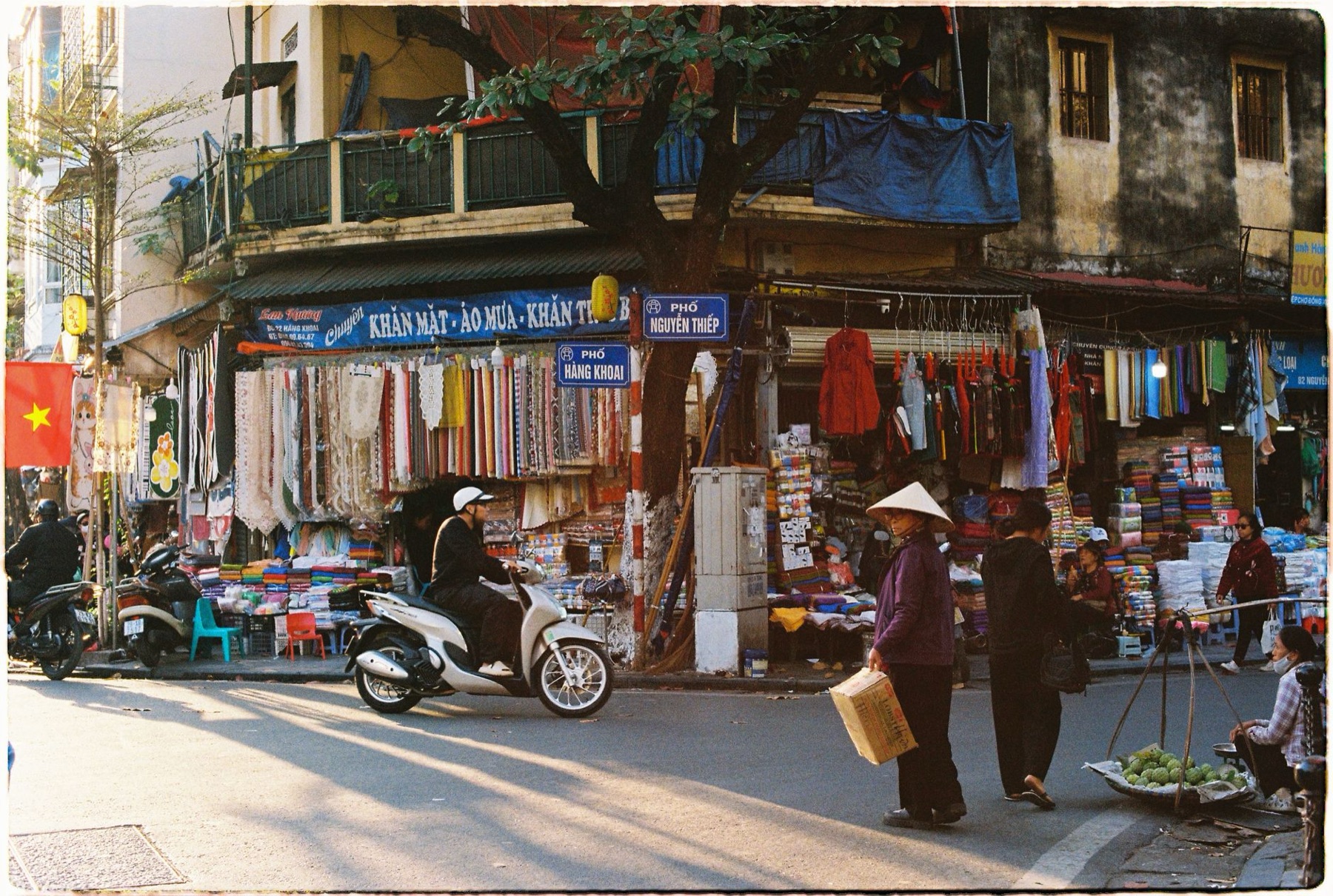
Each zone caters to a different traveller. Old Quarter boutique hotels sit in narrow laneways (often 2–3 metres wide) packed with street food vendors, souvenir shops, and motorbikes. Expect ambient noise 6am–midnight and a younger, social vibe. French Quarter properties occupy wider, tree-shaded streets with cafés, galleries, and colonial architecture—quieter, older clientele, walking distance to museums and Hoan Kiem Lake's eastern shore. Tay Ho (around the western lakeside) is newer, more upscale, with rooftop bars and craft coffee; fewer foot traffic, higher prices. Choose Old Quarter for immersion; French Quarter for calm heritage; Tay Ho for comfort with a view.
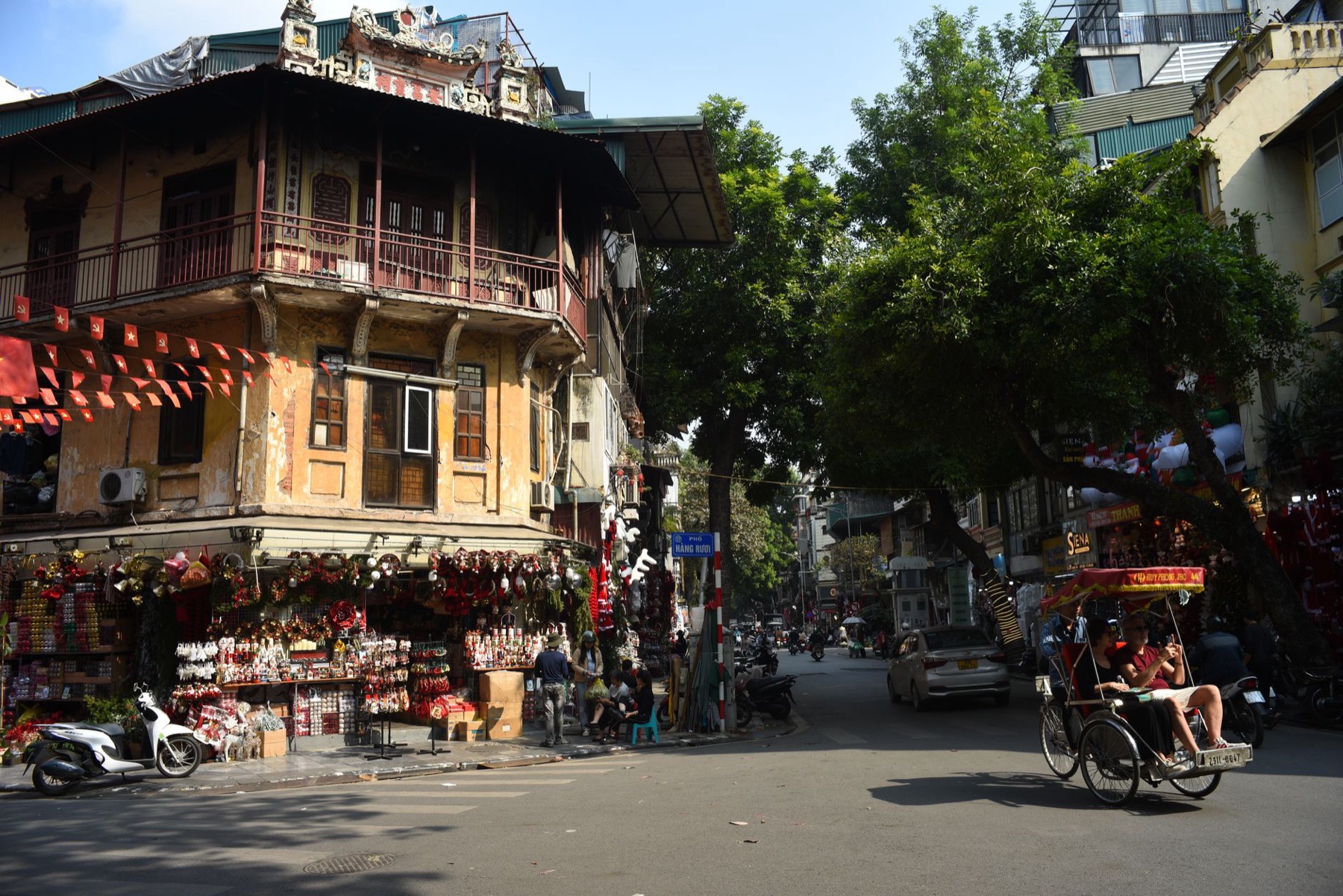
Should you book a converted villa, a narrow shophouse, or a purpose-built small hotel?
| Property Type | Best For | Typical Price (USD/night) | Pro | Con |
|---|---|---|---|---|
| Converted colonial villa | Couples, photographers, quiet seekers | $80–150 | Charm, garden, personal service | Small; often no lift; can feel dated |
| Shophouse boutique | Budget backpackers, solo travel, socializing | $40–70 | Walkability, street energy, affordable | Noise, steep stairs, tiny rooms, shared facilities |
| Purpose-built small hotel | Families, mid-range comfort seekers | $60–120 | Reliable layout, private rooms, lobby bar | Less character than converted spaces |
| Lakeside/garden retreat | Honeymooners, remote workers | $100–180 | Views, peace, private entrances | Distance from main action, taxi dependent |
Converted villas trade modernity for atmosphere: high ceilings, original tiles, and garden courtyards. Shophouse conversions are cheapest but noisiest—ask about soundproofing and confirm windows face away from the street if you're sensitive to sound. Purpose-built small hotels (4–8 storeys, 20–40 rooms) split the difference. Whichever you pick, ask the property directly: "Will I hear street noise at night?" and get an honest answer, not a sales pitch.
📸 Book an ao dai photoshoot in Hanoi or Saigon (Cáo Studio)
What prices should you actually expect in 2026?
Budget boutique (Old Quarter shophouse, basic): around $40–60/night USD. Mid-range (small hotel with air-con, en-suite, breakfast): around $70–100/night USD. Upper-mid (converted villa, heritage charm, rooftop bar, airport shuttle): around $110–160/night USD. Luxury boutique (colonial palace conversion, full service): around $180–250+/night USD. Prices spike during Tet (late January–early February) and high season (October–March). A quiet season (May–August) discount of 20–30% isn't uncommon. Book direct with the property if possible—you'll skip platform markups, get clearer communication, and sometimes negotiate longer-stay discounts.
Which neighbourhoods should you actually explore beyond your hotel?
Old Quarter (Hoan Kiem district): Chaos, street food, night markets. Walk Ta Hien, Hang Gai, and the narrow laneways. Hoan Kiem Lake is a 5-minute walk. Best for foodies and first-timers who want Hanoi's raw energy.
French Quarter (Ba Dinh district, around Hang Bong and Tran Hung Dao streets): Tree-lined, slower pace, colonial buildings, local cafés. Close to Temple of Literature, Ho Tay (West Lake). Best for photographers and reflective travellers.
Tay Ho (Tay Ho district): West Lake waterfront, trendy cafés, craft beer bars, sunset walks. Quieter than Old Quarter, more curated. Best for repeat visitors who want comfort.
Emerging pockets: Hang Dao (northeast of Hoan Kiem) has fewer tourists and younger local vibe; Dong Xuan area offers working-class Hanoi without the Instagram crowds. Both have fewer boutique hotels but worth exploring on day walks.
See our full Hanoi neighbourhood guide for eating, shopping, and transport tips.
What to check before you book and pay.
Before hitting "confirm," ask the hotel directly (email, WhatsApp, or phone):
- Bed configuration: Double, twin, or queen? Is the mattress firm or soft? Ask for photos if you're particular.
- Street noise: Which floor? Does the room face the street or courtyard? Request a quiet room and specify if Old Quarter.
- Breakfast: Included or add-on? Is it local (pho, banh mi) or generic toast and jam? What time is service?
- Bathroom: Private or shared? Shower or bathtub? Hot water reliable?
- Connectivity: Free WiFi speed? Do they have a backup generator (Hanoi's power is stable, but good to confirm).
- Airport transfer: Included, or how much? Motorbike taxi, car, or shuttle bus?
- Cancellation policy: Free until when? How many days before check-in?
- Payment: Can you pay by bank transfer, credit card, or cash? Are platform fees clearly listed?
Request a video tour or recent photos (not just website glosses). A property that responds in under 4 hours is usually reliable. If they ignore emails, keep looking.
🎟️ Compare tours & tickets for this place
Common booking mistakes to avoid.
Picking based on online photos alone: Professional photography hides noise, outdated furnishings, and cramped layouts. Video tours or asking for guest reviews mentioning soundproofing, cleanliness, and staff friendliness are more honest.
Ignoring the location details: "Close to Old Quarter" might mean a 15-minute walk through residential alleys with no signage, not the charming laneways. Use Google Maps Street View to check the actual street and approach.
Assuming "boutique" = luxury: Boutique means small and independent, not upscale. A $50/night Old Quarter shophouse is boutique. A $200/night villa is boutique. Price ranges vary wildly. Match the type to your budget, not the label.
Not asking about water pressure and heating: Hanoi's winters (November–February) can require hot water. Summers (June–August) are humid; air-con that doesn't cool well ruins a stay. Ask directly.
Forgetting about transport: Motorbike taxis are cheap (around 15,000–30,000 VND / $0.60–1.20 USD per trip in-city) but unreliable for non-Vietnamese speakers. Confirm whether your hotel offers transfers or is walking distance to metro (Hanoi's metro is expanding; check 2026 routes). See our Vietnam e-visa and eSIM guides if you're organizing transport apps like Grab.
Is a boutique hotel worth it over a hostel or homestay?
Hostels (Old Quarter, Ba Dinh): $15–30/night, communal spaces, social vibe, often have dorm beds. Best if you're solo and want to meet people. Noise and shared bathrooms are trade-offs.
Homestays (residential areas like Cau Giay, Dong Da): $30–60/night, stay with a local family, breakfast included, personal advice. Best for cultural immersion and longer stays (1+ week). Language barriers and less privacy are common.
Boutique hotels (mid-range, $60–120/night): Private room, reliable service, some character, better bathrooms than hostels. Best if you want comfort, privacy, and a sense of place without paying luxury prices.
If you're in Hanoi for 2–3 nights, a mid-range boutique hotel offers the best balance. For longer stays (1+ week), homestays save money and deepen connection. For backpacking runs under 48 hours, a hostel is pragmatic.
Compare options using our broader Hanoi hotels pillar for star-by-star breakdowns.
What to expect when you arrive (and what's a scam).
Hanoi's airport (Noi Bai) is 25km north of the city. Legitimate airport shuttles run around 50,000–100,000 VND ($2–4 USD) per person; taxis/Grab cost around 300,000–400,000 VND ($12–16 USD). A hotel-arranged transfer is usually around 350,000–500,000 VND ($14–20 USD) but saves haggling.
Avoid: unlicensed taxis at arrivals, unofficial "tour guides" offering rides, or anybody offering a "special price" to a different hotel. Stick with the hotel's listed transfer option or book Grab via app before landing.
When you check in, confirm the room matches the booking (bed type, floor, view). If noise is unexpected or the shower is cold, ask for a move immediately—most boutique hotels will swap rooms the same day. Pay upfront only if required; many properties ask for payment on checkout or per night. Read the terms again before handing over cash or credit card details.
---
Planning your broader Hanoi trip?
Once you've booked your boutique hotel, explore nearby attractions: Ha Long Bay day trips depart from central Hanoi; Ninh Binh (2 hours south) offers rural landscape and boat tours; Sapa is a cooler mountain escape (6 hours by train). Each pairs well with 2–3 nights in a Hanoi base.
If you're heading south after Hanoi, check our Ho Chi Minh City guide and Hoi An guide. We also offer ao dai photoshoots in Hanoi and Saigon if you want to capture your stay professionally.
---
FAQ
What's the best boutique hotel neighbourhood for a first-time visitor?
Old Quarter for energy and street food; French Quarter for quiet charm and colonial architecture. Most first-timers pick Old Quarter because it's walkable, central, and feels authentically Vietnamese. French Quarter is better if you want to sleep deeply or photograph heritage buildings.
Do I need to speak Vietnamese to book and check in?
No. Email the hotel in English; they'll respond. Check-in staff in boutique hotels speak basic English. Use Google Translate for specific requests. A pocket WiFi or Vietnam eSIM helps with Grab, maps, and translation apps. Have your booking confirmation in a screenshot or PDF on your phone.
Are boutique hotels safer than hostels?
Yes, generally. Boutique hotels have private rooms (lower theft risk), 24-hour reception, and CCTV. Hostels are sociable but involve shared lockers and common areas. Hanoi is safe for tourists overall; standard precautions (lock valuables, avoid late-night alone walks in unfamiliar areas) apply everywhere.
How far in advance should I book?
High season (October–March): 2–4 weeks. Low season (May–August): 1 week is fine. Tet holidays (late January–early February): book 2+ months early or expect 40–50% price hikes and full properties. Direct booking (email the hotel) often locks rates better than last-minute platform deals.
Will my boutique hotel have air-conditioning and hot water?
Almost all do in 2026. Confirm in the property details or email before booking. Hanoi's summers are hot and humid; winter (November–February) is cool. Request a room with strong air-con if you're heat-sensitive. Hot water is standard; pressure varies—ask about showers specifically if that matters to you.
What's the best time to visit Hanoi by season?
October–November (autumn): cool, dry, clear skies—peak for tourism. December–February (winter): cool but grey; fewer crowds. March–May (spring): warm, increasingly humid. June–August (monsoon): hot, humid, occasional rain; lowest prices. We recommend October–November for weather and atmosphere, May–August if budget is tight.
FAQ
What's the best boutique hotel neighbourhood for a first-time visitor?
Old Quarter for energy and street food; French Quarter for quiet charm and colonial architecture. Most first-timers pick Old Quarter because it's walkable, central, and feels authentically Vietnamese. French Quarter is better if you want to sleep deeply or photograph heritage buildings.
Do I need to speak Vietnamese to book and check in?
No. Email the hotel in English; they'll respond. Check-in staff in boutique hotels speak basic English. Use Google Translate for specific requests. A pocket WiFi or [Vietnam eSIM](/vietnam/esim) helps with Grab, maps, and translation apps. Have your booking confirmation in a screenshot or PDF on your phone.
Are boutique hotels safer than hostels?
Yes, generally. Boutique hotels have private rooms (lower theft risk), 24-hour reception, and CCTV. Hostels are sociable but involve shared lockers and common areas. Hanoi is safe for tourists overall; standard precautions (lock valuables, avoid late-night alone walks in unfamiliar areas) apply everywhere.
How far in advance should I book?
High season (October–March): 2–4 weeks. Low season (May–August): 1 week is fine. Tet holidays (late January–early February): book 2+ months early or expect 40–50% price hikes and full properties. Direct booking (email the hotel) often locks rates better than last-minute platform deals.
Will my boutique hotel have air-conditioning and hot water?
Almost all do in 2026. Confirm in the property details or email before booking. Hanoi's summers are hot and humid; winter (November–February) is cool. Request a room with strong air-con if you're heat-sensitive. Hot water is standard; pressure varies—ask about showers specifically if that matters to you.
What's the best time to visit Hanoi by season?
October–November (autumn): cool, dry, clear skies—peak for tourism. December–February (winter): cool but grey; fewer crowds. March–May (spring): warm, increasingly humid. June–August (monsoon): hot, humid, occasional rain; lowest prices. We recommend October–November for weather and atmosphere, May–August if budget is tight.
More: Hanoi guide · Where to stay in Hanoi