Hanoi · Where to stay
Boutique Hotels Hanoi: Where to Stay by Neighbourhood & Budget
By Wander in Vietnam editorial team · Hanoi, Vietnam
Hanoi's boutique hotel boom reflects the city's split personality: travellers want either genuine old-town grit or curated modern comfort, often in the same stay. Unlike chain hotels stamped across Asia, genuine boutiques here anchor themselves in neighbourhood identity—which means your choice of hotel partly determines your Hanoi experience.
We've stayed across these properties, talked to managers and long-term guests, and watched booking patterns shift. The honest truth: some boutiques charge premium rates for aesthetic alone; others deliver measurable value through staff knowledge, location, or design that genuinely enhances your visit.
Which Hanoi neighbourhood fits your trip?
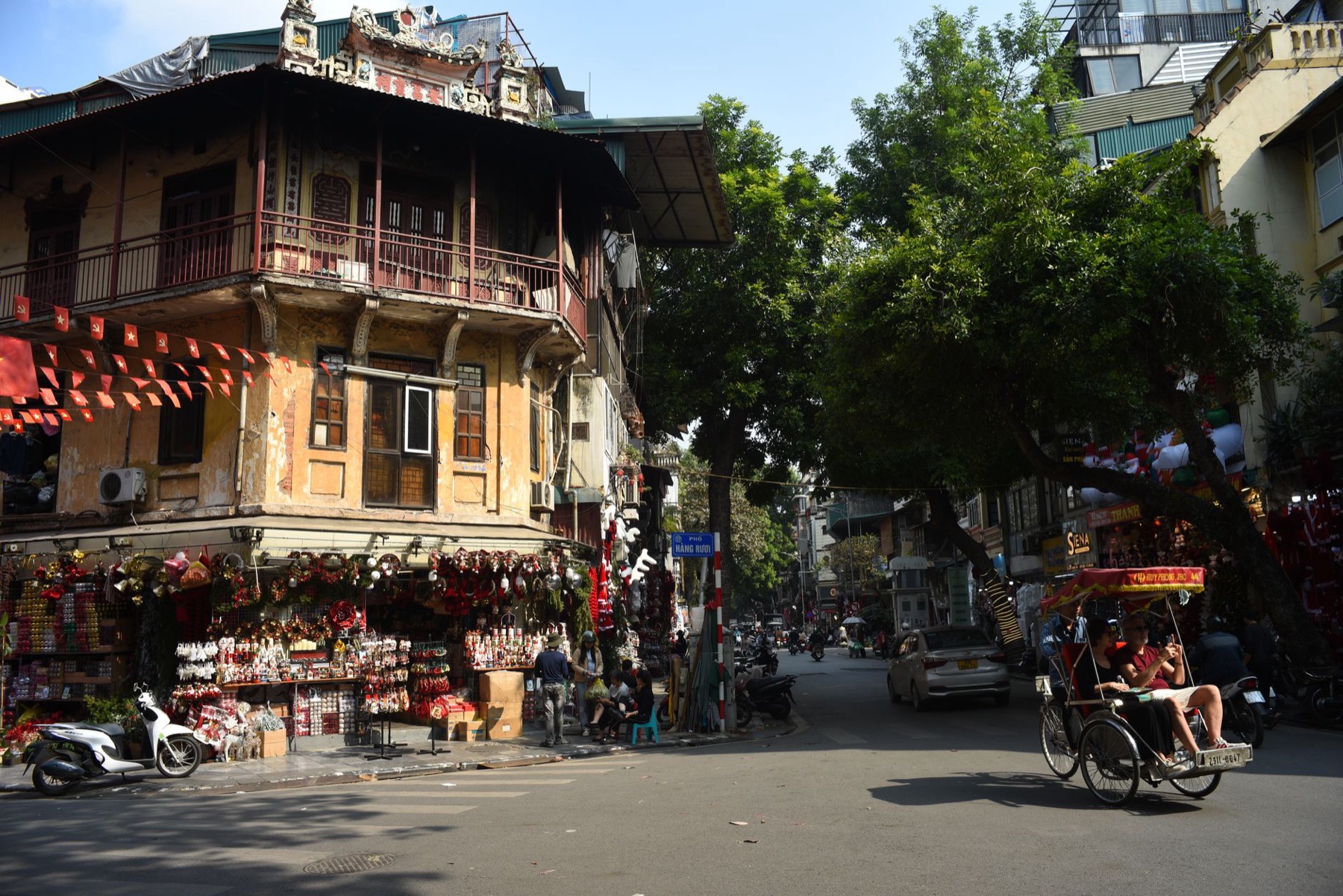
Old Quarter buzzes 24/7 with motorbike chaos, street food, backpacker energy. Best if you want to wake to hawker calls and stumble into restaurants without planning. Worst if you need quiet or space. French Quarter (Trang Tien, Hang Trong area) feels like colonial Paris transplanted—tree-lined streets, cafés, galleries, minimal traffic after 10 p.m. Best for couples, first-time visitors, walkers. Ba Dinh (government district around Hoan Kiem Lake's north edge) offers modern hotels, business amenities, proximity to museums. Best for efficiency. Tay Ho (west lake) attracts artists, expats, cyclists—slower pace, boutique cafés, sunset views. Best for longer stays, quieter exploration. Tran Hung Dao (emerging corridor southwest) mixes street art, craft breweries, local energy; fewer tourists, riskier bets.
| Neighbourhood | Vibe | Best For | Noise Level | Walk to Food? |
|---|---|---|---|---|
| Old Quarter | Chaotic, touristy, dense | Budget backpackers, foodies | High | Yes, everywhere |
| French Quarter | Elegant, calm, colonial | Couples, culture seekers | Low | Yes, curated spots |
| Ba Dinh | Modern, central, business | First visits, convenience | Medium | Yes, mixed quality |
| Tay Ho | Artsy, expat-heavy, lakeside | Long stays, cyclists | Low | Yes, craft focus |
| Tran Hung Dao | Emerging, local, eclectic | Adventurous, young | Medium | Yes, authentic |
What does "boutique" actually mean in Hanoi's hotel market?
A true boutique hotel in Hanoi has under 50 rooms—usually 15–40—and reflects neighbourhood character rather than corporate template. Staff know repeat guests' names. Décor changes by floor or building section. Breakfast includes local items, not just continental cereals.
What it doesn't guarantee: luxury linens, western-standard plumbing, 24-hour gym, or English-fluent reception. Many boutiques occupy colonial or French-era buildings with irregular room layouts, creaky floors, or limited wifi in corners. That's part of the charm—and the catch.
We've seen tourists book expecting Parisian elegance and finding 1970s Vietnamese-government furniture alongside vintage mirrors. Read reviews for photos, not star ratings. Photos show you reality; ratings cluster by type (backpackers vs. honeymooners).
How much should you actually spend on a Hanoi boutique hotel?
Pricing splits into three tiers:
Budget boutique (around $35–60 USD per night, 880–1,500k VND): Old Quarter and fringe areas. Converted shophouses, 12–20 rooms, basic breakfast. No frills, loud street-facing rooms, shared terraces. Good if you're out all day; risky if you plan afternoon naps.
Mid-range boutique (around $65–130 USD per night, 1,640–3,300k VND): French Quarter and lower Ba Dinh. 20–35 rooms, design renovation, decent breakfast, some rooftop space. Air-con, hot water, wifi reliable. Staff speak English or French. Often run by expat-Vietnamese couples. These compete well against international chains for value.
Upper boutique (around $135–250 USD per night, 3,400–6,300k VND): Tay Ho waterfront, premium French Quarter, Ba Dinh lakeside. Architects designed these; often only 10–25 rooms. Concierge arranges experiences, rooftop bars, wine lists, breakfast included. This tier competes on experience and location—you're paying for a curated environment, not necessarily more comfort.
🗺️ Plan your route: Vietnam itinerary
What features matter most before you book?
Rooftop or terrace: Hanoi heat is brutal; outdoor space with shade makes huge difference. Check if it's functional (not just decorative) by reviewing photos—are people actually there?
Breakfast inclusion: Clarify whether it's offered, what's included, and when. Some "free breakfast" means 6–9 a.m. only and stops cold. Local boutiques often excel here with pho, banh mi, fried dough; chains offer predictable western spreads.
Street-noise reality: Even "quiet" hotels in Old Quarter hear motorbikes 5 a.m.–11 p.m. If this bothers you, insist on interior-facing or high-floor rooms. Ask at booking time, not check-in.
Bathroom water pressure: Vietnam's older buildings have inconsistent pressure. Photos can't show this. Ask the hotel directly—honest boutique owners will admit it. Mid-range properties in colonial buildings often have lower pressure; newer builds don't.
Staff language and knowledge: Can they book restaurants, arrange tours, answer questions about neighbourhoods? Budget boutiques often have zero English speakers on night shift. Mid-range and above should have at least one English speaker 24/7.
WiFi reality check: Hotels claim "free wifi" but speed varies wildly. Look for reviews mentioning whether they can reliably video-call or upload files.
Walking distance to what you came for: Are you here for museums (Ba Dinh), street food (Old Quarter), cafés (French Quarter), cycling (Tay Ho)? Map your hotel against your must-do list.
Common booking mistakes—and how to avoid them
Mistake 1: Trusting star ratings alone. A "well-made" Old Quarter budget hotel got stars from backpackers rating it against other $40 hotels. Compare against mid-range properties before deciding. Use Wander in Vietnam's neighbourhood guides alongside the main Hanoi hotels pillar to baseline expectations.
Mistake 2: Booking without checking room photos. Hotels upload 2–3 pristine shots. Demand to see bathroom tile close-up, desk workspace, street-view from window, toilet seat (yes, seriously—cheap replacements break). If they won't share more, they're hiding something.
Mistake 3: Assuming "central" means walkable. Hoan Kiem Lake's south shore is central but surrounded by traffic. French Quarter hotels 500m west are quieter but feel remote. Map your hotel against your daily plans, not just landmarks.
Mistake 4: Ignoring checkout time. Many boutiques enforce strict 11 a.m. checkout. If you fly afternoon, confirm late checkout in advance—some charge $10–20 (250–500k VND) for each extra hour. Budget for this when comparing "total trip cost."
Mistake 5: Not asking about water and power issues. Vietnam's monsoon (May–Sept) causes occasional outages or low pressure. Ask the hotel: when was the last outage, how long did it last, what's the backup plan? Reputable boutiques have generators.
📸 Book an ao dai photoshoot in Hanoi or Saigon (Cáo Studio)
How to actually choose between three finalists
- Screenshot each hotel's room photos and amenities list.
- Cross-check Google Maps for the exact street, then walk it (or street-view it) at 6 a.m., noon, and 9 p.m. to hear noise levels.
- Email the hotel three questions: "Do you have high-speed wifi?" "What's your water pressure like?" "Can you recommend one local restaurant we shouldn't miss?" Honest hotels answer within 6 hours; evasive ones stall or deflect.
- Check recent reviews (last 30 days) for language problems. One bad meal or theft won't sink a good hotel; chronic noise or broken wifi will.
- Ask for a room number, not just "room type." Some properties have better floors or facing. If they won't assign ahead, ask at check-in—better staff will accommodate.
Beyond the hotel: Location leverage
Your boutique hotel choice shapes your whole Hanoi arc. Staying in Tay Ho means you cycle through craft beer gardens at dusk and breakfast at Pho Co before work; Old Quarter means stumbling into dim-sum restaurants at 7 a.m. and haggling in night markets by 8 p.m.
Research day-trips from your neighbourhood before booking. If you're planning Ninh Binh or Ha Long Bay day-trips, a Ba Dinh hotel with reliable tour-booking beats a charming Old Quarter hideaway that can't organize departures quickly.
🎟️ Compare tours & tickets for this place
Honest verdict: Which boutique type is worth it?
Budget boutiques ($35–60): Great if you're young, out all day, unfazed by noise. Riskier on cleanliness and wifi. Skip if you've had malaria anxiety or need sleep.
Mid-range ($65–130): Sweet spot for most travellers. You get design, comfort, staff knowledge, and value against international chains. This tier has matured most in Hanoi.
Upper ($135–250): Justifiable only if you prioritize experience—you want the concierge to know which Tay Ho artist is opening a show this weekend, or you're staying 4+ nights and want genuine peace. Single-night luxury hotels are wasted money.
For first visits, aim mid-range in French Quarter or lower Ba Dinh. You'll feel Hanoi's elegance without Old Quarter cacophony or overblown luxury markup.
Before you book, verify via email—don't trust website photos alone. And explore Hanoi's full guide to map your stay against what the city actually offers beyond the hotel lobby.
---
FAQ
Do Hanoi boutique hotels include breakfast?
Inclusion varies by tier and booking platform. Budget properties rarely include it; mid-range and upper often do. Always confirm directly with the hotel by email, specifying "is breakfast included in the rate?" Platforms like OTA often display inclusion incorrectly.
What's the difference between a boutique hotel and a guesthouse?
Boutique hotels have 15–50 rooms, professional staff, daily housekeeping, and on-site dining or partnered restaurants. Guesthouses (5–12 rooms) are family-run, minimal staff, and sometimes require booking tours yourself. Boutiques feel hotel-like with personality; guesthouses feel like staying with locals.
Is the French Quarter quieter than Old Quarter?
Yes, significantly. Old Quarter has motorbikes and hawkers 5 a.m.–11 p.m. French Quarter (Trang Tien, Hang Trong area) goes mostly silent after 10 p.m. and sees fewer vehicles. Trade-off: French Quarter is less chaotic but more expensive, and fewer street-food vendors.
Should I book direct or through OTAs like Agoda/Booking?
For mid-range and above, direct booking often yields flexibility (late checkout, room choice, cancellation). Budget boutiques don't care. Use Booking.com for photos and reviews, then email the hotel directly to compare rates—they often beat OTA prices by 5–15% to avoid platform fees.
What's "good" water pressure for showers in Hanoi's older hotels?
Anything above a trickle qualifies here. Expect lower pressure than Western hotels. If reviews mention "weak shower," assume it's barely functional. Mid-range and new builds have normal pressure; colonial-era boutiques often don't.
Can I negotiate a better rate if I stay 4+ nights?
Yes, sometimes. Email boutiques directly stating your dates and asking about weekly discounts. Budget and mid-range will often offer 10–15% off. Upper-tier boutiques rarely negotiate.
How early can I check in, and how late can I stay?
Standard check-in is 2–3 p.m., checkout 11 a.m. Email ahead if you arrive before 2 p.m. and mention it; some hotels will hold luggage or offer early room access for early arrivals. Late checkout fees range $10–25 (250–630k VND) per hour; confirm before booking if you need it.
FAQ
Do Hanoi boutique hotels include breakfast?
Inclusion varies by tier and booking platform. Budget properties rarely include it; mid-range and upper often do. Always confirm directly with the hotel by email, specifying "is breakfast included in the rate?" Platforms like OTA often display inclusion incorrectly.
What's the difference between a boutique hotel and a guesthouse?
Boutique hotels have 15–50 rooms, professional staff, daily housekeeping, and on-site dining or partnered restaurants. Guesthouses (5–12 rooms) are family-run, minimal staff, and sometimes require booking tours yourself. Boutiques feel hotel-like with personality; guesthouses feel like staying with locals.
Is the French Quarter quieter than Old Quarter?
Yes, significantly. Old Quarter has motorbikes and hawkers 5 a.m.–11 p.m. French Quarter (Trang Tien, Hang Trong area) goes mostly silent after 10 p.m. and sees fewer vehicles. Trade-off: French Quarter is less chaotic but more expensive, and fewer street-food vendors.
Should I book direct or through OTAs like Agoda/Booking?
For mid-range and above, direct booking often yields flexibility (late checkout, room choice, cancellation). Budget boutiques don't care. Use Booking.com for photos and reviews, then email the hotel directly to compare rates—they often beat OTA prices by 5–15% to avoid platform fees.
What's "good" water pressure for showers in Hanoi's older hotels?
Anything above a trickle qualifies here. Expect lower pressure than Western hotels. If reviews mention "weak shower," assume it's barely functional. Mid-range and new builds have normal pressure; colonial-era boutiques often don't.
Can I negotiate a better rate if I stay 4+ nights?
Yes, sometimes. Email boutiques directly stating your dates and asking about weekly discounts. Budget and mid-range will often offer 10–15% off. Upper-tier boutiques rarely negotiate.
How early can I check in, and how late can I stay?
Standard check-in is 2–3 p.m., checkout 11 a.m. Email ahead if you arrive before 2 p.m. and mention it; some hotels will hold luggage or offer early room access for early arrivals. Late checkout fees range $10–25 (250–630k VND) per hour; confirm before booking if you need it.
More: Hanoi guide · Where to stay in Hanoi