Vietnam
Can Tho Travel Guide: Mekong Delta Base for Boat Tours & Markets #
By Wander in Vietnam editorial team · Hanoi, Vietnam
Can Tho sits 160 km southwest of Ho Chi Minh City at the heart of the Mekong Delta. Most visitors come for Cai Rang Floating Market (best at 5–6 am, around 300,000–500,000 VND / $12–20 per boat tour), which opens daily but empties by 9 am. The city itself—nine districts, 1.3 million people—spreads along the Hau River and lacks major historical sites; it's a working agricultural hub, not a tourist resort. Plan 1–3 days here: one full morning for the market, one afternoon for riverside walks and local food (sticky rice with shrimp, around 80,000–150,000 VND / $3–6 per meal), one evening possibly for Ninh Kieu waterfront strolls. Budget around 1.5–2 million VND / $60–80 per person per day (homestay, market tour, three meals, local transport). Wander in Vietnam recommends arriving overnight by bus or shared minivan from Ho Chi Minh City (3–4 hours, 150,000–250,000 VND / $6–10), not flying. Avoid package tours sold in traveller cafés—they overcharge by 50% and rush the experience. 🗺️ Plan your route: Vietnam itinerary --- #
How early do you need to wake up for Cai Rang Floating Market?
You should arrive at your boat pier by 4:45 am to depart by 5:15 am. The market peaks between 5:30–7:00 am when vendors are anchored, haggling, and trading wholesale; by 8:30 am it's half-empty; by 10 am it's mostly tourists and a handful of traders. Most boat tours (around 400,000 VND / $16 per person for a shared 2-hour tour, or 1.5–2 million VND / $60–80 for private 4-hour tours) include breakfast and hotel pickup. Early arrival is non-negotiable—the light, activity and authenticity vanish within two hours.
What's the real difference between Can Tho and Mekong homestay villages?
Can Tho is urban density and markets; homestay villages (like Tan Loc, about 30 km north near Vinh Long, or orchards around Chua Doc in An Giang) offer rural immersion, farm work, and quieter river time. A Can Tho boat tour shows mass commerce; a village homestay (around 800,000–1.2 million VND / $32–48 per person, two nights with meals and activities) teaches you how people live. Neither is "better"—Can Tho takes 1 day; a village stay takes 2–3. Combine both if you have 4+ days in the Delta.
| Experience | What You See | How Long | Cost Base | Best If You Want |
|---|---|---|---|---|
| Cai Rang market tour | Hundreds of boats, wholesale trade | 2–4 hours | 400k–2M VND ($16–80) | Quick, iconic images |
| Mekong homestay | Family kitchen, orchard, slow boats | 2–3 nights | 1.6M–3.6M VND ($64–144) | Depth, rural life, cooking |
| Can Tho city walk | Riverside cafés, local food, temples | 1 afternoon | 500k–1M VND ($20–40) | Urban feel, accessibility |
Which neighbourhoods matter and which should you skip?
Ninh Kieu (District 1, riverside, central) is where most tourists land: hotels, restaurants, ATMs, the waterfront promenade. It's convenient but crowded and pricier. Cai Rang (District 3, where the market is) is purely industrial—you visit for the tour, not to stay. An Phu (District 2, also riverside) feels less touristy, has local food spots and homestay guesthouses, and is 10–15 minutes south by bike or taxi. Skip the sprawl west of the river unless you're looking for industrial zones or temples off the beaten track. Base yourself in Ninh Kieu or An Phu for 1–2 nights; venture to market or villages by day.
What food should you eat and what's overrated tourist bait?
Eat this: Com tam (broken-rice bowls with grilled fish and herbs, around 60,000–100,000 VND / $2.40–4), banh mi at corner stalls (30,000–50,000 VND / $1.20–2), Mekong mud crab (cua nước ngot, order at local seafood shacks near the river, 200,000–400,000 VND / $8–16 per crab), and nuoc dua (young coconut juice, 15,000–30,000 VND / $0.60–1.20). Skip: "floating restaurants" marketed to tour groups—they're anchored, not floating, and charge 2–3× street prices for mediocre versions of the same dishes. Eat street-side or at family-run com binh dan (cheap rice shops) in Ninh Kieu or the market neighbourhoods, not in tourist zones.
Are there worthwhile temples or cultural sites beyond the market?
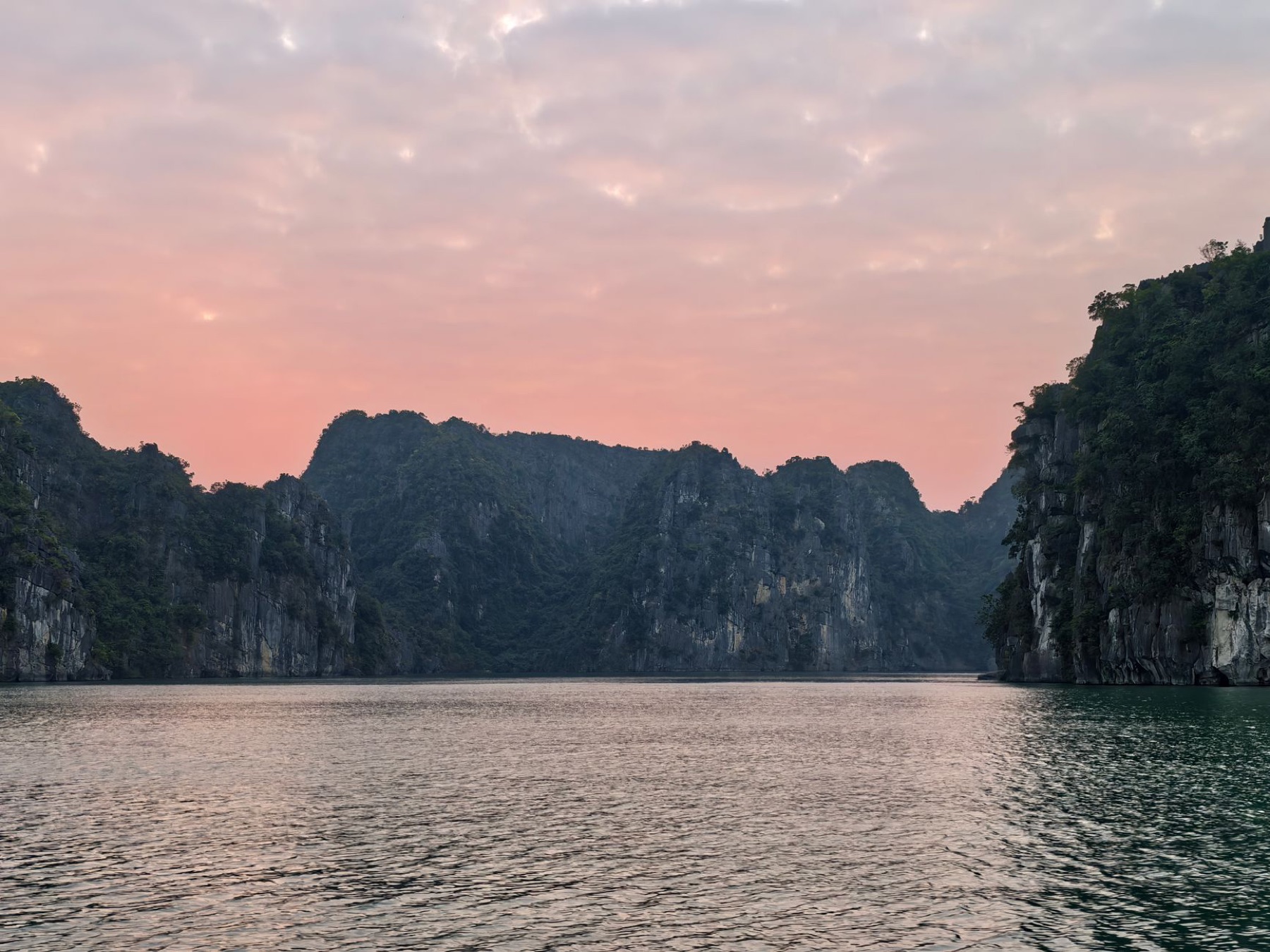
Can Tho lacks major historical monuments. Ong Pagoda (Phra Tiem Pagoda, central Ninh Kieu, free) is a 17th-century Chinese temple with decent architecture, open daily 8 am–5 pm, peaceful mid-afternoon when tour groups leave. Candle-making workshops and small temples dot the suburbs, but they're not destination-level. The real culture is the Mekong itself—the daily rhythm, the food, the way traders work—not museum pieces. If you're seeking temples, Ha Long Bay has grottoes; Hoi An has ancient architecture. Can Tho's strength is living landscape and food, not heritage sites.
How do you avoid scams and tourist traps?
Avoid these traps:
- Marked-up market tours: Agents at your hotel may quote 600,000–800,000 VND ($24–32) when riverside piers offer the same tour for 300,000–400,000 VND ($12–16). Walk to Ninh Kieu pier and negotiate directly.
- Fake homestays: Book through verified guesthouses or Vietnam itinerary planner, not random Facebook ads. Check if the place has a landline and consistent online presence.
- "Elephant rides" and animal "experiences": They don't exist in Can Tho, but if offered elsewhere in the Delta, refuse—animal welfare is poor.
- Taxi without a meter: Use Grab (ride-app, safer), agree on a fare before boarding cyclos, or arrange rides through your guesthouse.
- Currency exchange at tourist spots: Use ATMs (exchange rate 1:24,000 VND ≈ $1 USD, 2026 rate) or banks, not money-changers at tourist cafés.
---
What to check before you book a Can Tho tour or stay
- Booking platform: Use Vietnam itinerary tools or reputable platforms (Booking, Airbnb, homestay networks). Read recent reviews from non-tour-group users.
- Market timing: Confirm your tour departs before 5 am; anything later is sightseeing, not commerce.
- Language & pace: Check if your guide speaks your language. Private tours (pricier, 1.5–2 million VND / $60–80 for 4 hours) let you set speed; shared tours (400,000 VND / $16) are rushed but social.
- Rainy season: June–October brings flooding in some homestay areas. Confirm river navigability with your host before booking.
- Extensions: Can Tho works best as part of a Mekong loop—combine it with Ninh Binh (north, caves and hiking) or extend south to An Giang province for Phu Quoc overnight ferries.
---
📸 Book an ao dai photoshoot in Hanoi or Saigon (Cáo Studio) | 🎟️ Compare tours & tickets for this place
If you're visiting Vietnam for 1–2 weeks, Can Tho fits neatly into a Mekong Delta loop: Ho Chi Minh City → Can Tho (1–2 nights) → Vinh Long homestay (2 nights) → back to Saigon, or continue to Phu Quoc. Our Hanoi guide and Ho Chi Minh City guide have more links to regional explorations. For photographic memories of your trip, Cáo Studio in Hanoi and Saigon offers ao dai shoots and portrait sessions—consider booking one before you leave.
🗺️ Plan your route: Vietnam itinerary
---
#
FAQ
Is it worth staying overnight in Can Tho or should I day-trip from Ho Chi Minh City?
Staying overnight is worth it. The 3–4 hour drive exhausts you before a 5 am boat tour. A night in Can Tho (homestay or budget hotel, 500,000–800,000 VND / $20–32) lets you arrive fresh, explore the riverside evening, and board your tour rested. Day-tripping feels rushed.
Can you do the floating market on a motorbike tour instead of a boat?
No. Motorbikes can't navigate the narrow canals where market boats cluster. Boat tours (shared or private) are the only real access. Some tours combine river transport with motorbike excursions to orchards or villages afterward.
What's the best time of year to visit Can Tho?
November–February (dry, cool, 20–25°C). June–October brings rain, flooding in some areas, and mosquitoes. May is hot and humid. Floating markets operate year-round, but canals are easier to navigate in the dry season.
Should I hire a private guide in English or take a shared tour?
Shared tours (300,000–500,000 VND / $12–20) work fine for markets if your guide speaks English. Private guides (1.5–2.5 million VND / $60–100 per day) suit deeper dives or non-English speakers. Test with a shared tour first.
What's the cheapest and safest way to get from Ho Chi Minh City to Can Tho?
Shared minivans (sleeper or day buses, 150,000–250,000 VND / $6–10, 3–4 hours) via companies like Kumho or Phuong Trang are reliable. Grab or taxi for the first/last km. Flights (700,000–1.2 million VND / $28–48) are faster but less common for this short distance.
FAQ
Is it worth staying overnight in Can Tho or should I day-trip from Ho Chi Minh City?
Staying overnight is worth it. The 3–4 hour drive exhausts you before a 5 am boat tour. A night in Can Tho (homestay or budget hotel, 500,000–800,000 VND / $20–32) lets you arrive fresh, explore the riverside evening, and board your tour rested. Day-tripping feels rushed.
Can you do the floating market on a motorbike tour instead of a boat?
No. Motorbikes can't navigate the narrow canals where market boats cluster. Boat tours (shared or private) are the only real access. Some tours combine river transport with motorbike excursions to orchards or villages afterward.
What's the best time of year to visit Can Tho?
November–February (dry, cool, 20–25°C). June–October brings rain, flooding in some areas, and mosquitoes. May is hot and humid. Floating markets operate year-round, but canals are easier to navigate in the dry season.
Should I hire a private guide in English or take a shared tour?
Shared tours (300,000–500,000 VND / $12–20) work fine for markets if your guide speaks English. Private guides (1.5–2.5 million VND / $60–100 per day) suit deeper dives or non-English speakers. Test with a shared tour first.
What's the cheapest and safest way to get from Ho Chi Minh City to Can Tho?
Shared minivans (sleeper or day buses, 150,000–250,000 VND / $6–10, 3–4 hours) via companies like Kumho or Phuong Trang are reliable. Grab or taxi for the first/last km. Flights (700,000–1.2 million VND / $28–48) are faster but less common for this short distance.