Da Nang
Da Nang Travel Guide: Beaches, Food & Where to Stay 2026
By Wander in Vietnam editorial team · Hanoi, Vietnam
Da Nang, in Quang Nam Province, is a coastal hub 780 km south of Hanoi with 1.2 million residents and an economy built on tourism, shipping and manufacturing. The city splits into six districts; most visitors stay in Hai Chau (central, closest to My Khe Beach) or Son Tra (quieter, near Linh Ung Pagoda). Budget 2–3 days here as a stop between Hoi An (35 km south, 1 hour by bus) and Ha Long Bay or Ninh Binh in the north. Food, rooms and transport cost 30–50% less than Hanoi or Ho Chi Minh City. Skip the overpriced beachfront "seafood palaces" near Nguyen Van Trai; instead, walk into residential Hai Chau markets or Cat Hai Ward for grilled fish and prawns costing around 60,000–150,000 VND ($2.30–$5.75 USD) per dish. Wander in Vietnam recommends arriving with a Vietnam e-visa sorted and renting a motorbike (around 100,000–150,000 VND/$3.80–$5.75 USD per day from a hostel) to reach Linh Ung Pagoda, marble mountains, and quieter beaches north toward Son Tra. 🗺️ Plan your route: Vietnam itinerary
What's the real vibe—is Da Nang worth the stop?
Da Nang sits at a sweet spot: developed enough to have decent coffee, laundry and ATMs, but not yet saturated with tour groups like Hoi An. My Khe Beach is 4 km of sand that fills with Vietnamese families on weekends and empties on weekdays. The city itself has no major historical site (that's Hoi An's job) and no adventure-sports reputation (Sapa and Ha Long win there). It's a place to beach-walk, eat fresh seafood, and use as a jumping-off point. Skip it only if you're pressed for time and want to choose between Hoi An + Ha Long or Hanoi + Ho Chi Minh City; include it if you have 7+ days and want a coastal break.
Where should you actually stay—neighbourhoods that work?
Hai Chau District (central): Tran Hung Dao and Nguyen Van Trai streets cluster budget hostels, mid-range hotels and corner cafés. Walking distance to My Khe Beach (800 m), food markets, and the Han River promenade. Mornings are quieter; evenings fill with expat digital nomads and Vietnamese couples. Rooms range from dorm beds around 150,000 VND ($5.75 USD) to mid-range doubles around 400,000–600,000 VND ($15–$23 USD) per night. No major tourist trap hotels here—just honest guesthouses and local pho stalls.
Son Tra District (northeast): Higher altitude, cooler air, and close to Linh Ung Pagoda (Marble Mountains view). Fewer hotels, fewer tourists. Beaches here (Tien Sa, Bai But) are cleaner but rockier. Useful if you want peace; avoid if you need nightlife or want to stay within walking distance of everything.
Da Nang Beachfront (My Khe to south): Touristy; rooms cost 2–3× more, seafood prices are inflated, and the sand fills with loungers and parasol vendors. Go for the beach itself, not to stay here.
Quick neighbourhood decision table:
| Neighbourhood | Best for | Vibe | Motorbike needed? |
|---|---|---|---|
| Hai Chau (central) | Budget travellers, food seekers, walkability | Backpacker-friendly, casual | No |
| Son Tra | Quiet, nature access, locals | Peaceful, slower | Yes (to Pagoda) |
| Beachfront hotels | Beach lounging, sunset drinks | Touristy, pricey | No |
| Cat Hai Ward | Authentic eats, no tourists | Residential, real Vietnam | No |
What beaches and sights actually work—and which are tourist traps?
My Khe Beach: 4 km crescent, soft sand, free to use. Calm in morning (6–9 am), crowded by midday with school groups and families. Parasol rentals (around 50,000–100,000 VND/$1.90–$3.80 USD) and jet ski hustlers are standard; ignore the hustlers, agree prices upfront if you rent equipment. No scam, just annoying. Best for a lazy afternoon swim and sunset walk, not for serious beachcombing.
Linh Ung Pagoda (Marble Mountains): White Buddha statue on a peak with panoramic views. Entrance around 50,000 VND ($1.90 USD), though the pagoda itself asks for donation at the shrine (optional, no enforced fee). Reachable by motorbike (10 min from central Hai Chau) or uphill walk (30 min, hot). Go early (6–7 am) to avoid crowds and heat. Knees and feet around here are sacred; cover shoulders and knees.
Marble Mountains: Three peaks (Thuy, Moc, Hoa) south of the city with caves, temples and lookout paths. Entry around 40,000 VND ($1.50 USD) per mountain. Locals go for morning exercise; tourists go 9–11 am when tour buses arrive. Skip if you're short on time and already saw Linh Ung Pagoda.
Tien Sa Port / Non Nuoc Beach: North, quieter, fewer tourists, rockier sand. Nice for a walk if you have spare time; not a destination on its own.
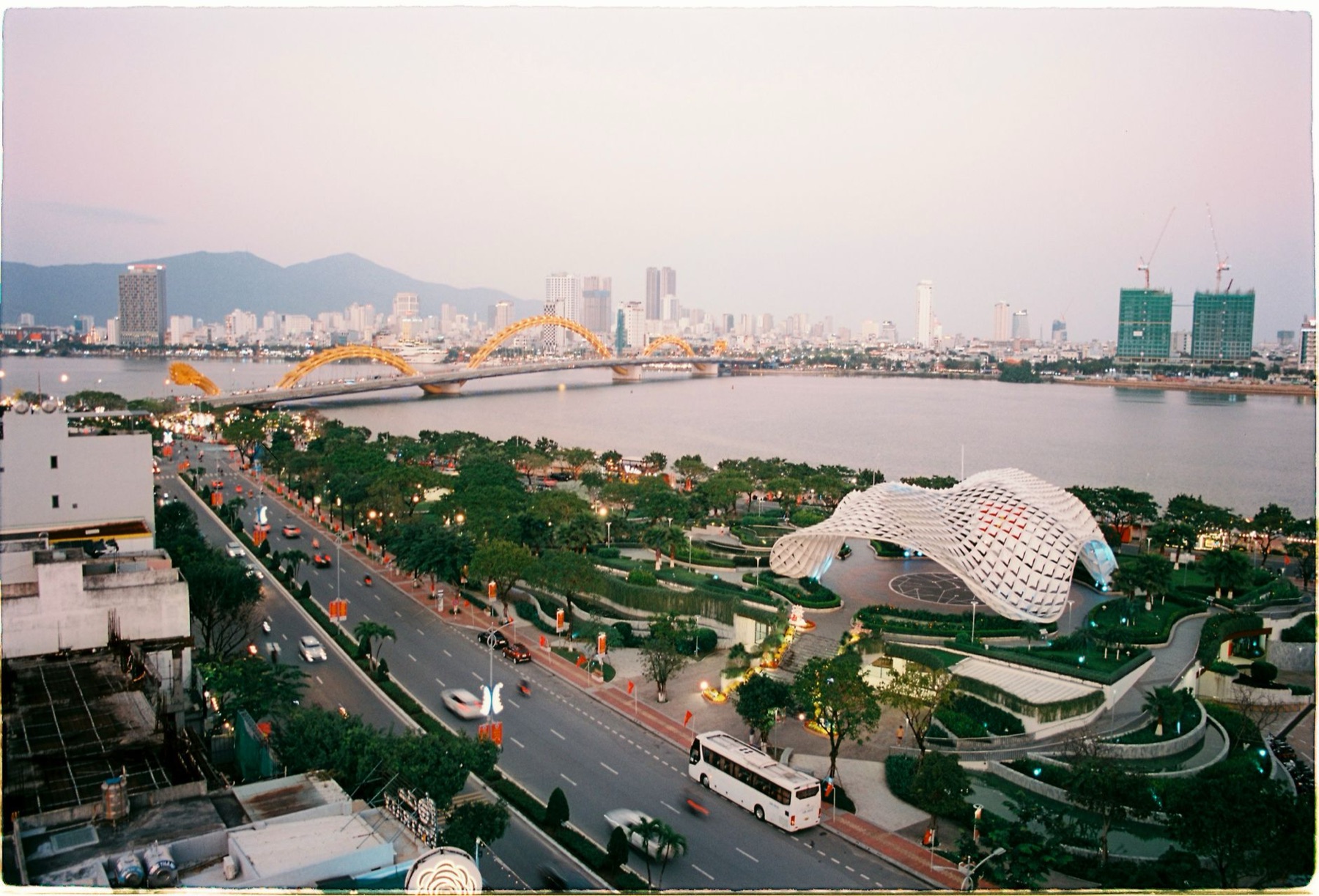
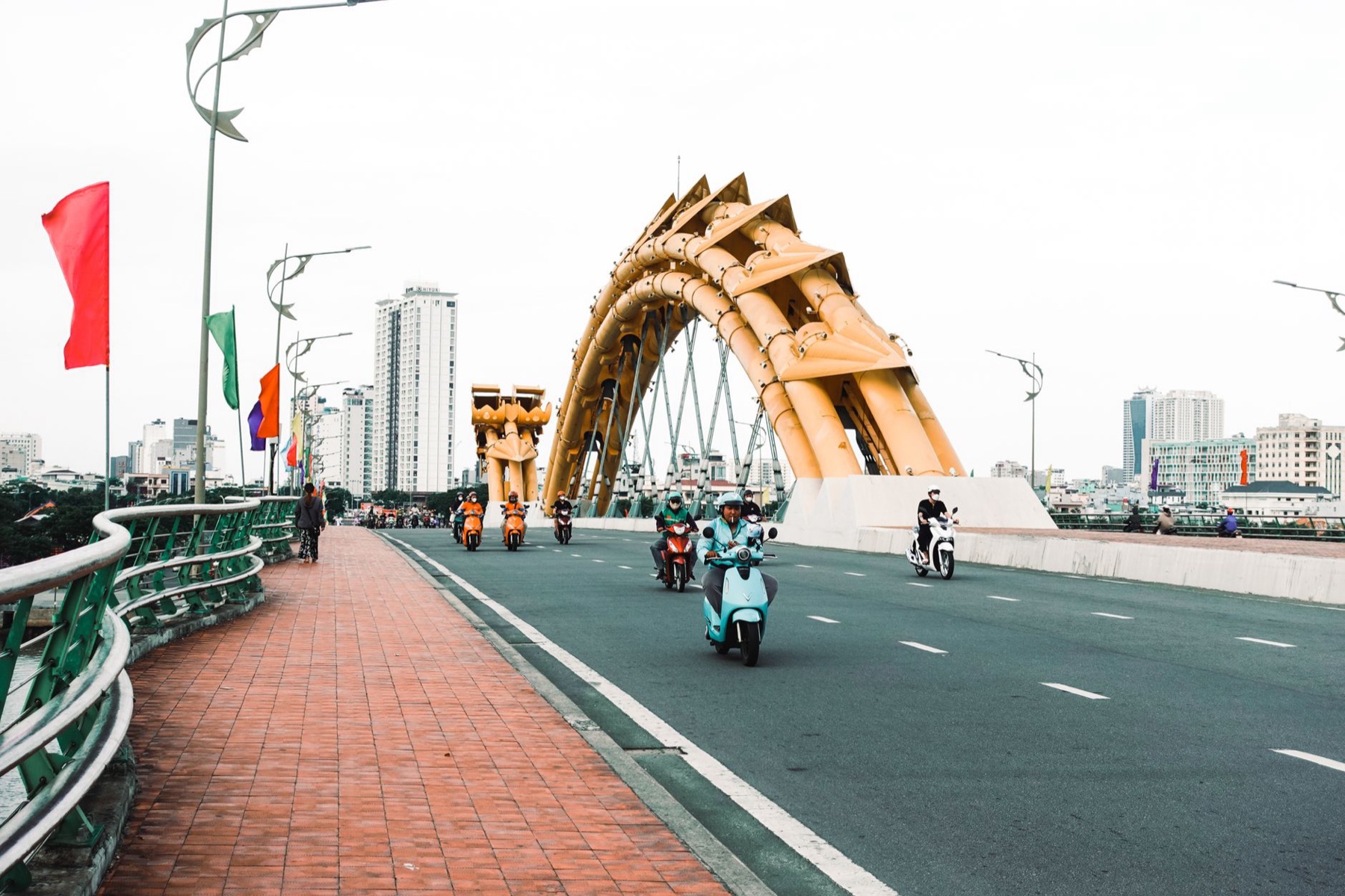
Skip entirely: "Dragon Bridge" (overrated, viewed from afar only, not a sight), "Love Bridge" photo ops (Instagram-bait), and organised "island tours" unless you want parasailing (and willing to haggle hard).
Where do locals actually eat—and what costs reality?
Han Market (Cho Han, Hai Chau District): Open 6 am–6 pm daily, ground floor is wet market (seafood, veg), second floor is food stalls. Go 7–8 am for breakfast (banh mi around 15,000–25,000 VND/$0.60–$0.95 USD; pho around 30,000–50,000 VND/$1.15–$1.90 USD). Vendors speak no English; point and smile. No tourist markup here.
Cat Hai Ward food stalls: Residential area, 15 min walk south from Hai Chau. Grilled squid and fish, prawn spring rolls, and fresh crab in plastic chairs on the street. Meals around 60,000–150,000 VND ($2.30–$5.75 USD) per dish. No English menus; photos help. Locals eat here; tourists almost never do.
Beachfront "Seafood Palaces" (Nguyen Van Trai strip): Prices 3–5× higher than markets (prawns around 300,000–500,000 VND/$11.50–$19.20 USD per kg, compared to 100,000–150,000 VND/$3.80–$5.75 USD at stalls). Tourist-facing, English menus, no scam—just pricey. Go once for the view; eat here every night and your budget dies.
Coffee culture: Espresso and milk coffee (ca phe sua da) around 20,000–40,000 VND ($0.75–$1.50 USD) at local cafés. International chains (Highlands, Trung Nguyen) cost 50,000–80,000 VND ($1.90–$3.05 USD). Corner coffee shops on Tran Hung Dao are cheaper and better for people-watching.
How do you actually get around—taxis, bikes, buses?
Motorbike rental: 100,000–150,000 VND ($3.80–$5.75 USD) per day from hostels or rental shops. International Driving Permit recommended (not always checked, but carry it). Helmets mandatory; police fine 200,000 VND ($7.65 USD) for no helmet. Petrol is cheap (around 20,000 VND/$0.75 USD per litre). Best for Linh Ung Pagoda, Marble Mountains, and beach-hopping.
Taxi apps (Grab, Be, VinFast): Grab is safest, starting fare around 15,000 VND ($0.60 USD), then 12,000 VND ($0.45 USD) per km. From central Hai Chau to My Khe Beach is around 30,000–50,000 VND ($1.15–$1.90 USD). No surge pricing during peak hours (unlike Bangkok or Hanoi). Drivers speak no English; show your hotel name in Vietnamese.
Public buses: 10,000 VND ($0.38 USD) per ride. Maps and stops are poorly signed; locals use them; tourists rarely do. Skip unless you're adventurous.
Cycling: Renting a bicycle around 30,000–50,000 VND ($1.15–$1.90 USD) per day is feasible for beach cruising and flat routes in Hai Chau. Hills toward Son Tra are brutal in midday heat.
Walking: Central Hai Chau is walkable; beyond that, motorbike or Grab is faster in heat.
📸 Book an ao dai photoshoot in Hanoi or Saigon (Cáo Studio)
Practical timing and what to pack—real constraints?
Best time to visit: Late October–April (22–28°C, low humidity, clear skies). May–September is hot, humid, and rainy (typhoons possible June–August). Book early if visiting Nov–Jan (Tet holiday period brings crowds).
How long to stay: 2 days (My Khe Beach + Linh Ung Pagoda, minimal walking). 3 days (add Marble Mountains, a market meal, and slow evening by the river). 4+ days only if you're beach-focused or want day trips to Hoi An (1 hour by bus, around 30,000 VND/$1.15 USD) or Hai Van Pass (scenic drive north, 2 hours).
Packing: Light, fast-dry clothes; flip-flops for beach and market. Sunscreen (local drugstores, around 100,000–200,000 VND/$3.80–$7.65 USD); sunglasses; light rain jacket for May–Sept. A reusable water bottle (fill at your hotel). Insect repellent only if visiting Marble Mountains at dusk.
Internet: Get a Vietnam eSIM before arrival (works everywhere) or buy a local SIM at Da Nang airport (Viettel, Mobifone, Vinaphone, around 50,000 VND/$1.90 USD for a card + 50 GB data). 4G is fast and reliable.
Cash: ATMs in Hai Chau pull up to 5 million VND ($191 USD) per withdrawal. Credit cards accepted at hotels and restaurant chains; markets are cash-only. Budget around 500,000–1,000,000 VND ($19–$38 USD) per day for budget travellers (hostels, street food, cheap transport).
What to pack as a souvenir: Da Nang produces silk scarves, lacquerware and marble sculptures sold in tourist shops (often overpriced). Honest gifts to bring home include Vietnamese coffee beans (from Han Market, around 100,000–150,000 VND/$3.80–$5.75 USD per packet) or a personalized keepsake item from our collections to commemorate your coastal stay. If you're documenting your trip, consider booking an ao dai photoshoot in our Saigon studio before or after Da Nang for professional travel portraits.
Real costs and budget planning—breakdown by day?
| Category | Daily budget (solo, mid-range traveller) | Notes |
|---|---|---|
| Hostel dorm or budget room | 150,000–400,000 VND ($5.75–$15.30 USD) | Hai Chau cheaper than beachfront |
| Meals (mix of market + casual restaurants) | 150,000–300,000 VND ($5.75–$11.50 USD) | Avoid beachfront "palaces" |
| Transport (motorbike rental amortised or daily Grab) | 50,000–100,000 VND ($1.90–$3.80 USD) | Grab is safest; bike is cheaper |
| Sights (Pagoda, Marble Mountains) | 50,000–100,000 VND ($1.90–$3.80 USD) | No entrance fees to My Khe Beach |
| Coffee, snacks, extras | 50,000–100,000 VND ($1.90–$3.80 USD) | Local cafés are cheap |
| Total per day (low estimate) | 500,000 VND ($19.20 USD) | Shared hostel, market food, walking |
| Total per day (comfortable mid-range) | 1,000,000–1,500,000 VND ($38–$57.50 USD) | Private room, mix of eats, guided tours |
3-day sample itinerary (budget version):
- Day 1: Arrive, settle in Hai Chau, walk to My Khe Beach at sunset, eat at Han Market or Cat Hai stalls (total: ~700,000 VND/$26.80 USD).
- Day 2: Motorbike to Linh Ung Pagoda early, lunch at a roadside pho stall, afternoon swim, evening river walk (total: ~600,000 VND/$23 USD).
- Day 3: Explore Marble Mountains or day trip to Hoi An by bus, dinner at a beachfront café, depart next morning (total: ~800,000 VND/$30.70 USD).
---
🎟️ Compare tours & tickets for this place
What to check before you book—honest gotchas?
Booking a room: Check photos carefully for mould or water damage in budget places; confirm Wi-Fi speed (crucial for remote work). Beachfront hotels auto-charge resort fees (50,000–200,000 VND/$1.90–$7.65 USD per night) not visible online; email to confirm total price.
Renting a motorbike: Inspect brakes and tyres before paying; take a photo of any existing damage. Gas tank should be full on pickup. Keep your passport copy (not original) in case of police stops; carry an International Driving Permit.
Eating at market stalls: Watch the vendor cook; turn away if fish looks dull or prawns smell off. Prices should be posted or quoted upfront; no hidden surcharges. Tap water isn't drinkable; drink bottled water (around 5,000–10,000 VND/$0.19–$0.38 USD per bottle) or ask your hotel for filtered water to refill bottles.
Booking tours: Avoid agency desks in beachfront hotels and tourist streets (40–50% markup). Book direct with hostels or ask locals for recommendations. Typical boat tours cost 300,000–600,000 VND ($11.50–$23 USD) including lunch; compare before committing.
Typhoon season (June–August): Beaches close, flights delay, and tour cancellations happen. Travel insurance is essential; check the forecast before booking.
---
🗺️ Explore more of Vietnam: Hanoi | Ho Chi Minh City | Sapa | Ninh Binh
FAQ
How many days should I spend in Da Nang?
Two days covers My Khe Beach and Linh Ung Pagoda. Three days adds Marble Mountains and a market meal. Stay longer only if beach-focused or doing day trips to Hoi An (1 hour south) or north toward Ha Long Bay.
Is Da Nang safe for solo travellers?
Yes. Petty theft from bags on motorbikes happens; don't leave valuables unattended. Police are helpful; no violent crime targeting tourists. Women solo travellers report no harassment beyond standard street vendors in tourist areas.
Should I skip the beachfront seafood restaurants?
Not entirely. Go once for the view and sunset; know prices are 3–5× higher than street stalls. For daily meals, eat at Han Market or Cat Hai Ward instead.
What's the fastest way to get to Hoi An from Da Nang?
Bus (Futa or Viet Thanh lines, 30 km, 1 hour, around 30,000 VND/$1.15 USD) is cheapest. Grab or taxi is faster (45 min, around 200,000–300,000 VND/$7.65–$11.50 USD depending on traffic) and useful if you have luggage.
Do I need a motorbike licence or IDP to rent a motorbike?
Legally, an International Driving Permit is required; police rarely check tourist areas, but carry it. Hostels rent without checking; proper rental shops request it. No IDP? Use Grab or taxis instead.
What's the best time of year to visit?
Late October–April (warm, dry). May–September is hot, humid, and typhoon-prone; sights close if storms hit. Book early for Nov–Jan (Tet holiday crowds).
Can I bring travel souvenirs home—what's worth buying?
Coffee beans from Han Market (around 100,000–150,000 VND/$3.80–$5.75 USD per packet) are genuine and lighter than marble sculptures. Silk scarves and lacquerware are sold everywhere but often overpriced. A personalized gift or keepsake from our collections captures your trip authentically.
Is travel insurance necessary for Da Nang?
Yes, if June–August (typhoon season). Flights delay or cancel; the policy covers refunds or rebooking. Optional for other months unless you're doing water sports or renting a motorbike.
FAQ
How many days should I spend in Da Nang?
Two days covers My Khe Beach and Linh Ung Pagoda. Three days adds Marble Mountains and a market meal. Stay longer only if beach-focused or doing day trips to Hoi An (1 hour south) or north toward Ha Long Bay.
Is Da Nang safe for solo travellers?
Yes. Petty theft from bags on motorbikes happens; don't leave valuables unattended. Police are helpful; no violent crime targeting tourists. Women solo travellers report no harassment beyond standard street vendors in tourist areas.
Should I skip the beachfront seafood restaurants?
Not entirely. Go once for the view and sunset; know prices are 3–5× higher than street stalls. For daily meals, eat at Han Market or Cat Hai Ward instead.
What's the fastest way to get to Hoi An from Da Nang?
Bus (Futa or Viet Thanh lines, 30 km, 1 hour, around 30,000 VND/$1.15 USD) is cheapest. Grab or taxi is faster (45 min, around 200,000–300,000 VND/$7.65–$11.50 USD depending on traffic) and useful if you have luggage.
Do I need a motorbike licence or IDP to rent a motorbike?
Legally, an International Driving Permit is required; police rarely check tourist areas, but carry it. Hostels rent without checking; proper rental shops request it. No IDP? Use Grab or taxis instead.
What's the best time of year to visit?
Late October–April (warm, dry). May–September is hot, humid, and typhoon-prone; sights close if storms hit. Book early for Nov–Jan (Tet holiday crowds).
Can I bring travel souvenirs home—what's worth buying?
Coffee beans from Han Market (around 100,000–150,000 VND/$3.80–$5.75 USD per packet) are genuine and lighter than marble sculptures. Silk scarves and lacquerware are sold everywhere but often overpriced. A personalized gift or keepsake from our [collections](/collections/gifts) captures your trip authentically.
Is travel insurance necessary for Da Nang?
Yes, if June–August (typhoon season). Flights delay or cancel; the policy covers refunds or rebooking. Optional for other months unless you're doing water sports or renting a motorbike.
More: Da Nang travel guide