Vietnam
Day Trips from Can Tho: Mekong Rural Routes & Floating Markets
By Wander in Vietnam editorial team · Hanoi, Vietnam
The Mekong Delta around Can Tho offers five main day-trip zones: Cai Rang Floating Market (6 km north, 2–3 hours early morning), Phong Dien Floating Market (30 km west, full-day), Cai Be district (40 km north, 4–5 hours), Thu Dau Mot village homestays (25 km south-west, half-day), and Tan Phu islet orchards (35 km east). Most trips run 4–6 hours; boats cost around 600,000–1,500,000 VND ($24–60 USD) per group depending on distance and group size. Early starts (5–6 a.m.) are essential for floating markets before tour crowds arrive by 8 a.m. Wander in Vietnam recommends booking directly with boat owners at the docks rather than through hotel middlemen who add 30–50% markup. Avoid "breakfast tours" at inflated tourist restaurants near markets; instead, eat at dock-side stalls where locals queue. Always agree on price and duration before boarding; "surprise" fuel charges are common. --- 🗺️ Plan your route: Vietnam itinerary
Which floating market should I visit—Cai Rang or Phong Dien?
Cai Rang (6 km from Can Tho city center, 30 minutes by motorbike or 45 by taxi) operates year-round, busiest 5–7 a.m., quieter by 9 a.m. You'll see wholesale fruit and vegetable boats trading with retailers; mostly Vietnamese traders, smaller crowds before 7 a.m. Phong Dien (30 km away, 1–1.5 hours drive) starts later (6–8 a.m.), stays active longer, and attracts more international tours and souvenir stalls. For authenticity and fewer tourists, choose Cai Rang early; for a longer, more relaxed float and a full-day adventure, Phong Dien works better.
What's the honest cost of a boat tour, and what's included?
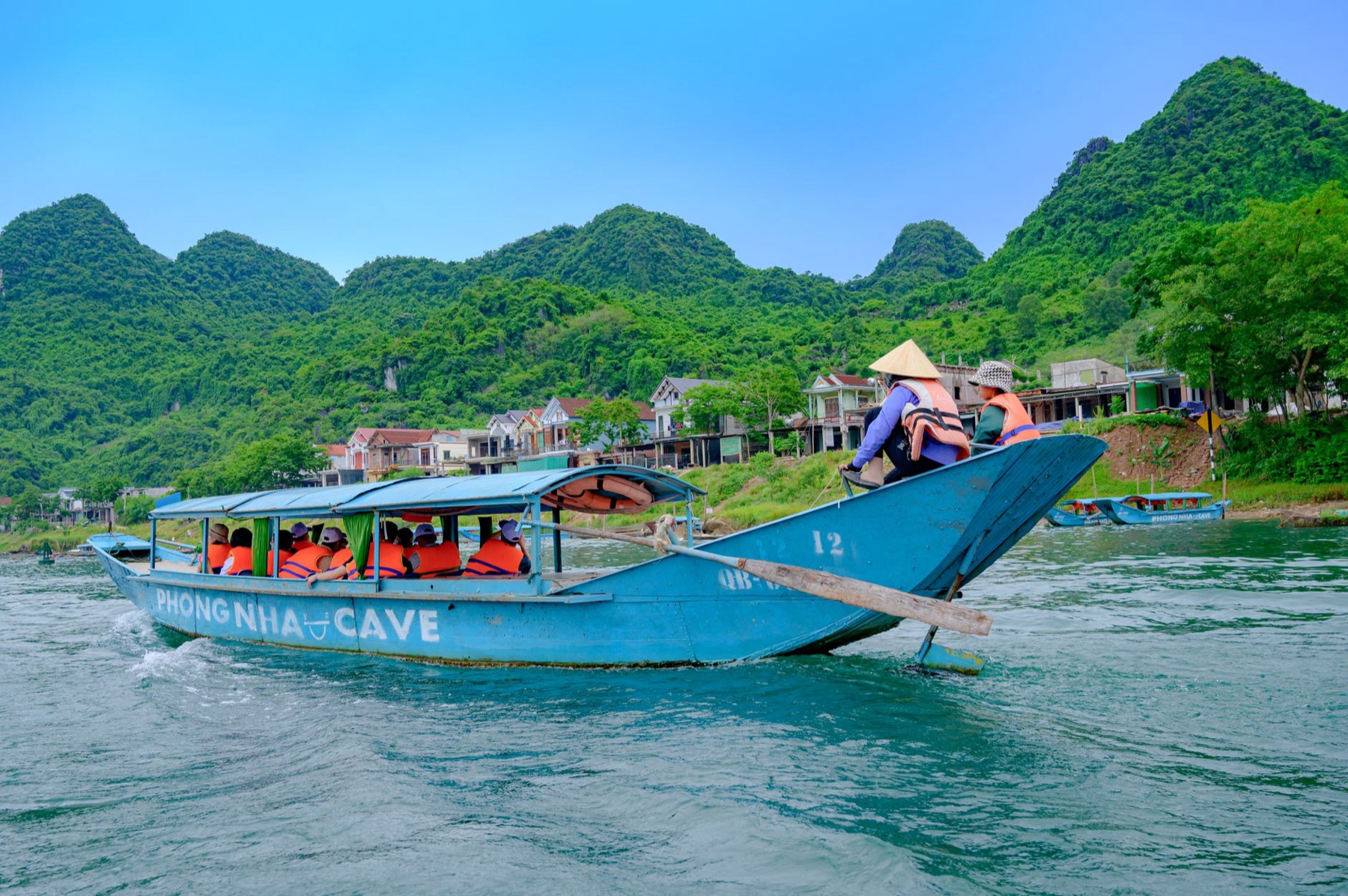
Standard small private boats (4–8 people) cost 600,000–900,000 VND ($24–36 USD) total per group for 2–3 hours at Cai Rang, or 1,200,000–1,500,000 VND ($48–60 USD) for a 5–6 hour Phong Dien trip. Prices vary by boat owner, season, and fuel; always confirm before departure. Inclusion: boat, driver (usually bilingual), and access to the market. Breakfast at stalls (noodles, fresh fruit) adds 100,000–200,000 VND ($4–8 USD) per person. Hotels and tour operators routinely charge 2–3x more by booking commission. Tip: walk to the dock yourself and negotiate directly with boat captains, saving 30–50% and ensuring the driver gets fair income. Ask the price in VND, get a written note, and clarify whether fuel surcharges apply if you add extra stops.
How do I avoid tourist scams on Mekong tours?
Common traps: (1) "Breakfast" packages that ferry you to overpriced restaurants instead of local noodle stalls—agree to eat where you want before boarding. (2) Extra fees claimed mid-trip ("fuel charge," "guide tip," "entrance fee") that weren't quoted upfront. (3) Fake tour guides who claim to be "official"; always book through docks or trusted guesthouses. (4) Inflated prices for solo travelers or couples—join a group on WhatsApp traveler forums to split costs. (5) Touts offering "private" boat tours at docks; these often steer you to their commission shops rather than places you want. Verify all prices in writing beforehand, pay nothing until the boat leaves the dock, and travel with at least one other person.
What's worth visiting beyond floating markets—are rice paddies and orchards worth a day?
Phong Dien and Tan Phu islands combine floating markets with orchard tours and homestay meals. You'll see fruit farms (dragon fruit, mango, coconut), meet farmers, and eat lunch cooked in their homes—authentic Mekong rural experience. These take 5–7 hours round-trip and cost 1,000,000–1,800,000 VND ($40–72 USD) per group including meals. Thu Dau Mot village homestays (half-day, 25 km) focus on fishing nets, rice paper workshops, and local food—quieter, fewer international tourists. Rice paddies are largely seasonal; best November–May. If you're short on time, combine one market visit with a single homestay; if staying 2+ days, do separate market and farming/village trips.
Should I hire a motorbike guide, take a group tour, or go solo?
| Option | Best for | Reality | Rough cost (VND) |
|---|---|---|---|
| Self-drive motorbike | Independent travelers, groups | Stressful traffic, get lost easily, fuel ~50k VND | 100k–300k (fuel, rental) |
| Hired motorbike driver | Solo travelers, luggage | Safer, flexible timing, tip driver 200k–300k | 400k–800k (gas + driver) |
| Booked group tour | Comfort, meeting people, early morning guarantee | Large crowds, hotel markup 50–100%, fixed itinerary | 1.2m–2.5m (full day) |
| Direct dock booking | Budget, authenticity, best money to locals | Earlier start (5 a.m.), negotiate yourself, language barrier possible | 600k–1.5m (full day) |
Honest take: Self-driving requires Vietnam driving confidence and navigation; hired drivers work best for first visits; group tours guarantee logistics but inflate prices; dock bookings offer best value if you speak basic Vietnamese or travel with a local friend.
📸 Book an ao dai photoshoot in Hanoi or Saigon (Cáo Studio)
What's the best time of year for Mekong day trips—and how does weather affect plans?
Floating markets run year-round, but June–October monsoon brings heavy rain, choppy water, and muddy docks—trips are doable but less pleasant. November–May is dry and sunny; January–February is peak season (more boats, higher prices, crowded by 8 a.m.). April–May are hot but manageable; fruit harvest is best August–October despite rain. Early mornings (5–7 a.m.) are cooler and guarantee fewer tourists at markets. Afternoon visits (1–4 p.m.) mean calmer boats but fewer vendors and fish activity. Pick November–March for comfort; go by 6 a.m. any season to beat crowds and see the market at its most active.
---
What souvenirs and gifts make sense for Mekong trips?
Beyond photos, consider handmade crafts from local artisans you meet: woven baskets, coconut shell products, or rice paper. Back home, keepsakes and personalized prints allow you to preserve trip memories—star maps of the date you visited Can Tho, or engraved boxes for market finds. These make meaningful gifts that reflect the Delta's agricultural heartland better than generic "I survived the Mekong" t-shirts sold at tourist stalls.
🎟️ Compare tours & tickets for this place
---
Travel logistics: transport to Can Tho and onward planning
Can Tho airport (Phú Cát, 10 km from city center) has daily flights from Hanoi (1 hour 45 minutes) and Ho Chi Minh City (1 hour). Buses also connect HCMC (3–4 hours, cheap but slow). Once in Can Tho, taxis or Grab rides to docks cost 50,000–150,000 VND ($2–6 USD). If building a larger Mekong itinerary, consider adding Ha Long Bay (northeast, 10+ hours, limestone karsts) or Ninh Binh (north, 8–10 hours, caves and valleys) for variety. Many travelers combine Can Tho with Ho Chi Minh City (nearby, 2 hours south)—see Ho Chi Minh City guide for city-based days. For broader Delta exploration, Vietnam itinerary planner helps map multi-stop routes.
---
What to check before you book a day trip
- Boat condition: Ask to see the boat first; ensure life jackets present and engine sounds normal.
- Driver communication: Does the boatman speak enough English (or your language) to explain what you're seeing? Miscommunication ruins half-day trips.
- Included meals: Confirm where breakfast/lunch happens and whether food is cooked fresh or reheated restaurant stock.
- Weather: Check forecast; avoid heavy rain days (boats rock, markets close early).
- Solo traveler surcharge: Some operators charge double for solo bookings; negotiate or find a travel buddy.
- Exit strategy: Know how you're getting back to your hotel (driver returns, or do you find your own way?).
- No "surprise" fees: Ask explicitly: "Are there any charges not mentioned—fuel, entrance, guide tip, insurance?"
---
🗺️ Plan your route: Vietnam itinerary | 📸 Book an ao dai photoshoot in Hanoi or Saigon (Cáo Studio)
---
How does Can Tho fit into a wider Vietnam trip?
Can Tho is most logical as a 2–3 day Mekong delta base when traveling between Ho Chi Minh City and other southern destinations. From Can Tho, you can day-trip the floating markets, sleep, and move on. But if you're building a month-long Vietnam route, consider Sapa (north, rice terraces), Hanoi (capital, Old Quarter), Hoi An (central coast, ancient town), and Ha Long Bay (northeast, UNESCO site) for geographic and cultural variety. Longer stays (5+ days) let you slow-travel the Delta, renting a motorbike and visiting smaller villages the tour industry hasn't reached. Check Vietnam e-visa requirements and grab a Vietnam eSIM for reliable mobile data while navigating.
---
FAQ
What's the earliest I should arrive at Cai Rang to avoid crowds?
Arrive by 5:30 a.m. for quietest trading; peak tour crowds hit by 8 a.m. Most active vendors depart by 9–10 a.m. Early starts mean colder, darker shooting conditions but authentic market chaos and fewer selfie sticks.
Is it safe to travel alone to Mekong villages as a solo female traveler?
Yes; petty theft is rare on boats and in villages. Main risks are sunburn, dehydration, and language confusion leading to overpayment. Travel during daylight, carry water, use sunscreen, and bring a phrasebook or Google Translate. Pair up with other backpackers at hostels if you prefer company.
Can I bring a large camera or drone to floating markets?
Cameras are fine; drones are legally restricted near the Mekong in Can Tho province without permits. Boats are cramped; bring a compact camera and waterproof phone case. Fishermen may ask you not to photograph their faces—respect this.
How much should I tip a boat driver, and is it expected?
Tipping isn't mandatory but drivers earn modest incomes; 100,000–200,000 VND ($4–8 USD) is appreciated after a good 4–6 hour tour. Negotiate the boat price fairly upfront so tipping feels voluntary, not obligatory.
What if I get seasick on the boat—should I worry?
Floating markets happen on calm, slow-moving water, not ocean swells; seasickness is rare. If you're prone to motion sickness, take ginger or medication an hour before boarding, sit in the center (not the bow), and focus on the horizon. Longer Phong Dien trips are smoother than short canal tours.
Can I visit both Cai Rang and Phong Dien in one day?
Technically yes, but exhausting: Cai Rang (2–3 hours, early morning), 1.5-hour drive, Phong Dien (3–4 hours, mid-morning to afternoon). You'd skip breakfast and lunch at local spots. Better to do one market deeply and add a village or orchard tour instead.
FAQ
What's the earliest I should arrive at Cai Rang to avoid crowds?
Arrive by 5:30 a.m. for quietest trading; peak tour crowds hit by 8 a.m. Most active vendors depart by 9–10 a.m. Early starts mean colder, darker shooting conditions but authentic market chaos and fewer selfie sticks.
Is it safe to travel alone to Mekong villages as a solo female traveler?
Yes; petty theft is rare on boats and in villages. Main risks are sunburn, dehydration, and language confusion leading to overpayment. Travel during daylight, carry water, use sunscreen, and bring a phrasebook or Google Translate. Pair up with other backpackers at hostels if you prefer company.
Can I bring a large camera or drone to floating markets?
Cameras are fine; drones are legally restricted near the Mekong in Can Tho province without permits. Boats are cramped; bring a compact camera and waterproof phone case. Fishermen may ask you not to photograph their faces—respect this.
How much should I tip a boat driver, and is it expected?
Tipping isn't mandatory but drivers earn modest incomes; 100,000–200,000 VND ($4–8 USD) is appreciated after a good 4–6 hour tour. Negotiate the boat price fairly upfront so tipping feels voluntary, not obligatory.
What if I get seasick on the boat—should I worry?
Floating markets happen on calm, slow-moving water, not ocean swells; seasickness is rare. If you're prone to motion sickness, take ginger or medication an hour before boarding, sit in the center (not the bow), and focus on the horizon. Longer Phong Dien trips are smoother than short canal tours.
Can I visit both Cai Rang and Phong Dien in one day?
Technically yes, but exhausting: Cai Rang (2–3 hours, early morning), 1.5-hour drive, Phong Dien (3–4 hours, mid-morning to afternoon). You'd skip breakfast and lunch at local spots. Better to do one market deeply and add a village or orchard tour instead.