Ha Giang
Day Trips from Ha Giang: Best Routes & What to Bring
By Wander in Vietnam editorial team · Hanoi, Vietnam
Ha Giang's day trips centre on three main circuits: the northern loop (Dong Van–Meo Vac–Yen Minh, 70–100 km by motorbike, 8–10 hours with stops), the southern loop (Tuan Chau–Tan Trai–Phi Long, 60 km, 6–8 hours), and the dual-pass route combining both in one exhausting push (120+ km, 12 hours, not recommended). All routes wind through limestone plateaus, remote Hmong and Dao villages, and stunning passes; motorbike hire runs around 150,000–250,000 VND/day ($6–10 USD). Guides cost 400,000–800,000 VND ($16–32 USD). Most travellers skip the afternoon descent fog risk and miss taking keepsakes back—consider locally-made textiles or a custom photo print from your journey to share with friends. Wander in Vietnam recommends starting early (5:30 a.m.) to avoid return traffic jams at Hanoi's southern exit gates around 8 p.m. ---
What makes the northern loop worth the full day?
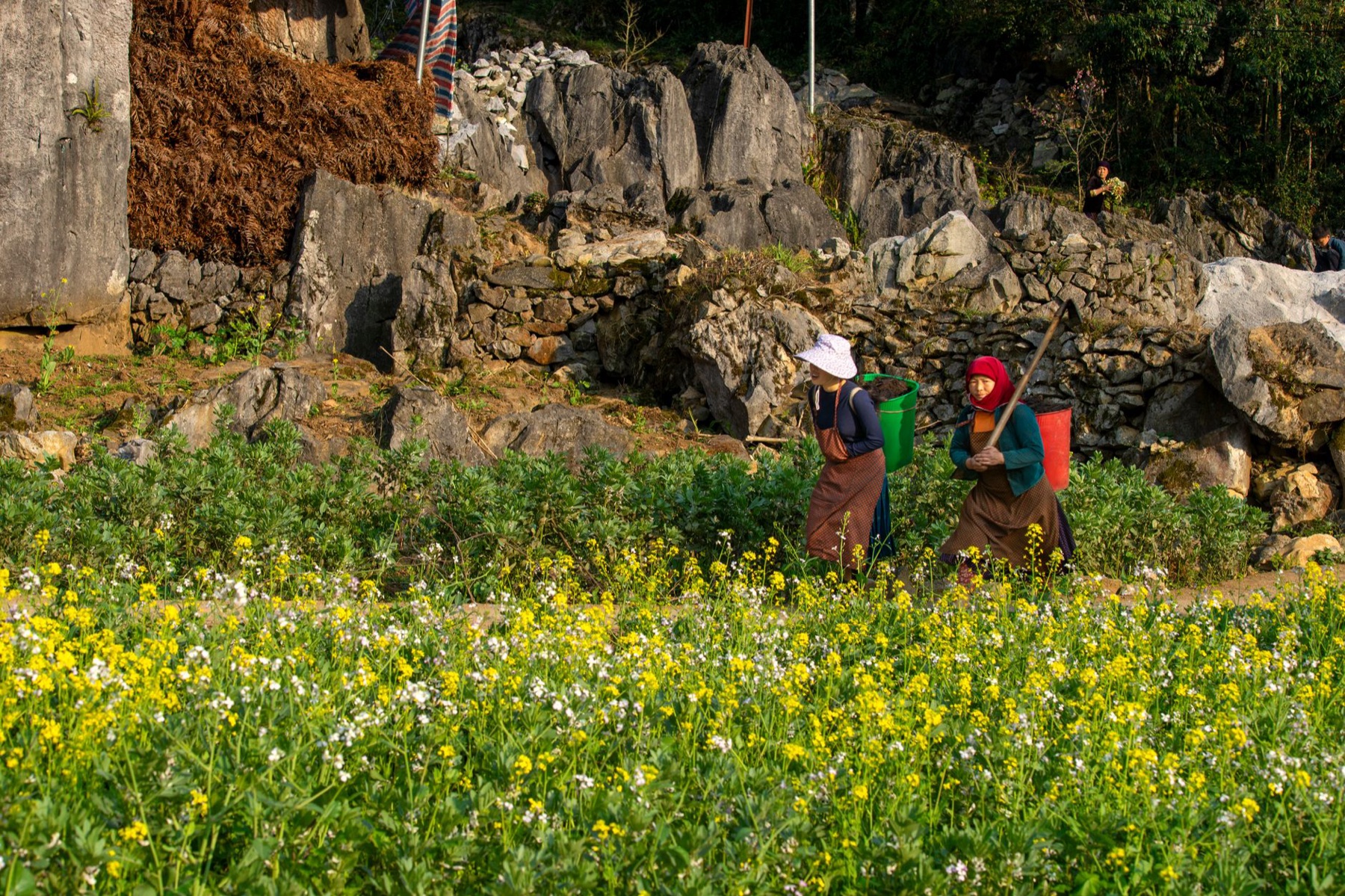
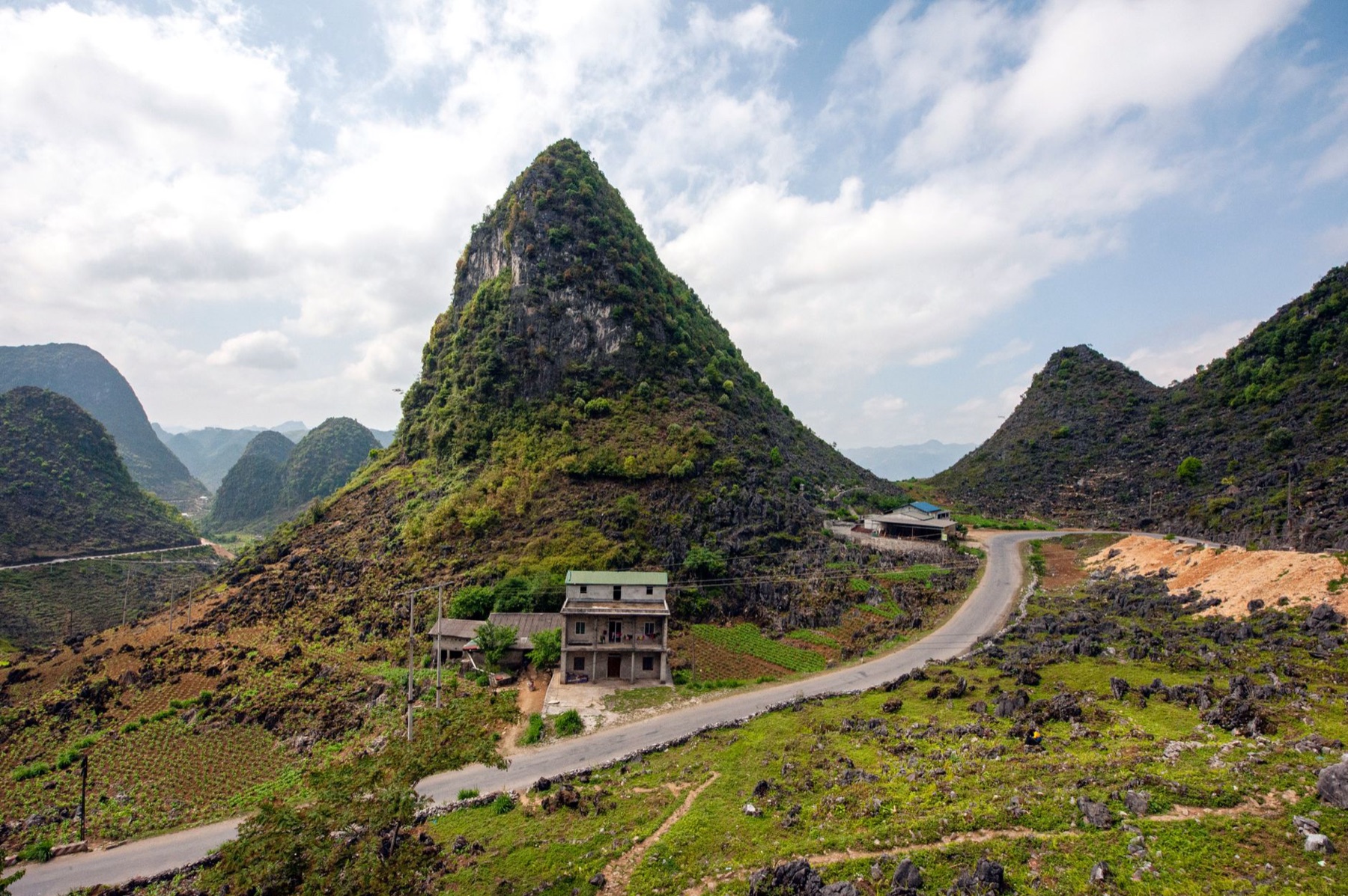
The northern loop—Dong Van → Meo Vac → Yen Minh → back—covers 70–100 km and takes 8–10 hours with proper stops. You'll cross two dramatic passes (Ngu Chinh, 1,600 m, and Yen Minh Gate), visit authentic Hmong homestays, and reach Lung Cu flag tower overlooking the border. The route feels remote but is bikeable on a 110 cc semi-automatic bike. Start by 5:30 a.m. from Dong Van town to clear Ngu Chinh Pass before midday clouds; pack rain gear and snacks because roadside food options are sparse. Stop at the war history sites near Meo Vac (no entry fee) and the Queen Mother's Temple (free) rather than paid tourist checkpoints. Return to Dong Van by 6–7 p.m. to avoid riding in the dark on unpaved final sections. The northern loop is best for motorbike-confident riders; first-timers should hire a driver-guide.
Should you combine both loops in one brutal day?
Attempting the full dual loop (120+ km, 12+ hours including Dong Van → Tuan Chau → Tan Trai → Phi Long → back) is possible but exhausting and risky. You'll ride tired through the afternoon, lose the chance to sit and observe village life, and return to Hanoi near midnight. The southern loop alone (Tuan Chau–Tan Trai–Phi Long, 60 km, 6–8 hours) is gentler terrain, quieter than the north, and still offers minority villages and valley views without the high-altitude fatigue. If you have two days, split them: northern loop day one, southern loop day two. If locked into one day, stick to one loop and hire a guide who knows where to stop meaningfully rather than just rack up kilometres.
What's the real cost per person, no surprises?
Budget around 900,000–1,500,000 VND ($36–60 USD) per person for a full day trip from Ha Giang town, assuming shared costs. Breakdown: motorbike hire 150,000–250,000 VND ($6–10 USD), petrol 50,000–80,000 VND ($2–3 USD), guide (if shared group of 3–4) 100,000–200,000 VND ($4–8 USD), meals at local eateries 100,000–150,000 VND ($4–6 USD), incidentals (temple donations, photo prints, bottled water) 150,000–250,000 VND ($6–10 USD). Don't book "official" tour packages from Hanoi travel agencies; they add 200–300% markup. Instead, hire directly at motorbike rental shops in Dong Van town or arrange through your guesthouse. Avoid paying upfront to online travel sites; agree verbally with your guide and pay cash in VND at the end. Many guides expect small tips (50,000–100,000 VND / $2–4 USD) if you're happy.
| Route | Distance | Duration | Best for | Rough Cost/Person |
|---|---|---|---|---|
| Northern Loop | 70–100 km | 8–10 hrs | Experienced riders, high-altitude views | 900K–1.2M VND |
| Southern Loop | 60 km | 6–8 hrs | Easier pace, quieter villages | 700K–1M VND |
| Dual Loop (one day) | 120+ km | 12+ hrs | Completionists only, not recommended | 1.2M–1.5M VND |
🗺️ Plan your route: Vietnam itinerary
How do you actually prepare without a guide's local knowledge?
Hire a guide for your first Ha Giang day trip; they know where rocks have collapsed this season, which villages welcome visitors, and which checkpoints are performative. A good guide costs 400,000–800,000 VND ($16–32 USD) but saves you hours of wrong turns and isolation. Before you go, load offline maps on your phone (Google Maps + Grab work patchy here), bring 200,000 VND in cash for petrol and food, pack a rain jacket and helmet (most rentals have old ones), and tell your guesthouse your route and return time. Eat breakfast before 5:30 a.m. departure; mid-day meals at Meo Vac town or roadside Hmong stalls are hit-or-miss in timing. Bring a portable phone charger; no charging stations exist on the loops. Ride defensive—oncoming vehicles do not slow down on narrow passes. If it's your first time on a semi-automatic motorbike, rent in Hanoi first or hire a driver.
What do travellers regret not bringing back home?
After a day in the landscape, many wish they'd brought something tangible to remind friends of the experience. Printed photo books or custom star-map prints marking your trip date and location are thoughtful, non-touristy keepsakes. Locally-woven textiles (scarves, pouches) from Hmong women encountered on the route are genuine and support artisans directly—spend 100,000–300,000 VND ($4–12 USD) on a scarf and you're investing in their income, not a reseller. Avoid mass-produced "Ha Giang" t-shirts from town shops; they're made in Hanoi factories. If you've shared a meal with a guide, a small thank-you gift—tea, a pocket calendar, or a photo print of you together—means more than extra cash and creates lasting connection.
🎁 Browse thoughtful travel keepsakes | 📸 Capture memories with a custom photo print
---
When is the worst time to attempt a day trip?
Avoid June–September monsoon months; afternoon rainfall is heavy, visibility drops to 50 metres, and roads turn to mud. November–March is dry and clear, though mornings (5–8 a.m.) are cold (10–15°C) at high altitude—bring a jacket. Mist clears by 10–11 a.m. but returns by 3–4 p.m., which is why early starts matter. Sunday is busier (local market day in Dong Van); weekdays feel quieter. If you see dark clouds forming over the eastern ridge around noon, turn back; flash flooding in gullies kills riders each year. Never ride at night on these routes—no street lights, potholes hidden, and locals on the road are unpredictable.
---
What to Check Before You Go
- Bike condition: Test brakes, lights, horn in daylight before leaving. A faulty rear light means no one sees you on the pass.
- Route consensus: Ask three different guides where to stop; the overlap tells you the honest must-sees.
- Weather forecast: Check weather.com or your phone's weather app the night before; skip if rain is forecast between 1–5 p.m.
- Fuel calculation: Ask your guide how many litres you'll need; never start with less than half a tank.
- Return route: Clarify the return journey (same route, or alternate loop home?); some guides assume shorter detours that backfire in darkness.
- Payment terms: Agree on guide fee, motorbike hire, and petrol coverage upfront—no "we calculate later" ambiguity.
---
Related Reading
Read our full Ha Giang province guide for longer stays, homestay recommendations, and rainy-day alternatives.
🗺️ Plan your route: Vietnam itinerary | 📸 Book an ao dai photoshoot in Hanoi or Saigon (Cáo Studio)
Heading north from Ha Giang? See Sapa guide for similar high-altitude trekking. Coming from Hanoi? Check the Hanoi guide for the easiest bike-rental shops and travel-prep resources. If you're planning a longer Vietnam arc, visit Vietnam e-visa and eSIM for Vietnam to avoid entry delays.
🎟️ Compare tours & tickets for this place
---
FAQ
Can I do a Ha Giang day trip on a bicycle instead of a motorbike?
No. The terrain is steep, unpaved sections are 20+ km, and you'd need 14+ hours in saddle. Motorbikes are necessary. E-bikes don't have the power for 1,600 m passes.
Is hiring a driver cheaper than renting a motorbike and self-riding?
Similar cost overall. Motorbike rental is 150–250K VND; a private driver-guide is 400–800K VND. For 3–4 people sharing a driver, it's cheaper and safer.
What language do Ha Giang guides speak?
Most speak Vietnamese and broken English (10–30-word level). Hire a bilingual guide from your guesthouse if fluent English matters. Cost is slightly higher (600–1M VND) but communication is smoother.
Do I need an international driving permit to rent a motorbike?
Not legally enforced at rental shops, but police checkpoints expect a permit or your passport. Carry both. Fines for missing documents are 500K–1M VND.
Which homestays on the loop should I plan to visit, or does my guide choose?
Your guide chooses based on family relationships and meal preparation. Don't demand specific homestays; guides know which families are prepared that day and genuinely welcome visitors.
FAQ
Can I do a Ha Giang day trip on a bicycle instead of a motorbike?
No. The terrain is steep, unpaved sections are 20+ km, and you'd need 14+ hours in saddle. Motorbikes are necessary. E-bikes don't have the power for 1,600 m passes.
Is hiring a driver cheaper than renting a motorbike and self-riding?
Similar cost overall. Motorbike rental is 150–250K VND; a private driver-guide is 400–800K VND. For 3–4 people sharing a driver, it's cheaper and safer.
What language do Ha Giang guides speak?
Most speak Vietnamese and broken English (10–30-word level). Hire a bilingual guide from your guesthouse if fluent English matters. Cost is slightly higher (600–1M VND) but communication is smoother.
Do I need an international driving permit to rent a motorbike?
Not legally enforced at rental shops, but police checkpoints expect a permit or your passport. Carry both. Fines for missing documents are 500K–1M VND.
Which homestays on the loop should I plan to visit, or does my guide choose?
Your guide chooses based on family relationships and meal preparation. Don't demand specific homestays; guides know which families are prepared that day and genuinely welcome visitors.
More: Ha Giang travel guide