Phong Nha
Day trips from Phong Nha: caves, hikes & limestone villages
By Wander in Vietnam editorial team · Hanoi, Vietnam
Phong Nha is a small town in Quang Binh Province (central Vietnam) built around a limestone massif. The main attractions—Son Doong, Paradise, and Phong Nha caves—lie 20–45 km away and require 4–8 hour guided tours. Day trips typically cost 300,000–800,000 VND (around $12–32 USD) per person for cave tours, 200,000–400,000 VND ($8–16 USD) for boat trips, and 100,000–250,000 VND ($4–10 USD) for local hikes. Most tours depart 7–8 a.m., return by 5 p.m. Avoid booking through hotel staff for a markup; negotiate directly with tour operators in town or use established operators via Wander in Vietnam's Phong Nha guide. Bring sun protection, water (25,000 VND / $1 in town), and closed-toe hiking shoes—many paths are rocky and wet year-round. 🗺️ Plan your route: Vietnam itinerary
Which cave is right for your fitness level and time?
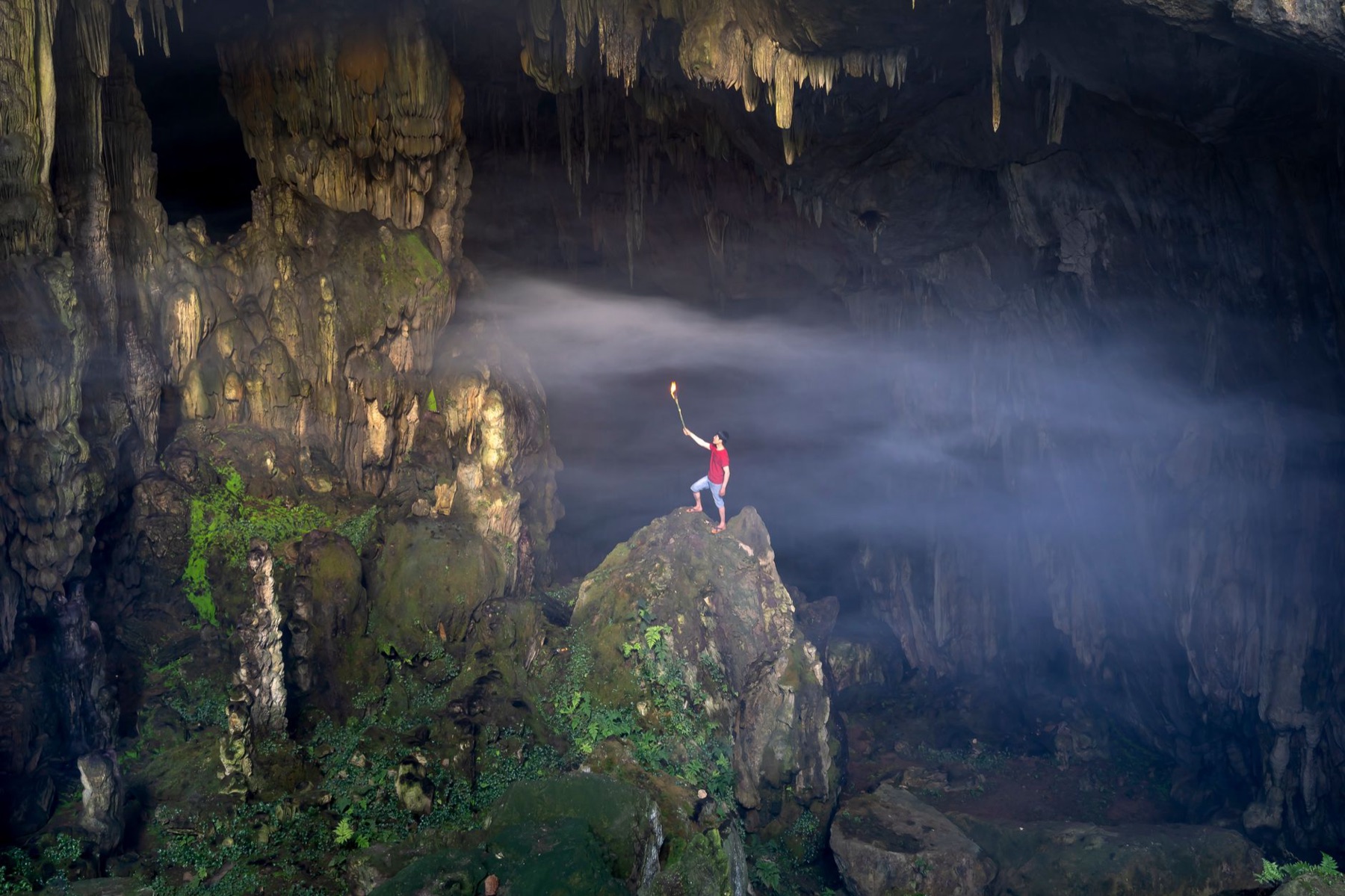
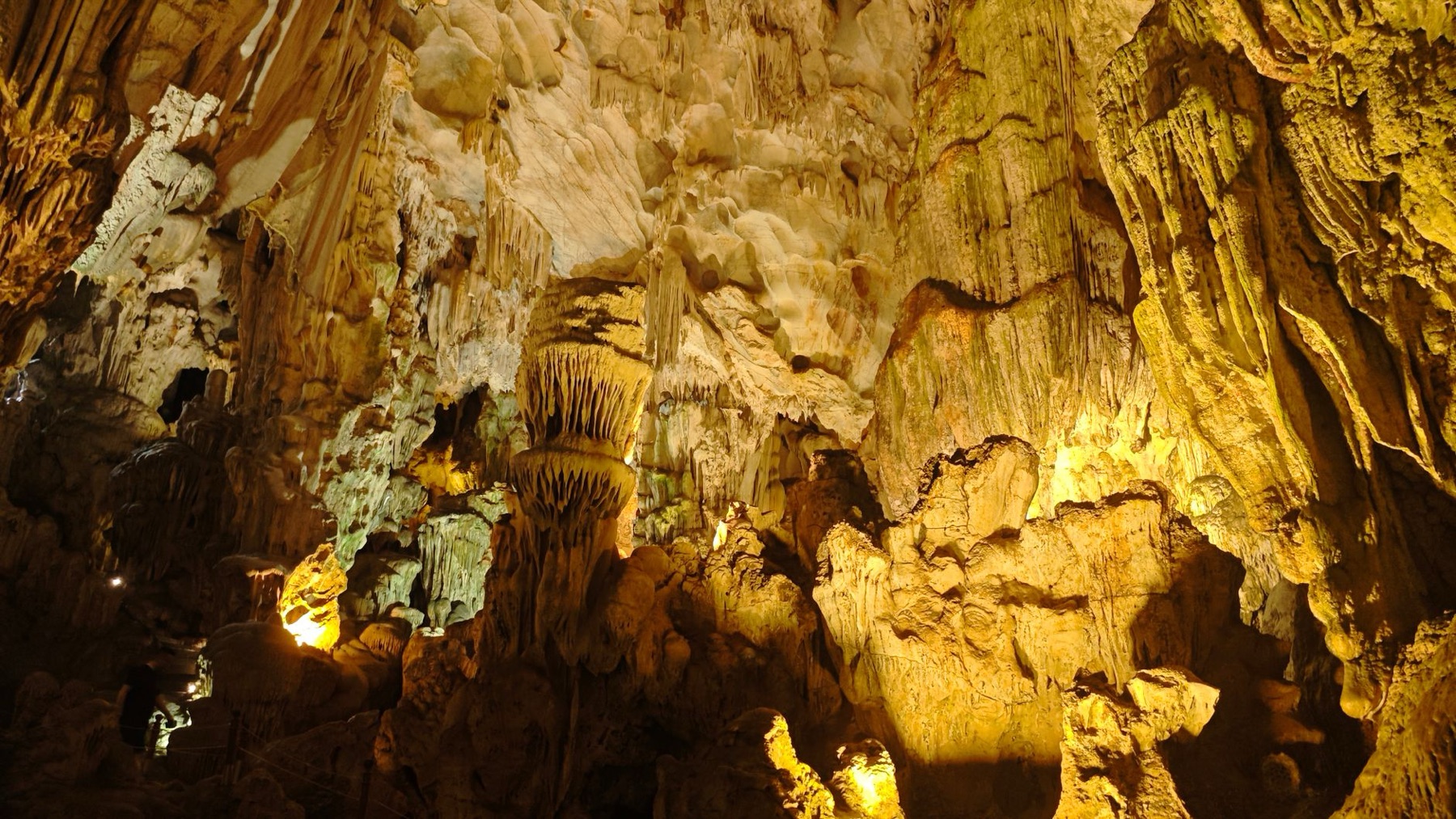
Phong Nha Cave itself is the easiest: a boat ride into a dry chamber with stalactites, no climbing, 2 hours total. Paradise Cave demands 400 stone steps up a forested slope and a 1.2 km underground walk; plan 3–4 hours. Son Doong is the "world's largest cave" by volume—a 6.5 km underground trek with a river crossing, jungle, and a sand dune inside. It requires serious fitness, costs 3–4 million VND (around $120–160 USD), and books out 2–3 weeks ahead. Skip Son Doong if you have knee problems or less than 6 hours. For half-day visitors, Phong Nha + Tien Son Cave combo is the best value and effort balance—around 450,000 VND ($18 USD) total, finished by 1 p.m.
What does a typical day-trip itinerary look like?
A standard 8-hour morning tour picks you up at 7 a.m., drives 30 minutes to Phong Nha Cave, spends 1.5 hours on the boat and walk, then visits a nearby temple or second cave site by 11 a.m. Lunch (usually included) happens at a small restaurant with river views, 50,000–100,000 VND ($2–4 USD) per person if separate. Afternoon options include a short jungle hike to a waterfall (1.5 hours, muddy, slippery), a kayak paddle on the slow Son River (1 hour, calm), or a visit to a local limestone quarry village where you can see traditional stone-cutting. Tours return to town by 4–5 p.m., leaving evening free for walking the town center, eating banh mi (30,000 VND / $1.20), or resting. Most operators book through hotels or street-side offices near the central market; negotiate if asking for multiple people. Early June to September is rainy season—caves flood and trails close unpredictably; book tours the day before to confirm.
📸 Book an ao dai photoshoot in Hanoi or Saigon (Cáo Studio)
How much should you actually budget for a day trip?
| Category | Cost (VND) | USD equiv. | What it includes | Common mistake |
|---|---|---|---|---|
| Main cave tour | 300k–600k | $12–24 | Boat, guide, 1–2 caves, 4–6 hrs | Paying hotel commission (+30%) |
| Lunch | 50k–100k | $2–4 | Rice, protein, veg, water | Expecting Western quality |
| Snacks/drinks in cave area | 30k–60k | $1–2.40 | Water, banana, instant noodles | Buying at cave entrance (50% markup) |
| Hired motorbike (full day) | 150k–250k | $6–10 | Bike + fuel, explore independently | No helmet rental charge (illegal) |
| Park entrance (if separate) | 0–100k | 0–4 | Usually bundled in tour | Paying twice (tour includes it) |
| Total (budget option) | 380k–760k | $15–30 | Self-guided, walk-on tour |
The markup at cave ticket booths is real: a tour operator buys entrance at cost (100k–150k VND per person), sells you a ticket at 250k–400k. Book tours through town guides or your Phong Nha accommodation instead.
What are the honest trade-offs: crowds, difficulty, and timing?
Phong Nha Cave attracts 500–1,000 tourists daily in high season (November–March); expect boat queues 8–9 a.m. and 1–2 p.m. Going at 7 a.m. or 3 p.m. cuts wait time by half. Paradise Cave is newer and less crowded but requires real climbing—your thighs, knees, and calves will hurt the next day. Son Doong is physically tougher than most gym workouts, but fewer than 400 people enter daily due to permits and cost, so it feels wild. If you hate crowds and heat, skip 10 a.m.–2 p.m. entirely; morning tours finish early, afternoon tours start at 1 p.m. and catch sunset light on limestone walls. Weather: the dry season (October–April) offers clear skies and stable cave water levels; June–September means sudden rain, slippery paths, and occasional tour cancellations. Bring a light rain jacket and ask your guide the morning of whether trails are open.
🎟️ Compare tours & tickets for this place
How to avoid the worst scams and wasted time?
Book tours directly with town operators (ask at your hotel for a referral, then walk to their office). Do not use touts on the street offering "cheap cave tours"—they often take you to smaller, unmarked caves and pressure you to buy expensive souvenirs. Confirm departure and return times, guide language (many guides speak basic English, not fluent), and whether lunch is included—oral promises don't count. Refuse any "optional upgrade" pitch mid-tour (e.g., "pay extra for the upper chamber"). Bring small bills (10,000–50,000 VND notes) for tips and lunch; guides and drivers expect 50,000–100,000 VND ($2–4 USD) as a tip if you're satisfied, not mandatory. If a tour operator promises to sell you "authentic local crafts" or arrange side visits to family workshops, budget extra time and be prepared to leave empty-handed—these are commission schemes. The best tour operators have a fixed storefront, published prices, and reviews from other travelers posted on their door or website. Phong Nha is small enough that asking three operators on the same day gives you a real sense of fair pricing.
What should you pack and what's available locally?
Bring: closed-toe hiking boots or trail runners (wet rock is slippery), a light rain jacket, sun hat, sunscreen (SPF 30+), and a 1–2 L water bottle. Trekking poles are optional but help on steep descents. Phong Nha town has a small pharmacy, convenience stores (Open, Saigon Coop clones) selling basic snacks and sunscreen at standard prices (sunscreen ~100,000 VND / $4). Do not rely on bottled water at cave entrances—buy 2–3 bottles in town for 20,000–30,000 VND ($0.80–1.20) and refill at tour operator offices. Dry bags are not commonly rented; if you're kayaking or entering wet caves, bring or ask your guide to provide plastic bags for your phone and camera. Leave valuables in your accommodation safe; tours sometimes involve swimming or wet walking, and losing a phone is a real risk.
How does Phong Nha fit into a broader Vietnam itinerary?
Phong Nha is 3.5 hours by bus or car south of Hanoi, or 1 hour north of Ninh Binh (another karst region with different cave systems and boat tours). If you're doing a central Vietnam loop, combine it with Hoi An (7 hours south, UNESCO town, tailoring) and Ha Long Bay (8 hours north, but a separate 2–3 day trip). A realistic itinerary: 2 nights in Phong Nha for 2 full day trips, then move on. The area is not crowded with Western tourists compared to Ho Chi Minh City or Sapa, making it calmer and cheaper—accommodation runs 150,000–400,000 VND ($6–16 USD) for a mid-range room, vs. 300,000–800,000 VND ($12–32 USD) in Hoi An.
What to check before you book
- Permit requirement? Son Doong requires pre-booking and a guide-led permit (already built into tour prices). Other caves are walk-on.
- Group size? Tours run 4–10 people. Solo travelers often join group tours or pay slightly more for private guides (around 1.2–1.5 million VND / $48–60 USD for a guide + boat).
- Guide certification? Phong Nha guides are required to carry ID cards and training certificates; ask to see it.
- Lunch quality? Ask specifically what's included—rice + fish, or rice + fake meat soup—and mention dietary restrictions the day before.
- Return time? If you have an onward bus or flight, confirm your tour finishes by 4 p.m. at the latest.
- Rain cancellation? Ask the operator's policy if your tour is cancelled due to flooding—most offer rescheduling or a refund (rare).
🗺️ Plan your route: Vietnam itinerary
Companion collections for memories
Consider a personalized custom map or framed location print featuring your exact Phong Nha cave coordinates to hang at home—a keeper of your adventure. If you're capturing photos during your trip, a photo-to-canvas gift turns your limestone or cave shots into lasting decor. And for gifts to friends who inspired the trip, explore travel-themed keepsakes and prints as thank-yous.
📸 Book an ao dai photoshoot in Hanoi or Saigon (Cáo Studio)
FAQ
Is Phong Nha Cave worth visiting if I've already seen caves in China or Thailand?
Yes—Phong Nha's cave systems are geologically unique to this limestone belt, with underground rivers and a different scale. However, if you've done Halong Bay's larger cave tours, Phong Nha feels smaller. Paradise Cave or Son Doong offers more contrast. Do not skip if you're already in the region; skip only if caving has never appealed to you.
How early do I need to book a Son Doong or Paradise Cave tour?
Son Doong books 2–4 weeks ahead for high season (November–February); book on arrival or email a tour operator the day you land in Phong Nha. Paradise Cave is more flexible—3–5 days ahead is safe. All other caves are walk-in or same-day bookable.
What is the single best half-day option if I only have 4 hours?
Phong Nha Cave alone (boat + walk, 2 hours total) plus lunch and rest. It is the most accessible, requires no fitness level, and costs the least (250,000–300,000 VND / $10–12 USD per person).
Do I need a guide or can I explore caves on my own?
Phong Nha and Tien Son caves permit self-guided entry; you buy a ticket at the booth and walk in. However, hiring a guide (50,000–100,000 VND / $2–4 USD extra) saves time, explains geology, and knows safe routes during flooding. Solo self-guided exploring in wet season is risky—book a guide.
Is it safe to visit in September or October (rainy season)?
Yes, but with caveats. Caves stay open unless heavy flooding occurs (rare). Trails are muddy, slippery, and leeches appear after rain. If you don't mind mud and prefer empty trails, go ahead. If you want comfortable conditions, visit November–April instead. Confirm tour cancellation policy when booking.
What's the difference between a private guide and a group tour?
Group tours cost 300,000–600,000 VND ($12–24 USD) per person and include 8–12 strangers; they move faster, are cheaper, and include lunch. Private guides cost 1.2–1.5 million VND ($48–60 USD) total for one person or couple, include flexible timing, and allow customization. Private is worth it for couples, families, or if you speak limited English and need one-on-one attention.
FAQ
Is Phong Nha Cave worth visiting if I've already seen caves in China or Thailand?
Yes—Phong Nha's cave systems are geologically unique to this limestone belt, with underground rivers and a different scale. However, if you've done Halong Bay's larger cave tours, Phong Nha feels smaller. Paradise Cave or Son Doong offers more contrast. Do not skip if you're already in the region; skip only if caving has never appealed to you.
How early do I need to book a Son Doong or Paradise Cave tour?
Son Doong books 2–4 weeks ahead for high season (November–February); book on arrival or email a tour operator the day you land in Phong Nha. Paradise Cave is more flexible—3–5 days ahead is safe. All other caves are walk-in or same-day bookable.
What is the single best half-day option if I only have 4 hours?
Phong Nha Cave alone (boat + walk, 2 hours total) plus lunch and rest. It is the most accessible, requires no fitness level, and costs the least (250,000–300,000 VND / $10–12 USD per person).
Do I need a guide or can I explore caves on my own?
Phong Nha and Tien Son caves permit self-guided entry; you buy a ticket at the booth and walk in. However, hiring a guide (50,000–100,000 VND / $2–4 USD extra) saves time, explains geology, and knows safe routes during flooding. Solo self-guided exploring in wet season is risky—book a guide.
Is it safe to visit in September or October (rainy season)?
Yes, but with caveats. Caves stay open unless heavy flooding occurs (rare). Trails are muddy, slippery, and leeches appear after rain. If you don't mind mud and prefer empty trails, go ahead. If you want comfortable conditions, visit November–April instead. Confirm tour cancellation policy when booking.
What's the difference between a private guide and a group tour?
Group tours cost 300,000–600,000 VND ($12–24 USD) per person and include 8–12 strangers; they move faster, are cheaper, and include lunch. Private guides cost 1.2–1.5 million VND ($48–60 USD) total for one person or couple, include flexible timing, and allow customization. Private is worth it for couples, families, or if you speak limited English and need one-on-one attention.
More: Phong Nha travel guide