Ho Chi Minh City · Where to stay
Districts in Ho Chi Minh City: Where to Stay & What Each Offers
By Wander in Vietnam editorial team · Hanoi, Vietnam
Which district suits your travel style—and why does location matter more than you think?
Choosing a district in Ho Chi Minh City isn't just about hotels. It shapes your daily commute, meal costs, street vibe, and who you'll meet. A foreigner staying in District 1 pays 2–3x more for coffee than one in Binh Thanh, yet walks to the same museums. We recommend matching district to your primary activity: museum-hopping? District 1 or 3. Language exchange or local food? District 5 or 10. Long-stay apartment hunting? Binh Thanh or District 2.
🗺️ Plan your route: Vietnam itinerary
District 1: Is it worth the central premium, or pure tourist trap?
District 1 (Quận 1) anchors downtown Saigon. It holds Reunification Palace, major hotels, restaurants on every corner, and the main commercial spine along Dong Khoi Street. Taxis and Grab are plentiful here; walking distance to markets and galleries is real. The trade-off: prices inflate 40–60% above outer districts for food, drinks, accommodation. A beer costs around VND 60,000–100,000 (USD 2.40–4) in District 1 versus VND 30,000–50,000 (USD 1.20–2) in District 10. Hotels range from budget (around VND 500,000/USD 20 per night for guesthouses) to luxury chains. Best for: first-time visitors, business travelers, those with limited time. Skip if: you want local flavor or tight budget.
District 3: Why do expats and culture lovers choose this quieter alternative?
District 3 (Quận 3) sits just north of District 1, quieter but walkable. It has the War Remnants Museum, local temples, tree-lined streets, cheaper pho joints, and fewer tour groups. Rent here runs 20–30% lower than District 1; many mid-range hotels and hostels base here. Streets like Vo Van Tan feel residential yet central. Grab rides to District 1 cost around VND 30,000–60,000 (USD 1.20–2.40). Best for: cultural travelers, digital nomads, anyone wanting breathing room. Downside: fewer nightlife options, further from the airport.
District 5: Should you pick Cholon (Chinatown) for authentic food and chaos?
District 5 (Quận 5, also called Cholon) is the old Chinese quarter. It's dense, noisy, overwhelming—and genuinely historic. Thien Hau Temple, Binh Tay Market, narrow alleys, and street-food stalls selling everything from pho to medicinal herbs. Hotel and guesthouse rates here are among Saigon's lowest (from around VND 350,000/USD 14 per night). Eating costs near-nothing: a full meal for two around VND 80,000–120,000 (USD 3.20–4.80). The catch: English is rare, streets are cramped, and pickpockets are more common. Grab and taxis avoid narrow lanes; walking or cyclo required. Best for: adventurous eaters, researchers, those comfortable in high-density neighborhoods. Not ideal for: luxury seekers, those with mobility issues.
| District | Best for | Hotel range (approx.) | Meal cost (2 people) | Vibe | Walk-friendly? |
|---|---|---|---|---|---|
| District 1 | First-timers, business | VND 500K–3M+ (USD 20–120+) | VND 200K–400K (USD 8–16) | Tourist hub, central | Yes, high crowds |
| District 3 | Culture, digital nomads | VND 400K–1.2M (USD 16–48) | VND 100K–200K (USD 4–8) | Calm, residential | Yes, fewer tourists |
| District 5 | Budget, street food | VND 350K–800K (USD 14–32) | VND 80K–150K (USD 3–6) | Dense, authentic | Crowded, narrow |
| District 7 | Modern luxury, riverside | VND 1M–5M+ (USD 40–200+) | VND 300K–600K (USD 12–24) | Contemporary, expat | Yes, planned layout |
| District 10 | Backpackers, students | VND 300K–600K (USD 12–24) | VND 60K–120K (USD 2.40–4.80) | Young, cheap, party | Yes, Pham Ngu Lao |
| Binh Thanh | Long stays, local life | VND 450K–1.5M (USD 18–60) | VND 100K–200K (USD 4–8) | Mixed local/expat | Yes, less touristy |
📸 Book an ao dai photoshoot in Hanoi or Saigon (Cáo Studio)
District 7 and District 2: Are riverside and suburban zones worth the isolation?
District 7 (Quận 7) lies across the Saigon River, anchored by Thao Dien (a riverside enclave) and the HCMC Financial Centre. It's modern, safe, planned. Malls, trendy cafes, upscale restaurants, and new hotels dominate. Prices are high: hotels from around VND 1M–5M+ (USD 40–200+), meals VND 250K–600K (USD 10–24). Best for luxury travelers or those working in finance. Grab to District 1 costs around VND 80,000–150,000 (USD 3.20–6). District 2 (Quận 2, northeast) sprawls further and appeals mainly to long-term expat families renting villas. Not central for tourists; we skip it unless you have specific accommodation booked there.
District 10 and Binh Thanh: Budget and local—which is your real Saigon?
District 10 (Quận 10) centers on Pham Ngu Lao Street, the backpacker hub. Cheap hostels cluster here (from around VND 300K/USD 12 per night for dorms), beer is VND 30K–50K (USD 1.20–2), and the street pulses nightly with travelers and budget tour operators. Pho, bánh mì, and street snacks cost VND 30K–60K (USD 1.20–2.40). It's lively but transient; locals complain of tourist monoculture. Best for: first-time backpackers, tight budgets, social travelers. Downside: loud at night, dodgy motorbike taxis, some scam tour operators.
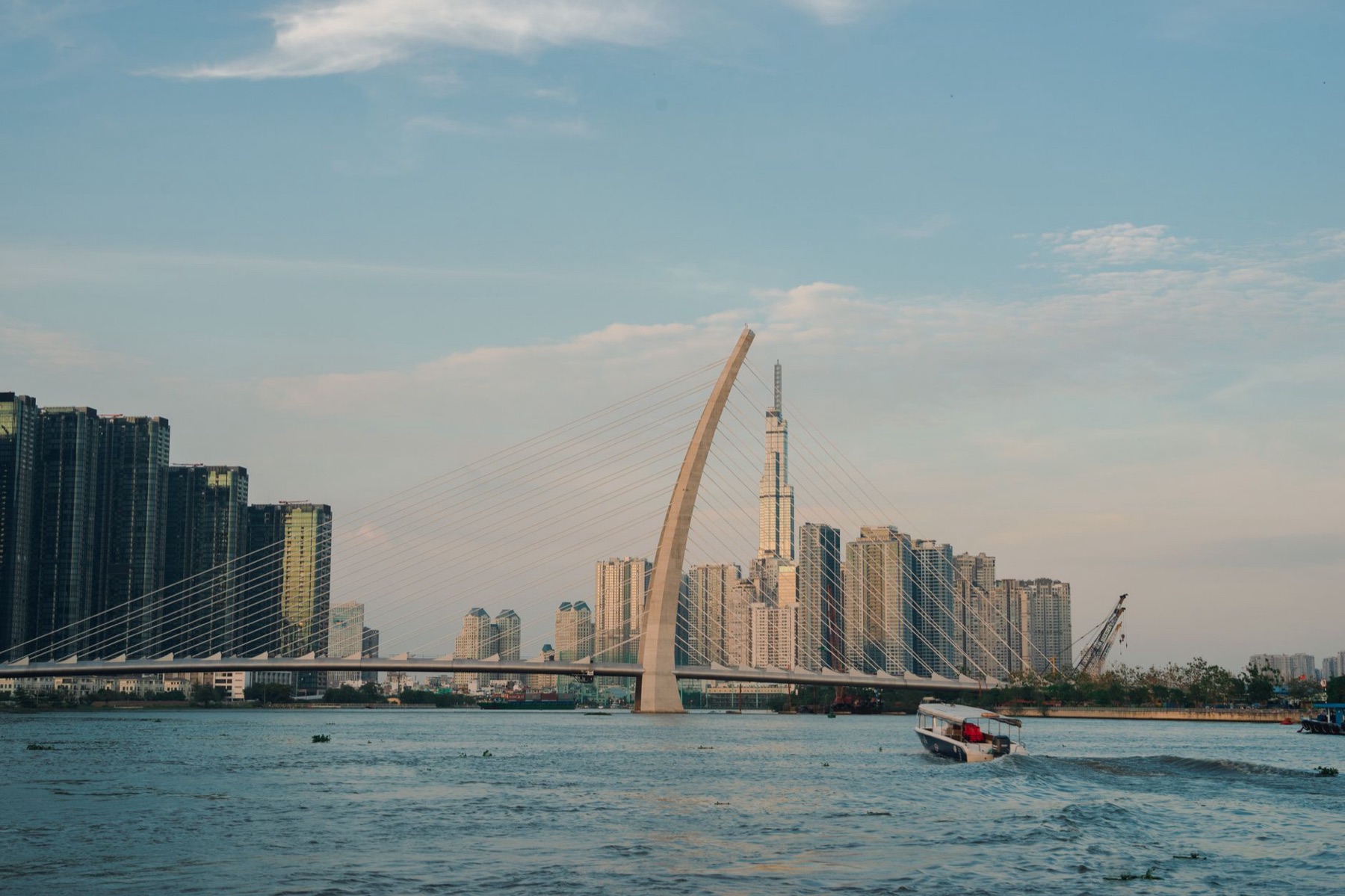
Binh Thanh (Bình Thạnh District) lies east of District 1, blending local life with rising expat presence. It has Landmark 81 mall, markets like Binh Tay nearby (confusing—it's in District 5, not Binh Thanh), residential streets, and mid-range restaurants. Hotel rates around VND 450K–1.5M (USD 18–60); meals VND 100K–250K (USD 4–10). Fewer tourists means lower prices and authentic vibe. Best for: longer stays, families, those seeking local neighborhood feel. Getting to District 1 costs around VND 40K–80K (USD 1.60–3.20) by Grab.
🎟️ Compare tours & tickets for this place
How do you actually choose if you're torn between two districts?
Ask yourself these questions before booking:
- How many nights? Under 3 days → District 1. Over a week → Binh Thanh or District 3.
- What's your main activity? Museums → Districts 1 or 3. Street food → District 5. Nightlife → Districts 1 or 10. Long work stays → District 7 or Binh Thanh.
- Budget per day (accommodation + meals)? Under USD 40 → Districts 5, 10. USD 40–100 → Districts 3, Binh Thanh. Over USD 100 → Districts 1, 7.
- Do you speak Vietnamese? Yes → Districts 5, 10, Binh Thanh. No/limited → District 1 or 3.
- Will you rent a motorbike or use Grab? If Grab → any district (costs VND 30K–150K / USD 1.20–6 between them). If renting → closer to District 1 to avoid long rides.
What real travelers regret—and how to avoid the main pitfalls
Scams to watch:
- Xe om (motorbike taxi) drivers overcharging tourists in Districts 1, 10, and 5. Use Grab app instead.
- Fake "official" tour operators outside hostels in District 10. Book directly online or through your hotel.
- Sudden price hikes for taxis outside tourist areas. Always use Grab, or negotiate motorbike fares before boarding.
- Restaurants listing prices in USD only near Dong Khoi Street (District 1). You'll overpay 30%. Seek spots with Vietnamese-language menus.
What to check before you book a hotel:
- Confirm Grab is reachable (all districts have good coverage, but confirm pickup location is clear).
- Check noise: avoid ground floors on busy streets (Dong Khoi, Pham Ngu Lao). Request higher floors.
- Distance to metro: Ho Chi Minh City's metro is limited but expanding. If you care, verify district 1 station access in District 1 details.
- Walking distance to your main activity (museum, market, beach gateway). Google Maps it before booking.
- Altitude: Ho Chi Minh City is flat; not a concern. But some budget hotels in Districts 5 and 10 flood during heavy rains (May–September). Ask reviews about rainy season.
Cross-city perspective: How Ho Chi Minh City's districts compare to Hanoi and Hoi An
If you're comparing Ho Chi Minh City to Hanoi or Hoi An, note the differences. Hanoi's Old Quarter (Ba Dinh, Hoan Kiem) is walkable and compact; Ho Chi Minh City's districts are sprawled. Hoi An is tiny—one neighborhood. Ho Chi Minh City requires transit planning. Expect more time between activities here than in either northern city.
For multi-city trips, check our Vietnam itinerary planner to sequence districts and other destinations like Ha Long Bay, Ninh Binh, or Sapa.
Making the most of your district: Practical last-mile tips
- SIM card or eSIM first. Buy on arrival or use eSIM for Vietnam before you land. Grab, maps, and communication require internet.
- Download Grab. Ride-sharing beats taxis and motorbike taxis for safety and fixed pricing.
- Learn "Bao nhiêu?" (how much?) and basic numbers. Markets and street food stalls don't always speak English; this phrase saves haggling time.
- Carry small VND notes. Vendors in Districts 5, 10, and Binh Thanh rarely have change for large bills.
- Check your district's wet markets. Ben Thanh Market (District 1) is touristy. Binh Tay Market (District 5) is chaotic but real. Local markets in Binh Thanh are authentic and cheap.
🎟️ Compare tours & tickets for this place
When in doubt, we suggest starting in District 1 or 3, then moving to Binh Thanh or District 5 for a longer stay. You'll see both the tourist face and the real Saigon.
FAQ
Is District 1 really too expensive, or is it worth staying there?
District 1 costs 40–60% more but saves travel time if you're on a short trip (under 5 days). For longer stays or culture-focused visits, District 3 or Binh Thanh offer better value and local texture without sacrificing safety or cleanliness. Choose District 1 for convenience, not necessity.
Which district has the best street food?
District 5 (Cholon) is the authentic answer—dense alleys, lowest prices, generations-old stalls. Districts 10 and Binh Thanh offer similar food at slightly higher prices with more English signage. District 1 has tourist-oriented street food; taste is often compromised for presentation.
Can I get around without booking taxis in advance?
Yes. Use Grab app (download before arrival). All districts have 5–15 minute Grab availability. Fares are fixed and transparent (VND 30K–150K / USD 1.20–6 between districts). Motorbike taxis (xe om) are cheaper but riskier for foreigners; negotiate fares before boarding or avoid entirely.
What's the safest district for solo female travelers?
Districts 1, 3, and 7 are the safest (more police presence, expat communities, well-lit). Districts 5 and 10 are safe during day but crowded; avoid alleys alone at night. Binh Thanh is mixed; stick to main streets. Use Grab after 10 PM instead of walking or xe om.
How long should I stay in one district before moving?
2–3 nights is minimum to unpack, find good restaurants, and orient yourself. Most first-timers stay 3–5 nights in District 1 or 3, then move to Binh Thanh or District 5 for slower travel. Long-term visitors (2+ weeks) pick one district to minimize moving costs and mail logistics.
Is English widely spoken in all districts?
District 1 → yes (tourist/business hub). District 3 → mostly yes in hotels/restaurants. District 7 → yes (expat zone). Binh Thanh → partial (hotels yes, street stalls no). Districts 5, 10 → minimal English. Learn key phrases or use Google Translate app. Download offline maps before arrival.
FAQ
Is District 1 really too expensive, or is it worth staying there?
District 1 costs 40–60% more but saves travel time if you're on a short trip (under 5 days). For longer stays or culture-focused visits, District 3 or Binh Thanh offer better value and local texture without sacrificing safety or cleanliness. Choose District 1 for convenience, not necessity.
Which district has the best street food?
District 5 (Cholon) is the authentic answer—dense alleys, lowest prices, generations-old stalls. Districts 10 and Binh Thanh offer similar food at slightly higher prices with more English signage. District 1 has tourist-oriented street food; taste is often compromised for presentation.
Can I get around without booking taxis in advance?
Yes. Use Grab app (download before arrival). All districts have 5–15 minute Grab availability. Fares are fixed and transparent (VND 30K–150K / USD 1.20–6 between districts). Motorbike taxis (xe om) are cheaper but riskier for foreigners; negotiate fares *before* boarding or avoid entirely.
What's the safest district for solo female travelers?
Districts 1, 3, and 7 are the safest (more police presence, expat communities, well-lit). Districts 5 and 10 are safe during day but crowded; avoid alleys alone at night. Binh Thanh is mixed; stick to main streets. Use Grab after 10 PM instead of walking or xe om.
How long should I stay in one district before moving?
2–3 nights is minimum to unpack, find good restaurants, and orient yourself. Most first-timers stay 3–5 nights in District 1 or 3, then move to Binh Thanh or District 5 for slower travel. Long-term visitors (2+ weeks) pick one district to minimize moving costs and mail logistics.
Is English widely spoken in all districts?
District 1 → yes (tourist/business hub). District 3 → mostly yes in hotels/restaurants. District 7 → yes (expat zone). Binh Thanh → partial (hotels yes, street stalls no). Districts 5, 10 → minimal English. Learn key phrases or use Google Translate app. Download offline maps before arrival.
More: Ho Chi Minh City guide · Where to stay in Ho Chi Minh City