Hanoi · Things to do
Five Things to Do in Hanoi Vietnam: Honest Guide for 2026
By Wander in Vietnam editorial team · Hanoi, Vietnam
Hanoi isn't a tick-box destination. The capital rewards patience, early mornings, and a willingness to eat where locals eat. We've spent years navigating this city's 36 streets and hidden pagodas, and we're going to tell you exactly what's worth your time—and what's Instagram fluff.
What are the best temples to visit in Hanoi without the crowds?
Thay Pagoda, about 30 km southwest in Ha Tay Province, sits at a limestone cliff face reflected in a jade-green lake. Arrive before 8 a.m. to see monks chanting; afternoon tourists swamp the site. Entry is around 20,000 VND ($0.80 USD). The walk down to the water temple takes 10 minutes; wear shoes with grip. Tay Phuong Pagoda, in the same district, houses 18th-century wooden statues and opens at 7 a.m.; most tour groups skip it. Cost is similar—20,000 VND. Both are accessible by rented motorbike (around 150,000–200,000 VND per day) or organized half-day tours (250,000–400,000 VND). Skip the "pagoda tours" that bundle five temples in one day; you'll see nothing properly.
Temple of Literature (Van Mieu) in Dong Da District is Hanoi's oldest university, built in 1070. It opens at 8 a.m.; by 10 a.m. it's packed. Entry: 30,000 VND ($1.20). The courtyards are photogenic but serene only at opening. Go alone or with a small group—large tour buses arrive by 9:30 a.m. One Pillar Pagoda (Chua Mot Cot) is 500 meters northwest; many visitors combine both in a two-hour walk.
🗺️ Plan your route: Vietnam itinerary
Is the Old Quarter worth exploring beyond the tourist buzz?
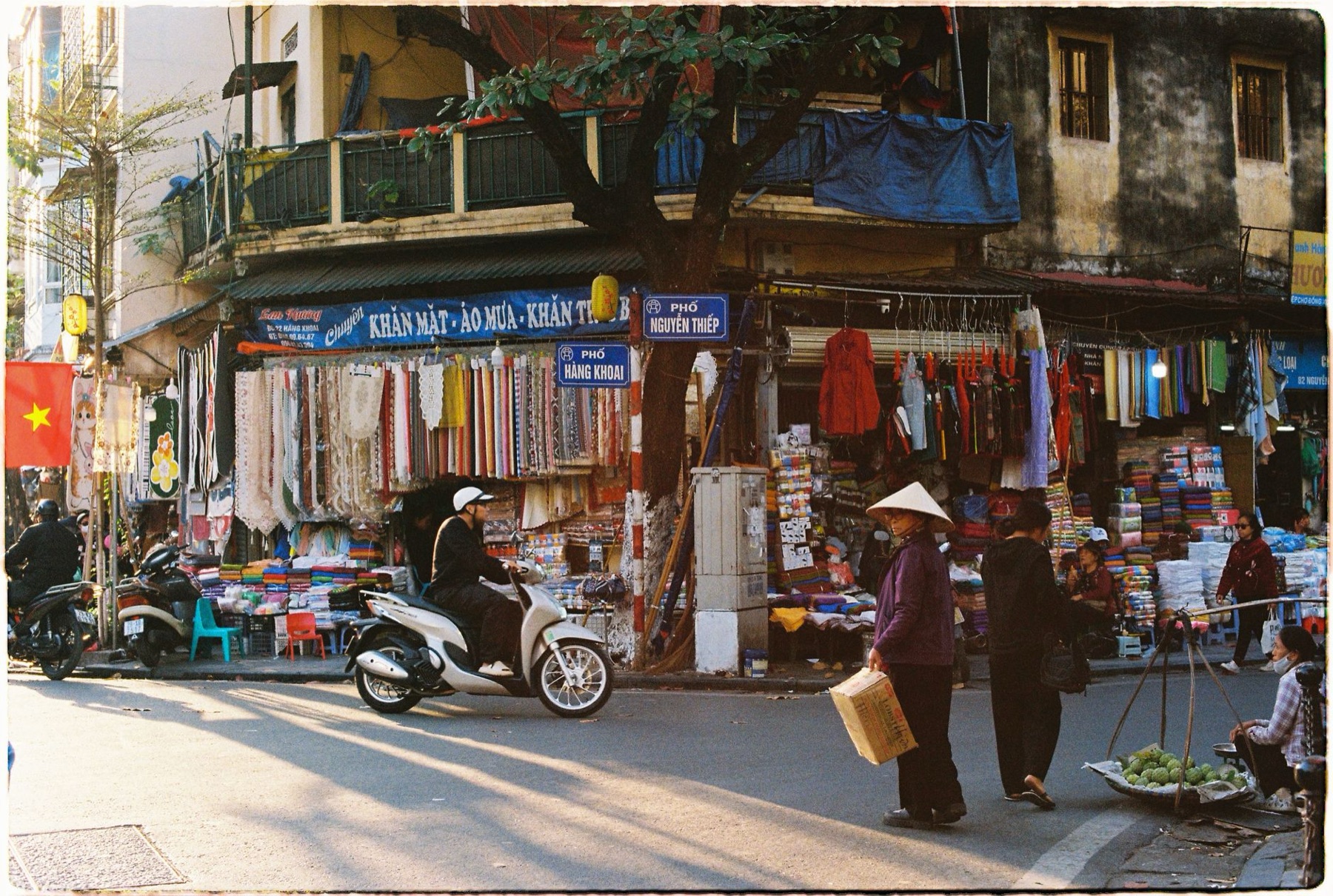
Yes, but only if you go hungry and early. Hanoi's Old Quarter (36 Pho Ngang area, Hoan Kiem District) is a chaos of motorbikes, street food stalls, and narrow shop-houses. Most travelers hit Pho Ngang Street and call it done. The real Old Quarter runs deeper: Hang Buom Street for traditional lantern makers, Hang Khay for old silk merchants, Hang Muoi for textiles. Breakfast pho costs around 30,000–50,000 VND ($1.20–$2.00); eat standing at a plastic stool, not at a tourist-facing restaurant. Egg coffee, a Hanoi invention, runs 35,000–60,000 VND ($1.40–$2.40) at mid-range cafes in Hoan Kiem. Street-side versions near Hoan Kiem Lake cost half that.
The Old Quarter's strength is its spontaneity. You'll stumble onto a grandmother grilling tiny fish cakes or a vendor hand-pulling sugar candy. Don't book a "street food tour"; hire a local motorbike taxi (xe om) for 30–50 minutes (50,000–100,000 VND, about $2–$4) and ask the driver to stop wherever smells good. Restaurants with English menus are tourist traps; if you see a crowd of locals hunched over tiny tables, join them.
How to spend a sunset at Hoan Kiem Lake without feeling rushed?
Hoan Kiem Lake is Hanoi's communal living room. Locals walk, jog, and fish here daily. The best time is 5–7 p.m., when the light softens and the water reflects the sky. Entry to the lake itself is free. The Ngoc Son Temple (Jade Island Temple) sits on a small island and costs 30,000 VND ($1.20) to enter; it's worth the small bridge crossing for the quiet.
Walk the eastern shore first (less crowded), then circle back via the western side where street vendors sell corn, flowers, and coconuts for 10,000–30,000 VND ($0.40–$1.20). A fresh coconut is refreshing but skip the overpriced "tourist" flower vendors near the Old Quarter entrance. Buy from locals selling to locals.
Don't rent paddle boats unless you enjoy 45-minute queues and thin customer service. The lake is best appreciated on foot. Wear comfortable shoes; the perimeter is roughly 1.6 km.
| Experience | Best time | Cost (VND) | Duration | Why it works |
|---|---|---|---|---|
| Lake walk + Ngoc Son Temple | 5–7 p.m. | 30,000 | 45 min | Golden light, local crowd, quiet temple |
| Street breakfast + pho crawl | 6–8 a.m. | 50,000–80,000 | 1.5 hours | Best flavors, fewest tourists, authentic vibe |
| Thay Pagoda sunrise pilgrimage | 6–8 a.m. | 20,000 + transport | 3 hours | Monks chanting, empty grounds, zero crowds |
| West Lake (Ho Tay) bike loop | 3–5 p.m. | 150,000–200,000 (bike rental) | 2 hours | Quiet temple visits, local fishing villages |
| Temple of Literature | 8–9 a.m. | 30,000 | 1 hour | Serene courtyards, Ming-era architecture |
What should we see at West Lake (Ho Tay) and Truc Bach Lake?
West Lake is Hanoi's escape valve—20 minutes from central Hoan Kiem on a rented motorbike. The lake is ringed by temples, university buildings, and a few decent pho shops. Truc Bach Lake sits on its eastern edge, smaller but more intimate. Most tourists skip both, which is precisely why you should go.
Rent a bicycle from a guesthouse or motorbike rental shop (around 150,000–200,000 VND for a full day) and loop the perimeter. Stop at Quan Thanh Temple (entry free or 10,000 VND donation) on the western shore—it's a working temple with almost zero foreign visitors. The Golden Turtle Tower (Tran Quoc Pagoda) juts into the water on the northern curve; entry is free, but donations support the monks.
Lunch at a streetside pho stall near the lake (30,000–50,000 VND) rather than the few expensive cafes. A hidden gem: small fish sauce fermentation shops dot the northern shore; locals know them, tourists don't. Ask your bike rental shop for directions.
📸 Book an ao dai photoshoot in Hanoi or Saigon (Cáo Studio)
Why is the Ho Chi Minh Mausoleum complex overrated—and when to actually visit?
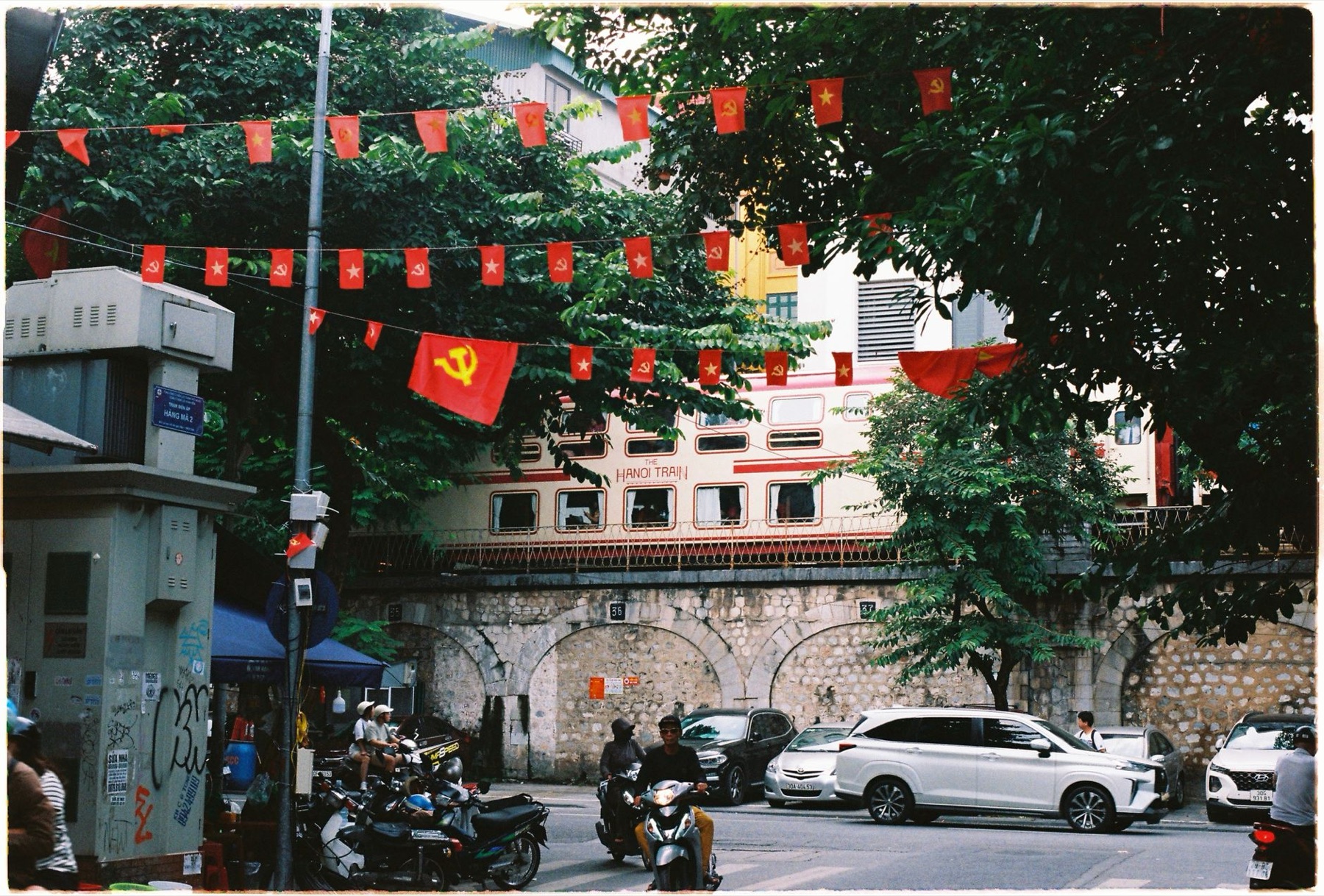
The Mausoleum sits in Ba Dinh District and is free to enter, but comes with rules: long pants, closed shoes, shoulders covered, no photographs inside, and strict entry times (usually 8–11 a.m.). Most tour groups herd in by 9 a.m.; queues are brutal. The mausoleum itself is a 15-minute walk through the main chamber—respectful but anticlimactic. Guards watch closely; any infraction gets you ejected.
What's worth your time is the surrounding complex. Ho Chi Minh's former residence (a modest wooden stilt house) and the presidential palace grounds are more revealing. The One Pillar Pagoda (Chua Mot Cot) is nearby and opens earlier. Combined, the complex takes 2–3 hours. Go at 7:30 a.m. or skip the mausoleum line entirely and focus on the palace gardens—they're uncrowded and beautiful.
Avoid hiring a guide for the mausoleum; they'll speed you through and pocket a commission. Visit alone or with a friend. Entry to the complex: free; smaller temples within charge 10,000–30,000 VND ($0.40–$1.20) each.
🗺️ Compare tours & tickets for this place
---
Timing your Hanoi trip: a practical checklist
- April–May, September–October: warm but not scorching; minimal rain
- June–August: hot (35°C+), humid, afternoon downpours; fewer foreign tourists
- November–March: cool (15–20°C), dry, comfortable for walking
- Avoid Lunar New Year (late January–early February): many businesses close, prices spike
If you're timing a return visit or planning an ao dai photoshoot with traditional dress, late autumn or early spring offers the best light and comfort. Cáo Studio in Hanoi offers hair, makeup, and photography services; book 2–3 days ahead.
---
What to check before booking any Hanoi experience
- Confirm opening hours the day before. Temples sometimes close for ceremonies; websites aren't always current.
- Dress code: shoulders and knees covered at all temples. Remove shoes before entering prayer halls.
- Avoid "free tours" that end with a hard sell for overpriced souvenirs or bar crawls.
- Use Grab app (ride-sharing) or ask your hotel for local taxi numbers. Solo xe om (motorbike taxis) from the street are cheaper but riskier for solo travelers.
- Carry small bills. Many vendors don't break large notes.
- Book Thay Pagoda transport the night before if you want to catch dawn rituals.
---
Planning your broader Vietnam journey?
Hanoi is often a start or end point. If you're building a full itinerary, we recommend checking our Vietnam itinerary planner to sequence Hanoi with Ha Long Bay, Ninh Binh, Hoi An, and Sapa. Each region rewards 2–3 days minimum.
For day-trip souvenirs—custom gifts, keepsakes, personalized prints—we offer engraved keepsakes and custom maps that capture your Hanoi memories. These ship US-bound in 5–10 days, free over $35.
🎟️ Compare tours & tickets for this place
---
FAQ
Is it safe to eat street food in Hanoi?
Yes. Street food in Hanoi is safer than at many tourist restaurants. Eat where locals eat—high turnover means fresh ingredients. Avoid ice from questionable vendors and stick to hot foods. Tap water isn't safe; buy bottled water (5,000–10,000 VND per liter).
How many days should I spend in Hanoi?
Two to three days minimum for temples, the Old Quarter, and lakes without rushing. Four days lets you add day trips to Thay Pagoda or nearby villages. Don't over-schedule; Hanoi is best absorbed slowly.
What's the cheapest way to get around Hanoi?
Grab (app-based ride-sharing) is cheaper than taxis and trackable. Motorbikes cost 150,000–250,000 VND per day to rent. For short hops, grab a xe om (motorbike taxi) from the street—negotiate first, expect 20,000–50,000 VND. Walking the Old Quarter and lake areas is free and rewarding.
Should I book tours or explore solo?
Hanoi rewards solo exploration. Tours are useful only for very early temples (Thay Pagoda) or if you have mobility issues. Most walking tours are rushed and pricey. Rent a bike or motorbike and set your own pace.
What's the best gift to bring home from Hanoi?
Lacquerware (genuine pieces from artisan shops in the Old Quarter), custom ao dai silhouettes, or personalized star maps marking your Hanoi arrival date. Avoid mass-produced "Hanoi" souvenirs; they're identical in every Southeast Asian city.
Do I need a Vietnam visa before flying to Hanoi?
US, UK, Australia, EU, and most passport holders need a visa or e-visa. Process Vietnam e-visa online 2–3 weeks ahead, or arrange on arrival (less reliable). Consider an eSIM for Vietnam to stay connected without roaming fees.
FAQ
Is it safe to eat street food in Hanoi?
Yes. Street food in Hanoi is safer than at many tourist restaurants. Eat where locals eat—high turnover means fresh ingredients. Avoid ice from questionable vendors and stick to hot foods. Tap water isn't safe; buy bottled water (5,000–10,000 VND per liter).
How many days should I spend in Hanoi?
Two to three days minimum for temples, the Old Quarter, and lakes without rushing. Four days lets you add day trips to Thay Pagoda or nearby villages. Don't over-schedule; Hanoi is best absorbed slowly.
What's the cheapest way to get around Hanoi?
Grab (app-based ride-sharing) is cheaper than taxis and trackable. Motorbikes cost 150,000–250,000 VND per day to rent. For short hops, grab a xe om (motorbike taxi) from the street—negotiate first, expect 20,000–50,000 VND. Walking the Old Quarter and lake areas is free and rewarding.
Should I book tours or explore solo?
Hanoi rewards solo exploration. Tours are useful only for very early temples (Thay Pagoda) or if you have mobility issues. Most walking tours are rushed and pricey. Rent a bike or motorbike and set your own pace.
What's the best gift to bring home from Hanoi?
Lacquerware (genuine pieces from artisan shops in the Old Quarter), custom ao dai silhouettes, or [personalized star maps](/collections/maps) marking your Hanoi arrival date. Avoid mass-produced "Hanoi" souvenirs; they're identical in every Southeast Asian city.
Do I need a Vietnam visa before flying to Hanoi?
US, UK, Australia, EU, and most passport holders need a visa or e-visa. Process [Vietnam e-visa](/vietnam/visa) online 2–3 weeks ahead, or arrange on arrival (less reliable). Consider an [eSIM for Vietnam](/vietnam/esim) to stay connected without roaming fees.
More: Hanoi guide · Things to do in Hanoi