Hanoi · Things to do
Five Things to Do in Hanoi, Vietnam (Real Guide 2026)
By Wander in Vietnam editorial team · Hanoi, Vietnam
What makes Hanoi's Old Quarter worth more than a quick walk?
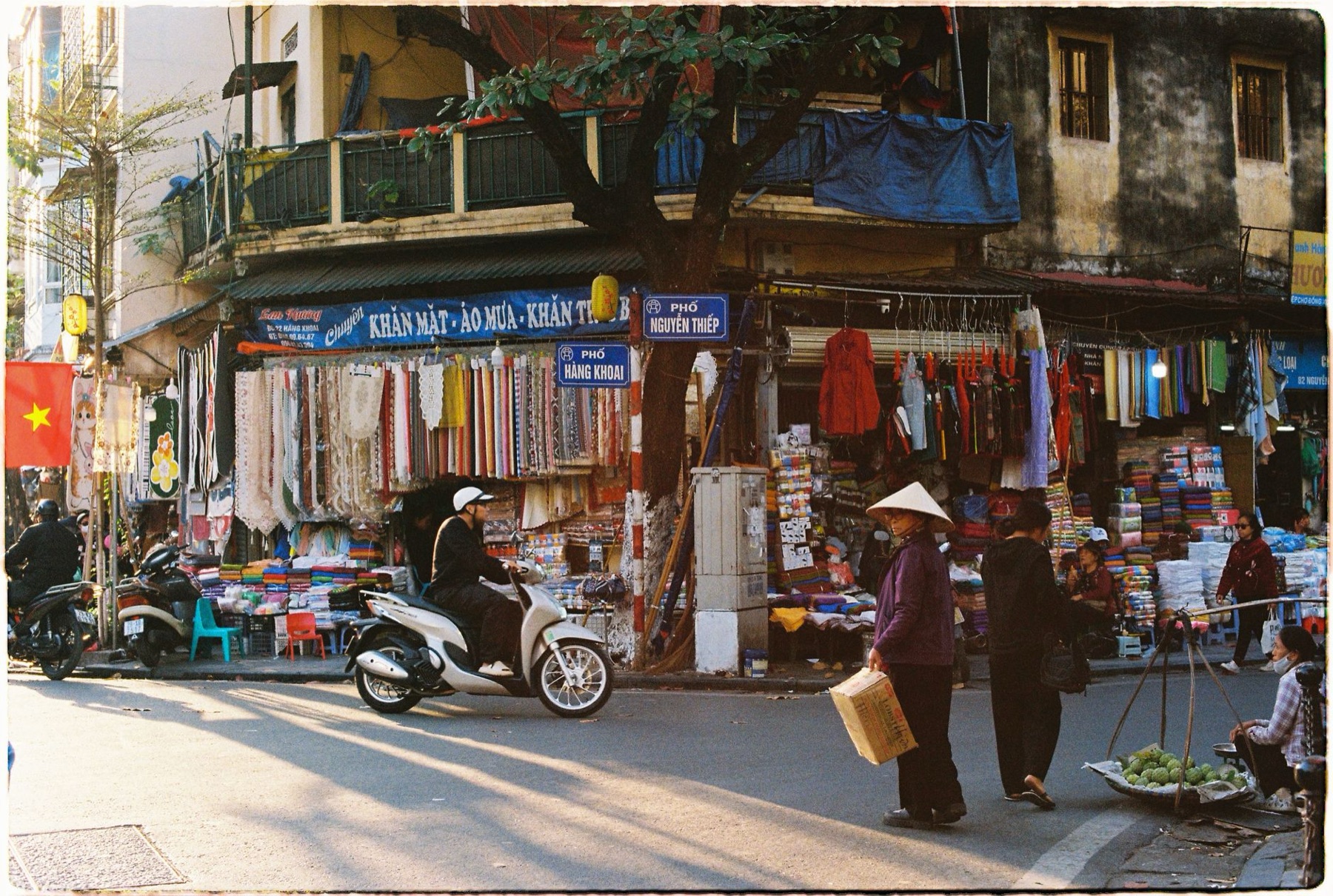
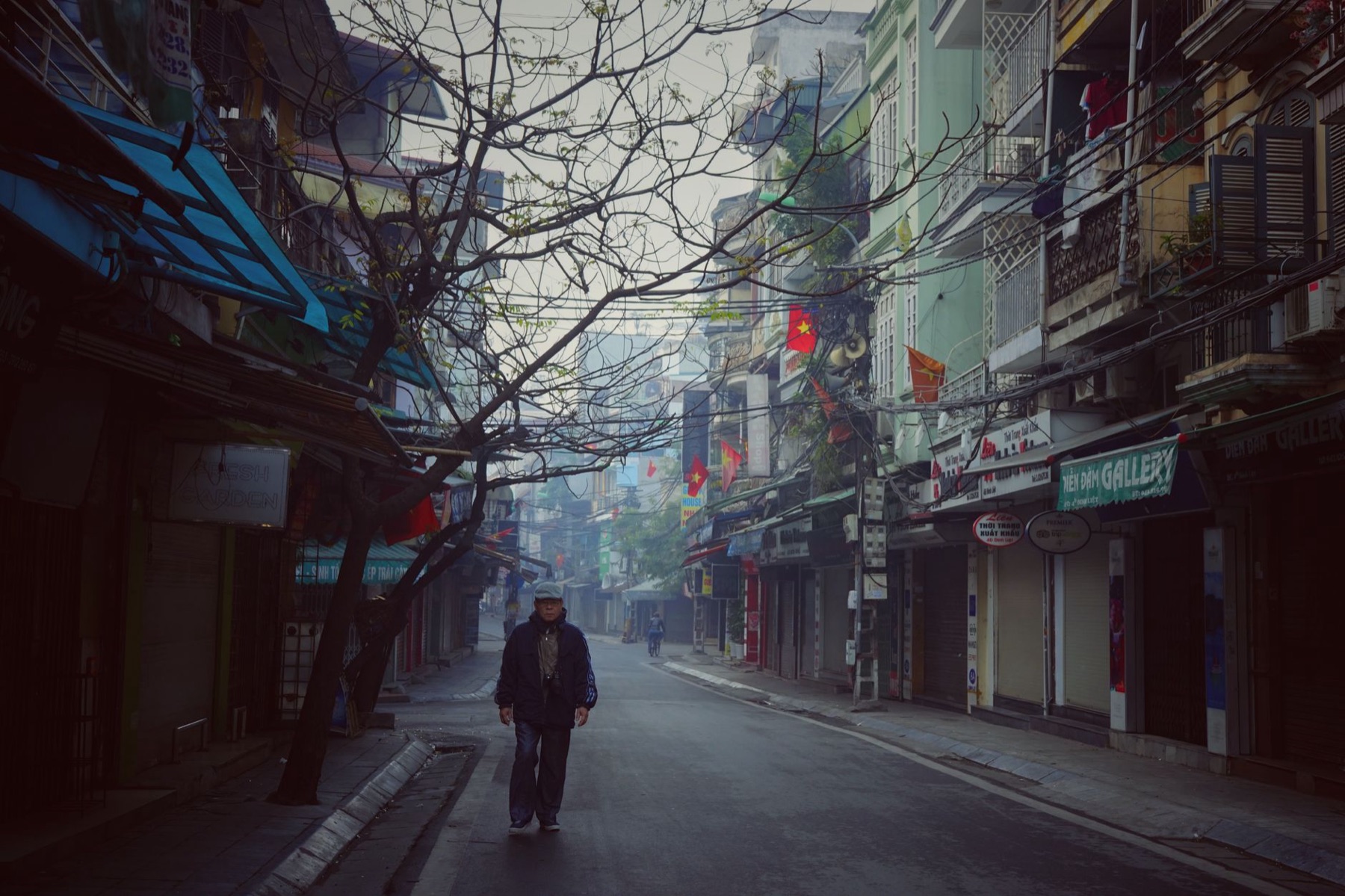
The Old Quarter (36 Phố Cổ) isn't a museum—it's a working neighbourhood where each street historically sold one product. Hang Gai sold silk; Hang Bong sold cotton; Hang Ma sells paper goods. Walk these lanes at 6–7 am before tour groups arrive, watch metal workers and noodle makers start their day, and you'll understand how Hanoi actually functions. Skip the obvious tourist cafés on Ta Hien Street; instead, duck into unmarked storefronts and eat where locals queue. A proper phở bowl costs around 35,000–50,000 VND ($1.40–$2.00 USD) at neighborhood stalls; tourist-facing versions charge 80,000–150,000 VND ($3.20–$6.00). The difference isn't quality—it's location tax. Hire a local guide through your guesthouse (typically 200,000–400,000 VND / $8–$16 per person for 2–3 hours) to decode the alley network and avoid dead-end photo traps.
🗺️ Plan your route: Vietnam itinerary
Why is water puppet theatre a cultural essential, not a tourist gimmick?
Water puppetry (múa rối nước) originated in 11th-century rice paddies—puppeteers used poles to move wooden figures across flooded fields. Modern performances happen in theatre pools, but the craft remains authentically Vietnamese. Shows run at dedicated venues like Thăng Long Water Puppet Theatre (Đinh Tiên Hoàng, Hoàn Kiếm district). Tickets cost around 100,000–150,000 VND ($4–$6) for standard seats; buy online or at the box office 30 minutes before showtime. Performances sell out weekends and during holidays, so book ahead if visiting July–August or Tết. Arrive 15 minutes early to read the English program notes. The show lasts 50 minutes with no dialogue—music and live drum commentary tell the story. One legitimate scam: tuk-tuk drivers claiming "the theatre is closed today, let me take you to a better show." It's never closed; ignore these offers.
How do Ho Tay lakeside temples balance spiritual practice with traveler access?
Ho Tay (West Lake) has five main temples worth visiting: Trấn Quốc (oldest Buddhist temple in Hanoi, built 541 AD) on a narrow peninsula, Tây Phương (ancient pagoda in Tây Hồ), and Keo Pagoda nearby. Mornings 6–8 am and late afternoons (4–6 pm) are best—you'll see monks chanting and locals praying, not staged "experiences." No entrance fee, though donations (20,000–50,000 VND / $0.80–$2.00) are customary. Dress respectfully: cover shoulders and knees. Many tourists rent bicycles (50,000–80,000 VND / $2–$3.20 per day) and loop the lake, but hiring a guide (same rate as Old Quarter) explains what you're seeing and where locals actually worship versus where tour groups congregate. Temple buildings are genuine; commercialization is light outside Tây Hồ village itself.
📸 Book an ao dai photoshoot in Hanoi or Saigon (Cáo Studio)
Where do locals actually eat pho and noodles at non-tourist prices?
Hanoi's best street food happens in unmarked lanes, not restaurants. For phở, ask your guesthouse staff to write down their family's favorite stall (not a "recommended by Lonely Planet" place)—they'll direct you to bowls costing 35,000–60,000 VND ($1.40–$2.40) sold from a cart in a residential alley. Bún chả (grilled pork patties with rice noodles) stalls cluster around Hang Manh and Hang Than streets; a plate runs 30,000–50,000 VND ($1.20–$2.00). Bánh mì sandwiches at corner shops cost 25,000–40,000 VND ($1–$1.60). Markets like Hàng Bè and Dong Xuan have food courts where vendors compete on quality—tourists are rare, prices are local. One rule: if a stall has an English menu and plastic chairs, the price has doubled. The best meals happen where you can't read the signs.
Why should you visit night markets instead of daytime shopping centers?
Dong Xuan night market (operating 6 pm–midnight, Dong Xuan market building, Old Quarter) is where Hanoians actually shop for clothes, electronics, and gifts—not a performance for visitors. Merchandise is genuine and discounted (clothes 50,000–150,000 VND / $2–$6 compared to mall prices at 200,000+ VND / $8+). Haggling is expected and subtle—offer 80% of the stated price, accept 90%. Watch your bag; pickpockets target distracted tourists. 19 Hang Dao Street and nearby night vendor clusters sell everything from silk scarves to fake designer bags; quality varies wildly. Compare prices across three stalls before buying. Avoid vendors who target you in English; they're running a higher margin. The experience is chaotic, authentic, and genuinely cheaper than day markets because vendors cut overhead by operating after hours.
What gifts should you bring home that feel genuinely Vietnamese?
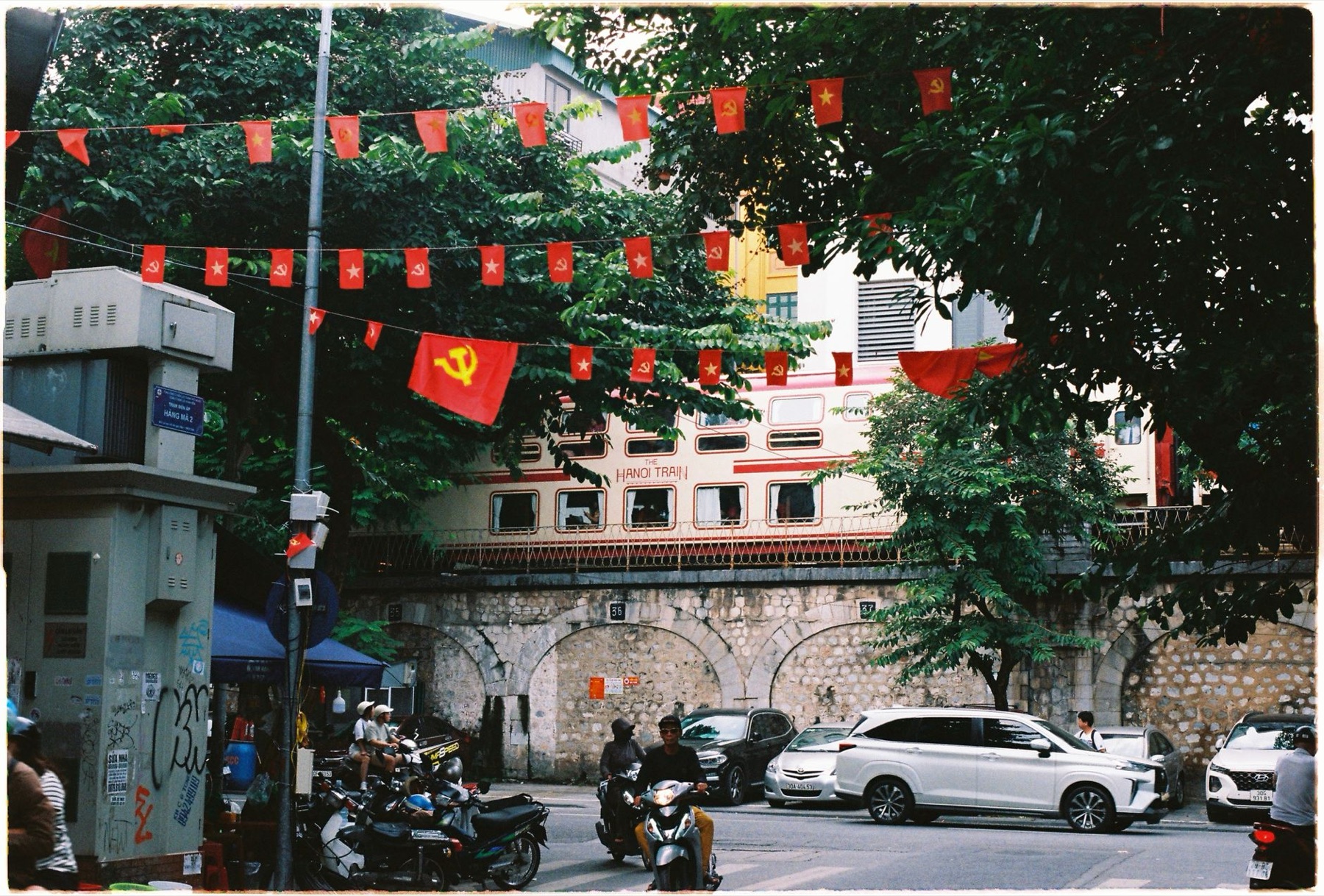
Instead of mass-produced "Vietnam" souvenirs, invest in items with real craft and local origin. Hand-embroidered textiles from Hanoian workshops (not tourist shops) cost 300,000–800,000 VND ($12–$32) and support artisans. Lacquerware from traditional family studios in nearby areas is durable and often engraved with your name or a date. Coffee from single-origin Vietnamese regions (Ba Vi mountain coffee, for example) in vacuum-sealed packs runs 150,000–300,000 VND ($6–$12) and tastes infinitely better than instant café coffee sold at airport terminals.
Browse our gift collections including keepsake and memory gifts and personalized items that work beautifully for Hanoi mementos.
| Gift Type | Best For | Real Price Range | Why It Works |
|---|---|---|---|
| Hand-embroidered textile | Someone who appreciates craft | 300,000–800,000 VND ($12–$32) | Supports local artisans; each piece unique |
| Single-origin Vietnamese coffee | Coffee lovers; return travelers | 150,000–300,000 VND ($6–$12) | Tastes better than retail; lasts months |
| Traditional lacquerware | Home décor enthusiasts | 400,000–1.2M VND ($16–$48) | Durable; improves with use; can be personalized |
| Silk scarves (from family workshops) | Accessories-focused travelers | 200,000–500,000 VND ($8–$20) | Lightweight; genuinely made in Hanoi |
| Ceramic plates/bowls | Kitchen-focused travelers | 100,000–300,000 VND ($4–$12) | Practical; dishwasher-safe; story-rich |
🎟️ Compare tours & tickets for this place
What to check before you book or buy:
- Old Quarter guide: Confirm experience level (5+ years Hanoi-based, not freshly trained). Ask if the guide avoids commercial "stops."
- Water puppet tickets: Buy direct from the theatre box office or its official site. Third-party sellers add 50,000+ VND markup.
- Lakeside temples: Check opening hours before 6 am visits; some restrict pre-dawn entry. Dress code is enforced.
- Street food: Eat where there's a queue of locals. If only tourists are eating, the price is inflated.
- Night market items: Test the quality immediately (electronics, seams, zippers). No refunds once you've left the stall.
- Gifts: If buying lacquerware or textiles, ask the vendor if it's made in-house or imported. Price reflects authenticity.
---
When should you visit Hanoi to experience these five things at their best?
October–November and February–March offer cool, clear weather—ideal for walking Old Quarter alleys and cycling Ho Tay. Avoid July–August (40°C+ heat, humidity) and Tết (lunar new year, January–February), when markets close and prices spike. May–June and September–October are shoulder seasons: fewer crowds, reasonable weather, decent prices.
---
How do these activities fit into a longer Vietnam trip?
From Hanoi, you can reach Ha Long Bay in 2 hours (limestone karsts, overnight boat cruises), Ninh Binh in 1.5 hours (caves, cycling), and Sapa in 4–5 hours (mountains, trekking). A week-long Vietnam itinerary might be: 3 days Hanoi, 2 days Ha Long, 2 days Ninh Binh. Extend to 10 days and add Hoi An's tailoring culture and Ho Chi Minh City's energy. Before departure, grab a Vietnam e-visa (usually approved in 24 hours) and a local eSIM (works nationwide, avoids roaming charges).
---
For mementos that last, consider personalizing gifts with dates, names, or meaningful coordinates. We offer engraved keepsake items, star map prints, and memory-focused gifts that pair perfectly with Hanoi travel photos—especially if you book an ao dai photoshoot with Cáo Studio, where professional hair, makeup, and styling turn your Hanoi outfit into a polished keepsake.
---
FAQ
Is it safe to eat street food in Hanoi?
Yes, if you follow one rule: eat where locals queue. High turnover means fresh food. Avoid stalls with stagnant crowds, visibly unclean prep areas, or English menus targeting tourists. Street food causes fewer stomach issues than restaurant food because high heat kills pathogens. Your biggest risk is unfamiliar spices, not hygiene.
How much should I budget per day for food, transport, and activities in Hanoi?
Budget 200,000–500,000 VND ($8–$20) daily for food (eating where locals eat), 50,000–200,000 VND ($2–$8) for transport (taxis, buses), and 100,000–200,000 VND ($4–$8) for one paid activity (theatre, guide, temple donation). A comfortable traveler spends 400,000–800,000 VND ($16–$32) per day excluding accommodation.
Do I need a guide for Old Quarter exploration?
No, but one transforms the experience. Without a guide, you'll repeat tourist routes and miss the alley food culture. With one, you'll eat where locals eat, avoid scams, and understand neighborhood history. Invest 200,000–400,000 VND ($8–$16) for 2–3 hours if you have limited time.
What's the best way to get around Hanoi?
Walk for Old Quarter and Ho Tay. Use Grab (ride-hailing app, similar to Uber; 30,000–80,000 VND / $1.20–$3.20 per ride) or taxis for longer distances. Bus fares are cheap (5,000–10,000 VND / $0.20–$0.40) but confusing without Vietnamese language. Bicycles (50,000 VND / $2 per day) work for lake loops if you're comfortable in light traffic.
Are the tourist scams in Hanoi as bad as they say?
Most scams target drunk nightlife tourists. Avoid: tuk-tuk drivers offering "closed temple" redirects, motorbike "tours" that end in gem shops, and street "map sellers" who ask where you're from. If you eat where locals eat, hire guides through your guesthouse, and buy market goods on the spot, you'll avoid 95% of them. The city is safer and friendlier than its reputation suggests.
Can I visit Hanoi in one day?
Technically, yes: 3 hours Old Quarter walking, 1 hour water puppet show, 2 hours Ho Tay temple cycling. You'll see sights but miss the actual experience. Stay minimum 2–3 days to eat properly, talk to locals, and absorb the pace. Hanoi rewards slowness.
FAQ
Is it safe to eat street food in Hanoi?
Yes, if you follow one rule: eat where locals queue. High turnover means fresh food. Avoid stalls with stagnant crowds, visibly unclean prep areas, or English menus targeting tourists. Street food causes fewer stomach issues than restaurant food because high heat kills pathogens. Your biggest risk is unfamiliar spices, not hygiene.
How much should I budget per day for food, transport, and activities in Hanoi?
Budget 200,000–500,000 VND ($8–$20) daily for food (eating where locals eat), 50,000–200,000 VND ($2–$8) for transport (taxis, buses), and 100,000–200,000 VND ($4–$8) for one paid activity (theatre, guide, temple donation). A comfortable traveler spends 400,000–800,000 VND ($16–$32) per day excluding accommodation.
Do I need a guide for Old Quarter exploration?
No, but one transforms the experience. Without a guide, you'll repeat tourist routes and miss the alley food culture. With one, you'll eat where locals eat, avoid scams, and understand neighborhood history. Invest 200,000–400,000 VND ($8–$16) for 2–3 hours if you have limited time.
What's the best way to get around Hanoi?
Walk for Old Quarter and Ho Tay. Use Grab (ride-hailing app, similar to Uber; 30,000–80,000 VND / $1.20–$3.20 per ride) or taxis for longer distances. Bus fares are cheap (5,000–10,000 VND / $0.20–$0.40) but confusing without Vietnamese language. Bicycles (50,000 VND / $2 per day) work for lake loops if you're comfortable in light traffic.
Are the tourist scams in Hanoi as bad as they say?
Most scams target drunk nightlife tourists. Avoid: tuk-tuk drivers offering "closed temple" redirects, motorbike "tours" that end in gem shops, and street "map sellers" who ask where you're from. If you eat where locals eat, hire guides through your guesthouse, and buy market goods on the spot, you'll avoid 95% of them. The city is safer and friendlier than its reputation suggests.
Can I visit Hanoi in one day?
Technically, yes: 3 hours Old Quarter walking, 1 hour water puppet show, 2 hours Ho Tay temple cycling. You'll see sights but miss the actual experience. Stay minimum 2–3 days to eat properly, talk to locals, and absorb the pace. Hanoi rewards slowness.
More: Hanoi guide · Things to do in Hanoi