Ho Chi Minh City · Things to do
Free Things to Do in Ho Chi Minh City: Honest Hangs & No-Cost Spots
By Wander in Vietnam editorial team · Hanoi, Vietnam
Ho Chi Minh City costs money—but not everywhere. We've spent hundreds of days exploring neighborhoods, markets and alleys where tourists and locals hang for nothing. No paid tours, no entrance gates: just real streets, real food and real people. Here's what actually works.
Which free markets let you walk around for hours?
Bến Thành Market (District 1, Quảng Trường) is the most famous, and yes, it's tourist-heavy. But mornings before 8am—or late afternoons after 5pm—feel lived-in. The energy is genuine: flower vendors, cloth traders, spice piles. Walking through costs zero. Many vendors let you taste fruit or coffee if you're respectful; spending 20,000–30,000 VND (~$0.80–$1.20 USD) on a sandwich or sugar cane juice makes you feel part of it. For a less-crowded market experience, Bình Tây Market (District 6, Thạnh Lộc ward) or Hạ Nước Market (District 7) draw fewer foreign backpackers and offer better smells, chaos and energy.
Tip: Go with small bills (5,000 and 10,000 VND notes). Haggling works on anything bundled or slow-moving; single items have fixed prices.
Are temples and pagodas actually free to enter?
Most are. Jade Emperor Pagoda (District 1, Trần Hưng Đạo) requires no donation—locals leave small offerings (a few thousand VND) in boxes, but it's optional. Photography rules vary; always ask or observe before shooting. Thiên Hậu Temple (District 5, Hải Bà Trưng) and Giac Lâm Pagoda (District 11, Lac Long Quan) are older, less polished, and feel more authentic. Tourist-heavy pagodas (Bà Thiên Hậu in District 5, or Bình An Temple) often suggest "donations" at the gift shop: politely decline if you're budget-conscious. We've never been charged an official entrance fee at any working temple in HCMC, though tourists sometimes feel social pressure to contribute.
Scam to avoid: Unofficial "monks" outside temples offering "blessings" for money are not temple staff. Real monks stay inside.
What riverside walks are actually worth your time?
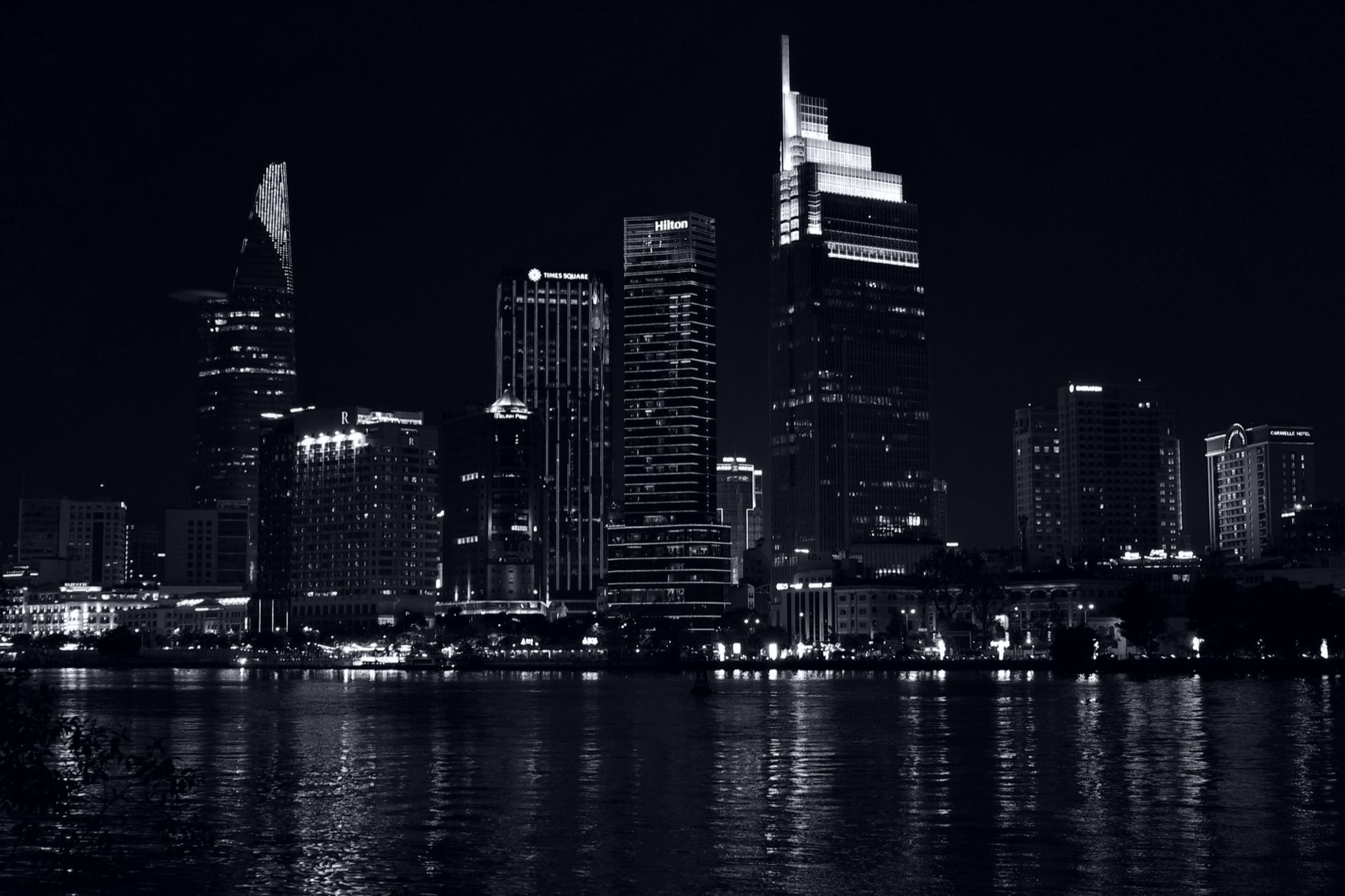
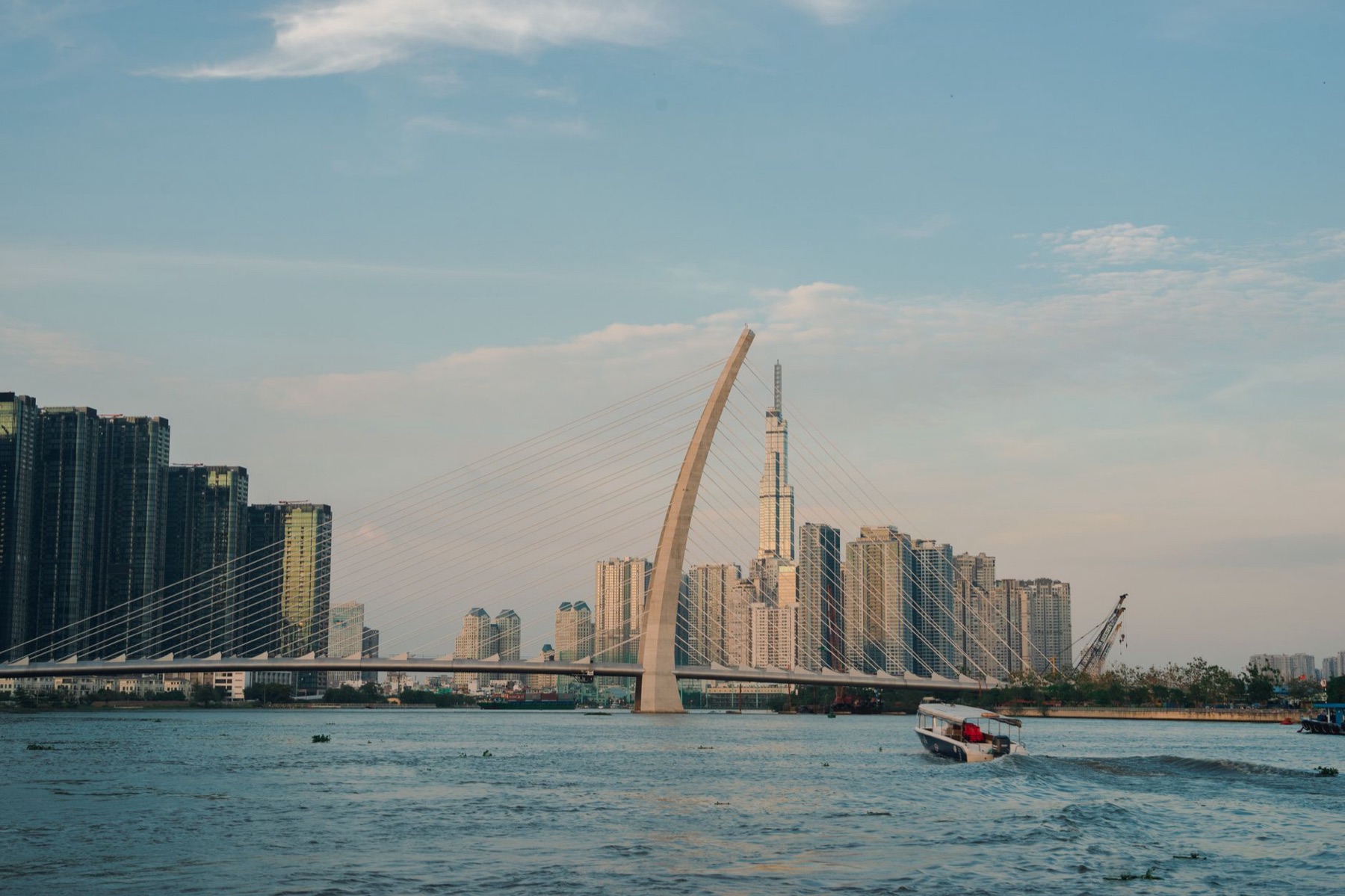
The Saigon Riverside park stretch (District 1, from near Rạch Kiến to Nguyễn Huệ) is free, tree-lined and busy with couples, joggers and food carts. Sunset (around 5:30–6:30pm) brings dozens of street food vendors and a calm crowd. Walk north from Rạch Kiến toward the Bitexco building or south past the old financial district—the water, architecture and air change every 500 meters. Early mornings (6–7am) are quieter for photos.
The Thảo Điền ward (District 2, less touristy) has bike lanes and parks along the Saigon River; fewer vendors but genuinely pleasant. Crossing from District 1 to District 2 on foot takes 20 minutes and feels like leaving the city.
What to expect: Motorbikes use some paths; keep left. No lifeguards or facilities—bathrooms are paid (5,000 VND in nearby eateries, ~$0.20 USD).
Which neighborhoods are best for free walking tours (on your own)?
District 1 (central, colonial): Lý Tự Trọng, Ngô Đức Kế, Hàm Nghi streets showcase French villas, old banks, bookshops and cafes from the 1920s–50s. No guide needed. Walk at a crawl: architecture, signs, shutters and tiles tell stories. Budget 2–3 hours; stop for a coffee (25,000–40,000 VND, ~$1–$1.60 USD) mid-route. This area is cleanest, safest and most walkable for first-timers.
District 3 (local, less touristy): Võ Văn Tần, Trần Hưng Đạo areas have dive bars, noodle shops, used-book stalls and older shophouses. Fewer tourists means less attention and more authentic daily rhythm. Parks (Tao Đàn Park, free, quiet) dot the ward. Sundays feel busiest and most social.
District 5 (Chợ Lớn, Chinatown): Nguyễn Trãi, Trần Nhân Tông, Châu Văn Liêu streets buzz with gold shops, dim sum restaurants, herbal medicine stores and lanterns. The texture is chaotic and old. Go with no plan; get lost intentionally. Expect to spend on food, not walking. Early mornings (7–8am) show food wholesalers and cleaners at work.
How do street food markets and night eats stay free to explore?
Walking through any night market (Bến Thành's evening section, or neighborhood markets like Tây Sơn in District 5) costs nothing. Eating costs 15,000–50,000 VND (~$0.60–$2 USD) per item: bánh mì, noodles, grilled fish, fresh spring rolls, mango with chili. The rule: order one small thing, sit on a plastic stool, and observe. No pressure to rush. Night markets come alive 5–10pm; by 11pm many stalls close. Street food stalls on Bùi Viện (District 1, tourist strip) or Nguyễn Huệ pedestrian areas are busy but pricier and less authentic. Locals eat on sidewalks in Districts 3, 5, 6, and 10—follow foot traffic and noise.
Real prices (2026): Bánh mì Việt 15,000–25,000 VND (~$0.60–$1 USD). Phở 30,000–45,000 VND (~$1.20–$1.80 USD). Sugar cane juice 10,000–15,000 VND (~$0.40–$0.60 USD).
What to check before you buy:
- Bring cash (5,000, 10,000, 20,000 VND notes). Stalls rarely take cards.
- Ask the price before ordering; it's standard practice.
- Eat where lines form; turnover = fresh ingredients.
- Avoid tap water; buy bottled or order hot drinks (heat kills bacteria).
- Single plastic stools are normal; sit close to stall owners.
- Stomach upset is possible; start small and trust your gut (literally).
Comparing Souvenir Options for Travel Memories
If you want to carry free experiences home, consider these types for different budgets and stories:
| Item type | Best for | Price range | Why it works |
|---|---|---|---|
| Star map print (your visit date & location) | Couples, milestone trips, wall art | From $15 | Personalizes your exact HCMC visit to tangible art |
| Engraved keepsake box | Storing market finds, notes, local coins | From $20 | Protects memories from street market hauls |
| Travel journal (blank or prompt-based) | Documenting free walks, overheard stories | From $12 | Turns observation into reflection without guides |
| Wooden travel checklist | Planning next HCMC return or Vietnam route | From $18 | Converts wandering into intentional future trips |
Link to personalized keepsake collections after your trip to preserve the feeling.
🗺️ Plan your route: Vietnam itinerary
Is there a "free" museum or gallery day?
Most official museums charge 40,000–100,000 VND (~$1.60–$4 USD). No blanket free-entry day exists. However, many small temple-run art spaces, community centers and artist studios in Districts 1, 3 and 7 welcome viewers without fees—donations suggested. The Fine Arts Museum (Phó Đức Chương) and War Remnants Museum (Võ Văn Tần) are worth the fee, but budget accordingly. Street art isn't organized; walk alleys in District 1 (Bùi Viện side lanes) or Gò Vấp for murals and graffiti.
What free viewpoints and photo spots work for sunsets?
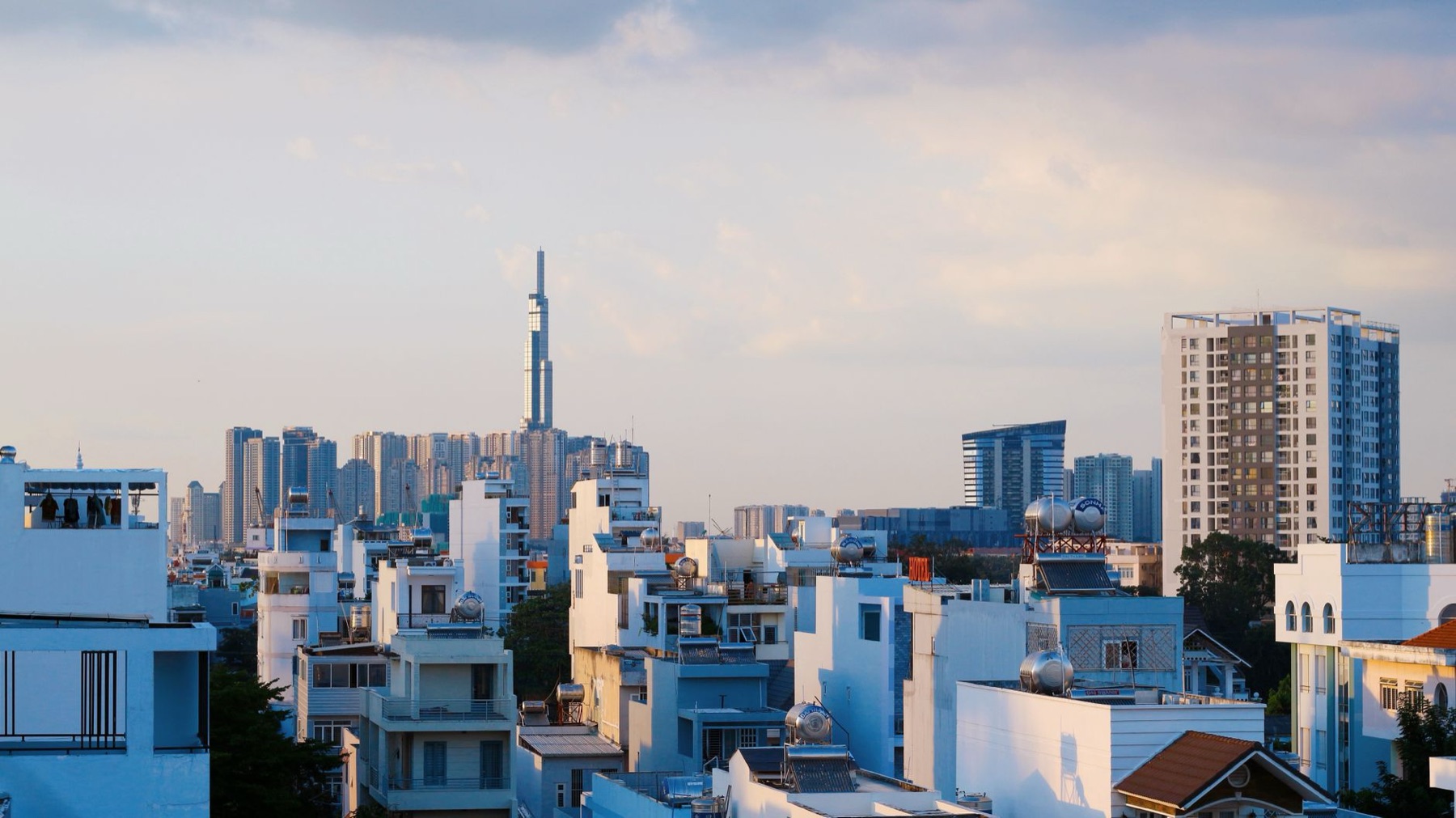
The Bitexco rooftop bar area (entrance ~100,000 VND, ~$4 USD; free if you order a drink at 60,000+ VND, ~$2.40+ USD) overlooks the river. Cheaper: climb parks, or walk Rạch Kiến embankment at dusk for golden light on water. Many travelers photograph the Tao Đàn Park gazebo area or the Reunification Palace exterior (no entry fee to photo from street). Ben Thanh Market's exterior at night (neon signs, plastic chairs) photographs well and stays alive until 9–10pm.
Pro tip: Sunsets happen 5:15–5:45pm year-round (slow shift with seasons). Arrive 20 minutes early for light, stay 30 minutes after for colors to deepen.
Which neighborhoods avoid tourist scams and feel safe at night?
Districts 1, 3, 5, 6 and 7 are generally safe after dark if you're aware. Avoid unlabeled taxis; use Grab (app-based) instead. Don't accept "tours" from street touts offering motorbike rides to jewelry or tailoring shops—that's a common scam. Keep bags zipped and phone pocketed. Walk in small groups if possible. Drunk tourists in District 1 near Bùi Viện attract pickpockets; stay alert there after 10pm.
We recommend exploring Hanoi & broader Vietnam to compare urban energy across regions—each city's free activities reflect local character.
📸 Book an ao dai photoshoot in Hanoi or Saigon (Cáo Studio)
---
A Simple Checklist for a Free Day in HCMC
- [ ] Start 6–7am at a local coffee stall (30,000 VND, ~$1.20 USD).
- [ ] Walk one colonial street in District 1 or 3 (2 hours).
- [ ] Eat lunch at a street corner (40,000–60,000 VND, ~$1.60–$2.40 USD).
- [ ] Visit one temple or pagoda (free).
- [ ] Afternoon market wander (Bến Thành or a local one).
- [ ] Riverside walk at sunset (5–6:30pm, free).
- [ ] Night market food crawl (50,000–100,000 VND, ~$2–$4 USD for 2–3 items).
- [ ] Walk back to hotel or grab Motorbike (50,000–100,000 VND, ~$2–$4 USD).
Total free/low-cost day: 190,000–350,000 VND (~$7.60–$14 USD per person, food included).
Ready to Preserve Your Experience?
After days of free walking and market-hopping, capture the memory. A personalized travel keepsake or engraved box transforms wandering into something tangible. Pair it with photos from an ao dai shoot (Cáo Studio) to document your HCMC style.
🎟️ Compare tours & tickets for this place
For deeper explorations beyond HCMC, check our guides on Hoi An, Ha Long Bay, Ninh Binh and Sapa. Budget travelers often save by staying longer in one city—HCMC rewards that approach.
---
FAQ
Do I need a tour guide to enjoy HCMC's free spots?
No. Walking independently through markets, temples, and neighborhoods is safer and more immersive. Use Google Maps offline, bring a phrasebook (25,000 VND, ~$1 USD, or free app), and ask locals. Guides add context but cost 300,000–800,000 VND (~$12–$32 USD) per group.
Are street food stalls in markets hygienic?
Standards vary widely. Eat where crowds gather (high turnover = fresher food). Cooked items are safer than raw. Avoid tap water; bottled water costs 5,000–10,000 VND (~$0.20–$0.40 USD). Stomach sensitivity is common; start small.
What's the best time of year for free walking tours?
November–February (cool, dry, 20–25°C / 68–77°F). April–May and September–October are humid and hot (30–35°C / 86–95°F); walks are exhausting. Rainy season (July–August) means sudden downpours; bring a light poncho (40,000 VND, ~$1.60 USD, at convenience stores).
Can I photograph inside temples and markets?
Ask first. Most temples allow photos except at active altars. Markets rarely object; some stall owners prefer you don't shoot their faces. Be respectful and move on if told no. Temples' gift shops sometimes object to photos of art—comply quietly.
How do I get an eSIM or visa before arriving?
Grab a Vietnam eSIM (works 5–30 days) before landing for instant data; activate it in-country. For visas, apply online before travel or on arrival (slower, riskier). Both take 5–10 minutes and let you stay connected to maps and Grab throughout free explorations.
FAQ
Do I need a tour guide to enjoy HCMC's free spots?
No. Walking independently through markets, temples, and neighborhoods is safer and more immersive. Use Google Maps offline, bring a phrasebook (25,000 VND, ~$1 USD, or free app), and ask locals. Guides add context but cost 300,000–800,000 VND (~$12–$32 USD) per group.
Are street food stalls in markets hygienic?
Standards vary widely. Eat where crowds gather (high turnover = fresher food). Cooked items are safer than raw. Avoid tap water; bottled water costs 5,000–10,000 VND (~$0.20–$0.40 USD). Stomach sensitivity is common; start small.
What's the best time of year for free walking tours?
November–February (cool, dry, 20–25°C / 68–77°F). April–May and September–October are humid and hot (30–35°C / 86–95°F); walks are exhausting. Rainy season (July–August) means sudden downpours; bring a light poncho (40,000 VND, ~$1.60 USD, at convenience stores).
Can I photograph inside temples and markets?
Ask first. Most temples allow photos except at active altars. Markets rarely object; some stall owners prefer you don't shoot their faces. Be respectful and move on if told no. Temples' gift shops sometimes object to photos of art—comply quietly.
How do I get an eSIM or visa before arriving?
Grab a [Vietnam eSIM](/vietnam/esim) (works 5–30 days) before landing for instant data; activate it in-country. For visas, apply [online before travel](/vietnam/visa) or on arrival (slower, riskier). Both take 5–10 minutes and let you stay connected to maps and Grab throughout free explorations.
More: Ho Chi Minh City guide · Things to do in Ho Chi Minh City