Hanoi · Things to do
Fun Things to Do in Hanoi: Local Insider's Guide 2026
By Wander in Vietnam editorial team · Hanoi, Vietnam
Hanoi moves at two speeds—the frantic energy of tourists chasing Instagram angles, and the slower rhythm where residents actually live. The separation isn't accidental. Once you know where to step off the main drag, the city rewards you with mornings that cost nothing but time, afternoons that feel like accidents, and dinners that rival any restaurant on TripAdvisor.
We've spent enough time navigating Hanoi's 36 streets (yes, actually that many named after the goods they once sold) to know which activities burn through cash and boredom simultaneously, and which ones anchor a real memory. Here's how to find them.
What makes water puppet theater worth a night out?
Water puppetry isn't a folk relic you tick off; it's the only art form where wooden characters genuinely move you. Two-hour shows run nightly at Thang Long Water Puppet Theatre (east of Hoan Kiem Lake) and Hanoi's Golden Dragon Water Puppet troupe. Tickets sit around 100,000–200,000 VND ($5–10 USD), seating fills by 7 p.m., and the pre-show arrives 20 minutes early if you want decent sightlines. The puppeteers work waist-deep in water behind a silk screen, manipulating rods invisible to you. First 15 minutes feel confusing (no dialogue, live music). By minute 20 you've stopped reading the program. By the end, you're watching faces carved from wood tell stories about rice harvests, love, and war in a way that makes sense without words. Skip the tourist-trap versions advertised in your hotel lobby; book directly or ask your accommodation's staff for the real address.
📸 Book an ao dai photoshoot in Hanoi or Saigon (Cáo Studio)
Which neighborhoods reveal Hanoi's real character?
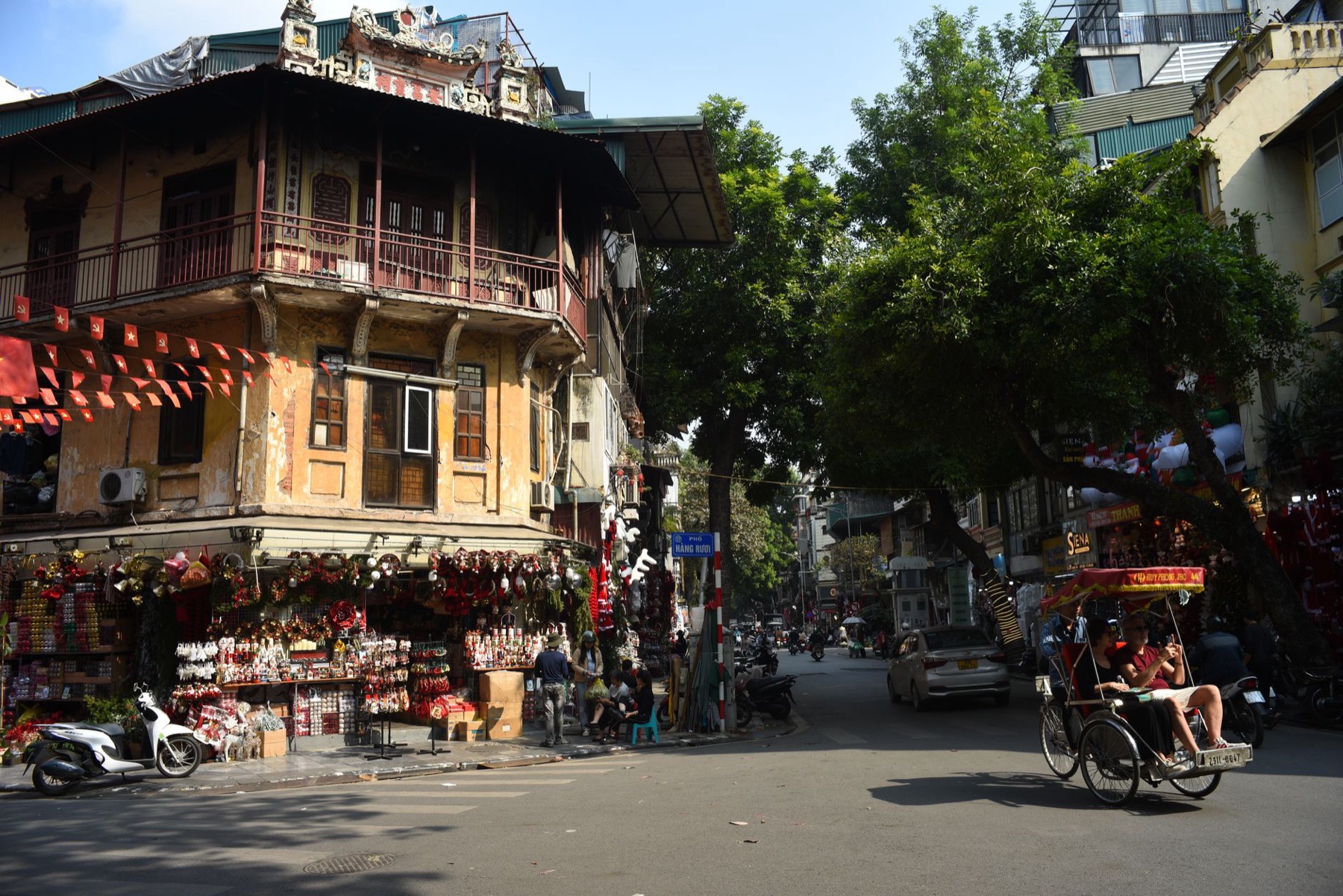
The Old Quarter (Hoan Kiem district, around Hang Dao and Hang Buom streets) is where tourists sleep three to a room and elbow through night markets. It's alive and worth one evening walk—but not your base. For actual Hanoians:
- Truc Bach (Ba Dinh district, north shore of Tay Ho Lake): narrow streets, family-run coffee shops where regulars sit for 4 hours on one coffee, bakeries selling fresh bread at dawn. No English menus. No tuk-tuks circling. Parking is local motorbikes. Morning swim at the lake edge, then egg coffee at a café watching cyclo drivers pass.
- Tay Ho (Ba Dinh, west side of the lake): embankment bars, art galleries converted from old villas, weeknight jazz that draws expats and curious locals. Fewer backpackers than Old Quarter; fewer "happy hour" gimmicks than other expat zones.
- Hoang Mai (east side, towards Long Bien Bridge): working-class residential, weekend flower markets, uncrowded pho shops where a bowl costs 25,000–35,000 VND ($1.25–1.75 USD) and no one's timing your stay. Visit for the market, stay for the texture.
Biking these neighborhoods on a hired bike (50,000 VND/day, around $2.50 USD, from guest houses) teaches you the city faster than any walking tour with commentary.
How do you skip the scams and eat where locals eat?
The largest scams in Hanoi cluster around:
- Cyclo "guided tours" that end at overpriced silk or lacquerware shops—the driver earns commission whether you buy or not.
- Unmarked taxis (use Grab app instead; set pickup/dropoff before confirming, see the price upfront).
- Street-food "tours" charging $20+ per person to show you $2 worth of food. Ask your host instead.
- Beer hoi (draught beer) joints in the Old Quarter where a tiny plastic stool costs 50,000 VND but feels like $5 because the waiter watches you drink and keeps "suggesting" expensive dried squid.
For real eating: skip restaurant rows. Walk into places with zero English signage where 10 locals are seated on child-sized plastic stools eating the same thing. Pho Ga (chicken pho) in the mornings, Pho Bo (beef pho) for lunch, Bun Cha (grilled pork with rice noodles) for dinner. Expect 30,000–50,000 VND per bowl ($1.50–2.50 USD). Coffee and croissants at Fanny's Ice Cream (French colonial café vibe, tourist-friendly but genuine) run 30,000–60,000 VND ($1.50–3 USD). Street vendor egg coffee (cà phê trứng) costs 25,000–40,000 VND ($1.25–2 USD)—creamy, sweet, unlike anything else. Morning soup (cháo) at a random stall: 15,000–25,000 VND (75¢–$1.25 USD).
🗺️ Plan your route: Vietnam itinerary
What day trips actually deliver, and which feel like chores?
Worth the half-day or full day:
| Destination | Distance | Why Go | Honest Take |
|---|---|---|---|
| Bat Trang pottery village | 20 km southeast | Throw clay, see kilns, buy pots directly from makers | Touristy but functional; go early (7–9 a.m.) before buses arrive |
| Duong Lam ancient town | 45 km, 1.5 hours | 400-year-old village, tile-roofed houses, rural landscape | Quiet, walkable, zero hassle; good for photos |
| Ha Tay province (coconut villages) | 30 km | Canoe through coconut plantations, lunch in family homes | Comfortable but staged; still genuine interaction |
| Yen So Park | 15 km | Limestone karst, freshwater lake, quiet escape | Less famous than Ha Long Bay; fewer crowds |
Skip: Soc Son and other "monkey rescue sanctuaries" that confine primates in poor conditions. Skip "traditional craft villages" advertised by hotel staff if they include a shop stop. Skip bus tours selling "4 villages in one day"—you'll see none well.
Grab a bike rental or negotiate a private driver (250,000–500,000 VND for 8 hours, $12–25 USD, negotiable based on distance) and control your pace. Overnight trips to Ha Long Bay, Ninh Binh, or Sapa offer richer payoff than rushing back the same day.
How can you carry Hanoi memories home thoughtfully?
Hanoi's best portable memories aren't mass-market souvenirs—they're personalized items that capture the exact version of the city you experienced:
- Star map prints or engraved keepsakes with your Hanoi arrival date, perfect for anyone who wants to remember not just the place but the moment. Browse personalized gift collections to find options that print your specific dates, coordinates, or custom text.
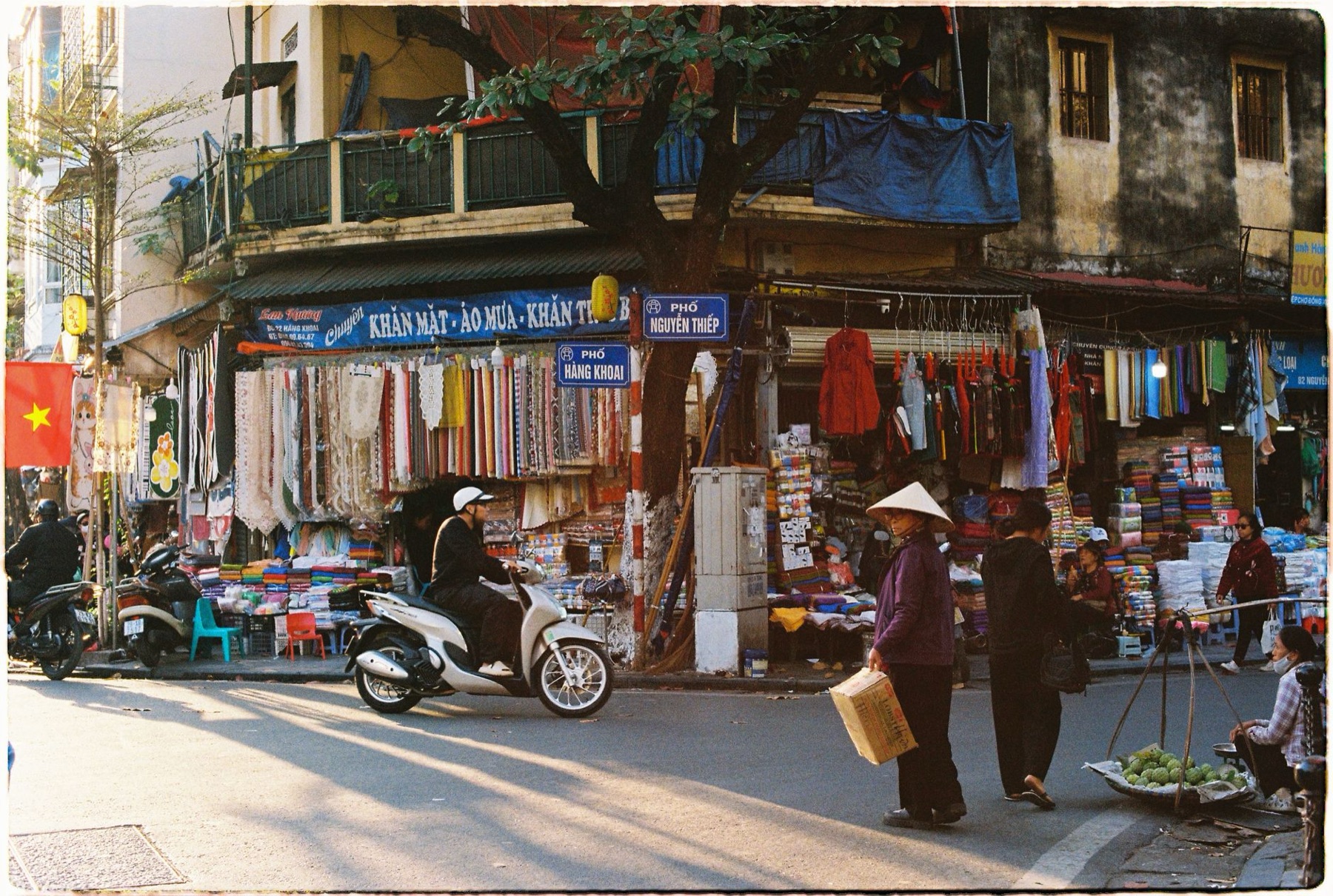
- Silk scarves from Hang Gai Street (the silk district, Old Quarter) showing traditional Hanoi motifs—20th-century lantern designs, water puppet characters, ancient townhouses. Budget 150,000–400,000 VND ($7–20 USD) for genuine silk.
- Lacquerware from family workshops in Gia Lam district: coasters, boxes, trays with mother-of-pearl inlay. 100,000–500,000 VND ($5–25 USD) depending on size and detail.
- A coffee blend or egg-coffee starter kit from a specialty roaster in Truc Bach—beans from Da Lat, the instructions, and the memory of sitting lakeside in the morning.
For something more lasting, consider an ao dai photoshoot in Hanoi with professional hair and makeup—you'll wear the traditional dress, get styled, and leave with images that capture you in the city's essence. Cáo Studio handles wardrobe, makeup, and outdoor/indoor locations across Hanoi neighborhoods.
If you're sending something home to loved ones, Hoa Lang Thang delivers fresh flowers in Hanoi—a way to share the moment without luggage weight.
🎟️ Compare tours & tickets for this place
What's the honest trap tourists fall into most?
Over-scheduling. An 8 a.m. start to "see everything," lunch at a restaurant your guidebook rated 4.9 stars, then a "sunset cyclo tour" and night market crawl leaves you exhausted and with zero authentic memory. You've eaten what the menu writers chose, seen what the schedule allowed, and talked to people paid to listen.
Hanoi's best moments happen when you're idle: a coffee stop that turns into three hours because the owner's daughter is learning English, a wrong turn that lands you in a neighborhood feast, an unplanned detour to a small pagoda where tourists don't cluster. The city rewards slowness. Block two or three full mornings for "nothing specific"—your best story will come from those hours.
What to check before you book or buy
- Booking water puppet shows? Confirm the show time on the theater's official website, not your hotel desk. Prices fluctuate by season.
- Hiring a private driver? Agree on the full itinerary, total cost, and fuel responsibility before leaving your hotel. Get a mobile number, not just a hotel booking.
- Buying silk or lacquerware? Ask the shopkeeper how long the piece has been in stock. Older = authentic. New = sometimes plastic-backed. Request a receipt with material composition.
- Joining a street-food tour? Ask what's included (how many stops, how much food per stop, whether drinks are separate). Compare cost-per-meal to eating independently. Tours worth doing are those led by a local who eats there daily, not a retired tour guide following a script.
- Checking travel insurance and visa requirements? Confirm your Vietnam e-visa status and eSIM coverage so you can actually message your driver if plans change.
---
We've organized hundreds of Hanoi itineraries—the pattern is always the same: the people who move slowest, eat where they're unsure, and talk to strangers leave with the best stories. The city doesn't reward efficiency; it rewards curiosity and patience.
FAQ
Is the Old Quarter worth staying in if I want to experience "real Hanoi"?
The Old Quarter is real—just the touristy version of real. Stay one or two nights to feel it, then move to Truc Bach or Tay Ho where residents actually sleep. Old Quarter nightlife (beer hoi, street food, chaos) is authentic; it's just shared with 2,000 other travelers.
How many days should I spend in Hanoi before heading to Ha Long Bay or Hoi An?
Three full days minimum. Day 1: Old Quarter, Hoan Kiem Lake, acclimatize. Day 2: bike a residential neighborhood, water puppet show at night. Day 3: day trip to Bat Trang or Duong Lam, or full-day motorbike rental to Tay Ho, Truc Bach, lesser-known pagodas. Four days lets you breathe.
What's the best time to visit Hanoi, and does weather actually change activities?
October–November (cool, dry) and March–April (warm, blooming). June–August is humid and hot; many locals leave. November–February can be gray and cool. Rain doesn't cancel most activities; it just makes cyclo rides slower and pagoda visits quieter. Pack a light rain jacket year-round.
Should I book tours in advance or find them on the ground?
On the ground. Booking from home often means a pre-recorded spiel and herded groups. Arriving and asking your host, or finding a small-group booking at your hotel, gives you flexibility, better prices, and better guides—they're not yet burned out by noon.
Are motorbike taxis (Grab Bike) safe in Hanoi?
Yes, if you use the Grab app (not street hails). The driver is rated, insured, and tracked. Set your pickup/dropoff in the app before confirming. Wear a helmet. Costs half a regular taxi. Avoid motorbike "tours" where a driver takes you around for sightseeing—they're marketed to tourists, priced high, and distracting for safety.
FAQ
Is the Old Quarter worth staying in if I want to experience "real Hanoi"?
The Old Quarter is real—just the touristy version of real. Stay one or two nights to feel it, then move to Truc Bach or Tay Ho where residents actually sleep. Old Quarter nightlife (beer hoi, street food, chaos) is authentic; it's just shared with 2,000 other travelers.
How many days should I spend in Hanoi before heading to Ha Long Bay or Hoi An?
Three full days minimum. Day 1: Old Quarter, Hoan Kiem Lake, acclimatize. Day 2: bike a residential neighborhood, water puppet show at night. Day 3: day trip to Bat Trang or Duong Lam, or full-day motorbike rental to Tay Ho, Truc Bach, lesser-known pagodas. Four days lets you breathe.
What's the best time to visit Hanoi, and does weather actually change activities?
October–November (cool, dry) and March–April (warm, blooming). June–August is humid and hot; many locals leave. November–February can be gray and cool. Rain doesn't cancel most activities; it just makes cyclo rides slower and pagoda visits quieter. Pack a light rain jacket year-round.
Should I book tours in advance or find them on the ground?
On the ground. Booking from home often means a pre-recorded spiel and herded groups. Arriving and asking your host, or finding a small-group booking at your hotel, gives you flexibility, better prices, and better guides—they're not yet burned out by noon.
Are motorbike taxis (Grab Bike) safe in Hanoi?
Yes, if you use the Grab app (not street hails). The driver is rated, insured, and tracked. Set your pickup/dropoff in the app before confirming. Wear a helmet. Costs half a regular taxi. Avoid motorbike "tours" where a driver takes you around for sightseeing—they're marketed to tourists, priced high, and distracting for safety.