Ho Chi Minh City · Things to do
Fun Things to Do in Ho Chi Minh City: Real Itineraries & Activities
By Wander in Vietnam editorial team · Hanoi, Vietnam
Where should you actually spend your first day?
Most visitors land at Tan Son Nhat and head straight to District 1 (downtown). That's not wrong, but daylight fades fast. Start at Nguyen Hue Walking Street early morning (around 6 a.m.) when locals exercise and vendors set up—no crowds, no heat. Grab coffee from a street cart (around 15,000–25,000 VND / $0.60–$1 USD). Then walk to Notre-Dame Cathedral and Central Post Office for colonial architecture shots. Lunch at Ben Thanh Market's food court (around 80,000–150,000 VND / $3–$6 USD per bowl). Afternoon, hit War Remnants Museum (160,000 VND / $6.50 USD entry, 8:30 a.m.–noon, 1–5 p.m.). Skip the "French Quarter" label—District 1 is just the business core now.
🗺️ Plan your route: Vietnam itinerary
Which neighborhoods actually feel like Ho Chi Minh City—not tourist zones?
District 3 (Ba Dinh Ward and around Nguyen Hue extension) buzzes with local life: vintage cafés, cheap pho shops, motorbike repair stalls, and student hangouts. Walk Tran Hung Dao Street at sunset. A coffee in a heritage shophouse costs 20,000 VND ($0.80 USD). District 3 has zero English signage and zero tour buses—exactly what we seek.
District 5 (Cholon, the Chinese district) is chaotic, loud, and authentic. Binh Tay Market opens 6–11 a.m. and 3–6 p.m.; arrive early to see fishmongers and spice traders. A bowl of bánh chưng (sticky rice cake) costs 15,000–30,000 VND ($0.60–$1.20 USD). Avoid after dark and keep valuables close.
District 7 (Phu My Hung) feels like Bangkok—modern high-rises, expat restaurants, and riverside parks. It's sterile but safe, good for families or those fatigued by crowds. Waterfront dinner near Saigon River: around 300,000–500,000 VND ($12–$20 USD) per person.
| Neighborhood | Vibe | Best for | Transport | Scam Risk |
|---|---|---|---|---|
| District 1 | Colonial, touristy | History, museums, cafés | Walk, Grab | Medium (taxis overcharge) |
| District 3 | Local, bohemian | Authentic cafés, wandering | Walk, motorbike rental | Low |
| Cholon (D5) | Chaotic, Chinese | Markets, food hunting | Grab, bus | Medium (pickpockets) |
| District 7 | Modern, expat-heavy | Dining, parks, families | Walk, Grab | Very low |
| District 10 | Student, cheap | Nightlife, street food | Grab, walk | Low–medium |
📸 Book an ao dai photoshoot in Hanoi or Saigon (Cáo Studio)
What museums and historical sites are worth entering—and which are overrated?
War Remnants Museum (District 1, 28 Vo Van Tan): Confronting, powerful, and genuinely well-curated. Don't miss the second and third floors. 160,000 VND, 8:30 a.m.–noon, 1–5 p.m. Expect 2–3 hours. English labels are clear. Go early or late to avoid groups.
Reunification Palace (District 1, 135 Nguyen Hue Boulevard): The exterior is iconic; the interior tour (125,000 VND) is a 30-minute walk through empty rooms. Skip it unless you're deep into Cold War history. The courtyard photo is free.
Museum of Ho Chi Minh City (Tao Đàn Park, District 1): Small, well-lit, tells the city's pre-war story. 80,000 VND. Realistic, not essential. Go if you have a spare hour.
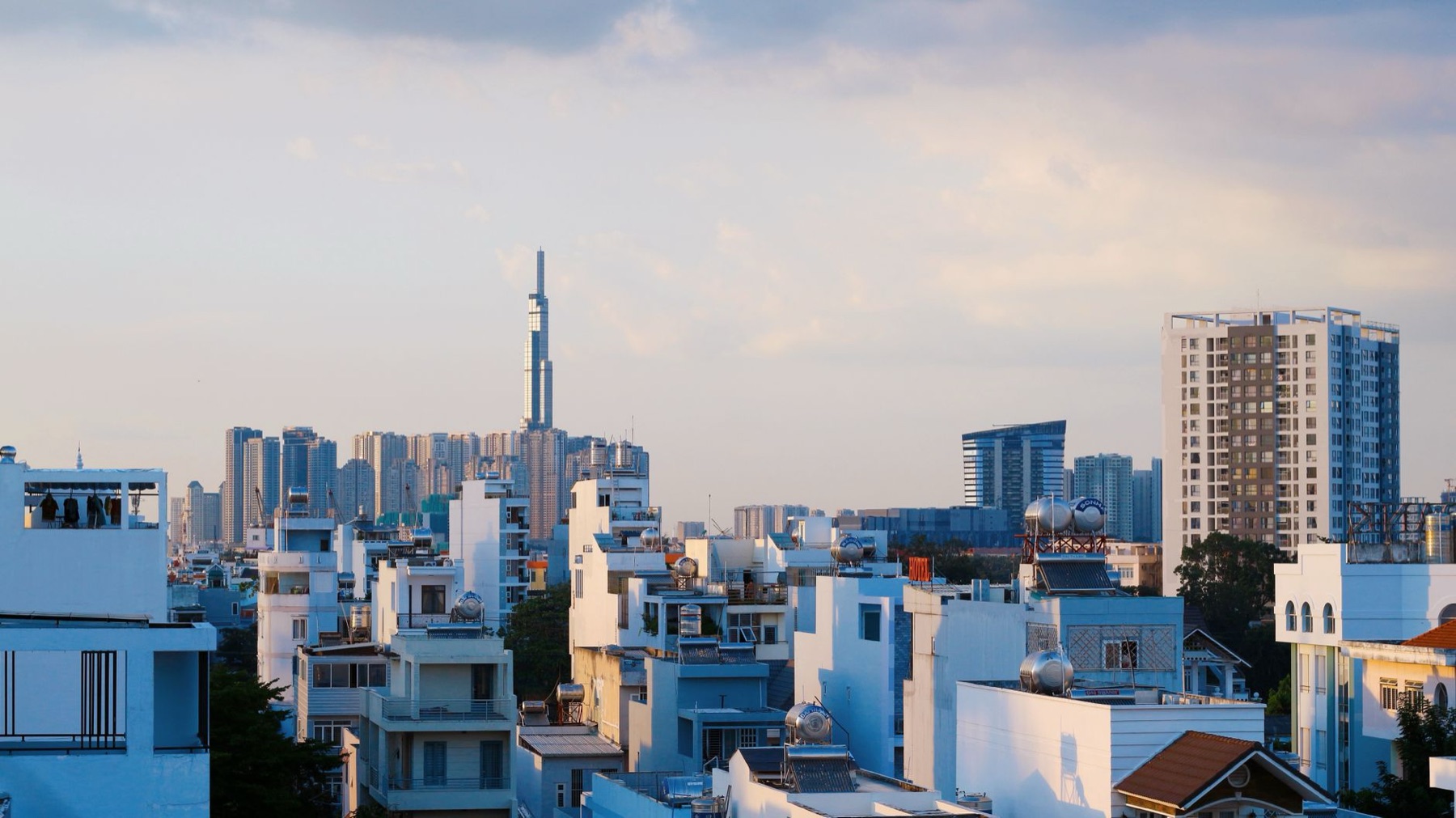
Bitexco Financial Tower (Skybar, District 1): A drinks view, not a historical site. One overpriced beer = 250,000 VND ($10 USD). The Saigon River view is okay from street level free. Skip the entry fee.
We skip: Jade Emperor Pagoda (cramped, commercialized) unless you're visiting nearby Cholon anyway.
What's the real cost of eating well without tourist markup?
A realistic daily food budget: Low-end: 200,000 VND ($8 USD) (street pho, bánh mì, iced coffee). Mid-range: 500,000 VND ($20 USD) (local restaurants, beer, lunch + dinner + snacks). Comfort: 1,000,000+ VND ($40+ USD) (expat zones, Western chains, riverside dining).
Street food is not cheap anymore: a bánh mì costs 30,000–50,000 VND ($1.20–$2 USD), up from 2022. A bowl of hủ tiếu (clear soup noodles) at a proper stall: 45,000–80,000 VND ($1.80–$3.20 USD). A beer at a corner bia hơi (draft beer stand): 15,000–25,000 VND ($0.60–$1 USD).
Honest take: eating at expat-tagged restaurants costs 200,000–400,000 VND ($8–$16 USD) per dish. Eating 10 meters away at the same quality: 80,000–120,000 VND ($3.20–$4.80 USD). Walk into alleys. Ask locals where they eat.
🎟️ Compare tours & tickets for this place
What kind of souvenir actually works for travelers—and what clogs suitcases?
Cheap mass-produced "Vietnam" key chains and painted coconuts belong in landfill. Real keepsakes from Ho Chi Minh City—ones we'd buy ourselves—fit these categories:
Lacquerware or wood crafts from artisan makers in District 3 or Cholon: bowls, boxes, small statues. A hand-painted lacquer box costs around 150,000–400,000 VND ($6–$16 USD). Durable, light, meaningful.
Photography or artwork as a personalized memory: an ao dai photoshoot in professional studio makeup and styling captures your trip better than any trinket. Book at Cáo Studio (available in Saigon too); a printed or canvas print afterward ties it together.
Preserved flowers or dried botanicals from Vietnam's Central Highlands or Mekong—pressed into resin keepsakes or framed. Lighter than lacquer, ships easily. We recommend commemorative flower or botanical-themed items that capture the landscape without bulk.
Coffee beans from Lam Dong or Dak Lak provinces (sold in District 1 specialty shops, not airport): around 120,000–200,000 VND ($5–$8 USD) per bag. High quality, compact, actual locals gift these.
Avoid: painted eggshells, lacquer paintings from tourist stalls (often fake), "handmade" silk scarves (mass-produced in factories visible on the street).
We stock keepsake boxes, star map prints, and custom memory pieces designed for travelers who want to remember places honestly—not just own a "Vietnam souvenir."
What common scams should you know, and how do you actually get around?
Taxi overcharge: Use Grab (motorbike or car) instead. Taxis won't use meters; they'll quote 300,000 VND ($12 USD) for a 15-minute ride worth 80,000 VND ($3.20 USD). Grab shows the fare upfront. Cost: around 50,000–120,000 VND ($2–$5 USD) per trip citywide.
Restaurant bill padding: Avoid menus with no prices or photos. At sit-down places, confirm total before paying. Street stalls are usually honest—you watch it being made.
Fake sim/eSIM delays: Buy a local SIM card at the airport (Viettel, Mobifone, Vinaphone) for around 50,000 VND ($2 USD) with 2 GB data. If you want to skip that, arrange a Vietnam eSIM before arrival for reliability.
Motorbike rental scams: Avoid "cheap rentals" near backpacker strips. Use Grab for point-to-point travel, or rent from a registered shop (around 100,000–150,000 VND / $4–$6 USD per day). Bring passport copy, not original.
Gem/silk shop hassles: Don't chat with friendly locals offering "deals" on jewelry; they'll take you to commission shops where "gemstones" cost triple normal price. Ignore.
Getting around: Motorbike taxis (Grab Bike) are fastest, cheap, and safe if you trust the driver. Walk in daylight, stay in main streets after dark. The bus system exists but is confusing for non-Vietnamese speakers. Grab is worth it for peace of mind.
What should you actually check before booking or buying anything here?
- For activities: Confirm opening hours the day before (many sites close Mondays or 12–1 p.m.). Book tours directly or via Grab if possible, not shady agents.
- For restaurants: Have the name, address, and Google Maps pin ready. Call ahead if it's small; family stalls often close early.
- For souvenirs: Buy from artists' stalls or maker shops in District 3 or Cholon, not airport vendors. Check weight (air cargo fees add up).
- For eSIM/visas: Arrange both before arrival. Vietnam e-visas take 3–7 business days; eSIM takes 1–2 days.
- For accommodations: Book dives in District 1 or 3; they're cheerful, cheap (200,000–400,000 VND / $8–$16 USD per night), and central.
- For photos: If you want styled keepsakes, book ao dai photography sessions at Cáo Studio in advance; same-day slots are rare.
---
Pro tip: Spend 3–4 days in Ho Chi Minh City: Day 1 in District 1 (history, museums), Day 2 exploring District 3 and 5 (local life, food), Day 3 for day trips or District 7 if fatigued. Use the time to understand the city's rhythm, not just tick boxes. Most travelers rush through in 48 hours and miss the best parts.
For longer Vietnam plans, we've got full city guides for Hanoi, Hoi An, Ha Long Bay, Ninh Binh, and Sapa. Start your itinerary here to connect Ho Chi Minh City with the rest of Vietnam honestly.
FAQ
Is Ho Chi Minh City safe for solo travelers?
Yes. Violent crime targeting tourists is rare. Pickpocketing in crowded markets (Cholon, Ben Thanh) and on crowded buses is the main risk. Stay aware, avoid dark alleys after 10 p.m., use Grab after dark, and keep valuables in front pockets. Daylight wandering in Districts 1, 3, and 7 is perfectly safe.
How many days do I need in Ho Chi Minh City?
3 days is minimum (history, markets, neighborhoods). 4–5 days lets you explore without rushing and do a day trip to Cu Chi Tunnels or Mekong Delta. Anything less than 2 days feels skipped; more than 6 days starts feeling repetitive unless you're working or diving deep into art/music scenes.
What's the best time to visit Ho Chi Minh City?
November–February (cool, dry, 20–28°C). Avoid May–September (hot, humid, 30–35°C, monsoon). April is sweltering. December–January is peak tourist season (book ahead). March–April and October are okay but muggy.
Can I visit Ho Chi Minh City and other cities in one trip?
Absolutely. Plan a multi-city itinerary here. Most visitors do HCMC 3–4 days, then fly north to Hanoi (2.5-hour flight, around 900,000 VND / $36 USD) or head to Mekong Delta by bus. A 2-week loop (HCMC → Hoi An → Hanoi) is popular and realistic.
Do I need a visa for Vietnam?
Most visitors need one. Check Vietnam e-visa requirements and apply here—takes 3–7 business days, around 25–40 USD depending on processing speed. Arrive with it already approved to skip airport hassles.
Should I buy travel insurance before going to Ho Chi Minh City?
Yes. Medical costs are low, but accidents happen. A basic policy covering evacuation is around 15–25 USD for 2 weeks. Buy before arrival; claims filed after travel are harder to process.
FAQ
Is Ho Chi Minh City safe for solo travelers?
Yes. Violent crime targeting tourists is rare. Pickpocketing in crowded markets (Cholon, Ben Thanh) and on crowded buses is the main risk. Stay aware, avoid dark alleys after 10 p.m., use Grab after dark, and keep valuables in front pockets. Daylight wandering in Districts 1, 3, and 7 is perfectly safe.
How many days do I need in Ho Chi Minh City?
3 days is minimum (history, markets, neighborhoods). 4–5 days lets you explore without rushing and do a day trip to Cu Chi Tunnels or Mekong Delta. Anything less than 2 days feels skipped; more than 6 days starts feeling repetitive unless you're working or diving deep into art/music scenes.
What's the best time to visit Ho Chi Minh City?
November–February (cool, dry, 20–28°C). Avoid May–September (hot, humid, 30–35°C, monsoon). April is sweltering. December–January is peak tourist season (book ahead). March–April and October are okay but muggy.
Can I visit Ho Chi Minh City and other cities in one trip?
Absolutely. [Plan a multi-city itinerary here](/vietnam/itinerary). Most visitors do HCMC 3–4 days, then fly north to Hanoi (2.5-hour flight, around 900,000 VND / $36 USD) or head to Mekong Delta by bus. A 2-week loop (HCMC → Hoi An → Hanoi) is popular and realistic.
Do I need a visa for Vietnam?
Most visitors need one. [Check Vietnam e-visa requirements and apply here](/vietnam/visa)—takes 3–7 business days, around 25–40 USD depending on processing speed. Arrive with it already approved to skip airport hassles.
Should I buy travel insurance before going to Ho Chi Minh City?
Yes. Medical costs are low, but accidents happen. A basic policy covering evacuation is around 15–25 USD for 2 weeks. Buy before arrival; claims filed after travel are harder to process.
More: Ho Chi Minh City travel guide · Things to do in Ho Chi Minh City