Ho Chi Minh City · Things to do
Fun Things to Do in Ho Chi Minh City Vietnam: Real Guide 2026
By Wander in Vietnam editorial team · Hanoi, Vietnam
Ho Chi Minh City moves fast. Skip the generic "top 10" lists—we've walked these neighborhoods, eaten at the crowded noodle stalls, got lost in markets, and paid the local price. Here's what genuinely works and what to avoid.
Which museums actually reveal Saigon's history?
War Remnants Museum (Bảo Tàng Chứng Tích Chiến Tranh) in District 1 is confronting, graphic, and essential. Budget 2–3 hours, arrive before 10:00 AM to skip crowds. Ticket prices are around 40,000–80,000 VND ($1.60–$3.20 USD). The outdoor tank and helicopter exhibit is free once you're inside.
Reunification Palace (Dinh Độc Lập) feels staged but teaches Cold War architecture fast. Tours run every 30 minutes; staff speak English. Around 75,000 VND ($3 USD) entry. It closes Mondays and during state events.
Skip the jade and history museums in Binh Thanh unless you speak Vietnamese—signage is poor and explanations minimal. The real story is street level: walk Dong Khoi Street (formerly Rue Catinat) and read the colonial building plaques instead.
🗺️ Plan your route: Vietnam itinerary
What's the honest truth about Ben Thanh Market?
Ben Thanh Market (Chợ Bến Thành) in District 1 is real, not fake, but it's a zoo at peak times. Mornings (7:00–9:00 AM) are quieter. Vendors sell textiles, lacquerware, souvenirs, and food stalls on level 1. Don't expect bargains on tourist items—prices are fixed for foreigners. Haggle only on bulk fabric or antiques.
The food stalls inside charge tourist rates. Eat there for the experience, not the value. Fresh fruit smoothies, crab and pork dumplings (bánh bao), and coffee cost 30,000–80,000 VND ($1.20–$3.20 USD). Avoid the "free jewelry polishing" scam near the south entrance. Keep backpacks zipped; pickpockets work the crowded aisles.
Genuine local markets like Binh Tay Market in District 5 (Chinatown) or Tan Dinh Market in District 1 have less tourist fuss, better prices, and real market energy. Both open 6:00 AM–5:00 PM daily.
Where do locals actually eat, and what's safe?
Street food in Districts 3 and 5 (around Nguyen Hue Walking Street and the backpackers' area) is where we eat lunch. Bánh mì (Vietnamese sandwich) from a cart: around 20,000–40,000 VND ($0.80–$1.60). Phở (rice noodle soup) from a small shop: 30,000–60,000 VND ($1.20–$2.40). Com tam (broken rice with grilled pork) at a market stall: 25,000–50,000 VND ($1–$2).
Avoid street stalls with no queues, standing water near prep areas, or raw ingredients left out in heat. Stick to busy places where food turns over fast. Watch your drink constantly—never leave it unattended.
Rooftop restaurants and cafés in Districts 1 and 3 cost 150,000–400,000 VND ($6–$16) per meal but offer air-conditioning and views. They're not cheaper than home, but the Saigon River backdrop and people-watching are free.
What temples and spiritual sites are worth the visit?
Jade Emperor Pagoda (Chùa Ngọc Hoàng) in District 5 is Saigon's most atmospheric. Dim, incense-filled, ornate altars stacked high. Donation: 10,000 VND ($0.40) or more if moved. Open 8:00 AM–5:00 PM daily. Shoes off on upper levels. No photography near shrines—ask first.
Vinh Nghiem Pagoda in District 3 is newer, cleaner, easier for tourists but less photogenic. Free entry. Best visited on weekends when monks chant mid-morning.
The Binh Tay Pagoda in District 5 sits inside Chinatown and shows how worship fits into daily market life. Quiet, rarely crowded. Free entry.
Skip temple "donation" tours booked by street touts—you'll be pressured and overcharged. Go independently or ask your hotel for directions without a guide.
| Activity | Best Time | Crowd Level | Ideal For | Rough Cost |
|---|---|---|---|---|
| War Remnants Museum | 8:00–10:00 AM | Moderate | History buffs | 40K–80K VND |
| Jade Emperor Pagoda | 8:00–11:00 AM | Low–Moderate | Photographers, calm visitors | 10K+ VND donation |
| Ben Thanh Market | 7:00–9:00 AM | Low–Moderate | Souvenirs, food, energy | Varies (30K–100K per item) |
| Motorbike alley tour | Any afternoon | Low | Adventurous travelers | 400K–800K VND (2–3 hours) |
| Rooftop bar/café sunset | 5:00–7:00 PM | Moderate–High | Couples, sunset chasers | 100K–300K VND per drink |
How do you navigate the city without getting lost or ripped off?
Download offline Google Maps. Phone signal is reliable, but an eSIM for Vietnam guarantees coverage everywhere without swapping SIM cards. Install a VND currency converter app; mental math saves time and trust.
Grab (Southeast Asia's Uber) is safer than street taxis for solo travelers. Book in-app, driver photo visible, GPS tracked. A short ride costs 40,000–120,000 VND ($1.60–$4.80). No cash needed, no negotiation.
Walking Districts 1 and 3 is safe during daylight. Stick to main streets at night. Never accept drinks from strangers, especially in bars near backpacker zones. Theft by distraction (child pickpockets, fake police, fake tours) clusters near Ben Thanh and the old embassy area.
Motorbike rental is cheap (100,000–200,000 VND/$4–$8 per day) but chaotic for inexperienced riders. Left-hand side of traffic lanes is for scooters; cars rule the middle and right. Helmets are mandatory and checked by police. If you don't ride, join a motorbike tour with a local driver instead—tours run 3–4 hours for 400,000–800,000 VND ($16–$32).
📸 Book an ao dai photoshoot in Hanoi or Saigon (Cáo Studio)
Capture your Saigon energy in a traditional áo dài with professional photography, makeup, and hair. Perfect keepsake of your trip—bring home a memory beyond snapshots.
What should you actually skip or save time on?
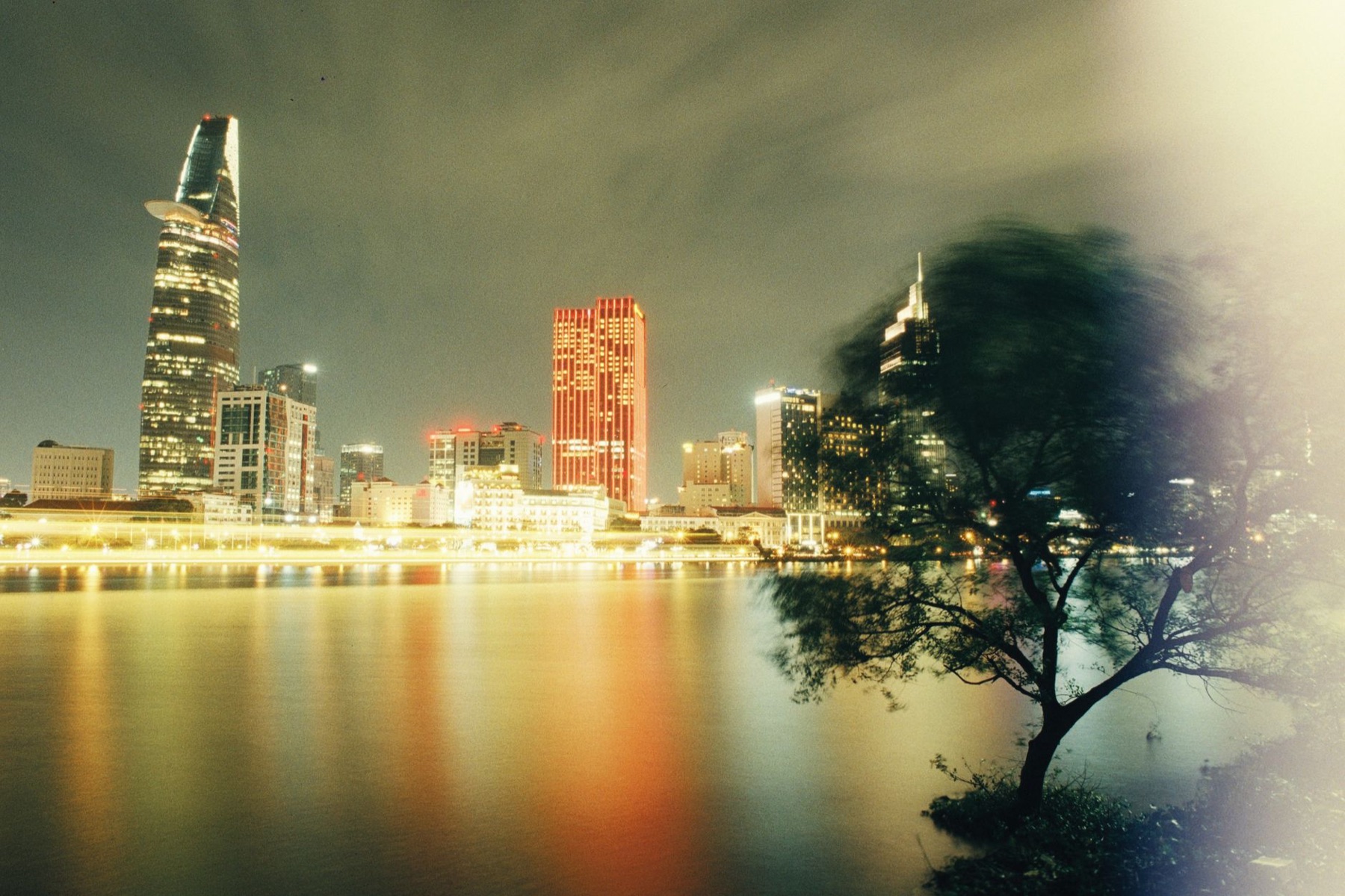
Skip the Bitexco Financial Tower observation deck (101 tầng). Ticket is pricey (around 280,000 VND/$11), queues are long, and the views aren't significantly better than free rooftop bars. Save your money for experiences.
The "Floating Markets" near Ho Chi Minh City (Cai Be, Cai Rang) are 3+ hours away and feel staged for tourists. If you're serious about floating markets, go to Can Tho or the Mekong Delta directly and spend overnight. Day trips leave you exhausted for mediocre photos.
Fake designer markets are everywhere; don't waste time. Real goods are cheaper online; fakes are illegal and not worth the legal risk or guilt.
Avoid "official" city tours from hotels or tourism offices booked at the desk. Book private motorbike tours, cooking classes, or museum visits directly with small local operators or through trusted platforms. You'll pay less and get authentic guides.
🎟️ Compare tours & tickets for this place
How long should you spend in Ho Chi Minh City?
Three days is the minimum: one for museums and walking, one for markets and neighborhoods, one for relaxation or side trips. Five days lets you breathe—add cooking classes, a Mekong Delta day trip, or a sunrise motorbike ride into the countryside.
Many travelers rush through in 2 days and miss the texture. The real Saigon isn't packaged. It's the cyclo drivers at 6:00 PM, the coffee smell from corner shops, the 18-year-old selling sugarcane juice who knows five languages.
What to check before you book anything
- Confirm opening hours by phone or hotel desk. Temples close for ceremonies; museums change hours seasonally.
- Ask if entry is included in tours (some guides charge separately for attractions).
- Check currency exchange rates before you arrive—ATMs in touristy areas charge 2–3% commission.
- Confirm Grab pickup location (drivers sometimes wait at wrong gates).
- Eat where locals eat—no English menus, no printed photos, full parking lot, fast turnover.
---
🗺️ Explore more Vietnam destinations
Once you've explored Saigon, consider Day trips and destinations from Ho Chi Minh City, or plan onward to Hanoi, Hoi An, or the Mekong Delta using our itinerary planner.
If you're photographing your trip in traditional dress, book an áo dài photoshoot in Saigon with Cáo Studio—makeup, styling, and prints included.
FAQ
Is Ho Chi Minh City expensive for travelers?
No. Meals cost 30,000–100,000 VND ($1.20–$4 USD), dorm beds 150,000–300,000 VND ($6–$12), and transport is under 200,000 VND ($8) daily. Western-style hotels and restaurants are expensive; local options are cheap. Budget $30–50 USD/day comfortably.
When is the best time to visit Ho Chi Minh City?
November–February is coolest and driest (25–28°C / 77–82°F). Avoid May–September when heat and humidity peak and occasional typhoons disrupt travel. December is peak tourist season—expect crowds and slightly higher prices.
Can you get around without speaking Vietnamese?
Yes. Download Google Translate, point at menu items, and use Grab app. Younger staff in tourist areas speak English. Older market vendors don't—learn 10 key phrases or use translation apps. Politeness goes further than language.
Is it safe to travel alone in Ho Chi Minh City?
Yes, generally. Violent crime is rare. Petty theft (pickpockets, snatch-and-grabs) happens in crowded markets and late at night. Keep valuables hidden, avoid empty alleys after dark, and trust your instincts. Women travelers report few issues using common sense.
What's the scam to watch for most in Saigon?
Fake police stopping motorbike drivers to fine tourists, and "friendly locals" offering free tours that end at gem shops with inflated prices. Don't engage; walk away or ride on. Use Grab, not street taxis. Avoid unsolicited guides. If stopped, politely refuse and move on.
Should I buy souvenirs at Ben Thanh Market or wait for Hanoi?
Prices are similar. Ben Thanh is convenient if you're leaving Saigon; Hanoi's Old Quarter and Hoi An have more craft variety and lower bulk prices. Don't overbuy in Saigon—luggage space is valuable.
FAQ
Is Ho Chi Minh City expensive for travelers?
No. Meals cost 30,000–100,000 VND ($1.20–$4 USD), dorm beds 150,000–300,000 VND ($6–$12), and transport is under 200,000 VND ($8) daily. Western-style hotels and restaurants are expensive; local options are cheap. Budget $30–50 USD/day comfortably.
When is the best time to visit Ho Chi Minh City?
November–February is coolest and driest (25–28°C / 77–82°F). Avoid May–September when heat and humidity peak and occasional typhoons disrupt travel. December is peak tourist season—expect crowds and slightly higher prices.
Can you get around without speaking Vietnamese?
Yes. Download Google Translate, point at menu items, and use Grab app. Younger staff in tourist areas speak English. Older market vendors don't—learn 10 key phrases or use translation apps. Politeness goes further than language.
Is it safe to travel alone in Ho Chi Minh City?
Yes, generally. Violent crime is rare. Petty theft (pickpockets, snatch-and-grabs) happens in crowded markets and late at night. Keep valuables hidden, avoid empty alleys after dark, and trust your instincts. Women travelers report few issues using common sense.
What's the scam to watch for most in Saigon?
Fake police stopping motorbike drivers to fine tourists, and "friendly locals" offering free tours that end at gem shops with inflated prices. Don't engage; walk away or ride on. Use Grab, not street taxis. Avoid unsolicited guides. If stopped, politely refuse and move on.
Should I buy souvenirs at Ben Thanh Market or wait for Hanoi?
Prices are similar. Ben Thanh is convenient if you're leaving Saigon; Hanoi's Old Quarter and Hoi An have more craft variety and lower bulk prices. Don't overbuy in Saigon—luggage space is valuable.
More: Ho Chi Minh City travel guide · Things to do in Ho Chi Minh City