Ho Chi Minh City · Things to do
Fun Things to Do in Saigon: Insider Guide 2026
By Wander in Vietnam editorial team · Hanoi, Vietnam
What Makes Saigon Different From Other Vietnam Cities?
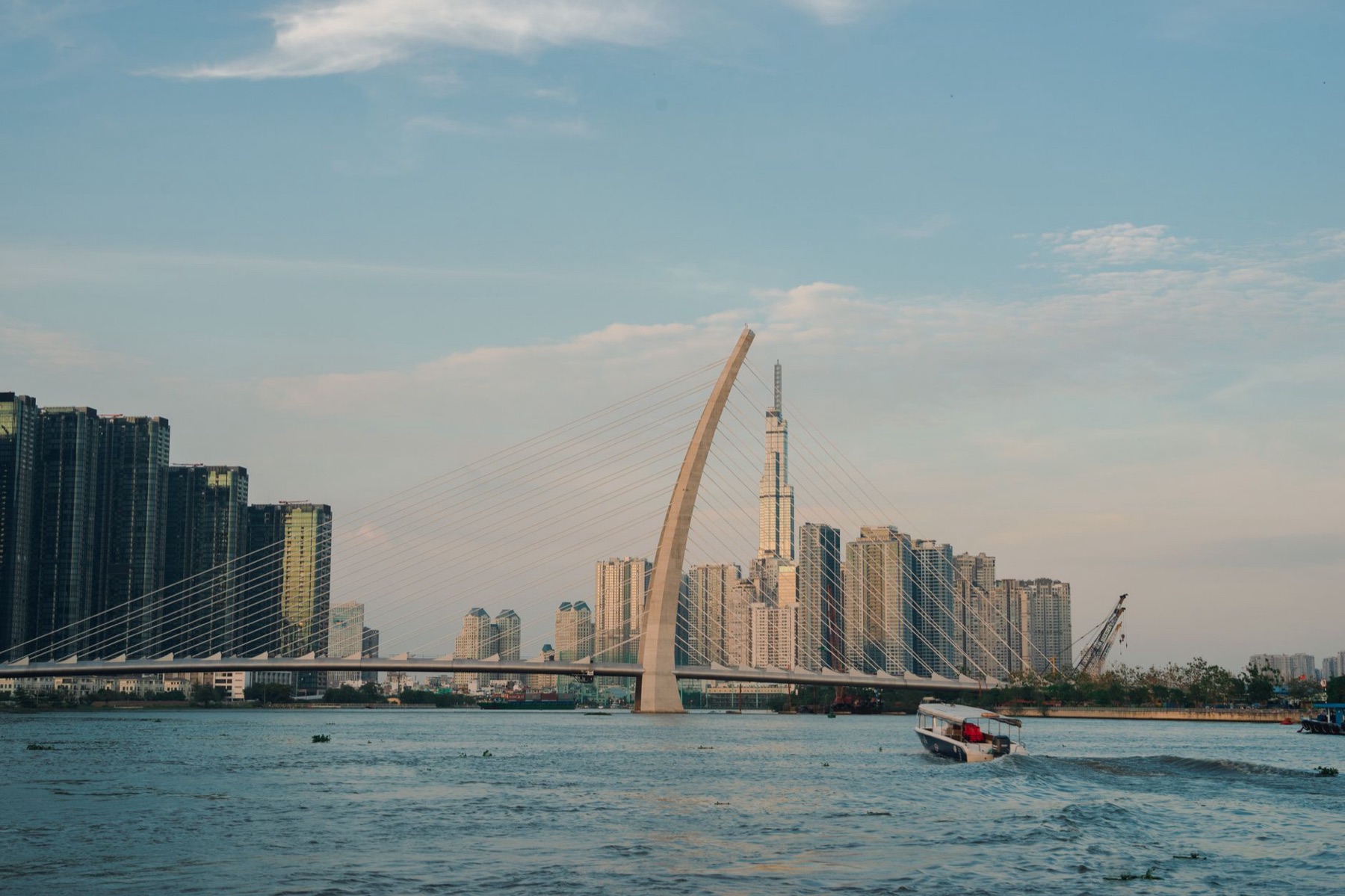
Saigon isn't Hanoi's quieter sibling. It's louder, faster, more commercial—and that's honest. Hanoi preserves; Saigon transforms. You'll see French villas next to glass towers, Buddhist temples beside karaoke bars. The Saigon River divides the city physically, but the energy is unified: constant motion. Traffic never stops. Coffee shops fill by 6 a.m. If you're expecting a sleepy colonial town, adjust expectations now. We find Saigon works best when you embrace its chaos rather than fight it.
Explore more of Ho Chi Minh City | Compare tours & tickets for this place
Where Should You Spend Your First Day?
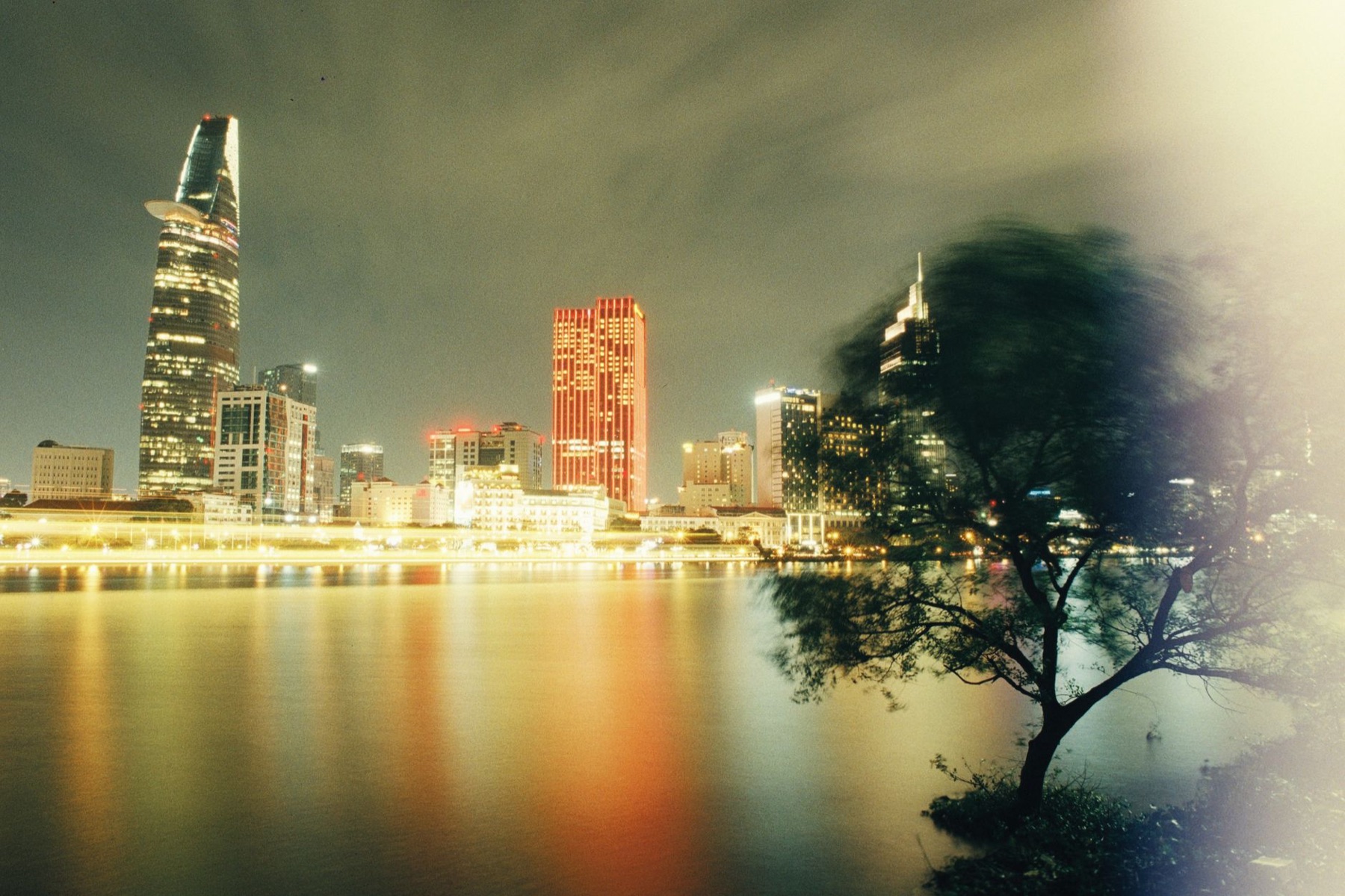
District 1 (downtown) is the obvious first stop—and there's a reason. Dong Khoi Street runs through it: colonial shophouses, 1960s architecture, cafes at every corner. Walk east toward the Saigon River to find Bitexco Financial Tower (the tall, modern building with a helipad). The observation deck costs around 200,000–250,000 VND ($8–10 USD) for a ticket. Sunset is busiest; go mid-afternoon or after 7 p.m. for fewer crowds.
Near Dong Khoi, the City Hall (Dinh Độc Lập) is photogenic but often roped off. Walk around it; don't expect an interior tour. Ben Thanh Market sits southwest of Dong Khoi—go between 6–8 a.m. to see vendors setting up, or 4–6 p.m. when locals shop for dinner. The market is a sensory overload: textiles, souvenirs, fresh herbs, dried goods. Expect vendors to quote high prices to tourists; walk without buying the first time, just observe. Prices drop after 5 p.m.
For lunch, the pho and bánh mì stalls around Ben Thanh charge 30,000–60,000 VND ($1.20–2.40 USD). Taste-test three stalls before choosing; quality varies wildly. Avoid tourist-trap restaurants directly facing Ben Thanh's main entrance; cross side streets instead.
Which Neighborhoods Deliver the Real Saigon Food Experience?
District 3 (Ba Dinh) hosts the city's heaviest street-food concentration. Nguyen Hue Walking Street (yes, it exists in Saigon—not Hanoi alone) is overrated for dining but good for evening strolls and people-watching from coffee shops. The real eating happens in the blocks west of Tao Đàn Park: tiny com tam (broken rice) joints, fresh shrimp bánh mì carts, pho stands open 11 p.m.–2 a.m.
Districts 1 and 3 borders: Look for the narrow alley food zones near Tran Hung Dao Street. A full meal here—pho, spring rolls, iced coffee—runs 50,000–100,000 VND ($2–4 USD). Vendors change by season; ask locals which stall is "ngon hôm nay" (tasty today).
Go south to District 4 (Binh Thanh): quieter, tree-lined, full of young Vietnamese expats and creatives. Coffee shops here are design-forward; a flat white costs 40,000–80,000 VND ($1.60–3.20 USD)—nearly double District 1's tourist rates, but worth it for atmosphere. Dinner in Binh Thanh runs 80,000–150,000 VND ($3.20–6 USD) for fresh seafood vermicelli or local spring rolls.
| Neighborhood | Best For | Price Level (meal) | Why Go |
|---|---|---|---|
| District 1 (Dong Khoi) | Walking, colonial sights, tourist cafes | 80,000–200,000 VND ($3–8) | Architecture, river views, central hub |
| District 3 (Ba Dinh) | Street food, local breakfast | 30,000–100,000 VND ($1–4) | Authentic, cheap, zero tourists |
| District 4 (Binh Thanh) | Modern cafes, dinner, nightlife | 80,000–180,000 VND ($3–7) | Ambiance, design, mix of old & new |
| Ben Thanh Market (D1) | Market chaos, souvenirs | 20,000–300,000 VND per item ($0.80–12) | Culture, bargaining, local shopping |
Which Museums and Temples Are Actually Worth Hours, Not Minutes?
War Remnants Museum (District 1, Vo Van Tan Street): Brutal honesty—this is heavy. The photography wing documents U.S. bombing campaigns and Agent Orange effects. Plan 2–3 hours, not a quick photo stop. Entry is around 100,000 VND ($4 USD). Go early (8–9 a.m.) to avoid tour groups. Silence is expected; respect that fully.
Jade Emperor Pagoda (District 3, Mai Thi Luu Street): Incense smoke, carved wood, turtle pond. Genuinely intimate. Locals pray here daily; it's not a museum stage. No entry fee. Go mid-morning (10–11 a.m.) when it's quieter. Shoes off before entering inner chambers.
Bitexco Financial Tower observation deck: Skip the base-level shops. Go straight to the 49th-floor deck. 200,000 VND ($8 USD). Best at dusk (5:30–6:30 p.m.) when the sun hits the river.
Ben Nghe Channel walk (west of District 1): Free, underrated. Walk the promenade at sunset. Street food carts appear at 5 p.m.; grab sugar cane juice (nước mía) for 15,000–25,000 VND ($0.60–1 USD).
Skip: Reunification Palace (Dinh Độc Lập). Tours are tightly scripted, slow, and the 150,000-VND entry ($6 USD) doesn't justify the time. Photograph the exterior and move on.
📸 Book an ao dai photoshoot in Hanoi or Saigon (Cáo Studio)
What's the Honest Truth About Saigon Nightlife?
Rooftop bars in District 1 are good for sunset but tourist-heavy. Beer runs 80,000–150,000 VND ($3–6 USD). Binh Thanh has craft breweries and live-music venues where Vietnamese locals actually gather (noon–midnight openings, cheap 40,000–70,000 VND drafts).
Avoid: Backpacker bar strips (around De Tham in District 1). They're loud, drinks are overpriced (100,000–200,000 VND / $4–8 USD), and you'll meet only other tourists. Karaoke boxes (quán karaoke) are everywhere—a private room for 4 people costs 150,000–400,000 VND ($6–16 USD) per hour plus drinks. Expect pressure to buy drinks for staff; this is standard (and often scammy for solo travelers).
Live music: Look for jazz venues in old villas in District 1 near the river. They're pricey (cover charge 100,000–200,000 VND / $4–8 USD, drinks 120,000+ VND / $5+ USD) but genuine. Ask your hotel concierge for current spots; venues rotate.
Clubbing is centered in Districts 1 and Binh Thanh. Entry 100,000–300,000 VND ($4–12 USD). Friday–Saturday crowds start at 10 p.m.; it's dead before 9 p.m.
What Should Travelers Actually Spend Time On?
Skip the usual day trips. Cu Chi Tunnels (25 km northwest) and Mekong Delta tours are sold hard by hotels—they're 8–10 hours of bus time for 3 hours of actual activity. Only book if you have 4+ days in the region.
Instead: Spend a full morning at Ben Thanh Market (6–10 a.m.), walk Dong Khoi Street slowly (2 hours), have lunch in District 3 (1 hour), visit one temple (1.5 hours), take an evening Saigon River walk (1.5 hours), dinner in Binh Thanh (1.5 hours). That's 4 solid days of mid-paced exploration without exhaustion.
Authentic day trip: Take a minibus (around 50,000 VND / $2 USD) from Ben Thanh to Tay Ninh to see the Cao Dai Holy See temple—unique architecture, genuine spiritual site, fewer package tourists than main Saigon spots.
Consider: Plan your route with our Vietnam itinerary planner. It helps you decide whether Saigon deserves 2 days or 5.
How to Bring Saigon Home (Without Tourist Tat)
If you're shopping, skip Ben Thanh's obvious souvenir stalls. Look for: Artisan workshops (leather, ceramics) in District 1 side streets. Lacquerware is a genuine Vietnamese craft—prices start around 100,000 VND ($4 USD) for small bowls, 500,000+ VND ($20+ USD) for fine pieces.
Books: Old French novels and vintage Vietnam War photography are sold in small shops near the river and in Ba Dinh. Expect to pay 200,000–400,000 VND ($8–16 USD) for antique or rare prints.
Textiles & ao dai: If you're staying multiple days, commission a custom ao dai (traditional Vietnamese dress) from tailors in District 1—3–5 days turnaround, around 800,000–1,500,000 VND ($32–60 USD) for quality silk. Or book a professional ao dai photoshoot with styling and hair included; it's a memory and keepsake combined.
📸 Book an ao dai photoshoot in Hanoi or Saigon (Cáo Studio)
For gifts, consider artisan-made items: star map prints (custom date/location prints of Saigon night sky), engraved wooden boxes (local carpentry shops), or handmade ceramic dishes from ceramicist studios. Prices range 200,000–1,000,000 VND ($8–40 USD) depending on complexity.
We've curated personalized gift collections and Vietnam-themed keepsakes that capture Saigon's spirit without the airport-shop tackiness.
What Goes Wrong and How to Avoid It?
Taxis: Use Uber/Grab app (around 30,000–80,000 VND / $1.20–3.20 USD for short trips). Street taxis often have rigged meters. Ask your hotel to call a meter taxi if you must use one.
Money: ATM fees are high (40,000–50,000 VND / $1.60–2 USD per withdrawal). Withdraw once, larger amounts. Keep VND small bills for street food.
Scams at markets: Vendors quote in USD first—always negotiate in VND. A "free" drink offer at a cafe often comes with an inflated bill. Agree on price before ordering.
Rush hour: 7–9 a.m. and 5–7 p.m. traffic is hellish. Walk or use Grab bike (xe om, around 15,000–30,000 VND / $0.60–1.20 USD) instead. Walking is actually faster.
Fake goods: Rolex, designer bags sold on street corners are counterfeits. Buyer beware.
Check Before You Buy (Souvenirs & Gifts)
- Authenticity: Buy directly from artisans or established shops, not street vendors, for ceramics, textiles, and lacquerware.
- Price fairness: Compare 3+ shops before committing. Markets are 20–40% cheaper than boutiques in District 1.
- Shipping: If ordering personalized items (star maps, engraved boxes) to take home, allow 1–2 weeks lead time if you have a short Saigon stay.
- Quality: Check lacquer finish for cracks; ceramic for glazing consistency; textiles for dye bleeding after washing.
🗺️ Plan your route: Vietnam itinerary
Explore more of Ho Chi Minh City | Check out related Vietnam guides | Browse Vietnam travel essentials
FAQ
How many days should I spend in Saigon?
2–3 days covers the main sights (markets, temples, colonial architecture, museums). 4–5 days lets you explore neighborhoods like Binh Thanh, eat well, and take an optional day trip. More than 5 days gets repetitive unless you're staying for work or deep cultural study.
Is Saigon safe for solo travelers?
Yes, especially solo women. Petty theft and scams happen (taxi rigging, overpriced drinks), but violent crime is rare. Stick to central districts at night. Use Grab app instead of street taxis. Don't flash expensive cameras or jewelry. Trust your gut; most interactions are friendly.
What's the best time to visit Saigon?
November–February (cool, dry, 20–26°C / 68–79°F). Avoid May–September (hot, humid, 30–35°C / 86–95°F and frequent rain). April and October are shoulder seasons—cheaper, warm but not unbearable.
Can I get by without Vietnamese language skills?
Yes. Younger people and those in tourism zones speak English. Older market vendors don't; pointing and showing pictures works. Download Google Translate's camera feature or Grab's translation tool. Smiling and patience go far.
Are day tours to Cu Chi Tunnels or Mekong Delta worth it?
No, unless you have 5+ days and genuinely love war history or rice paddies. Tours are 10+ hours for 3 hours of activity. Better to spend the time exploring Saigon neighborhoods, eating well, and visiting Tay Ninh's Cao Dai temple as a compact alternative.
Where do I get eSIM or a local SIM card?
Buy at the airport Viettel/Vina kiosk (around 100,000–200,000 VND / $4–8 USD with data for 1–2 weeks) or at any corner shop in District 1. Check our Vietnam eSIM guide for comparisons. Grab and Google Maps need data, so get a SIM on arrival day. ===
FAQ
How many days should I spend in Saigon?
2–3 days covers the main sights (markets, temples, colonial architecture, museums). 4–5 days lets you explore neighborhoods like Binh Thanh, eat well, and take an optional day trip. More than 5 days gets repetitive unless you're staying for work or deep cultural study.
Is Saigon safe for solo travelers?
Yes, especially solo women. Petty theft and scams happen (taxi rigging, overpriced drinks), but violent crime is rare. Stick to central districts at night. Use Grab app instead of street taxis. Don't flash expensive cameras or jewelry. Trust your gut; most interactions are friendly.
What's the best time to visit Saigon?
November–February (cool, dry, 20–26°C / 68–79°F). Avoid May–September (hot, humid, 30–35°C / 86–95°F and frequent rain). April and October are shoulder seasons—cheaper, warm but not unbearable.
Can I get by without Vietnamese language skills?
Yes. Younger people and those in tourism zones speak English. Older market vendors don't; pointing and showing pictures works. Download Google Translate's camera feature or Grab's translation tool. Smiling and patience go far.
Are day tours to Cu Chi Tunnels or Mekong Delta worth it?
No, unless you have 5+ days and genuinely love war history or rice paddies. Tours are 10+ hours for 3 hours of activity. Better to spend the time exploring Saigon neighborhoods, eating well, and visiting Tay Ninh's Cao Dai temple as a compact alternative.
Where do I get eSIM or a local SIM card?
Buy at the airport Viettel/Vina kiosk (around 100,000–200,000 VND / $4–8 USD with data for 1–2 weeks) or at any corner shop in District 1. [Check our Vietnam eSIM guide](/vietnam/esim) for comparisons. Grab and Google Maps need data, so get a SIM on arrival day. ===
More: Ho Chi Minh City travel guide · Things to do in Ho Chi Minh City