Ha Giang
Ha Giang food guide: where to eat real northern mountain cuisine #
By Wander in Vietnam editorial team · Hanoi, Vietnam
Ha Giang, Vietnam's northernmost mainland province, serves food built around what grows on limestone plateaus: corn, sticky rice, wild herbs, and preserved meats. The Tay and H'mong ethnic groups who live in the valleys and peaks eat seasonally and sparingly. Signature dishes include thắng cố (organ stew), bánh dày (stamped rice cake), and cơm lam (bamboo-tube rice cooked over fire). Budget roughly 50,000–150,000 VND (around $2–6 USD) per meal at family-run stalls; tourist restaurants and guesthouses in Hà Giang town charge 80,000–250,000 VND. The best eating happens in small towns like Đông Văn and Mèo Vạc during market days, or at homestays. Avoid overhyped "ethnic experience" restaurants in town; instead, eat where locals queue. Get there via motorbike or hired driver from Hanoi (5–6 hours). Wander in Vietnam recommends going during May–September for food variety and passable roads. 🗺️ Plan your route: Vietnam itinerary | 🎟️ Compare tours & tickets for this place --- #
Ha Giang's food scene centers on wild greens, corn, grilled meats and fermented specialties shaped by its Tay and H'mong hill-tribe heritage. Unlike tourist-friendly central Vietnam, meals here are rustic, seasonal and honest.
What is the signature dish of Ha Giang that I must try?
Thắng cố—a stew made from beef offal, herbs and dipping paste—defines Ha Giang eating. The liver, heart, tongue and tripe are boiled tender, then served with fresh mint, cilantro and a bitter herb (mùng chua). You mix your own bowlful, dip into fermented shrimp paste or chili paste, and eat with sticky rice. One serving costs 40,000–80,000 VND (around $1.50–3 USD). Locals eat it for breakfast or lunch; tourists often find the texture and funk challenging. But it's the most honest reflection of what Tay and H'mong families cook at home. Skip any thắng cố that looks pre-made or sits under a heat lamp; freshness matters enormously.
Where do I find authentic street food in Ha Giang town?
The main market (Chợ Hà Giang) in the town center, near Nguyễn Huệ Street, opens before 7 a.m. and clears by midday. Stalls sell corn, sticky rice, bánh dày (pounded rice cake), and hot soups. Early morning vendors offer corn cakes (bánh ngô) for 5,000–10,000 VND (under $0.50 USD). Eat standing up among locals; that's how you know it's real. Avoid restaurants with plastic chairs and laminated menus near the bus station—they cater to tour groups and cut corners on ingredients. Walk three streets back from the main drag to find noodle soup bowls and braised meat stalls that open at 10 a.m. for lunch.
Which small towns have better food than Ha Giang city?
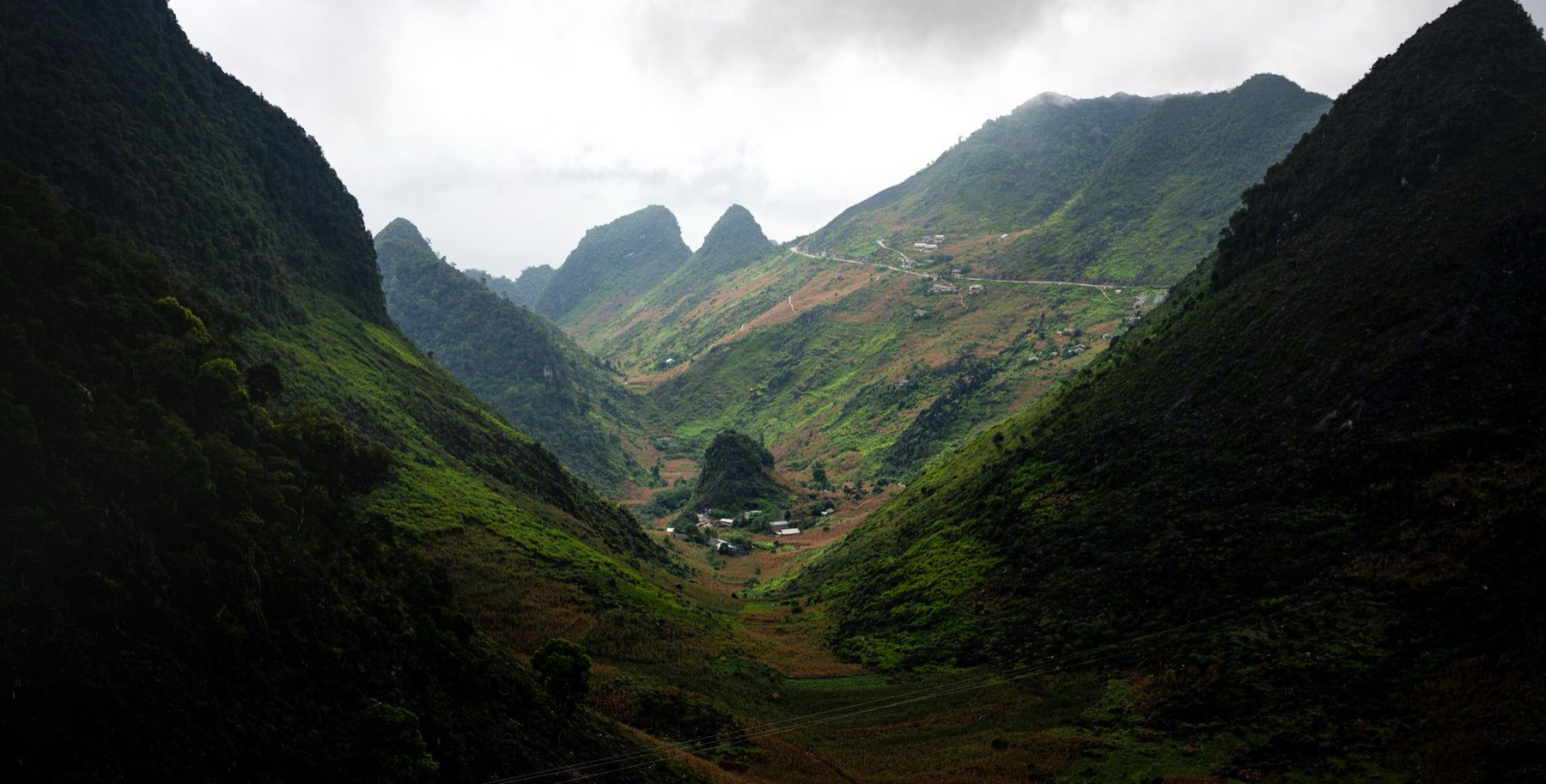
Đông Văn (2 hours northeast by motorbike) has a Tay market on market days (roughly every 5 days) where you'll find fresh herbs, sticky rice, grilled river fish and preserved pork. The limestone plateau around Đông Văn makes it visually stunning; the food tastes like it belongs here. Mèo Vạc (90 km further) sits higher and serves more corn-heavy meals. Neither town has formal restaurants; eat at your guesthouse or ask locals where they're eating lunch. Most homestay owners will cook for you for 50,000–100,000 VND per person if you book ahead. Skip the "cultural performance" restaurants near tourist viewpoints; they serve reheated tourist food. Instead, ask your driver or guesthouse owner where they eat breakfast.
| Town | Best for | Cost per meal | Road condition | Why go |
|---|---|---|---|---|
| Ha Giang city | Stalls, markets, budget eats | 50,000–100,000 VND | Paved | Gateway; good thắng cố |
| Đông Văn | Tay ethnic food, fresh herbs | 60,000–120,000 VND | Mountain, 2 hrs | Market days; karst scenery |
| Mèo Vạc | Corn-focused, quiet homestays | 70,000–150,000 VND | Steep, 3+ hrs | High plateau; fewer tourists |
| Yên Minh | Minority homestays, grilled meats | 60,000–110,000 VND | Mixed, 1.5 hrs | Less crowded; good access |
What dishes should I try beyond thắng cố?
Bánh dày (stamped sticky rice cake): sticky rice pounded by hand, pressed into palm-sized rounds, eaten with grilled meat or dipped in fermented paste. It's a staple for Tay families during Têt and market days. Cost: 10,000–20,000 VND for three cakes.
Cơm lam (bamboo-tube rice): sticky rice roasted inside a bamboo tube over an open fire. The outer layer gets crispy; the inside stays soft. Often sold at roadside stalls for 15,000–30,000 VND per tube.
Grilled corn (ngô nướng): charred sweet or sticky corn, eaten plain or with salt and chili powder. 5,000–15,000 VND.
Preserved pork (thịt lợn muối): salt-cured pork leg or shoulder, boiled and sliced, served with herbs and rice vinegar. 70,000–150,000 VND per kilo; a small portion at lunch runs 40,000–60,000 VND.
Herbal chicken soup (cháo gà): slow-cooked chicken with wild ginger, turmeric and local herbs. Usually available only at guesthouses or during special meals. 60,000–100,000 VND.
River fish (cá nướng): grilled freshwater fish—usually small—whole, with bones. Served with dipping salt, chili and lime. 50,000–80,000 VND.
Eat these in order of encounter, not hunger. A single cơm lam and a shared plate of thắng cố fill most appetites.
How do I avoid tourist traps and eat like a local?
The checklist:
- [ ] Eat where locals queue. No English menu = better price and fresher food.
- [ ] Avoid restaurants open only for tour groups (usually near viewpoints or bus stops).
- [ ] Skip "ethnic experience dinners" at 250,000+ VND; they're theater, not food.
- [ ] Ask your driver or guesthouse owner where they eat lunch. Follow them.
- [ ] Go to the market before 8 a.m. Stalls close after 10 a.m. in smaller towns.
- [ ] Bring cash. Cards don't work outside Ha Giang town; ATMs in Đông Văn and Mèo Vạc are unreliable.
- [ ] Decline anything pre-made or under heat lamps (thắng cố, soups). Order and wait.
- [ ] Eat lunch between 11 a.m. and 1 p.m. Many stalls close by 2 p.m.
- [ ] Learn 3 phrases: "Ăn cái gì ở đây?" (what do you eat here?), "Bao nhiêu tiền?" (how much?), "Ngon lắm" (delicious).
Homestay meals are your safest bet for variety and quality. Negotiate with your guesthouse owner before arrival: 80,000–150,000 VND per person for three dishes, rice and tea.
---
What to check before you buy (gifts or travel prep):
- eSIM or local SIM? Many villages have no signal. Get a Vietnam eSIM before you leave, or buy a local SIM in Hanoi. Budget 100,000 VND for 30 days of data.
- Motorbike rental scams? Pay upfront to a shop, not a guesthouse. Avoid "unlimited kilometers" offers. Expect 100,000–200,000 VND per day.
- Photography permits? No official restrictions, but ask before photographing people eating or working. Respectful photos make better memories—book an ao dai photoshoot in Hanoi or Saigon (Cáo Studio) before your trip to learn what works.
- When to go? May–September = more food variety and fewer floods; October–April = cool, dry, scenic but fewer fresh herbs.
- Visas? Check Vietnam e-visa requirements before booking.
📸 Book an ao dai photoshoot in Hanoi or Saigon (Cáo Studio)
---
Why does Ha Giang food taste so different from the rest of Vietnam?
The limestone plateau, high altitude and ethnic Tay/H'mong farming create it. No wet rice fields here; instead, corn, sticky rice, wild greens and goats. Food is preserved because of isolation: salt-curing, fermenting and smoking are survival techniques, not trends. Tourist areas (like Hanoi, Hoi An and Ho Chi Minh City) adapt dishes to please visitors; Ha Giang still cooks for itself. That rawness is the point. Every meal tastes like the season and the landscape. You're eating food that's 50+ years unchanged in many families.
How long should I spend eating and exploring Ha Giang?
A 3-day loop works: one day in Ha Giang town (markets, stalls, thắng cố), one in Đông Văn (Tay homestay, market day if timing aligns), one returning via Yên Minh or Mèo Vạc. Fit it into a 7–10 day northern Vietnam itinerary alongside Sapa, Ninh Binh and Ha Long Bay. Most visitors spend one day here en route to Sapa; that's too rushed. Stay overnight to eat breakfast at the market and dinner at a guesthouse.
🗺️ Plan your route: Vietnam itinerary | 🎟️ Compare tours & tickets for this place
What gifts should I bring home from Ha Giang?
Pack preserved pork, corn flour or herbal tea bought at the market—useful, lightweight and authentic. Check customs rules before flying. Better still, give someone a gift that captures the trip: a personalized keepsake box engraved with a food memory, or a custom star map print showing the night sky from a memorable meal. These hit differently than generic souvenirs and fit carry-on. A guesthouse owner or market vendor will remember you far more if you send a thank-you note with a photo than if you brought a branded keychain.
🎟️ Compare tours & tickets for this place
---
#
FAQ
Is Ha Giang food safe to eat from street stalls?
Yes, if the stall is busy and ingredients look fresh. Avoid pre-made food sitting out; order and watch it cooked. Drink only bottled water or tea. Stomach bugs are rare if you follow this rule. Local families eat from these stalls daily.
What's the difference between Tay and H'mong cuisine in Ha Giang?
Tay food (lower valleys) uses more herbs, fermented shrimp paste and sticky rice. H'mong food (higher peaks) relies on corn, preserved pork and less fresh produce. Most Ha Giang restaurants blend both. Homestays clarify their ethnic background; ask before booking.
Can I eat vegetarian in Ha Giang?
Challenging but possible. Markets sell corn, sticky rice, wild greens and bamboo shoots. Stalls rarely separate cooking surfaces. Tell guesthouse owners in advance; they can prepare vegetable soups and rice cakes. Bring snacks from Hanoi for security.
How much should I budget per day for food?
150,000–400,000 VND (around $6–16 USD) covers three meals and snacks if you eat stalls and market food. Add 200,000–600,000 VND if staying in guesthouses with included meals. Restaurants charge 2–3× more but offer no better quality.
Is it rude to refuse food offered at a homestay?
Politely explain allergies or dietary restrictions before arrival. Refusing cooked food is mildly rude but understood if you're genuinely unwell. A small taste and praise goes far. Always accept tea and sticky rice.
Where's the nearest hospital if I get food poisoning?
Ha Giang General Hospital (Bệnh viện Đa khoa Ha Giang) is on Trần Hùng Đạo Street in town. Most issues resolve within hours. Bring rehydration salts from Hanoi as backup.
FAQ
Is Ha Giang food safe to eat from street stalls?
Yes, if the stall is busy and ingredients look fresh. Avoid pre-made food sitting out; order and watch it cooked. Drink only bottled water or tea. Stomach bugs are rare if you follow this rule. Local families eat from these stalls daily.
What's the difference between Tay and H'mong cuisine in Ha Giang?
Tay food (lower valleys) uses more herbs, fermented shrimp paste and sticky rice. H'mong food (higher peaks) relies on corn, preserved pork and less fresh produce. Most Ha Giang restaurants blend both. Homestays clarify their ethnic background; ask before booking.
Can I eat vegetarian in Ha Giang?
Challenging but possible. Markets sell corn, sticky rice, wild greens and bamboo shoots. Stalls rarely separate cooking surfaces. Tell guesthouse owners in advance; they can prepare vegetable soups and rice cakes. Bring snacks from Hanoi for security.
How much should I budget per day for food?
150,000–400,000 VND (around $6–16 USD) covers three meals and snacks if you eat stalls and market food. Add 200,000–600,000 VND if staying in guesthouses with included meals. Restaurants charge 2–3× more but offer no better quality.
Is it rude to refuse food offered at a homestay?
Politely explain allergies or dietary restrictions before arrival. Refusing cooked food is mildly rude but understood if you're genuinely unwell. A small taste and praise goes far. Always accept tea and sticky rice.
Where's the nearest hospital if I get food poisoning?
Ha Giang General Hospital (Bệnh viện Đa khoa Ha Giang) is on Trần Hùng Đạo Street in town. Most issues resolve within hours. Bring rehydration salts from Hanoi as backup.
More: Ha Giang travel guide