Ha Giang
Ha Giang Itinerary for First-Timers: 5 Days, No Hype
By Wander in Vietnam editorial team · Hanoi, Vietnam
Ha Giang is a limestone plateau in northern Vietnam, 300 km northeast of Hanoi, best visited Oct–Nov or March–May. A realistic first-timer route loops the province in 5 days: Hanoi → Ha Giang City → Dong Van Karst Plateau → Meo Vac → Yen Minh → Tuan Chau Lake → Hanoi. Cost runs 8–12 million VND per person (USD 315–475, food, lodging, fuel/guide, no flights). Most visitors hire a motorbike (self-drive, from 150,000 VND/day) or book a tour guide (500,000–800,000 VND/day). Avoid July–September (rain, landslides); skip the "Happiness Cafe" photo-op—it's a tour trap with fake backstory. Wander in Vietnam recommends hiring a local guide in Ha Giang City (ask at your guesthouse) to access Hmong homestays and genuine minority markets unavailable to walk-ups.
A realistic 5-day loop through Ha Giang's limestone plateau delivers raw mountain scenery and ethnic-minority culture without Sapa's tourist crush. Most first-timers rent a motorbike or hire a private driver from Hanoi (5–6 hours, 250 km). The route circles Dong Van Karst Plateau, crosses the Meo Vac switchback pass (7–8 hairpins, no guardrail), and ends at Tuan Chau Lake before returning. Weather, fuel costs, and guide availability shape real timings; inflated Instagram timelines do not.
Do I need a motorbike license or a guide?
Vietnam's traffic police rarely stop foreigners for papers on motorbikes, but crashes happen. If you've ridden dirt roads before, a self-drive motorbike saves 500,000 VND/day and gives total freedom; if not, hire a local guide with a motorbike (driver + fuel) or book a private car (1.2–1.8 million VND/day for 2–3 people). Guides unlock homestays, village meals, and minority languages police won't teach. Conclusion: guides are worth the cost, motorbikes are cheaper but riskier.
What are the must-stop landmarks and how long at each?
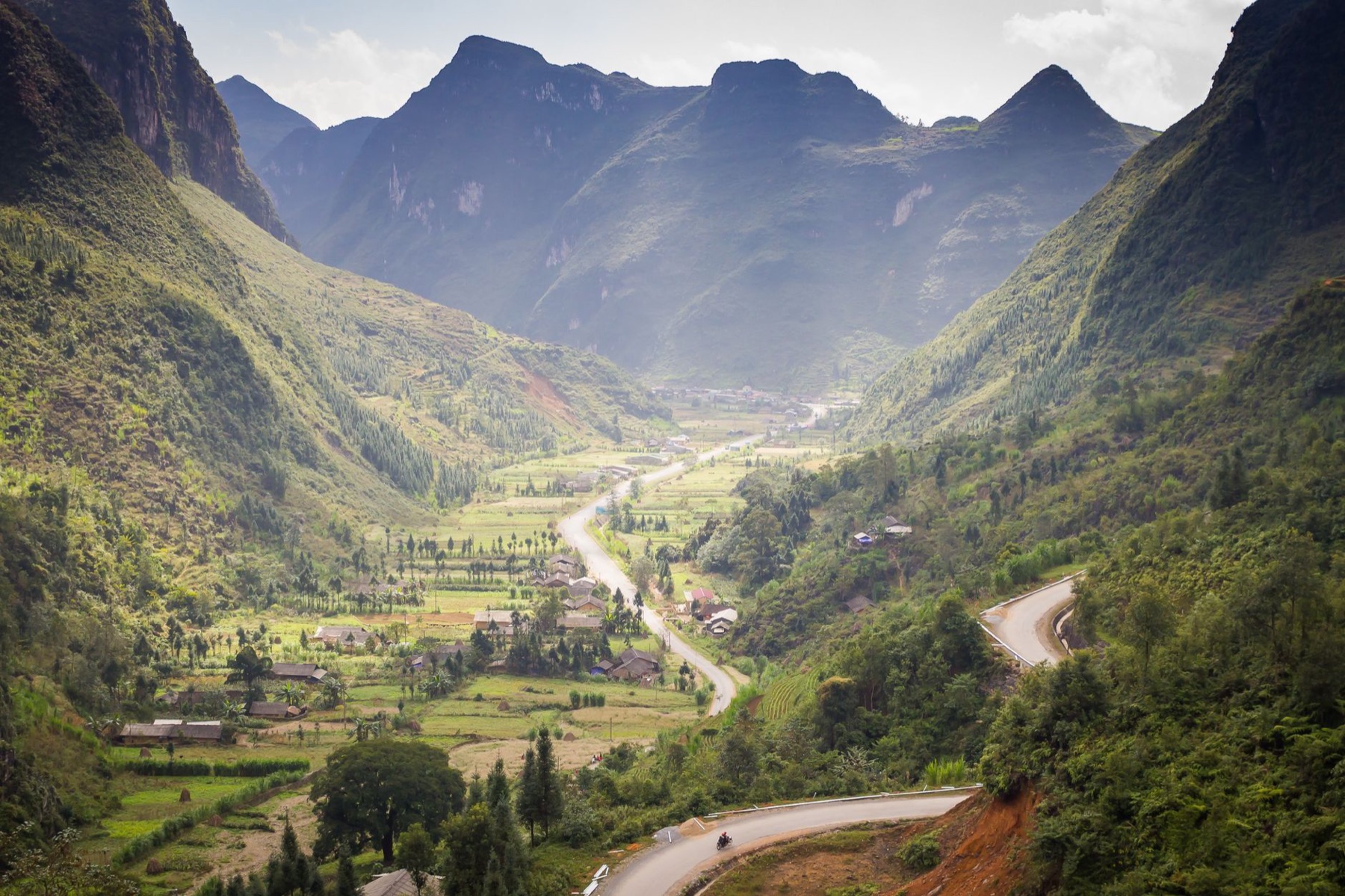
Dong Van Karst Plateau (UNESCO site, Dong Van district): a 1,600 m limestone maze with sweeping views, no formal entrance fee, 2–3 hours driving through scenic overlooks, zero crowds if you arrive after 11 a.m. Meo Vac town (970 m elevation, two hours from Dong Van): a market hub on Sunday mornings (ethnic Hmong, Zao, Nung sell textiles, dried herbs); skip weekdays. Yen Minh's Nho Que River valley (limestone cliffs, fishing villages): 1–2 hours walking or boat rides, 150,000–200,000 VND for a small boat, photogenic but slippery. Tuan Chau Lake (south loop): a reservoir surrounded by karst, 1.5 hours from Yen Minh, peaceful but commercialized at the town end. Spend 1–1.5 days in each zone; rushing burns energy and misses minority life. Conclusion: 5 days allows one full day per zone without exhaustion.
How much does a realistic budget actually cost per person?
| Category | Daily cost (VND) | USD equivalent | Notes |
|---|---|---|---|
| Motorbike rental | 150,000–200,000 | 6–8 | fuel, insurance extra |
| Guesthouse, fan room | 200,000–350,000 | 8–14 | Dong Van, Meo Vac, Yen Minh |
| Food (local pho, rice, herbs) | 150,000–250,000 | 6–10 | eat where locals eat (40,000–80,000 VND/meal) |
| Guide (if shared group, 2–3 people) | 250,000–400,000 | 10–16 | covers motorbike + local expertise |
| Park/lake entrance fees | 50,000–100,000 | 2–4 | Dong Van Plateau, Tuan Chau, cave sites |
| 5-day total per person (self-drive) | ~1.5–2 million | 60–80 | fuel, food, lodging, no major tours |
| 5-day total per person (guided tour) | ~2–2.5 million | 80–100 | guide included, fewer decisions |
The difference is thin because guides prevent expensive mistakes (wrong road, petrol station closures, overpriced homestay meals). Conclusion: budget 8–12 million VND (USD 315–475) for a comfortable solo trip; groups of 3+ split guide costs to 6–8 million VND per person.
What's the best time to visit and what's the honest weather picture?
Oct–Nov (autumn): 15–22°C, clear skies, dry roads, minimal fog. This is the crowded sweet spot; book guesthouses 2–3 weeks ahead. Dec–Feb (winter): 10–15°C, occasional mist at sunrise, roads clear by midday, fewest tourists. Short days mean less riding time; start at 6 a.m. March–May (spring): 18–28°C, wildflower blooms, still dry. Rainy season tail-end in May. June–Sep (monsoon): 20–30°C, daily downpours 2–4 p.m., landslide closures common, roads slip after rain. Avoid. First-timers should aim for Oct–Nov or March–May; avoid May (unpredictable rain). Conclusion: pick Oct–Nov for guaranteed conditions; spring is near-equal if you book early and watch weather forecasts.
What are the real scams, overcrowded traps, and what to skip?
"Happiness Cafe" (Yen Minh district): a restored "minority family home" with a manufactured backstory, 80,000 VND coffee, zero authenticity. Skip it unless you want a photo and don't care about truth. Fake homestays on platforms: some guesthouses label themselves "minority homestays" but house Han Chinese owners. Ask your guide or Ha Giang City guesthouse staff to connect you with a real Hmong or Zao family; meals taste different and cost half. Sunday Meo Vac market: arrives 7–10 a.m., vendors pack up by noon. Don't sleep late. Overpriced fuel: main-road petrol stations (km 40, 80) charge 1,000–1,500 VND above Hanoi rates; top up in Ha Giang City (KinhdoBank area) before the loop. Landslide "guides": after heavy rain, aggressive locals block roads and demand payment to "guide you around" closed sections. Stay on marked routes, ask police at district stations (Dong Van, Meo Vac), ignore unofficial flaggers. Conclusion: hire one trusted guide at the start; they know which homestays, markets, and roads are real and safe.
🗺️ Plan your route: Vietnam itinerary
Which gifts best capture Ha Giang's spirit for visitors to take home?
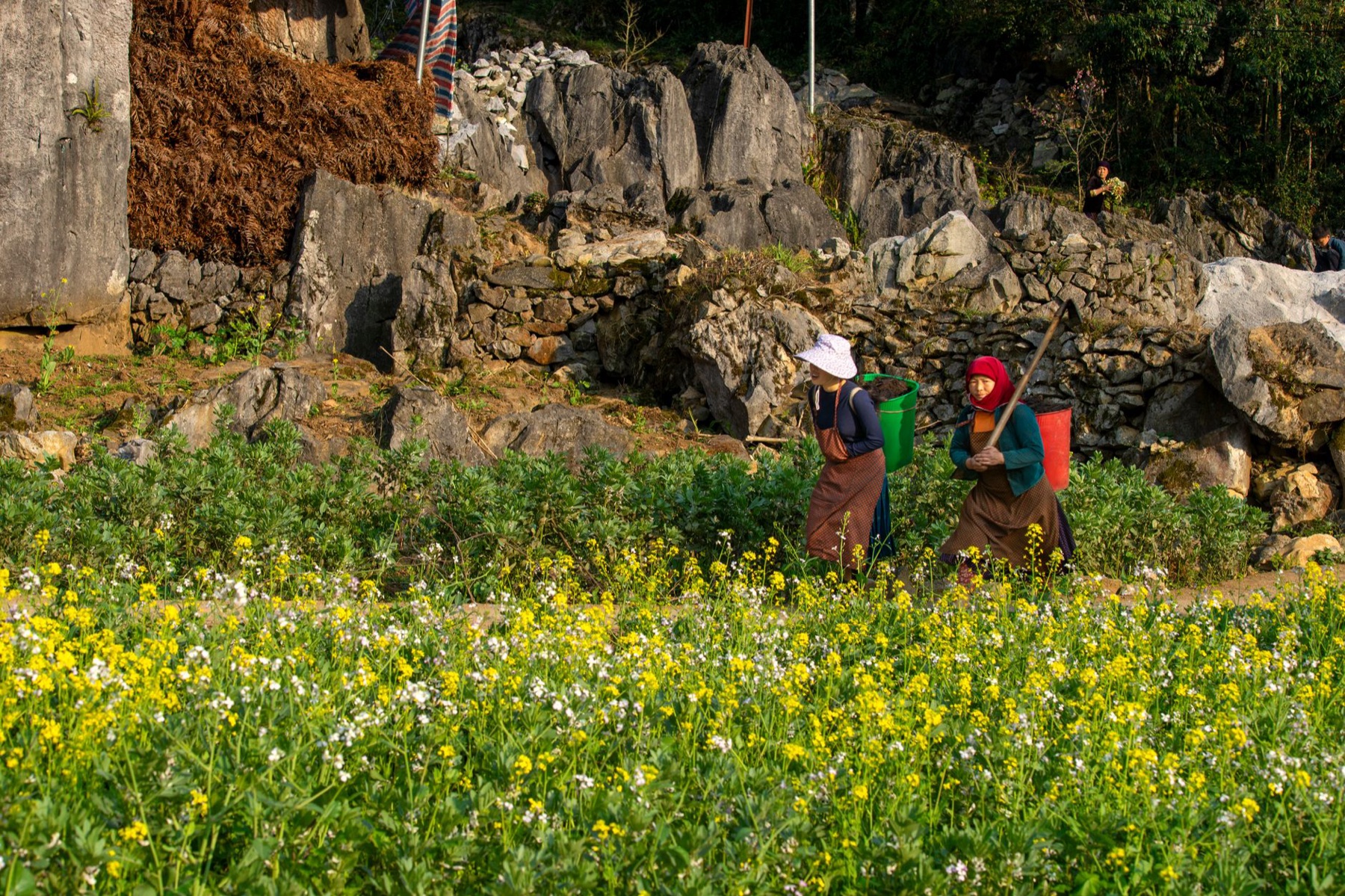
Ha Giang's ethnic minorities (Hmong, Zao, Nung) weave indigo textiles, forge silver jewelry, and grow oolong tea. Rather than buying mass-produced trinkets in Hanoi, we recommend sourcing directly:
- Indigo scarves or wall hangings (hand-loomed by Hmong women in Yen Minh): 150,000–400,000 VND (USD 6–16), sold at homestays or Sunday Meo Vac market. Each piece is unique, takes 3–6 weeks to weave. Check that dye is natural indigo (deep blue-black, no shine). Our collections for textiles & woven goods show similar artisan-made pieces; comparably sourced items ship to the US in 5–10 days.
- Silver rings or bracelets (crafted by Zao metalworkers): 200,000–600,000 VND (USD 8–24), sold in village workshops near Dong Van. Hallmarks vary; ask the maker to verify purity.
- Ha Giang oolong tea (grown in Tuan Chau, harvested April–Oct): 300,000–800,000 VND per 100g (USD 12–32), sourced directly from farmer co-ops in Yen Minh. Taste before buying; quality varies sharply by harvest.
If you prefer ready-to-ship keepsakes (to avoid luggage overload or customs), our collections for personalized travel keepsakes include star maps, engraved photo frames, and handmade notebooks that immortalize your Ha Giang dates and village names—ship free to the US over USD 35, with a 30-day guarantee.
📸 Book an ao dai photoshoot in Hanoi or Saigon (Cáo Studio)
How do I connect Ha Giang to the rest of my Vietnam trip?
From Hanoi: 5–6 hours overland via National Highway 2 (northeast); no flights. From Sapa: 8 hours via Ha Giang City (slower, mountain roads). From Ninh Binh: 8 hours via Hanoi (not recommended as a loop). Suggested itineraries:
- Northern classics (14–16 days): Hanoi (2) → Ha Giang (5) → Sapa (3) → Ha Long Bay (2) → Hanoi (2). Motorbike + bus + boat.
- Northeast loop (10–12 days): Hanoi (1) → Ha Giang (5) → Tuan Chau → Hanoi (1) → Ninh Binh (3) → Hanoi (1).
- Reverse order: Start Ha Long Bay, return to Hanoi, then ride north to Ha Giang (fewer tourist crowds, clearer weather mid-loop).
Our Vietnam itinerary planner maps realistic timings for all provinces. Conclusion: Ha Giang pairs best with Sapa (north loop) or Hanoi + Ninh Binh (circular); avoid fitting it into a south-only trip.
🎟️ Compare tours & tickets for this place
What to check before you book or pack
- Visa: Confirm your Vietnam e-visa or passport stamp covers your full trip. Ha Giang is close to the China border; police checkpoints are routine (not harassment, just ID checks). See our Vietnam e-visa guide.
- eSIM or local SIM: Motorbike navigation and emergency calls are essential; buy a SIM in Ha Giang City or bring an eSIM for Vietnam activated before arrival. Data is 200,000 VND/month (unlimited, Viettel/Vinaphone).
- Bike insurance & helmets: Rental helmets are often cracked; bring or buy a new one (250,000 VND in Hanoi). Some tours include accident insurance; ask before signing.
- Cash & ATMs: Ha Giang City has ATMs; Dong Van, Meo Vac, Yen Minh have none. Withdraw 5–10 million VND in Hanoi or Ha Giang City. No cards accepted at homestays or rural markets.
- Motorbike fitness: Ride 200+ km before your trip. The passes are technical (7–8 hairpins, loose gravel), not beginner-friendly.
- Weather forecasts: Check meteoalarm.eu or Windy 3 days before departure; single-day closures happen after heavy rain.
---
FAQ
Can I do Ha Giang in 3 days instead of 5?
Yes, but it's rushed. A 3-day loop covers Dong Van → Meo Vac → Yen Minh and back, skipping Tuan Chau Lake and homestay meals. You'll ride 5–6 hours daily and miss minority markets (Sundays only). We recommend 4 days minimum for first-timers; 5 allows reflection.
Are homestays safe for solo female travelers?
Entirely safe. Hmong and Zao families welcome solo visitors; homestay owners are accustomed to independent travelers. Tell your guide your gender preference when booking. Homestay meals are communal and supervised. Rooms are basic but clean; locks function. No reported incidents in guides' networks (2024–2026).
What's the difference between hiring a guide in Hanoi vs. Ha Giang City?
Hanoi agencies mark up tours 30–50%, add transport, and use unfamiliar drivers. Ha Giang City guides (ask at any guesthouse) know the roads, homestay owners, and current conditions. Hanoi is convenient if you speak no Vietnamese; Ha Giang is cheaper and more authentic. Both are safe and reliable.
Is the Meo Vac motorbike pass really that dangerous?
It has 7–8 hairpins, no guardrail, and loose gravel after rain—not for hesitant riders. Speed kills; most accidents are bikes over-braking or leaning into oncoming traffic. Ride at 20–30 km/h, use engine braking (low gear, avoid brakes), and don't ride in rain or fog. Thousands cross safely yearly; thousands also crash. Your skill and caution matter.
Can I skip the guide and use Google Maps?
Technically yes, but you'll miss homestay access, market timing (Sundays), and real minority food. Google Maps routes are accurate but generic; you'll eat at tourist cafes, pay double, and miss 70% of the region's culture. For safety and authenticity, hire a guide.
What should I do if I get sick or have a motorbike crash?
Ha Giang City hospital (District 1, open 24/7) handles basics; serious injuries require Hanoi transfer (6 hours). Carry travel insurance covering Vietnam (check coverage before departure). Emergency number: 115. Tell your guesthouse owner immediately; they'll coordinate transport. No evacuation helicopter service; don't rely on it.
FAQ
Can I do Ha Giang in 3 days instead of 5?
Yes, but it's rushed. A 3-day loop covers Dong Van → Meo Vac → Yen Minh and back, skipping Tuan Chau Lake and homestay meals. You'll ride 5–6 hours daily and miss minority markets (Sundays only). We recommend 4 days minimum for first-timers; 5 allows reflection.
Are homestays safe for solo female travelers?
Entirely safe. Hmong and Zao families welcome solo visitors; homestay owners are accustomed to independent travelers. Tell your guide your gender preference when booking. Homestay meals are communal and supervised. Rooms are basic but clean; locks function. No reported incidents in guides' networks (2024–2026).
What's the difference between hiring a guide in Hanoi vs. Ha Giang City?
Hanoi agencies mark up tours 30–50%, add transport, and use unfamiliar drivers. Ha Giang City guides (ask at any guesthouse) know the roads, homestay owners, and current conditions. Hanoi is convenient if you speak no Vietnamese; Ha Giang is cheaper and more authentic. Both are safe and reliable.
Is the Meo Vac motorbike pass really that dangerous?
It has 7–8 hairpins, no guardrail, and loose gravel after rain—not for hesitant riders. Speed kills; most accidents are bikes over-braking or leaning into oncoming traffic. Ride at 20–30 km/h, use engine braking (low gear, avoid brakes), and don't ride in rain or fog. Thousands cross safely yearly; thousands also crash. Your skill and caution matter.
Can I skip the guide and use Google Maps?
Technically yes, but you'll miss homestay access, market timing (Sundays), and real minority food. Google Maps routes are accurate but generic; you'll eat at tourist cafes, pay double, and miss 70% of the region's culture. For safety and authenticity, hire a guide.
What should I do if I get sick or have a motorbike crash?
Ha Giang City hospital (District 1, open 24/7) handles basics; serious injuries require Hanoi transfer (6 hours). Carry travel insurance covering Vietnam (check coverage before departure). Emergency number: 115. Tell your guesthouse owner immediately; they'll coordinate transport. No evacuation helicopter service; don't rely on it.
More: Ha Giang travel guide