Ha Giang
Ha Giang on a Budget: Real Costs & How to Save
By Wander in Vietnam editorial team · Hanoi, Vietnam
Ha Giang, a remote northern province bordering China, draws adventurers seeking rugged limestone loops and ethnic minority encounters far from crowds. Based on current lodging and transport in 2026, solo travelers spend around $20–30 USD daily on basic homestays (250,000–350,000 VND), street meals (30,000–80,000 VND per dish), and motorbike rental (150,000–200,000 VND daily). A full 3–5 day loop costs $80–150 USD excluding flights. Avoid organized tour markups (often 2–3× self-guided rates); instead, rent a motorbike in Meo Vac or Dong Van town directly from locals, carry cash (no ATMs on the loop), and eat where locals eat—not tourist restaurants near Ha Giang City. Wander in Vietnam recommends starting from Hanoi, taking an overnight or morning bus to Ha Giang City (around $8–12 USD), then self-exploring the plateau. Winter (November–February) is cheapest but cold; spring (March–May) offers the best weather-to-cost balance. 🗺️ Plan your route: Vietnam itinerary ---
How Much Does a Ha Giang Trip Actually Cost?
Costs vary sharply by choice: homestays run 250,000–350,000 VND per night; guesthouses in Dong Van town, 400,000–600,000 VND. Motorbike rental, 150,000–200,000 VND daily. Fuel for a 300 km loop, around 100,000 VND. Street food (pho, grilled meats, sticky rice), 30,000–80,000 VND per meal. Entrance to Dong Van Karst Plateau Geopark, 150,000 VND. A realistic daily budget for one person: food and lodging only, $15–20 USD; with activities and transport, $25–35 USD. Avoid the Ha Giang City center restaurants (often $8–15 USD for mediocre dishes); instead, grab plastic-stool noodle shops. Groups split motorbike rental costs, cutting per-person transport by 40–50 percent.
Which Time of Year Saves You Money?
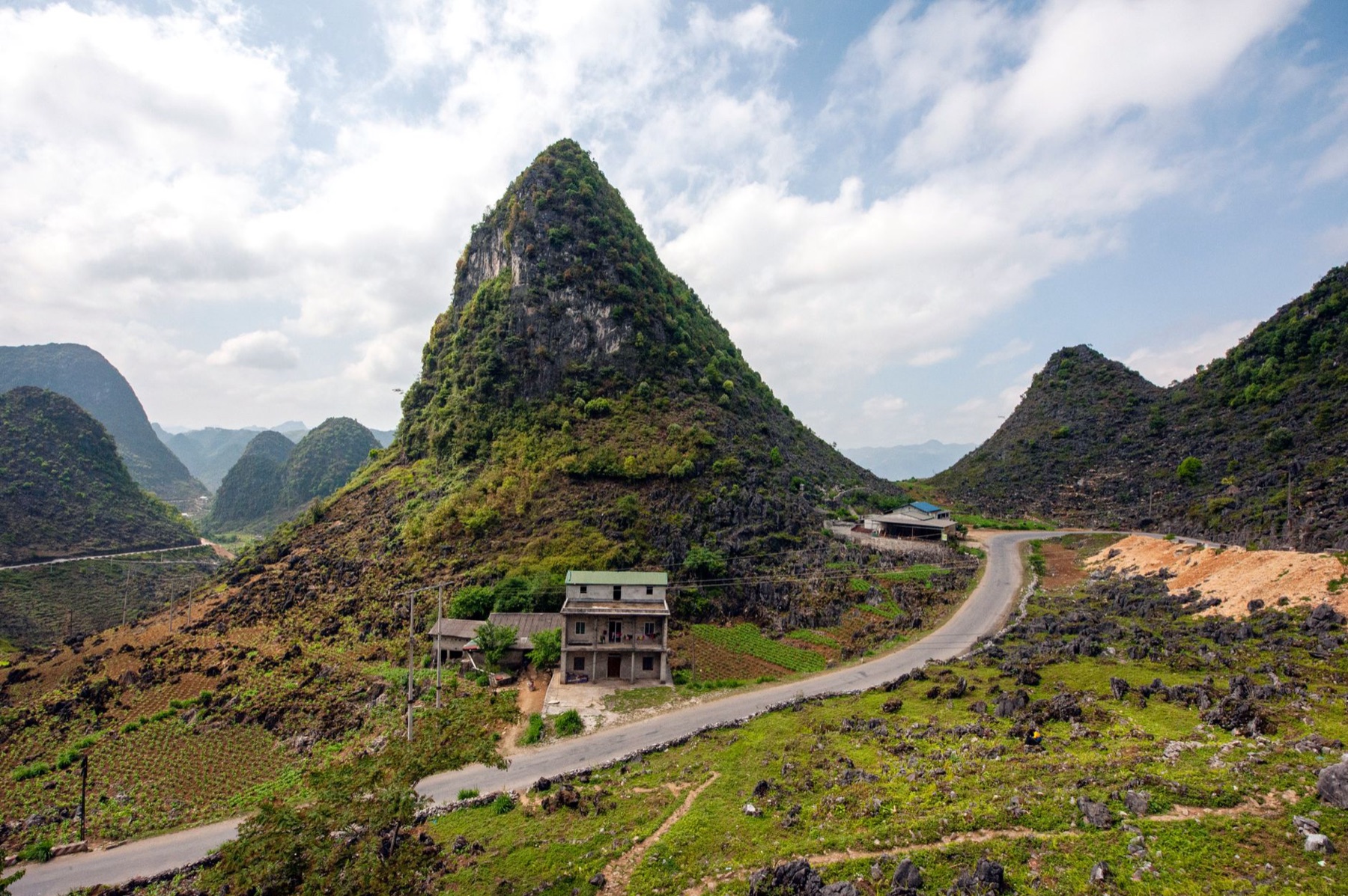
Winter (November–February) is coldest but brings the lowest lodging rates—homestays sometimes drop to 200,000 VND or offer discounts for multi-night stays. Spring (March–May) balances mild weather and reasonable prices. Summer (June–August) sees higher rates and occasional landslides blocking the loop. Avoid October's tail-end rain. Staying longer (4+ nights) often unlocks 10–15 percent discounts on homestays if negotiated directly, not via booking apps.
Should You Take an Organized Tour or Go Solo?
Organized tours cost $60–120 USD for 2–3 days; solo motorbike trips cost $40–70 USD. Tours handle logistics and safety, valuable if you're uncomfortable riding rough mountain roads or navigating language barriers. But self-guided travel cuts costs by 30–50 percent if you're confident. Rent directly from motorbike owners in Meo Vac or Dong Van (ask at your homestay—no commission), carry a printable map (download offline on Google Maps; mobile data is unreliable), and ride defensively: potholes and hairpin turns are real. Solo saves money; guided saves stress. Choose your trade-off.
🎟️ Compare tours & tickets for this place
What Souvenir Types Fit a Budget Traveler's Luggage?
Instead of bulky Hmong textiles (heavy, often overpriced at $20–50 USD), invest in portable keepsakes: small indigo-dyed pouches (authentic, 100,000–200,000 VND from village markets, not tourist shops), hand-printed textile postcards (30,000–50,000 VND, light to mail home), or local honey in compact jars (around 150,000 VND). A personalized star map print or engraved small keepsake box capturing your trip date costs less than a full textile and ships easily. Skip the tourist market in Ha Giang City; instead, visit Dong Van's early-morning market (around 6–8 a.m.) where Hmong women sell textiles and crafts at lower prices than vendors target at foreigners.
📸 Book an ao dai photoshoot in Hanoi or Saigon (Cáo Studio)
Real Scams to Avoid on Ha Giang Loop
Motorbike rental markup: Agencies add 50,000–100,000 VND to peer-to-peer rates; always rent directly from owners (ask lodging staff for introductions). Fuel padding: Some renters claim you owe extra fuel costs not pre-agreed; inspect the tank together, agree in writing, return with the same fuel level. Restaurant bill surprises: Avoid laminated menus without prices; point at dishes eating locals choose, ask price aloud beforehand. Police stops: Rare, but avoid carrying multiple passports or valuables in checked luggage; carry a copy of your visa page only. Fake guestbook reviews: A homestay with suspiciously perfect well-made "reviews" written in broken English is often owner-posted; ask returning guests directly via messaging before booking.
| Expense | Solo, 3 nights | Pairs split, 3 nights | Why it changes |
|---|---|---|---|
| Lodging (homestay) | $45–52 | $23–26 per person | Rooms shared or already paired |
| Motorbike rental | $12–15 | $6–8 per person | Rental cost split 2 ways |
| Fuel | $3–4 | $1.50–2 per person | Same loop, shared fuel |
| Food (street meals) | $18–24 | $18–24 per person | No economies of scale |
| Geopark entrance | $4–5 | $4–5 per person | Per-person fee fixed |
| Total, 3 days | $82–100 USD | $52–65 USD per person | Pairs save 30–40% |
When to Book Lodging & How Much Notice Helps You Save
Book homestays 2–3 weeks ahead via messaging (not instant booking), negotiate directly with owners, and lock multi-night discounts in writing. Last-minute bookings (same-week) often pay 10–20 percent premium. Midweek stays (Tuesday–Thursday) are 15–25 percent cheaper than weekends. Holidays (Lunar New Year, Golden Week, Christmas) triple prices—avoid or book 6–8 weeks early. Email homestay owners with your dates; they often reply with better rates than listing prices for direct guests.
🗺️ Explore more budget guides: Hanoi | Ho Chi Minh City | Ninh Binh | Sapa
Transportation from Hanoi: Which Route Costs Least?
Overnight buses from Hanoi to Ha Giang City: around $8–12 USD (11–13 hours). Day buses: $6–9 USD but arrive evening. Minivans (shared): $10–15 USD, faster but less comfortable. Flying (Hanoi to nearest airports) is $80–150 USD, erasing budget savings. Use eSIM for Vietnam to compare bus prices via Busbud or Bookbus; local booking offices in Hanoi often quote higher. Pre-book 2–3 days ahead for best rates. Factor in a half-day in Ha Giang City (motorbike rental, cash withdrawal) before starting the loop.
How to Stretch Your Budget by Eating Like Locals
Avoid restaurants with English menus and pictures; eat at plastic-stool noodle shops where Hmong workers queue. Pho or bun (noodle soup): 30,000–40,000 VND. Grilled pork or chicken over rice: 40,000–60,000 VND. Street-vendor sticky rice with meat: 20,000–30,000 VND. Buy fresh bread, cheese, and canned pâté at Dong Van's markets (10,000–50,000 VND total) and picnic on mountain stops—saves $5–10 daily. Avoid Western coffee ($2–3 USD); local egg coffee or trà đá (iced tea) costs 10,000–20,000 VND. Never order at places quoting prices in USD only—that's a tourist trap.
---
What to Check Before You Travel to Ha Giang
- Visa status: Confirm your Vietnam e-visa is single or multiple entry (required if exiting to China on the loop).
- Motorbike license: An International Driving Permit (IDP) is legally required in Vietnam; police rarely check, but accidents without one void insurance.
- Road conditions: Download offline maps of the loop; sections near Meo Vac and Yen Minh close seasonally after heavy rain (June–September).
- Cash availability: Only one ATM operates reliably in Dong Van town; withdraw enough in Ha Giang City (500,000–1,000,000 VND).
- Petrol quality: Use branded stations (Phuong Trang, Minh Duc) in major towns; roadside vendors sometimes sell contaminated fuel.
- Insurance: Motorbike rental "insurance" often covers only theft, not accidents; verify what your travel policy covers.
- Language: Learn basic Vietnamese greetings and numbers; English is rare outside guesthouses.
🗺️ Plan your complete Vietnam route: Itinerary planner
---
Extend Your Trip Without Breaking Budget: Nearby Add-ons
From Ha Giang, a bus to Sapa costs $12–18 USD (6 hours) and offers similar alpine views with more tourism infrastructure (budget +$40–60 USD for 2 nights). Ninh Binh south is cave-focused and slightly cheaper per day. Ha Long Bay is 4–6 hours away but requires 2+ days for decent value ($100+ USD). Stay in Ha Giang for 4–5 days minimum; rushing the loop wastes the drive time. Consider gifting personalized keepsakes to family back home—a small engraved item or custom star map costs $15–30 USD shipped and captures your journey without luggage bulk.
FAQ
Is Ha Giang safer than other northern provinces?
Yes. Violent crime is extremely rare. Road accidents are the real risk—ride defensively, avoid night drives, wear helmets, and inform someone of your daily route. Police are present but uninterested in tourists.
Can I do the loop without a motorbike license?
Legally, no. An International Driving Permit is required; enforcement is inconsistent but accidents without one void rental insurance. Not worth the risk.
What happens if I get stranded with a broken motorbike?
It's happened; repair shops exist in Meo Vac, Yen Minh, and Dong Van (1–3 hour waits typical). Always carry the rental owner's phone number. Carry basic tools and spare spark plugs ($2–4 USD).
Should I negotiate prices at homestays, or is that rude?
Direct negotiation for multi-night stays is normal and expected—owners often build in 15–20 percent discount potential. One-night bookings have little wiggle room. Always ask politely in writing first.
How do I know if a guestbook is fake?
Suspect reviews that are suspiciously perfect, written in identical broken English, or lack specific details (dates, names, photos). Ask the owner to connect you with a recent guest via WhatsApp; real travelers will confirm.
FAQ
Is Ha Giang safer than other northern provinces?
Yes. Violent crime is extremely rare. Road accidents are the real risk—ride defensively, avoid night drives, wear helmets, and inform someone of your daily route. Police are present but uninterested in tourists.
Can I do the loop without a motorbike license?
Legally, no. An International Driving Permit is required; enforcement is inconsistent but accidents without one void rental insurance. Not worth the risk.
What happens if I get stranded with a broken motorbike?
It's happened; repair shops exist in Meo Vac, Yen Minh, and Dong Van (1–3 hour waits typical). Always carry the rental owner's phone number. Carry basic tools and spare spark plugs ($2–4 USD).
Should I negotiate prices at homestays, or is that rude?
Direct negotiation for multi-night stays is normal and expected—owners often build in 15–20 percent discount potential. One-night bookings have little wiggle room. Always ask politely in writing first.
How do I know if a guestbook is fake?
Suspect reviews that are suspiciously perfect, written in identical broken English, or lack specific details (dates, names, photos). Ask the owner to connect you with a recent guest via WhatsApp; real travelers will confirm.
More: Ha Giang travel guide