Ha Giang
Ha Giang Travel Guide: Routes, Costs & What to Skip
By Wander in Vietnam editorial team · Hanoi, Vietnam
Ha Giang is a remote, mountainous province in northern Vietnam bordering China, 350 km northeast of Hanoi. It's known for the Ha Giang Loop—a 300 km motorcycle or car route through limestone peaks, ethnic minority villages (Hmong, Tay, Dao), and few tourists. A typical 3-day Loop costs around VND 2–4 million (USD 80–160) including bike rental, fuel, basic homestay and meals; independent travel is cheaper than tours. Best seasons: October–November and March–April (mild, dry). Avoid June–September (monsoon rains, muddy roads, landslide risk). Wander in Vietnam recommends hiring a local guide (around VND 1–2 million/day) for safety, language support, and genuine community connections—not the inflated "adventure tour" rates marketed in Hanoi. ---
What is the Ha Giang Loop and can you ride it solo?
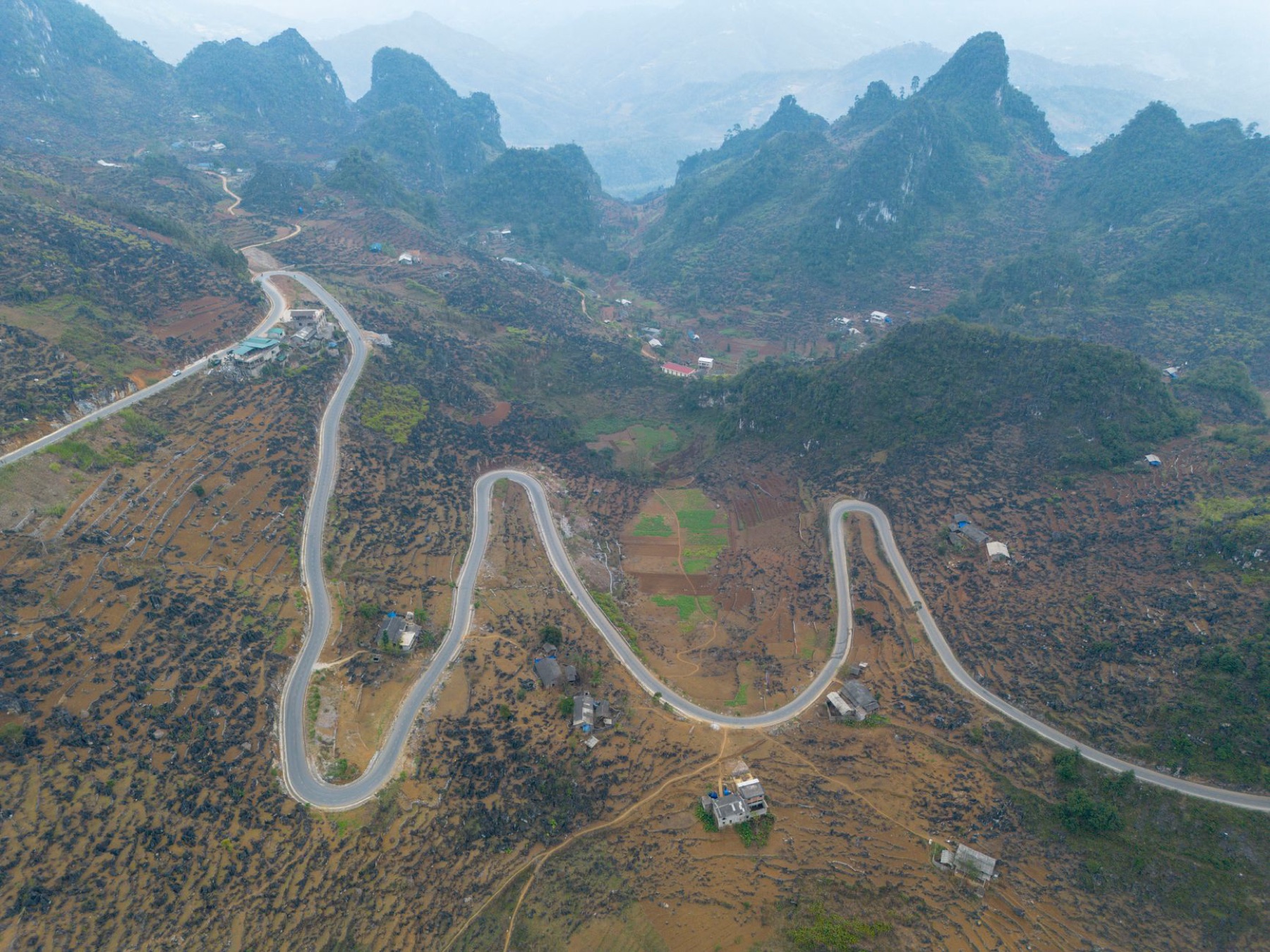
The Ha Giang Loop is a 300 km circuit from Ha Giang City through Yen Minh, Meo Vac, and Dong Van, returning via Tung Chanh Pass. It's rideable solo on a rented automatic motorbike or by minibus. Solo riders need a valid international driving permit (IDP) and Vietnam driving license recognition—though enforcement is lax in remote areas. Roads are paved but narrow, with sheer drop-offs; one slip is fatal. First-time riders on unfamiliar terrain should hire a driver or local guide instead.
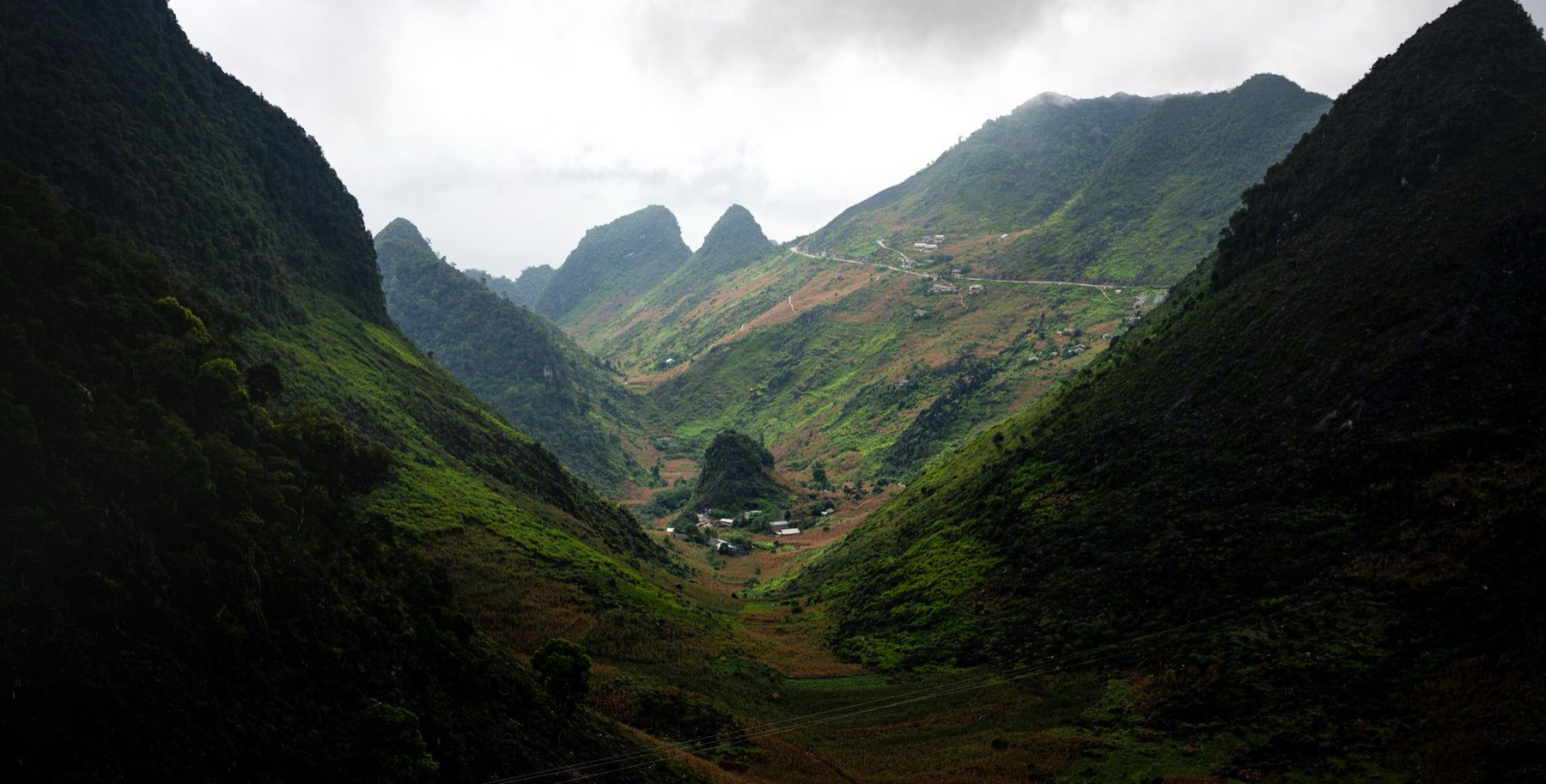
Which season gives you the best Ha Giang weather?
October–November brings clear skies, mild temperatures (15–25°C daytime), and dry roads—prime time, but increasingly crowded. March–April mirrors this, slightly warmer. May is humid; June–September are monsoon months with heavy rain, fog, and landslide closures. December–February see temperatures drop to 5–10°C at elevation; frost and occasional snow can block high passes. Skip the rainy season unless you accept road hazards and closed viewpoints.
What do ethnic homestays really cost and what's included?
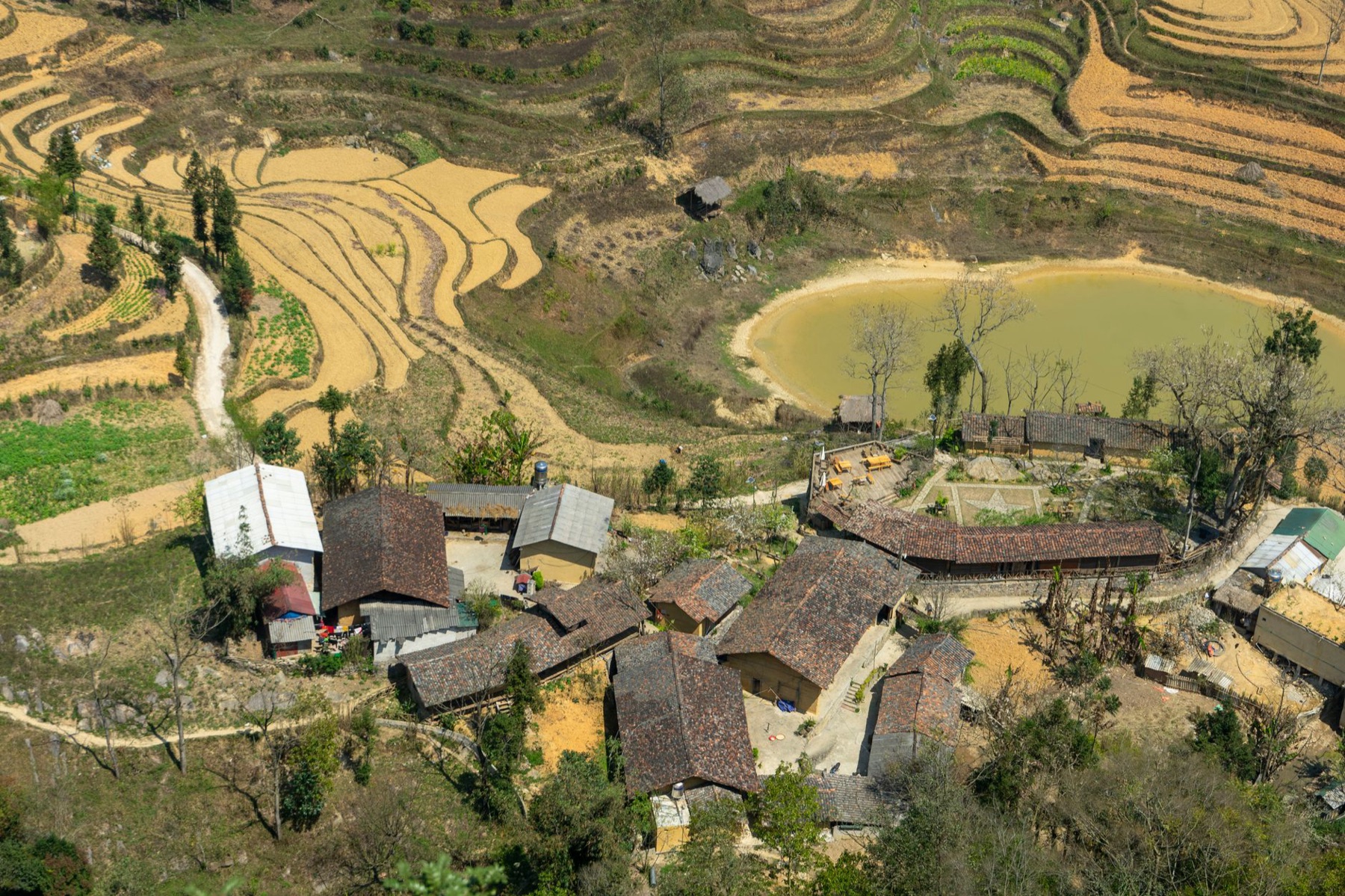
Local homestays in villages like Lung Cu, San Sa Ho, or Yen Minh charge around VND 400,000–800,000 per night (USD 16–32), including a bed in a wooden longhouse and a shared meal (usually rice, vegetables, sometimes pork). Bathrooms are squat toilets with cold-water showers. No Wi-Fi, spotty mobile signal. Families are welcoming but expect minimal English; a translator app or basic phrases in Vietnamese help. Never pre-pay online; agree verbally or via a local guide, and pay after you arrive.
How much should a Ha Giang Loop guide actually cost?
A reliable local guide costs around VND 1–1.5 million per day (USD 40–60) when hired directly through your guesthouse or via local contacts; they arrange bikes, homestays, and meals. Hanoi agencies charge VND 3–6 million (USD 120–240) per day for the same service plus "brand" markup. If you book through a Hanoi outfit, you're subsidizing their office rent, not better service. Cheaper "guides" offering VND 500,000/day are often unofficial riders who pocket cash and skip safety checks.
What scams and dangers should you avoid in Ha Giang?
Bike rental shops in Hanoi mark up prices by 50–100% and rent unserviced bikes; rent locally in Ha Giang City instead (around VND 150,000–300,000/day for a 110cc automatic). Overpriced "guided tours" sold by hostels in Hanoi route kickbacks to staff, not quality. Riding after dark is dangerous—roads lack streetlights and livestock wanders freely. Landslides close passes without notice; check with locals before setting out. Petty theft from homestays is rare but lock valuables. Fuel stations beyond the city are sparse; fill up at every stop.
---
| Consideration | Ha Giang Loop | Sapa Alternative | Why it matters |
|---|---|---|---|
| Difficulty | Intermediate–advanced | Beginner | Ha Giang demands confident riding; Sapa suits walkers |
| Tourist density | Low–medium | High | Ha Giang offers solitude; Sapa is crowded |
| Best season | Oct–Nov, Mar–Apr | Sep–Oct, Mar–Apr | Overlapping but Ha Giang drier longer |
| Daily cost (solo) | USD 30–60 | USD 50–80 | Ha Giang cheaper; Sapa pricier due to tourist markup |
| Homestay comfort | Basic | Basic–mid-range | Both rustic; Sapa has more option tiers |
---
Before You Go: A Real Checklist
- ✅ Bike check: Test brakes, horn, lights, tire pressure at rental. Decline if anything feels loose.
- ✅ Road conditions: Ask locals about recent landslides or closed passes; road.io or local Facebook groups show current status.
- ✅ Cash & cards: Withdraw VND in Ha Giang City; ATMs are rare beyond. No card terminals at homestays.
- ✅ Insurance & permits: Get international driving permit before you leave home; most travel insurance excludes motorbike riding unless declared.
- ✅ Guides & homestays: Book through your guesthouse, not online marketplaces; face-to-face trust is non-negotiable.
- ✅ Rough itinerary: Hanoi → Ha Giang City (overnight) → Loop days 1–3 → return to Hanoi. Allows a rest day if weather turns.
---
🗺️ Plan your Vietnam route: multi-destination itinerary
Combining Ha Giang with other northern regions? Ha Long Bay (4–5 hours from Hanoi) offers easier-paced cruises; Ninh Binh and Sapa each suit different travel styles. Link them into a coherent North Vietnam loop.
What Gifts Capture Ha Giang's Spirit?
Visitors often buy tie-dye indigo cloth (woven by Hmong women, around VND 300,000–1,000,000 per meter) or hand-woven textiles from village cooperatives. These are meaningful and support families directly—far better than mass-made souvenirs. Consider a personalized textile or handwoven collection piece with the trip date or a loved one's name; keepsakes like these transform a trip into a conversation starter. Alternatively, a custom local-inspired print of the Loop route or mountain vista lets you relive the ride annually.
📸 Capture your Ha Giang adventure: book an ao dai photoshoot in Hanoi (Cáo Studio)
Before or after your Loop, commission a professional ao dai photo session in Hanoi. Wear traditional dress against Hanoi's Old Quarter or lake backdrop; combine the shoot with a custom photo-gift collection (framed or mounted prints of your best shots). Cáo Studio handles makeup, styling, and logistics—ready in 3–5 days.
Transportation: Hanoi to Ha Giang City
From Hanoi, minibuses depart daily around 5–6 am from various stands (Luong Yen or Giap Bat), arriving 8–10 hours later. Cost is around VND 250,000–400,000 (USD 10–16). Overnight sleeper buses exist but are cramped. Rental cars with drivers (around VND 2–3 million/day) offer more comfort and flexibility if splitting costs with 2–3 travelers. Flying is not an option; Ha Giang has no airport. Once in Ha Giang City, rent a bike, hire a guide, confirm homestays, and head out early to avoid night riding.
Money, Meals & Other Practicalities
Eat where locals eat: pho shops in Ha Giang City cost VND 40,000–60,000 (USD 1.50–2.50); a meal at a homestay is often included or around VND 100,000–150,000 (USD 4–6). Convenience stores are scarce outside the city; pack snacks and water. Mobile signal (Viettel, Mobifone) works intermittently on the Loop; an eSIM for Vietnam with data ensures navigation and emergency contact. Mosquitoes are present March–November; bring repellent. Toilet paper and hand sanitizer are luxuries—carry your own.
---
🎟️ Explore tours, guides & tickets for northern Vietnam
Not confident riding solo? Pre-booked guided tours range from budget local operators to mid-range Hanoi agencies. Compare options, read recent reviews on local Facebook groups, and verify the guide speaks your language before committing.
When to Skip Ha Giang (Honestly)
Ha Giang is not for everyone. If you dislike motorbikes, narrow roads, cold showers, or basic accommodation, choose Sapa (trekking-based, hiked not ridden) or Ha Long Bay (boat comfort). If you're claustrophobic or fear heights, the karst passes will stress you. If you travel solo and speak no Vietnamese, hire a guide—rough it alone only if you're an experienced independent rider and have backup communication. If June–September is your only window, go to lower-elevation regions instead; the Loop is dangerous when wet.
---
One More Thing: Ethics & Community
The Hmong, Tay, and Dao families hosting you earn directly when you stay and eat at their homes. Avoid guides who discourage homestays in favor of tourist guesthouses; they're just chasing commissions. Bring simple gifts (tea, notebooks, school supplies) rather than money, which can create dependency. Take photos only with permission; some families prefer privacy. Learning a handful of phrases in the local dialect (Hmong is distinct from Vietnamese) earns genuine respect.
---
📍 Explore Vietnam's top regions: start planning
After Ha Giang, many travelers head to Hanoi for restoration and admin (visas, bookings), then branch to Ho Chi Minh City, Hoi An, or other regions. Each deserves its own guide.
---
FAQ
Do I need an international driving permit for Ha Giang?
Yes, legally. Enforcement is rare in remote areas, but if stopped, you'll face fines (VND 500,000–2 million / USD 20–80). Obtain your IDP before traveling. Without one, you risk liability if there's an accident.
Can I do the Ha Giang Loop in one day?
Technically, yes—it's 300 km—but you'll ride 10+ hours, skip villages, and arrive exhausted. Three days allows meaningful stops, homestay time, and safer riding. Two days is a compressed minimum; one day is dangerous.
What's the difference between a Ha Giang tour from Hanoi vs. hiring a guide locally?
Hanoi tours mark up prices 2–3x and you're subsidizing office overhead. Local guides, booked on-site, cost half as much and know current road conditions, family homestays, and speak local languages. Direct booking always wins.
Are there ATMs in villages on the Ha Giang Loop?
No. ATMs exist only in Ha Giang City and possibly Dong Van town. Withdraw cash before the Loop; some homestays accept mobile payments (MoMo, Viettel Money) but don't assume. Carry backup cash.
What if I get sick or injured on the Loop?
Villages have basic health clinics; serious injuries require evacuation to Ha Giang City hospital (1–3 hours by vehicle). Travel insurance covering evacuation is essential. Always inform your guide or homestay owner immediately. Download offline maps and carry a charged phone.
Is solo female travel safe in Ha Giang?
Yes, broadly. Hmong communities are welcoming to women travelers. Avoid riding alone at night; ride in daylight, use lights at dusk, and let someone know your route. Stay in groups when possible. Sexual harassment is rare but trust your instincts and move on if uncomfortable.
FAQ
Do I need an international driving permit for Ha Giang?
Yes, legally. Enforcement is rare in remote areas, but if stopped, you'll face fines (VND 500,000–2 million / USD 20–80). Obtain your IDP before traveling. Without one, you risk liability if there's an accident.
Can I do the Ha Giang Loop in one day?
Technically, yes—it's 300 km—but you'll ride 10+ hours, skip villages, and arrive exhausted. Three days allows meaningful stops, homestay time, and safer riding. Two days is a compressed minimum; one day is dangerous.
What's the difference between a Ha Giang tour from Hanoi vs. hiring a guide locally?
Hanoi tours mark up prices 2–3x and you're subsidizing office overhead. Local guides, booked on-site, cost half as much and know current road conditions, family homestays, and speak local languages. Direct booking always wins.
Are there ATMs in villages on the Ha Giang Loop?
No. ATMs exist only in Ha Giang City and possibly Dong Van town. Withdraw cash before the Loop; some homestays accept mobile payments (MoMo, Viettel Money) but don't assume. Carry backup cash.
What if I get sick or injured on the Loop?
Villages have basic health clinics; serious injuries require evacuation to Ha Giang City hospital (1–3 hours by vehicle). Travel insurance covering evacuation is essential. Always inform your guide or homestay owner immediately. Download offline maps and carry a charged phone.
Is solo female travel safe in Ha Giang?
Yes, broadly. Hmong communities are welcoming to women travelers. Avoid riding alone at night; ride in daylight, use lights at dusk, and let someone know your route. Stay in groups when possible. Sexual harassment is rare but trust your instincts and move on if uncomfortable.
More: Ha Giang travel guide