Ha Long Bay · Things to do
Ha Long Bay: Best Things to Do & Tours for 2026
By Wander in Vietnam editorial team · Hanoi, Vietnam
What Type of Tour Fits Your Budget & Schedule?
Ha Long Bay tours range from budget group cruises (around $40–70 USD per day) to luxury overnight junks (around $150–300+ USD). Day tours suit travelers with limited time; overnight stays let you catch sunrise over karsts and explore lesser-visited caves. Mid-range cruises (around $80–150 USD) often balance comfort, food quality, and price better than budget-only operators. Choose based on how many nights you can spare, whether you want air-conditioning, and if you prefer swimming or passive sightseeing.
Why Overnight Cruises Matter More Than Day Tours
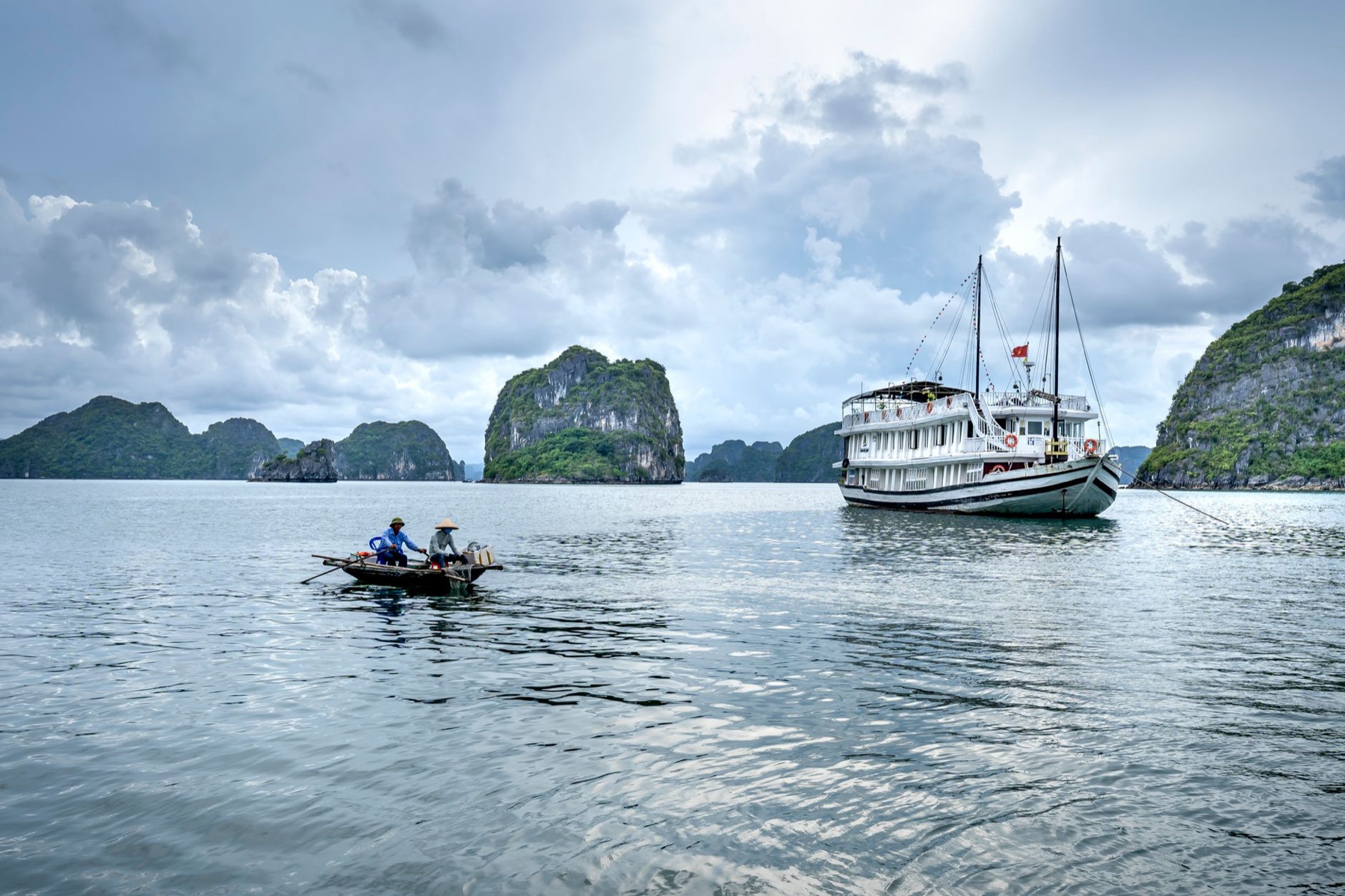
A day tour rushes you through Surprise Cave and Titop Island by noon, leaving afternoons wasted in Halong City. Overnight cruises anchor in Lan Ha Bay or remote coves where you kayak at dawn, swim in phosphorescent waters (seasonal), and dine aboard. Most overnight trips include meals and two–three activities; day tours charge extra. If you have 2+ nights free, overnight is worth the extra $40–80 USD per night—you'll see twice the sites with half the crowds.
🗺️ Plan your route: Vietnam itinerary
How to Spot & Avoid Overhyped or Unsafe Operators
Red flags: operators booking through unmarked street stalls in Hanoi's Old Quarter, no visible safety briefings, prices suspiciously lower than peers (often means cutting corners on fuel, food, or crew training), or no cancellation policy. Reputable companies display IMO safety certificates, enforce life-jacket use, publish daily itineraries online, and accept card payment. Ask for operator name, boat registration, and contact details before paying. Many travelers book through Hanoi hotels—staff vet operators—rather than random touts. Read recent reviews mentioning specific boat names, not just star counts.
Caves, Kayaking & Water Activities: What's Actually Worth Your Time
Surprise Cave (Sung Sot): Stunning stalactite formations, but crushingly crowded after 10 am. Most tours include it; arrive early or skip if you've seen similar caves elsewhere (Phong Nha in Ninh Binh is less touristy).
Titop Island: Beach with views; useful if you want to swim or sunbathe between activities. 30–45 minutes is enough.
Kayaking in Lan Ha Bay: Worth the extra time and cost. Paddling through limestone arches at water level beats ship-based sightseeing. Guides steer you to sheltered lagoons where day-trippers don't reach.
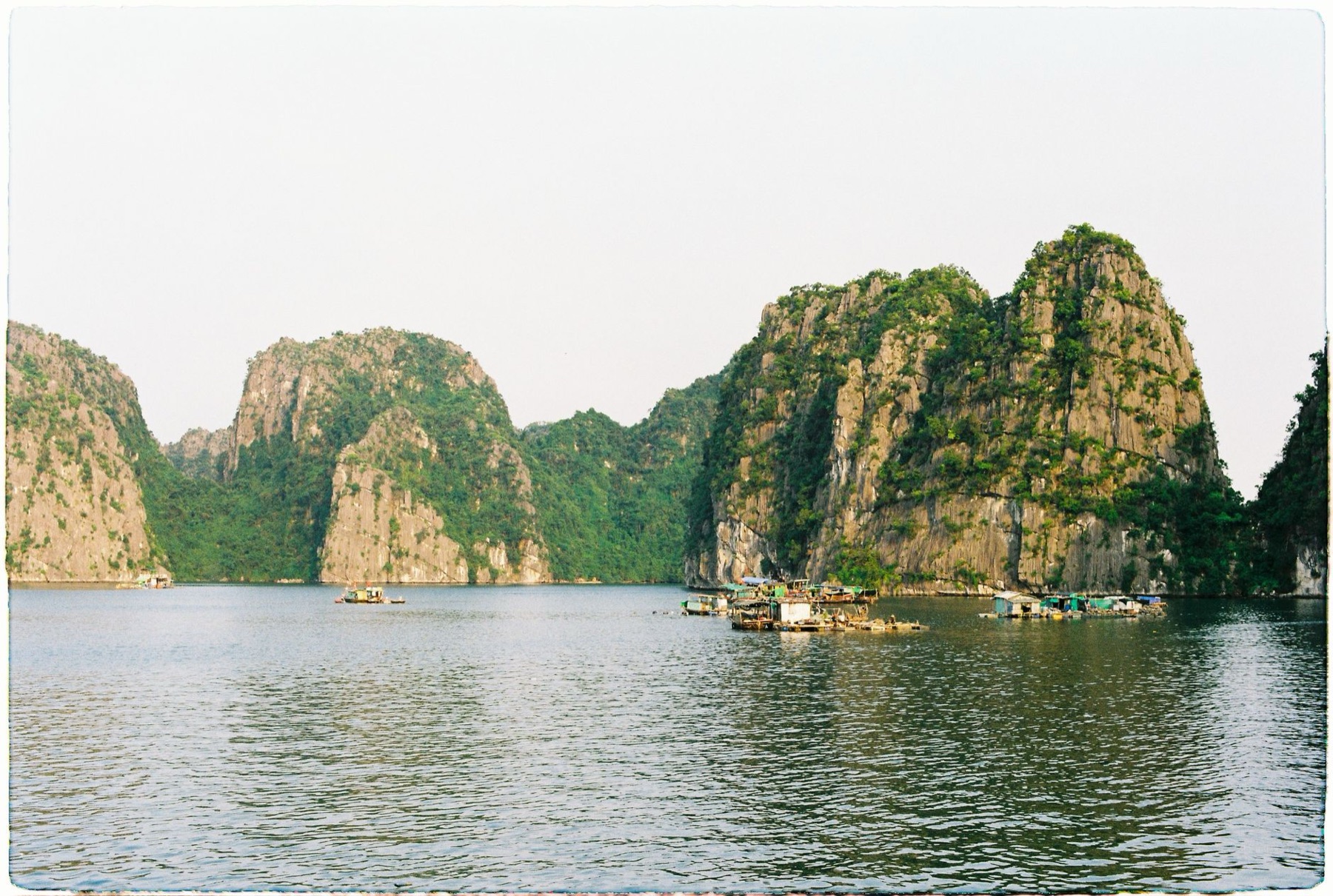
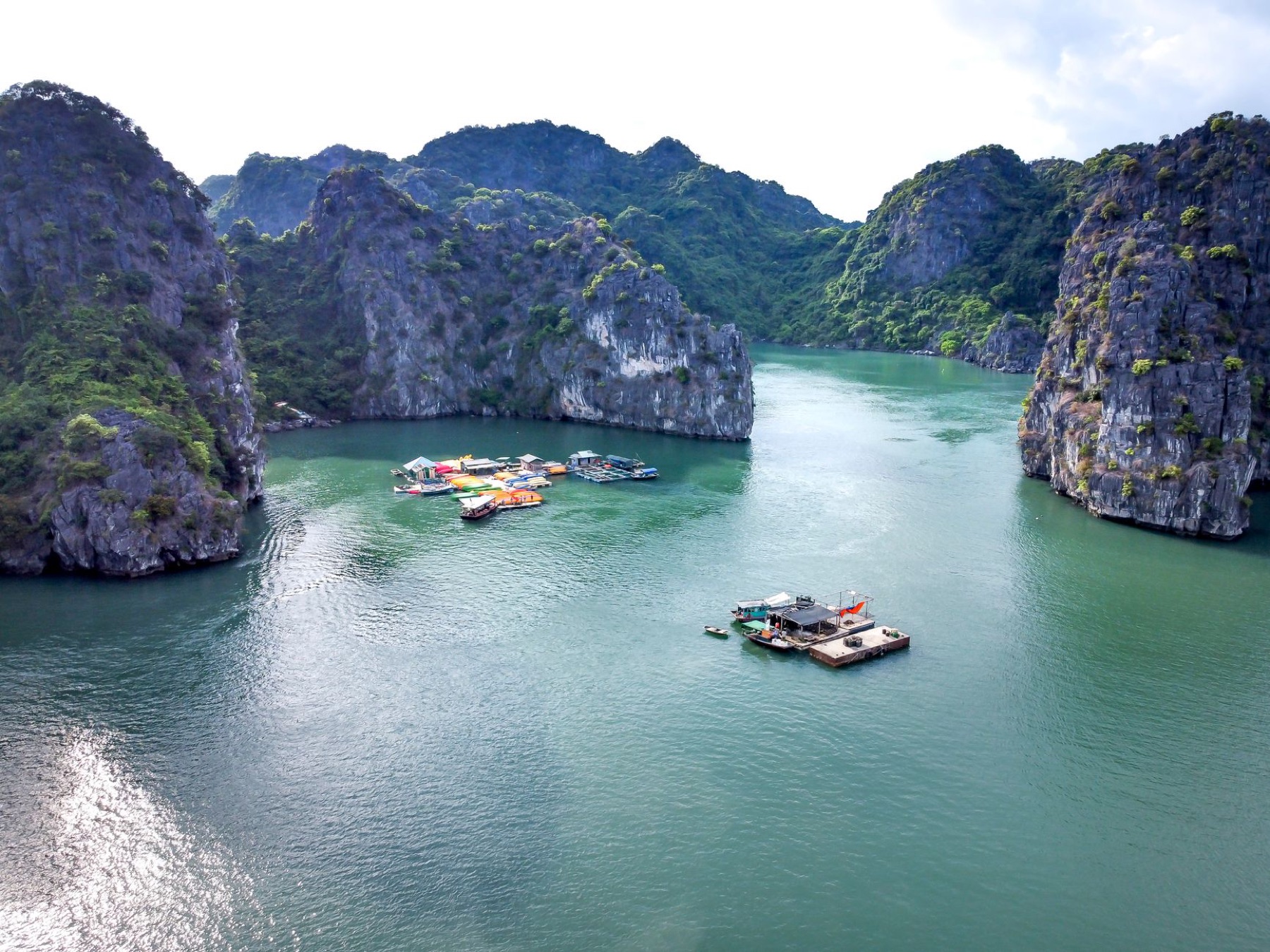
Fishing village visits: Authentic but often feel staged. Go if you want photos; don't expect deep cultural insight in a 1–2 hour stop.
Overnight anchorages: Simply floating on deck at dusk, eating seafood, watching stars. This quietness is why overnight tours justify the cost.
| Activity | Best For | Time | Realistic Cost Add-On | Skip If |
|---|---|---|---|---|
| Surprise Cave | First-time visitors, photo hunters | 45 min | Included in tour | You've seen Phong Nha caves |
| Kayaking | Active travelers, nature lovers | 2–3 hrs | Around $15–30 USD | You get seasick or have mobility issues |
| Titop Island beach | Swimmers, sun-seekers | 45 min–1 hr | Included | You dislike crowded beaches |
| Fishing village tour | Cultural immersion seekers | 1–1.5 hrs | Included or around $10 USD | You want authentic (not staged) interaction |
| Overnight anchorages | Relaxation, sunrise hunters | 12–16 hrs | Included in overnight tour | You prefer day trips or have limited time |
Honest Comparison: Budget vs. Mid-Range vs. Luxury Cruises
Budget cruises (~$40–70 USD/night): Shared dorms, basic food (rice, boiled vegetables, farmed seafood), smaller boats prone to seasickness, no shower onboard (some river cruises only), minimal English from staff. Realistic for backpackers; expect discomfort and crowds.
Mid-range cruises (~$80–150 USD/night): Private cabins or doubles, decent meals (grilled fish, stir-fries, fresh fruit), air-con, en-suite bathrooms, 20–40 passengers, bilingual guides, kayaking included. Sweet spot for comfort vs. cost; most repeat travelers book here.
Luxury cruises (~$150–400+ USD/night): Suites with sea views, multi-course dining, 10–20 passengers max, French or Japanese crew, spa services, tailored itineraries, private kayak guides. Reserve far ahead; price justified only if you prioritize exclusivity.
What Matters Most:
- Bathroom cleanliness trumps room size on a boat. Check reviews mentioning plumbing.
- Staff-to-guest ratio determines service quality and safety (1:3 is standard; 1:2 is better).
- Food quality matters on overnight trips—ask what's on the menu, not just "seafood."
- Boat size affects seasickness risk (40+ passengers = more sway; 15–20 = steadier).
🎟️ Compare tours & tickets for this place
Getting There, When to Go & What to Pack for Ha Long Bay
From Hanoi: Minibus or private car to Halong City, 160 km (2.5–3 hrs), around $8–15 USD by shared minibus. Tour operators usually include transport; confirm before booking.
Best months: October–November and March–April (calm seas, 20–25°C, low humidity). December–February is cooler but can be overcast. June–September brings heat (30°C+), sudden storms, and fewer boats sailing.
Pack smart:
- Quick-dry clothes and waterproof bag (kayaking & spray).
- Reef-safe sunscreen (limestone ecosystems are fragile).
- Seasickness tablets (especially June–Sept or if susceptible).
- Slip-on shoes or water sandals (cabins and kayaks).
- Lightweight rain jacket (rare but sudden squalls happen).
- Offline maps on your phone and a charged power bank (connectivity patchy on boats).
Pro tip: Buy an eSIM for Vietnam before boarding so you can message guides or book excursions independently—don't rely solely on operator WiFi.
What to Check Before You Book or Pay
- Operator name & registration: Ask for company name, boat registration number, and contact phone. Cross-check with Halong City tourism office.
- Cancellation policy: Can you cancel without loss if weather worsens? Refund or reschedule?
- Meals & dietary needs: Confirm vegetarian, halal, or allergy-friendly options in writing.
- Activity inclusions: Is kayaking, cave entry, or fishing village included, or charged separately?
- Group size: Confirm max passenger count; oversold boats = poor experience.
- Safety equipment: Ask where life jackets are stored and when briefings occur.
- Payment & receipt: Card payment preferred; get written confirmation with itinerary, operator name, and dates.
- Pickup & return times: Confirm exact meeting point in Halong City or Hanoi.
---
📸 Book an ao dai photoshoot in Hanoi or Saigon (Cáo Studio) | 🗺️ Plan your route: Vietnam itinerary | 🎟️ Compare tours & tickets for this place
---
Honest Take: Is Ha Long Bay Worth the Hype?
Yes—the limestone karsts are genuinely stunning and unlike anything in Southeast Asia. No, if you hate crowds or prefer off-the-beaten-path travel. Peak-season day tours feel like floating shopping malls. Overnight trips and shoulder-season visits (Nov, March–early April) sidestep this. Many travelers find Ninh Binh's Trang An or Tam Coc—limestone scenery on a smaller scale, quieter—just as rewarding and less touristy. Budget 2–3 days here; combine with Hanoi or Sapa to build a richer itinerary.
---
FAQ
Is it safe to swim in Ha Long Bay?
Yes, in designated areas. Most overnight tours offer swimming between 10 am–3 pm in protected coves. Water is coldest Dec–Feb (around 15–18°C); June–Sept is warmest (28–30°C). Avoid swimming near boat engines or if you see warning signs. Kayak guides know safe zones; ask before jumping in.
Can I see Ha Long Bay in one day from Hanoi?
Technically yes, but it's rushed. Minibus leaves Hanoi 7 am, reaches Halong City by 10 am, tour runs 10 am–4 pm, return to Hanoi by 7 pm. You'll see Surprise Cave and Titop Island but miss quieter activities and the real beauty of anchoring overnight. Two days (overnight) is realistic; one day is photo-collection only.
What's the difference between Ha Long Bay and Lan Ha Bay?
Ha Long Bay is the main UNESCO site, heavily touristed, close to Halong City. Lan Ha Bay is adjacent, less crowded, features limestone islands and fishing villages. Most overnight tours anchor in Lan Ha Bay at night to escape day-tripper crowds. Same karst landscape; Lan Ha feels more peaceful.
Do I need a guide or can I hire a private boat?
Guides are legally required on all commercial boats and help with safety, navigation, and cultural context. Private boat hire is possible through local fisherfolk but riskier (no insurance, communication barriers, unclear liability). Book through registered operators for peace of mind; expect to pay around $150–250 USD per day for a private boat plus captain.
Can I visit Ha Long Bay if I get seasick easily?
Yes, but take precautions. Choose larger, more stable boats (40–60 passengers vs. 15–20). Take seasickness tablets 30 minutes before boarding. Stay midship (steadiest point). Avoid alcohol and heavy meals before departure. Ginger tea or acupressure wristbands help some travelers. If very prone, book a shorter day tour instead of overnight.
What souvenirs should I buy, and where?
Avoid plastic keepsake boxes and mass-produced lanterns sold at Titop Island—overpriced and low quality. Browse gift collections at tourist shops in Halong City center (Tran Hung Dao Street) if you want postcards, magnets, or t-shirts. Pearlware is overhyped; pearls sold locally are often cultured elsewhere. Best souvenir: personal photos or memories; second best: locally-made coffee or lacquerware from Hanoi before you leave. --- Internal links used: Ha Long Bay | Hanoi | Ninh Binh | Sapa | Ho Chi Minh City | Vietnam itinerary planner | eSIM for Vietnam | Cáo Studio ao dai photoshoot
FAQ
Is it safe to swim in Ha Long Bay?
Yes, in designated areas. Most overnight tours offer swimming between 10 am–3 pm in protected coves. Water is coldest Dec–Feb (around 15–18°C); June–Sept is warmest (28–30°C). Avoid swimming near boat engines or if you see warning signs. Kayak guides know safe zones; ask before jumping in.
Can I see Ha Long Bay in one day from Hanoi?
Technically yes, but it's rushed. Minibus leaves Hanoi 7 am, reaches Halong City by 10 am, tour runs 10 am–4 pm, return to Hanoi by 7 pm. You'll see Surprise Cave and Titop Island but miss quieter activities and the real beauty of anchoring overnight. Two days (overnight) is realistic; one day is photo-collection only.
What's the difference between Ha Long Bay and Lan Ha Bay?
Ha Long Bay is the main UNESCO site, heavily touristed, close to Halong City. Lan Ha Bay is adjacent, less crowded, features limestone islands and fishing villages. Most overnight tours anchor in Lan Ha Bay at night to escape day-tripper crowds. Same karst landscape; Lan Ha feels more peaceful.
Do I need a guide or can I hire a private boat?
Guides are legally required on all commercial boats and help with safety, navigation, and cultural context. Private boat hire is possible through local fisherfolk but riskier (no insurance, communication barriers, unclear liability). Book through registered operators for peace of mind; expect to pay around $150–250 USD per day for a private boat plus captain.
Can I visit Ha Long Bay if I get seasick easily?
Yes, but take precautions. Choose larger, more stable boats (40–60 passengers vs. 15–20). Take seasickness tablets 30 minutes before boarding. Stay midship (steadiest point). Avoid alcohol and heavy meals before departure. Ginger tea or acupressure wristbands help some travelers. If very prone, book a shorter day tour instead of overnight.
What souvenirs should I buy, and where?
Avoid plastic keepsake boxes and mass-produced lanterns sold at Titop Island—overpriced and low quality. Browse gift collections at tourist shops in Halong City center (Tran Hung Dao Street) if you want postcards, magnets, or t-shirts. Pearlware is overhyped; pearls sold locally are often cultured elsewhere. Best souvenir: personal photos or memories; second best: locally-made coffee or lacquerware from [Hanoi](/hanoi) before you leave. --- Internal links used: [Ha Long Bay](/ha-long-bay) | [Hanoi](/hanoi) | [Ninh Binh](/ninh-binh) | [Sapa](/sapa) | [Ho Chi Minh City](/ho-chi-minh-city) | [Vietnam itinerary planner](/vietnam/itinerary) | [eSIM for Vietnam](/vietnam/esim) | [Cáo Studio ao dai photoshoot](https://vietnamphotoshoot.com)