Ha Long Bay · Things to do
Ha Long Bay in Vietnam: Tours, Costs & What to Book
By Wander in Vietnam editorial team · Hanoi, Vietnam
Ha Long Bay is Vietnam's most photographed natural wonder. The 1,600-square-kilometre bay contains over 2,000 islands and limestone peaks. Most international visitors book tours from Hanoi; independent travel on public buses exists but is slower and less convenient for first-timers.
The reality: not all boats are equal, prices fluctuate by season, and "luxury" labels vary wildly. We've tracked what actually delivers value and which options waste money.
What's the real cost breakdown for a Ha Long Bay trip?
Day tours from Hanoi cost around $40–80 USD per person including transport, lunch, and one activity (kayak or cave visit). Overnight cruises range $80–200 USD (budget shared cabins) to $250–400+ USD (small-group or upscale options). Longer multi-day itineraries in northern Vietnam including Ha Long run $150–500+ USD. Transfers from Hanoi are included in most packages; meals and onboard drinks vary. Peak-season prices (October–April) are 20–30% higher than May–September rates.
🗺️ Plan your route: Vietnam itinerary
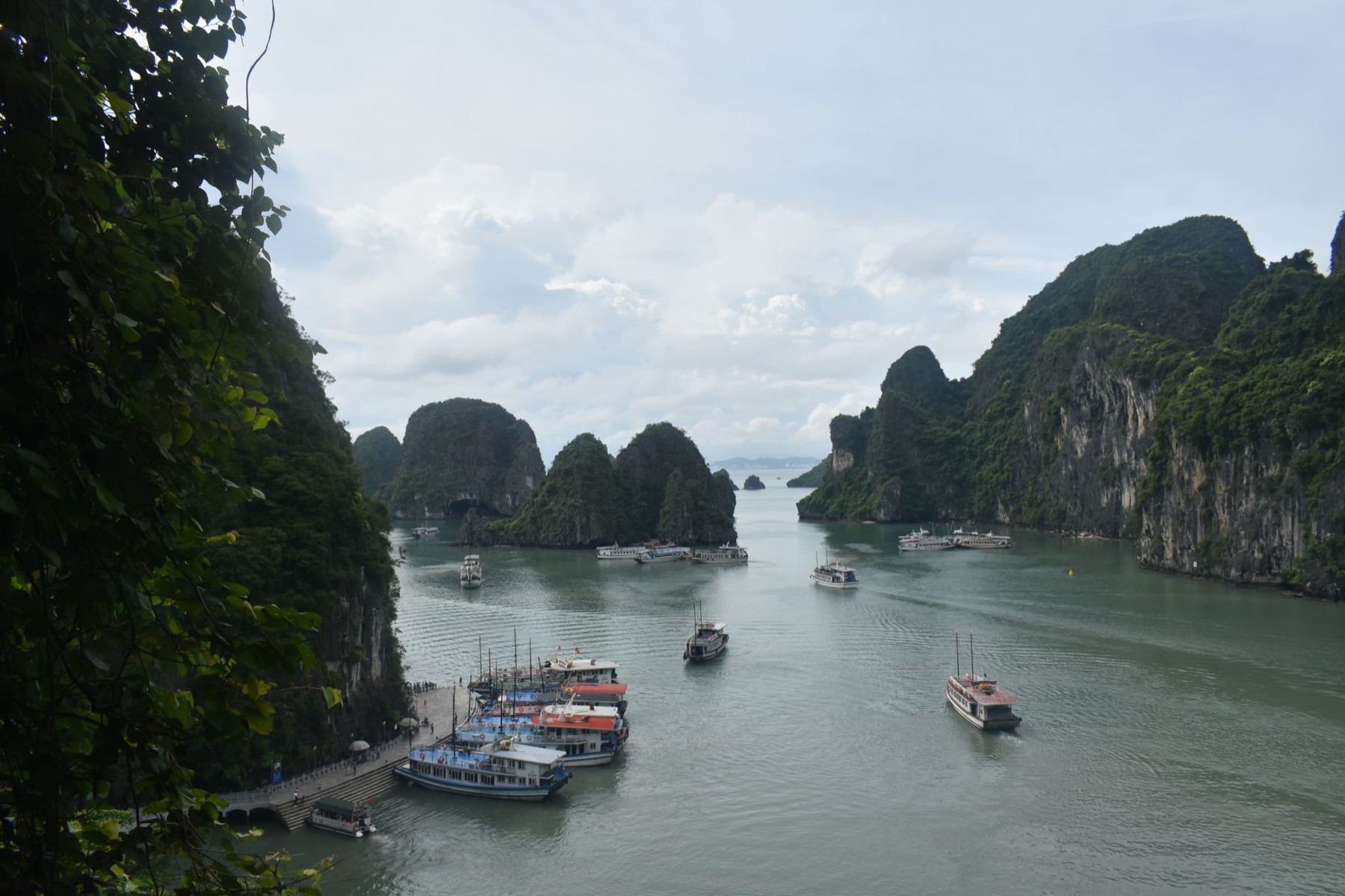
Which cruise type matches your travel style?
Budget shared boats (around $60–100 USD/night): 30–50 passengers, dormitory or small cabins, basic meals, crowded but social. Best for backpackers under 35 who prioritize cost and meeting travellers. Common complaint: noisy engine rooms, thin walls.
Mid-range family cruises (around $120–200 USD/night): 15–25 passengers, private cabins with en-suite, sit-down dinners, organized activities (tai chi, cooking demo, squid fishing). Suits couples, small families, and groups. Often feels rushed; itineraries identical across companies.
Luxury/expedition boats (around $250–500+ USD/night): 8–15 passengers, suites, multi-course meals, expert guides, flexible routing. Ideal for luxury travellers and repeat visitors seeking depth. Premium price justified only if you book direct with the boat operator, not resellers.
| Cruise Type | Passenger count | Cabin type | Typical meal style | Approx. price (2 days/1 night) | Best for |
|---|---|---|---|---|---|
| Budget shared | 30–50 | Dorm/twin | Buffet | $60–100 USD | Backpackers, solo travellers |
| Mid-range family | 15–25 | Private double | Sit-down | $120–200 USD | Couples, families, groups |
| Luxury expedition | 8–15 | Suite | À la carte/set menu | $250–500+ USD | High-budget travellers, repeat visitors |
Should you book a cruise or a day tour?
Day tours work if you have 1 day in the region, live on a tight budget, or dislike overnight boat travel. They include transport from Hanoi (5–6 hours round trip), lunch, and one activity. You skip sunrise and nighttime swimming; the pace feels rushed.
Overnight cruises (2 days/1 night) give time to visit caves, swim in quiet anchorages, and watch sunrise. Most land back in Hanoi by 10 a.m. the second day—compatible with evening flights. Seasickness is rare in the bay's protected waters but possible in poor weather (May–September typhoon season).
Three-day cruises and Ha Long Bay combinations with Ninh Binh or Sapa suit longer trips (10+ days in Vietnam). These multi-region itineraries cost $200–400+ USD for 3 days and reduce per-day spend when factored against separate activities.
🎟️ Compare tours & tickets for this place
What activities and add-ons actually matter?
Included in most cruises:
- Limestone cave visits (Sung Sot, Thien Cung)
- Kayaking in shallow waters or around islets
- Swimming in designated anchorages
- Sunrise/sunset deck time
- Tai chi or exercise class (often skip-friendly)
Worth paying extra for:
- Rock climbing (around $25–40 USD): 2–4 hour guided session on Cat Ba island. Scenic and technical; book with the cruise operator, not independently (insurance/logistics).
- Squid fishing night tours (included or +$10–15 USD): traditional hand-line method, mostly theatrical but photogenic.
- Visit to floating villages (included or +$20 USD): meet local fishing communities. Ethical concerns exist (some villages stage tours); ask your guide whether residents are paid fairly.
- Cooking class or seafood lunch upgrade (+$15–30 USD): learn to make fresh spring rolls or crab omelettes.
Skip these add-ons:
- "Luxury spa" onboard: cramped rooms, limited therapists, high markup.
- Separate sunset/sunrise boat excursions from mainland: double the cost of overnight cruises with fewer perks.
- Jewellery or craft workshops: high-pressure sales, poor quality.
📸 Book an ao dai photoshoot in Hanoi or Saigon (Cáo Studio)
How do you avoid booking scams and low-quality operators?
Red flags:
- Price significantly lower than competitors (often means hidden charges, missing meals, or substandard boat).
- Booking only through third-party resellers (commission markup; no direct support if issues arise).
- No clear cancellation or refund policy in writing.
- Photos on website that don't match the actual boat.
- Guides who pressure you to buy drinks/crafts onboard.
Verification checklist before paying:
- Request the boat name and check it against online reviews on independent forums (not just TripAdvisor, which has spam).
- Confirm that transport from Hanoi and meals are included; ask which meals and whether dietary needs are accommodated.
- Look for a direct contact (email, phone) with the boat operator or local agency, not just a booking platform.
- Read recent reviews mentioning specific issues (noise, weather cancellation, food quality).
- Check whether the operator is registered with the Ha Long Bay Tourism Association (HLBTA).
- Ask how many staff per passenger (ratio below 1:5 suggests corners cut).
Most delays and poor experiences stem from booking the cheapest option through a mass-market platform. Paying an extra $20–30 USD per person directly with a local operator often yields significantly better service and fewer headaches.
Visit Ha Long Bay guide for transport, accommodation, and dining options in the town.
What's the best time to visit, and when should you skip it?
Ideal: September–April. Calm seas, clear skies, average temps 15–20°C. October–November and March–April are peak; crowds swell and prices rise 20–30%.
Acceptable: May–August. Warmer (25–30°C), higher rainfall. Some days are pristine; others are overcast. Typhoon season (July–September) occasionally causes cancellations. Fewer tourists; prices drop 15–25%.
Avoid: June and typhoon-prone weeks (late August–early September). Seas rougher; visibility poor.
If arriving from Hanoi or Ho Chi Minh City, book cruises at least 2–3 weeks in advance during peak season. In shoulder months (May, September, December), 1 week is often sufficient.
What to check before you order
Before committing to a cruise or tour:
- Confirm the exact itinerary. Which caves, islands, and anchorages? Some budget operators skip Sung Sot or Thien Cung due to time pressure.
- Check cabin quality. Ask for photos of the actual cabin type you'll occupy, not a "deluxe suite" stock photo. Confirm window access and bathroom type (en-suite vs. shared).
- Verify meal specifications. Buffet (limited), à la carte (slower), or set menu (predetermined)? Ask about protein/vegetarian/allergy options.
- Clarify cancellation terms. Full refund if weather/health issues arise? Non-refundable deposits are common; read the policy.
- Check transfer logistics. Does the tour pick you up at your Hanoi hotel, or a central meeting point? Return time to Hanoi (matters if you have an evening flight).
- Ask about onboard inclusions. Are soft drinks, beer, and water free? Many cruises charge per drink; others bundle them.
- Request crew contact info. A direct line to the boat captain or cruise manager is helpful if your flight changes.
Most refunds and complaints arise from unclear expectations, not deliberate fraud. Booking with a local agency in Hanoi rather than an international platform often adds a buffer: local agents know boats personally and can intervene if issues occur.
---
🗺️ Plan your route: Vietnam itinerary
For pre-trip logistics, arrange a Vietnam e-visa (online approval in 1–3 days, around $25 USD) and a local Vietnam eSIM (4G connectivity for navigation and messaging, around $10–20 USD for 7–30 days). Both speed up your journey from Hanoi and reduce on-arrival stress.
See Ha Long Bay things to do for detailed activity reviews, dining, and nearby trekking options.
FAQ
Can I visit Ha Long Bay without booking a cruise?
Yes, by public bus to Ha Long City (3–4 hours from Hanoi, around $3–5 USD), then hiring a private boat or joining a day tour locally. It's cheaper but slower; drivers speak limited English. Most first-time visitors book from Hanoi for convenience and guided experiences.
What's included in the price of a cruise, and what costs extra?
Included: transport, accommodation, main meals, and one activity (cave or kayak). Extra costs often apply to drinks onboard, massage, rock climbing, cooking classes, and village visits. Confirm the full list before paying; many cruises build in "surprise" charges.
Is Ha Long Bay safe, and are there health risks?
Yes, it's safe for tourists. Seasickness is possible but rare in calm bay waters; take dramamine if prone. Food safety is high on registered cruises; eat only at your boat or reputable restaurants in Ha Long City. Tap water onboard may be questionable; request bottled water.
How many days should I spend in Ha Long Bay?
One day (tour from Hanoi) works for a quick overview. Two days (overnight cruise) captures sunrise, multiple caves, and swimming. Three days (multi-day cruise or extension to Cat Ba island) suits travellers who want depth, rock climbing, or quieter anchorages. Most visitors do 2 days.
What should I pack for a Ha Long Bay cruise?
Lightweight layers (boat AC can be cold), swimsuit, reef-safe sunscreen, seasickness remedy, deck shoes (non-slip), and a small backpack. Formal dress is not required; casual is standard. Waterproof phone case if you plan to kayak or swim. Hanoi shops (Old Quarter area) sell everything cheaply if you forget items.
Is a solo trip to Ha Long Bay difficult?
No. Budget and mid-range cruises attract solo travellers; group activities and shared cabins make socializing easy. Many solo travellers book 2-day cruises and meet others onboard. Avoiding the cheapest "dormitory" cabins slightly improves comfort; cost difference is around $20–40 USD per night.
When is the worst time to visit Ha Long Bay?
June–early July and late August–September carry typhoon risk; seas are rough and visibility poor. If weather closes the bay, tours are cancelled and refunds delayed. Book cancel-if-weather insurance if those months are your only option.
Do I need a guide, or can I explore independently?
Guides are included on all organized cruises and day tours. Independent travel (renting a boat from Ha Long City) is possible but requires Vietnamese language skills, local knowledge of anchorages, and comfort navigating bureaucracy. Most tourists benefit from a guide; cost is negligible compared to hassle.
FAQ
Can I visit Ha Long Bay without booking a cruise?
Yes, by public bus to Ha Long City (3–4 hours from Hanoi, around $3–5 USD), then hiring a private boat or joining a day tour locally. It's cheaper but slower; drivers speak limited English. Most first-time visitors book from Hanoi for convenience and guided experiences.
What's included in the price of a cruise, and what costs extra?
Included: transport, accommodation, main meals, and one activity (cave or kayak). Extra costs often apply to drinks onboard, massage, rock climbing, cooking classes, and village visits. Confirm the full list before paying; many cruises build in "surprise" charges.
Is Ha Long Bay safe, and are there health risks?
Yes, it's safe for tourists. Seasickness is possible but rare in calm bay waters; take dramamine if prone. Food safety is high on registered cruises; eat only at your boat or reputable restaurants in Ha Long City. Tap water onboard may be questionable; request bottled water.
How many days should I spend in Ha Long Bay?
One day (tour from Hanoi) works for a quick overview. Two days (overnight cruise) captures sunrise, multiple caves, and swimming. Three days (multi-day cruise or extension to Cat Ba island) suits travellers who want depth, rock climbing, or quieter anchorages. Most visitors do 2 days.
What should I pack for a Ha Long Bay cruise?
Lightweight layers (boat AC can be cold), swimsuit, reef-safe sunscreen, seasickness remedy, deck shoes (non-slip), and a small backpack. Formal dress is not required; casual is standard. Waterproof phone case if you plan to kayak or swim. Hanoi shops (Old Quarter area) sell everything cheaply if you forget items.
Is a solo trip to Ha Long Bay difficult?
No. Budget and mid-range cruises attract solo travellers; group activities and shared cabins make socializing easy. Many solo travellers book 2-day cruises and meet others onboard. Avoiding the cheapest "dormitory" cabins slightly improves comfort; cost difference is around $20–40 USD per night.
When is the worst time to visit Ha Long Bay?
June–early July and late August–September carry typhoon risk; seas are rough and visibility poor. If weather closes the bay, tours are cancelled and refunds delayed. Book cancel-if-weather insurance if those months are your only option.
Do I need a guide, or can I explore independently?
Guides are included on all organized cruises and day tours. Independent travel (renting a boat from Ha Long City) is possible but requires Vietnamese language skills, local knowledge of anchorages, and comfort navigating bureaucracy. Most tourists benefit from a guide; cost is negligible compared to hassle.