Ha Long Bay · Things to do
Ha Long Bay in Vietnam: What to Book, Who It's For
By Wander in Vietnam editorial team · Hanoi, Vietnam
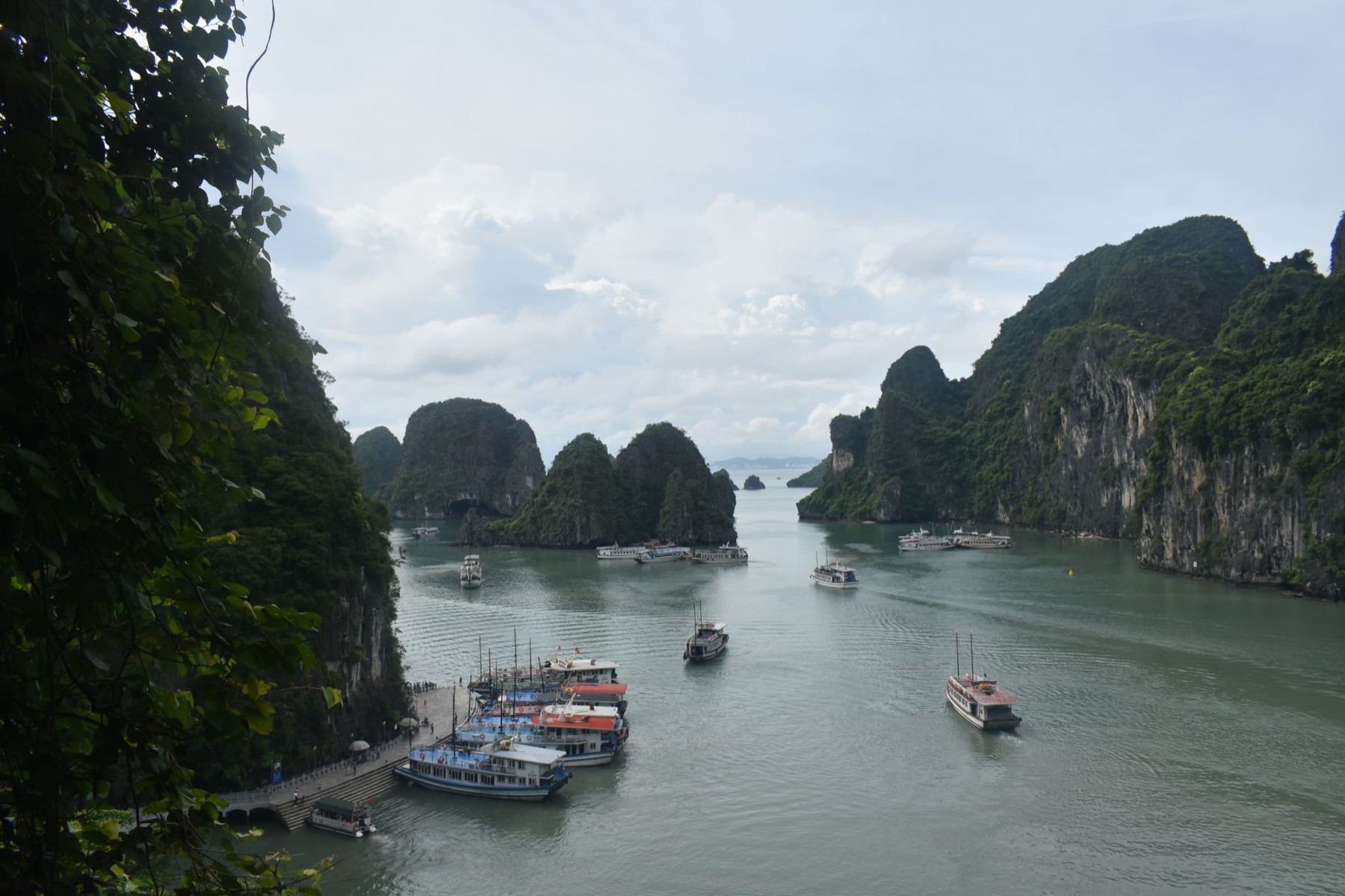
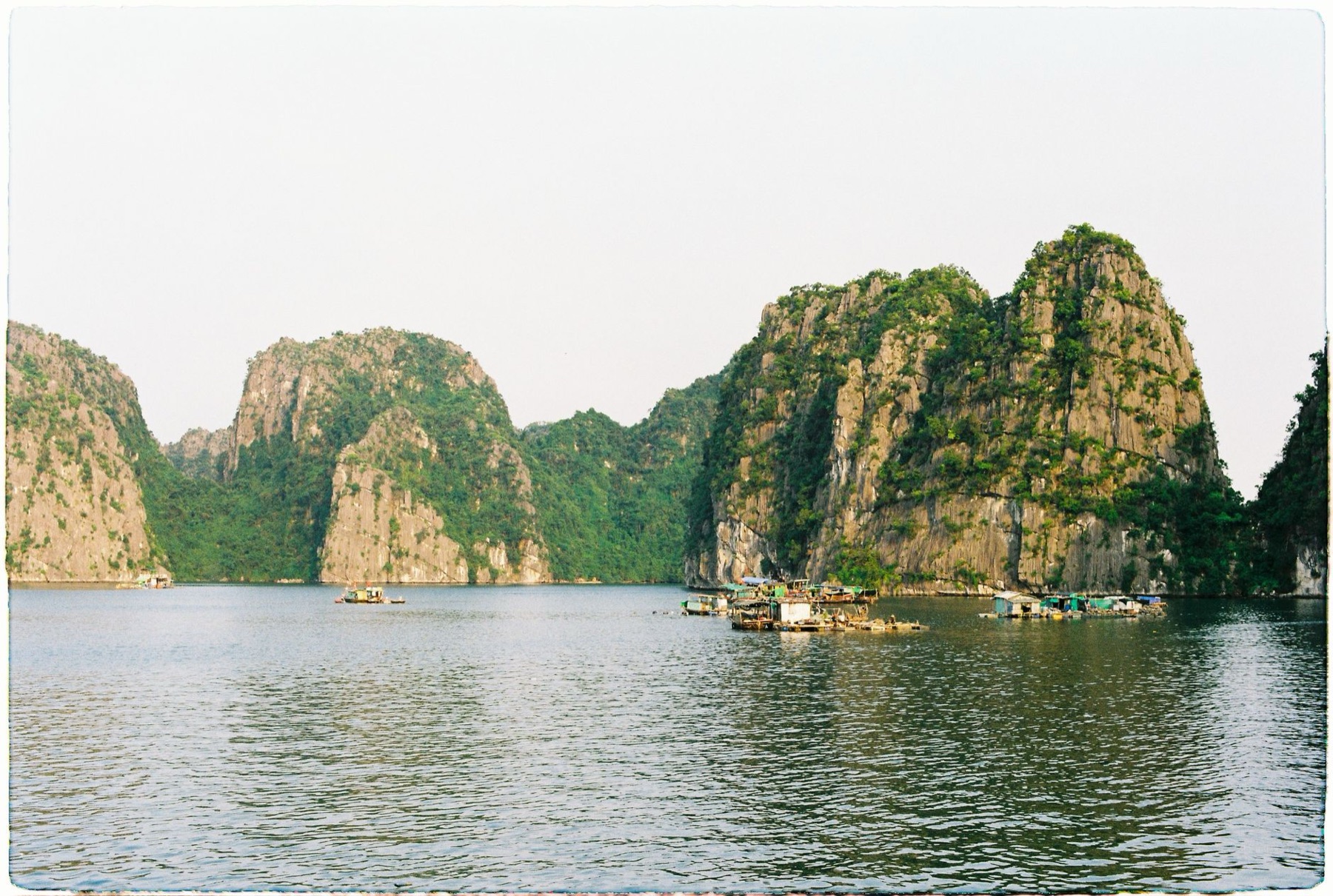
Ha Long Bay sits roughly 160 km northeast of Hanoi, a 3–4 hour drive or coach journey. Most visitors arrive from Hanoi or the nearby port towns of Ha Long City and Bai Chay. The bay spreads across 1,600 km², with over 1,900 karst islands; only a fraction are accessible to tourists.
Choosing the right Ha Long Bay experience depends on three things: your budget, time available, and comfort level. We've narrowed the main options below so you can skip the confusion and book what actually works for you.
🗺️ Plan your route: Vietnam itinerary
Which Tour Type Fits Your Budget and Time?
You'll typically choose between four formats: overnight cruises, day tours, speedboat charters, and kayak-focused trips. Overnight cruises (1–3 nights) run from 1.5–5+ million VND (~$60–$200 USD per person) depending on cabin grade and amenities. Day tours (8–12 hours) cost 0.8–2 million VND (~$32–$80 USD) and suit visitors with limited time. Speedboat half-day trips are faster but noisier, around 1–1.5 million VND (~$40–$60 USD). Kayak tours blend exploration with paddle time, often bundled into multi-day cruises or sold standalone from 1.2–2.5 million VND (~$48–$100 USD).
| Tour Type | Duration | Best For | Budget (VND) | Why It Works |
|---|---|---|---|---|
| Overnight cruise | 1–3 nights | Couples, comfort seekers | 1.5–5M+ | Sunrise, sunset, fewer crowds aboard |
| Day tour | 8–12 hours | Families, limited time | 0.8–2M | Most famous caves, fixed schedule |
| Speedboat charter | 4–6 hours | Groups, fast pace | 1–1.5M | Flexible stops, private guide |
| Kayak expedition | 1–2 days | Active travelers, nature | 1.2–2.5M | Paddle between islands, quiet immersion |
🎟️ Compare tours & tickets for this place
What's Actually Included and What Costs Extra?
Read every tour listing carefully. "Cruise" does not always mean "overnight cabin;" some day trips call themselves cruises. Most overnight cruises include the cabin, breakfast, lunch, dinner, and guided cave tour (usually Sung Sot Cave or Thien Cung). What's often not included: drinks (alcohol, coffee, soft drinks cost 50k–150k VND, ~$2–$6 USD each), spa treatments, and fishing. Day tours usually bundle guide, lunch, and two or three island stops, but snorkel equipment (if not provided) may cost extra.
A common trap: operators quote a base price, then add 15–25% during checkout for "park fees" and fuel surcharges. Ask the operator upfront whether the quoted price is all-in or if extras will be added. Ask in writing, via email or WhatsApp, before you pay a deposit.
Meals on cheaper tours are repetitive and small (rice, vegetables, basic protein). Mid-range and luxury vessels offer better variety. If you have dietary restrictions (vegetarian, gluten-free, allergy), inform the operator at least 5 days before departure.
How to Spot Overpriced vs. Fair-Value Tours
The cheapest tour is not always the best value. Tours priced 30–40% below average often have overcrowded boats, skip lesser-known islands, or pack 80+ passengers on a vessel meant for 40. Mid-range operators (around 1.8–2.5 million VND for a day tour, ~$72–$100 USD) tend to balance group size, food quality, and personalized attention.
Check the passenger limit, cabin size (if overnight), and whether the guide speaks your language. A 50-person day boat with a multilingual guide is often better than a 120-person day boat with a translator app. Luxury cruises (3.5–5+ million VND, ~$140–$200 USD per night) justify cost through smaller groups (20–40 people), private cabins, fine dining, and guides trained in geology or history.
Avoid operators that offer "rock-bottom" pricing plus aggressive upsells (extra activities, drinks, tips). Red flags: no cancellation policy in writing, no phone number, only social media contact, payment upfront in full before you book, and reviews mentioning "hidden charges."
Where to Stay Near Ha Long Bay Before or After Your Tour
Most travelers base themselves in Hanoi (160 km away) and day-trip to the bay, or stay 1–2 nights in Ha Long City or Bai Chay district (the closest towns). Ha Long City is more developed with hotels, restaurants, and tour operators clustered around the waterfront. Bai Chay is quieter and less touristy but fewer English-speaking services.
Budget guesthouses in Ha Long City run 300k–600k VND (~$12–$24 USD) per night; mid-range hotels 700k–1.5 million VND (~$28–$60 USD). Breakfast is often included. Restaurants and beer are cheap—expect 50k–150k VND (~$2–$6 USD) per meal from street vendors and casual eateries.
If you're coming from Hanoi, consider staying near the Old Quarter or central Hanoi and booking an early-morning tour that picks you up from your hotel. Most operators offer Hanoi hotel pickup for 200k–400k VND (~$8–$16 USD) extra. This saves a night's accommodation and lets you see Hanoi's markets, lakes, and French colonial architecture without rushing.
How to Avoid Common Scams and Booking Mistakes
Book through a reputable operator. Use hotels, official tourism websites, or established travel companies in Hanoi (Trang An, Old Quarter tour offices). Avoid unlicensed touts on the street who offer "deals" and collect full payment in cash upfront. If they can't show ID or an official business address, walk away.
Confirm your tour details in writing. Request an email or text with your name, date, time, pickup location, boat name, cabin number (if overnight), and all-in price. Screenshot it. Miscommunications about dates are common; clarify AM/PM pickup and the exact day to reduce confusion.
Watch for fuel and park surcharges. Legitimate operators may add 200k–400k VND (~$8–$16 USD) per person for Ha Long Bay environmental fees and fuel, but these should be disclosed before you confirm payment. Ask if the quoted price is already inclusive.
Avoid booking through international third-party sites if you don't speak Vietnamese. Prices are often inflated; you'll pay 2–3 times more and lose cash if the operator cancels. Book directly with the tour company via email or phone once you've verified they're real.
Don't leave valuables unattended. Petty theft on crowded boats is rare but happens. Keep phones, cameras, and passports in a small backpack near you. Don't flash large sums of cash.
Skip caves if you have mobility issues. Sung Sot and Thien Cung caves involve steep stairs and low ceilings. Ask guides in advance whether there are wheelchair-accessible alternatives (spoiler: there aren't, but some operators have easier walking routes).
📸 Book an ao dai photoshoot in Hanoi or Saigon (Cáo Studio)
What to Bring and How to Prepare
Pack light, quick-dry clothing. Bring a rash guard or UV shirt to avoid sunburn on the water. A waterproof phone case is essential; saltwater spray and accidental splashes happen. Sunscreen (SPF 50+), a hat, and sunglasses are non-negotiable. Bring seasickness medication (Dramamine, ginger candies) if you're prone to nausea; boats in rough weather can pitch.
Charge your phone and camera the night before departure. Download offline maps and translation apps before you leave Hanoi (internet on boats is often slow). Bring a reusable water bottle—tap water on boats is generally safe, but single-use plastic is discouraged.
Wear water shoes or flip-flops that can be removed quickly if you go swimming or kayaking. Snorkel gear is provided on most tours, but bring your own if you prefer a custom fit.
Leave heavy luggage at your hotel and carry only a day bag on the boat. Pack medications, glasses, and essentials in a waterproof pouch.
For an overnight cruise, bring a light layer (AC cabins can be cold) and a headlamp or small flashlight for nighttime deck walks. Seasickness patches or wristbands are also wise.
Ha Long Bay guide | Things to do in Ha Long Bay
Timing: When to Visit Ha Long Bay
Peak season (April–May, September–October) brings calmer seas, clear skies, and 20,000+ visitors per day. Prices spike 15–25%, and boats are crowded. Book 7–10 days ahead.
Summer (June–August) is hot, humid, and prone to monsoons. Seas rougher. Tours still run but cancellations increase. Fewer tourists, so lower prices and smaller boat groups are possible.
Winter (November–March) is cool and dry, ideal for outdoor activities. January–February can be chilly (10–15°C in the mornings). December and March are sweet spots: fewer crowds, good weather, moderate prices.
Avoid the Tet holiday (late January or early February, depending on lunar calendar). Everything books out, prices double, and roads are jammed. Travel during Tet if you want to experience Vietnamese culture in Hanoi or Ho Chi Minh City instead.
Travel Logistics: Getting to and From Ha Long Bay
From Hanoi by organized tour: Pick-up from your hotel at 7–8 AM, 3–4 hour drive, arrive at 11 AM–12 PM for lunch and afternoon exploration. Return to Hanoi around 6–7 PM. Cost: 0.8–2M VND (~$32–$80 USD) including transport and tour.
From Hanoi by coach + private transport: Book a direct coach (Hoang Long, Viet Linh buses; 200k–300k VND, ~$8–$12 USD one-way) from My Dinh or Long Bien stations. Journey takes 3.5–4 hours. Arrive at Ha Long City and arrange a tour once there (often cheaper but less convenient). Not recommended for first-time visitors without Vietnamese language skills.
From Ha Long City by walk-in tour: Operators have desks at the waterfront. Negotiate prices on-site, but quality is inconsistent. Booking online 1–2 days ahead is safer.
Private driver: Hire a driver in Hanoi to take you to Ha Long. Around 1.2–1.8 million VND (~$48–$72 USD) for a full day, plus your own boat tour. Only worth it if you're a group of 4+ or want a flexible itinerary.
Vietnam e-visa | eSIM for Vietnam
What to Check Before You Book Your Tour
Operator legitimacy: Search the company name + "reviews" in English and Vietnamese. Check their official website (not just Facebook). Call them 24 hours before departure to confirm your booking exists.
Boat capacity and group size: Ask how many passengers maximum. A 60-person boat feels different from a 100-person boat. Overnight cruises should detail how many cabins and the bed configuration (twin, double, shared dorm).
Meal quality and dietary options: Request a sample menu or photos of past meals. Ask if they can accommodate vegetarian, vegan, or gluten-free diets five days in advance.
Language support: Confirm your guide speaks English (or your language) natively or fluently. A translator app on a boat is frustrating.
Cancellation policy: Get it in writing. Most reputable operators allow free cancellation up to 48 hours before departure; some charge 25% if cancelled 24–48 hours prior.
Weather and safety: Ask about the cancellation or rescheduling option if the sea is too rough. Boats may not depart in typhoon season or high-wind warnings.
Photos and memorabilia: If you want keepsakes of Ha Long Bay, consider a custom star map print capturing the date, time, and sky above the bay during your visit. Many travelers pair Ha Long memories with personalized gifts for partners or family back home.
🎟️ Compare tours & tickets for this place
---
Ha Long Bay is spectacular, crowded, and worth the trip—but only if you book smart. We recommend mid-range operators with 5+ years' presence in the market, boats under 60 passengers, and transparent pricing. Overnight cruises offer better value than day tours if you have the time; you'll see sunrises, fewer crowds, and the bay's quieter side. Day tours work fine for first-time visitors on a tight schedule—just expect queues at famous caves and crowded beaches.
Plan your larger Vietnam trip early. A balanced itinerary pairs Ha Long with Hanoi, Ninh Binh, and Sapa in the north, or southern highlights like Ho Chi Minh City and Hoi An. Use our Vietnam itinerary planner to map a realistic route.
Book your eSIM or e-visa now so you're connected and ready when you arrive.
📸 Book an ao dai photoshoot in Hanoi or Saigon (Cáo Studio)

FAQ
How many days should I spend in Ha Long Bay?
One full day (8–12 hour tour) is enough to see the main caves and islands. An overnight cruise (1–2 nights) is ideal if you want to explore less-visited spots and avoid peak-hour crowds. Most visitors don't stay longer than 2 nights.
Is a day tour or overnight cruise better value?
Overnight cruises offer better value per hour if you have the time. You get two meals, a cabin, sunrise/sunset views, and fewer crowds. Day tours are better if you're time-constrained or budget is tight. Budget day tours are often rushed and overcrowded; mid-range overnight cruises rarely disappoint.
What's the cheapest way to visit Ha Long Bay from Hanoi?
Book a budget tour operator direct (not through a third-party site) 5–7 days ahead. Around 1–1.2 million VND (~$40–$48 USD) for a day tour with lunch, transport from central Hanoi, and guide included. Avoid street touts; they overcharge.
Can I visit Ha Long Bay if I get seasick?
Yes. Bring medication (Dramamine, patches) or ginger candies. Choose a larger boat (they rock less) over a speedboat. Ask for a cabin amidships (steadier than bow or stern). If seas are very rough (rare), tours may be rescheduled or cancelled; ask the operator's weather policy upfront.
Is it safe to visit Ha Long Bay during monsoon season?
It depends. June–August can bring rough seas and occasional cancellations, but tours run most days. Book flexible tours that allow rescheduling if weather is poor. Typhoons (rare) may close the bay for 1–3 days. Travel in shoulder seasons (April–May, September–October) for calm seas and lower cancellation risk.
What's included in an overnight cruise price?
Usually cabin, all meals (breakfast, lunch, dinner), one guided cave tour, and basic amenities. Drinks (alcohol, coffee), spa, fishing, and transfer from Hanoi hotel are often extra. Confirm all-in pricing before booking; ask for an itemized quote in writing.
FAQ
How many days should I spend in Ha Long Bay?
One full day (8–12 hour tour) is enough to see the main caves and islands. An overnight cruise (1–2 nights) is ideal if you want to explore less-visited spots and avoid peak-hour crowds. Most visitors don't stay longer than 2 nights.
Is a day tour or overnight cruise better value?
Overnight cruises offer better value per hour if you have the time. You get two meals, a cabin, sunrise/sunset views, and fewer crowds. Day tours are better if you're time-constrained or budget is tight. Budget day tours are often rushed and overcrowded; mid-range overnight cruises rarely disappoint.
What's the cheapest way to visit Ha Long Bay from Hanoi?
Book a budget tour operator direct (not through a third-party site) 5–7 days ahead. Around 1–1.2 million VND (~$40–$48 USD) for a day tour with lunch, transport from central Hanoi, and guide included. Avoid street touts; they overcharge.
Can I visit Ha Long Bay if I get seasick?
Yes. Bring medication (Dramamine, patches) or ginger candies. Choose a larger boat (they rock less) over a speedboat. Ask for a cabin amidships (steadier than bow or stern). If seas are very rough (rare), tours may be rescheduled or cancelled; ask the operator's weather policy upfront.
Is it safe to visit Ha Long Bay during monsoon season?
It depends. June–August can bring rough seas and occasional cancellations, but tours run most days. Book flexible tours that allow rescheduling if weather is poor. Typhoons (rare) may close the bay for 1–3 days. Travel in shoulder seasons (April–May, September–October) for calm seas and lower cancellation risk.
What's included in an overnight cruise price?
Usually cabin, all meals (breakfast, lunch, dinner), one guided cave tour, and basic amenities. Drinks (alcohol, coffee), spa, fishing, and transfer from Hanoi hotel are often extra. Confirm all-in pricing before booking; ask for an itemized quote in writing.