Ha Long Bay · Food
Ha Long Bay Menu: What to Eat on Your Cruise & Shore
By Wander in Vietnam editorial team · Hanoi, Vietnam
Ha Long Bay's culinary reputation rests on fresh seafood, but the reality shifts dramatically depending on where you eat. Most visitors spend 2–3 days aboard a cruise, eating meals they didn't choose. Understanding menu tiers, dietary accommodation, and how to spot quality—without overpaying—saves both money and disappointment.
What's included in cruise package menus vs. à la carte?
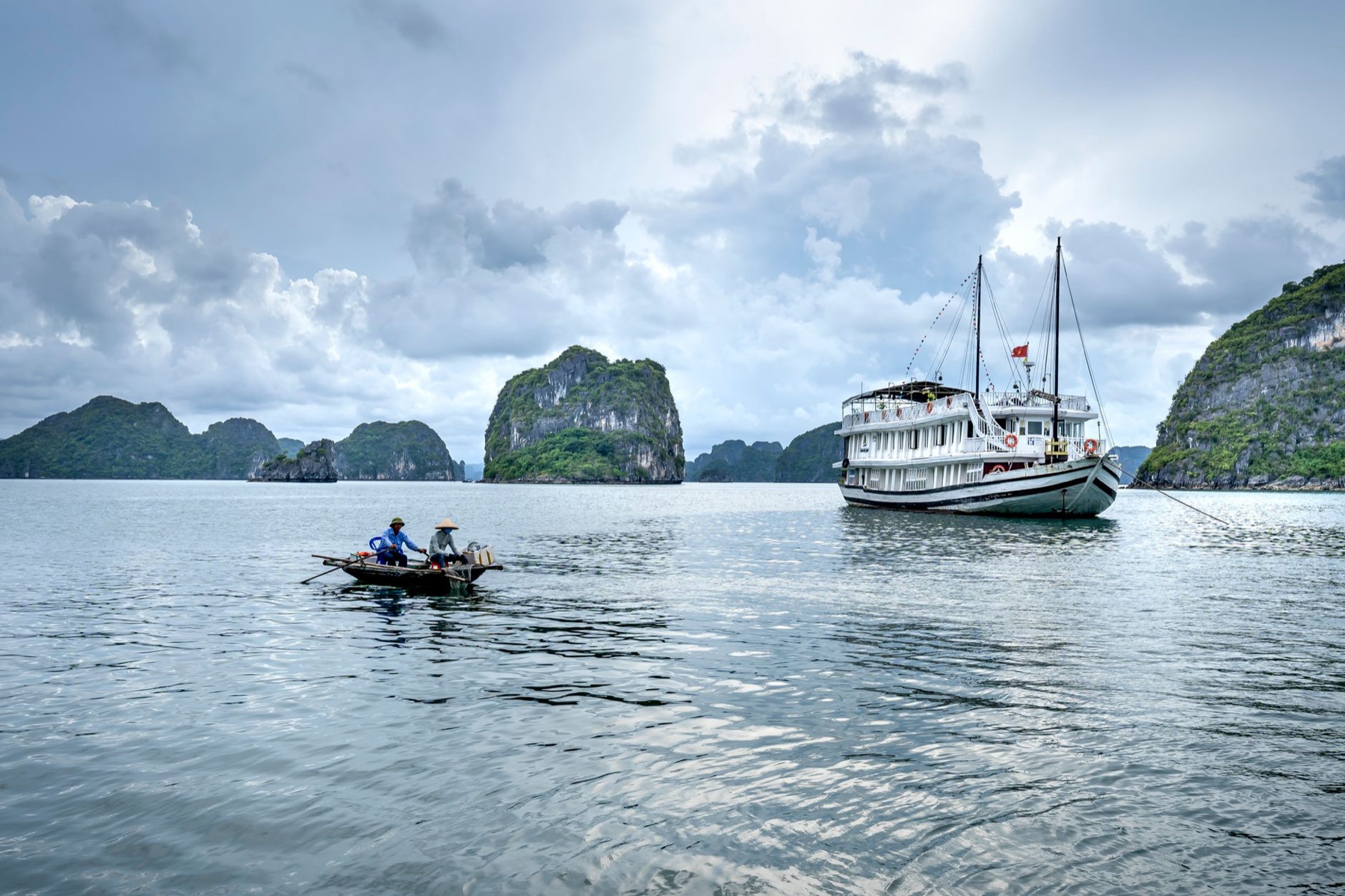
Cruise inclusions vary wildly. Budget 3-star cruises (typically 800,000–1.5 million VND per night, ~$32–60 USD) include three meals daily: breakfast (instant noodles, fried bread, fruit, weak coffee), lunch (grilled or fried fish, cabbage stir-fry, white rice), and dinner (similar proteins, different vegetable). Mid-range 4-star boats (1.5–3 million VND, ~$60–120 USD) add fresh spring rolls, crab, and seasonal prawns; beverages beyond water cost extra (beer around 30,000 VND, ~$1.20 USD per can). Luxury vessels (3 million+ VND, ~$120+ USD) offer multi-course menus with variety, sourcing, and individual requests honored.
À la carte dining—at Halong City waterfront restaurants or Cat Ba Island—costs 40,000–150,000 VND per dish (~$1.60–6 USD). Most cruises forbid passengers leaving the boat to eat shore meals, so clarify before booking if you want dining freedom on overnight stays.
🗺️ Plan your route: Vietnam itinerary
How to read a Ha Long Bay menu when you book?
Most tour operators provide sample menus on their websites or via email. Red flags: vague descriptions ("seafood"), no daily rotation listed, or photos that look 5+ years old. Legitimate mid-tier operators list proteins (grouper, snapper, squid), cooking methods, and vegetable options daily. Ask directly: Are vegetables fresh or frozen? Is seafood from licensed fisheries (Quang Ninh province has strict designations) or imported? Does the crew accommodate food allergies in advance? Confirm in writing if you're vegan, vegetarian, or have shellfish allergies—last-minute requests often fail.
Budget operators rarely adjust. Premium boats (4-5 stars) typically say yes to modifications with 48-hour notice. Mid-range (3 stars) sometimes manage it; always email, never assume verbal promises hold.
Seafood quality: farmed vs. wild-caught in Ha Long Bay
Wild-caught fish—labeled as từ thiên nhiên (from nature)—commands premium prices and tastes noticeably fresher, with firmer flesh and cleaner flavor. Farmed seafood (nuôi trồng) costs less, feeds more cruisers, but tastes blander and sometimes carries muddy undertones, especially if ponds are poorly managed.
Here's how the boats differ:
| Cruise Class | Seafood Source | Price/Night | Taste Reality | Best For |
|---|---|---|---|---|
| Budget (1–2 stars) | Farmed, mostly frozen | 800K–1.2M VND (~$32–48) | Bland, repetitive | Budget travelers, short trips |
| Mid-range (3 stars) | Mix—wild daily catch + farmed backup | 1.5–2.5M VND (~$60–100) | Good when fresh arrives; mediocre other days | Groups, first-timers |
| Upscale (4 stars) | Mostly wild, daily sourcing | 2.5–4M VND (~$100–160) | Consistently excellent | Foodies, repeat visitors |
| Luxury (5 stars) | Wild only; chef's market visits | 4M+ VND (~$160+) | Exceptional daily | Culinary focus, high comfort |
Wild-caught snapper and grouper (available year-round) cost around 200,000–300,000 VND per kilo (~$8–12 USD) on shore; cruise operators buy in bulk, so luxury boats serve this daily while budget cruises reserve it for final dinners.
What are realistic prices for shore meals in Halong City and Cat Ba?
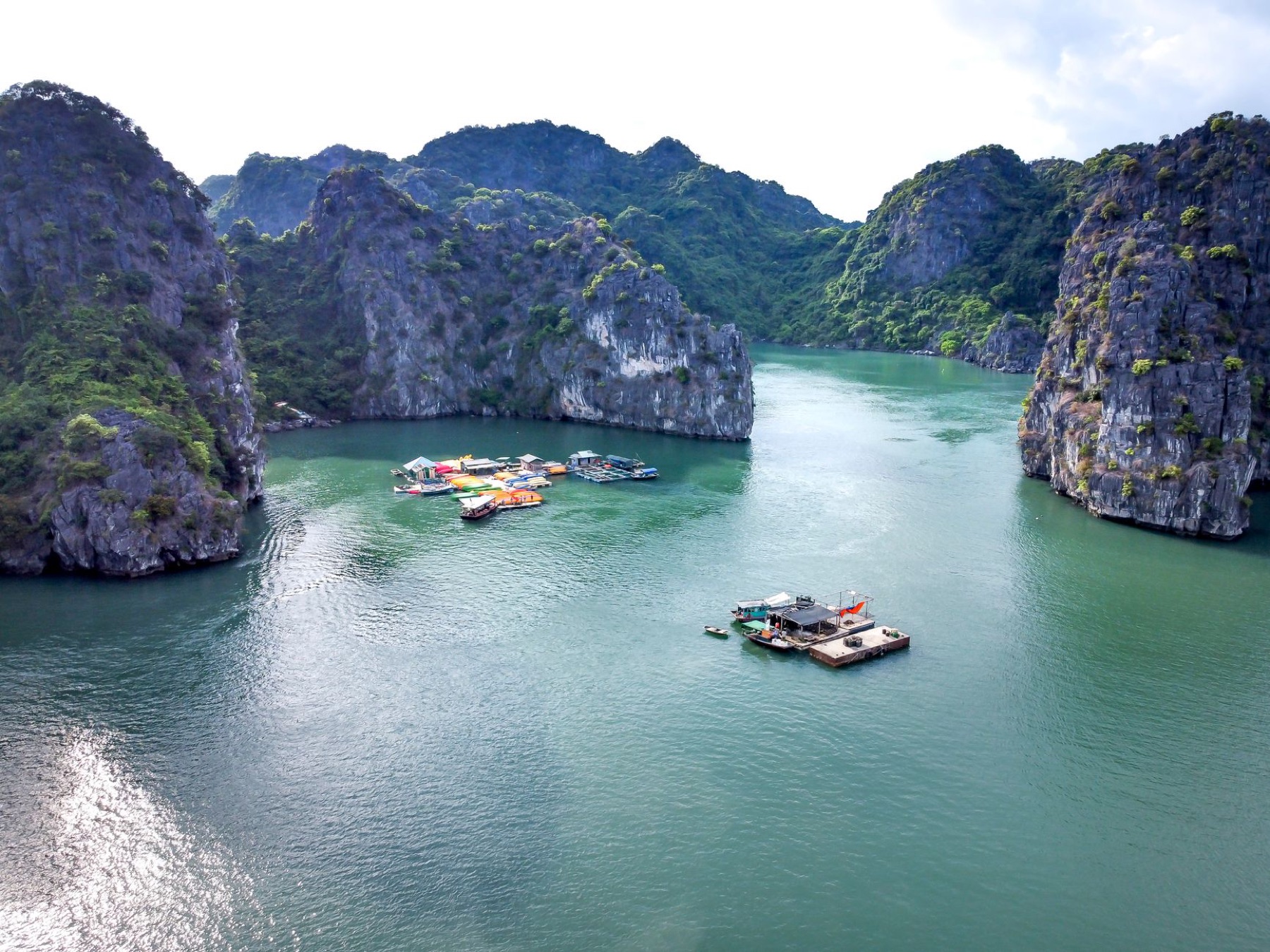
Halong City's waterfront (Bai Chay district) hosts casual seafood stalls and mid-range restaurants. A grilled fish with dipping sauce runs 60,000–120,000 VND (~$2.40–4.80 USD); a bowl of fresh crab soup, 50,000–80,000 VND (~$2–3.20 USD). Avoid obvious tourist traps—restaurants with laminated picture menus and staff outside hustling customers typically overcharge 30–50%.
Cat Ba Island restaurants (8 km southwest of Halong City) are slightly cheaper. Fried squid ink noodles, 40,000–70,000 VND (~$1.60–2.80 USD); grilled prawns, 80,000–150,000 VND (~$3.20–6 USD). Locals eat at quán cơm (rice shops) for 25,000–40,000 VND (~$1–1.60 USD) per plate. Beer stays around 15,000–25,000 VND (~$0.60–1 USD) in neighborhood spots; upscale waterfront bars charge 40,000–60,000 VND (~$1.60–2.40 USD).
🎟️ Compare tours & tickets for this place
Realistic daily shore-meal budget: 200,000–400,000 VND (~$8–16 USD) for two people eating lunch and dinner modestly.
Dietary restrictions: how strict is the cruise kitchen?
Vegan and vegetarian requests often fail on budget cruises—staff claim "no vegan chef," then serve fried tofu with fish sauce (which contains anchovies). Mid-range boats (3-4 stars) usually accommodate if notified 48 hours ahead; expect plain rice, stir-fried vegetables without shrimp paste, and maybe tofu. Luxury operators have dedicated plant-based prep.
Gluten-free, nut allergies, and Halal certification are harder. Halong Bay's food supply chain centers on seafood and soy; wheat noodles and cross-contamination are real risks. If you have a serious allergy, bring substantial backup snacks—peanut-free granola bars, rice crackers, dried fruit. Ship doctors can advise but can't guarantee sterile prep.
Kosher is not feasible on cruises. If required, base yourself on Cat Ba Island and eat only at the handful of dedicated restaurants (rare, limited choice).
What to check before you book a cruise with meals
Use this checklist to avoid regret:
- Menu sample: Operator provides dated daily rotation (not "Typical menu" from 2023)
- Seafood sourcing: Asks or lists wild vs. farmed; mentions Quang Ninh or licensed suppliers
- Dietary note: Email operator with allergies/preferences; request email confirmation, not verbal
- Photo timestamps: Recent photos (last 3 months) of actual meals served on their vessels
- Guest reviews: Read TripAdvisor/Trustpilot for food-specific feedback, not just overall ratings
- Alcohol policy: Clarify if beer/wine included or if soft drinks only; prices if extra
- Shore excursions: Confirm whether mid-trip meals include restaurant visits (adds cost or value)
- Cancellation/change: If dietary request denied within 48 hours, can you cancel?
Honest take: most budget cruises serve adequate, safe, but uninspired food. Mid-range boats balance value and quality. Premium operators justify cost through sourcing and preparation. Don't expect Michelin-star seafood even on luxury boats—Ha Long Bay's appeal is scenery, not culinary mastery.
📸 Book an ao dai photoshoot in Hanoi or Saigon (Cáo Studio)
If you're extending your trip, explore Hanoi's street food scene or Hoi An's culinary heritage. For broader meal planning, see our Vietnam food guide and consider browsing gift collections to bring home flavors (craft spice blends, artisan sauces) that remind you of your meals.
FAQ
Are the meals on Ha Long Bay cruises actually fresh seafood or mostly frozen?
Mid-range and luxury cruises source fresh daily-catch seafood; budget boats rely on frozen farmed varieties. Reputable 4-star operators display prices they pay for wild-caught (180,000–300,000 VND/kg, ~$7–12/kg). Check operator sourcing claims in writing. Budget cruises can't guarantee freshness; premium ones list daily catch on digital menus.
Can I request vegetarian meals if I book a standard tour cruise?
Yes, but notify the operator 48 hours in advance via email with confirmation. Budget cruises often claim no "vegan chef"; mid-range (3-star) boats usually manage rice, stir-fried greens, and tofu. Luxury vessels have dedicated plant-based prep. Verbal promises rarely hold—email and keep proof.
What's the cheapest way to eat well in Ha Long Bay?
Eat on Cat Ba Island shore restaurants (40,000–70,000 VND/dish, ~$1.60–2.80 USD) rather than boats. Book a day-trip cruise without meals included, then dine locally. A grilled fish meal costs 100,000–150,000 VND (~$4–6 USD) vs. bundled cruise pricing at 200,000+ (~$8+). Tradeoff: less convenience, more planning.
How do I spot a tourist-trap restaurant near Halong City?
Laminated picture menus, staff hustling outside, no Vietnamese customers during mealtimes, and prices 2–3× higher than adjacent locals' spots. Avoid establishments within 100 meters of cruise piers; walk 10–15 minutes inland to Bai Chay district. Real prices: fried fish 60,000–120,000 VND (~$2.40–4.80 USD), not 200,000+ (~$8+).
Will the cruise tell me about seafood sourcing, or do I have to ask?
Most operators don't volunteer sourcing info. You must ask directly before booking—email, don't call. Legitimate mid-tier boats respond with supplier details; evasive answers ("We use the best seafood") signal farmed or imported stock. Premium operators (4-5 stars) volunteer sourcing and pricing; if they won't, booking elsewhere saves regret.
What should I pack as backup food if I'm vegetarian or allergic?
Bring peanut-free granola bars, rice crackers, dried fruit, nuts (unless nut-allergic), and electrolyte powder. Halong Bay boats lack robust alternative-diet supplies. Most accommodations (at minimum) have instant noodles you can cook safely. Two days' backup allows flexibility if cruise meals disappoint; three days' protects against supply gaps on remote sailings.
FAQ
Are the meals on Ha Long Bay cruises actually fresh seafood or mostly frozen?
Mid-range and luxury cruises source fresh daily-catch seafood; budget boats rely on frozen farmed varieties. Reputable 4-star operators display prices they pay for wild-caught (180,000–300,000 VND/kg, ~$7–12/kg). Check operator sourcing claims in writing. Budget cruises can't guarantee freshness; premium ones list daily catch on digital menus.
Can I request vegetarian meals if I book a standard tour cruise?
Yes, but notify the operator 48 hours in advance via email with confirmation. Budget cruises often claim no "vegan chef"; mid-range (3-star) boats usually manage rice, stir-fried greens, and tofu. Luxury vessels have dedicated plant-based prep. Verbal promises rarely hold—email and keep proof.
What's the cheapest way to eat well in Ha Long Bay?
Eat on Cat Ba Island shore restaurants (40,000–70,000 VND/dish, ~$1.60–2.80 USD) rather than boats. Book a day-trip cruise without meals included, then dine locally. A grilled fish meal costs 100,000–150,000 VND (~$4–6 USD) vs. bundled cruise pricing at 200,000+ (~$8+). Tradeoff: less convenience, more planning.
How do I spot a tourist-trap restaurant near Halong City?
Laminated picture menus, staff hustling outside, no Vietnamese customers during mealtimes, and prices 2–3× higher than adjacent locals' spots. Avoid establishments within 100 meters of cruise piers; walk 10–15 minutes inland to Bai Chay district. Real prices: fried fish 60,000–120,000 VND (~$2.40–4.80 USD), not 200,000+ (~$8+).
Will the cruise tell me about seafood sourcing, or do I have to ask?
Most operators don't volunteer sourcing info. You must ask directly before booking—email, don't call. Legitimate mid-tier boats respond with supplier details; evasive answers ("We use the best seafood") signal farmed or imported stock. Premium operators (4-5 stars) volunteer sourcing and pricing; if they won't, booking elsewhere saves regret.
What should I pack as backup food if I'm vegetarian or allergic?
Bring peanut-free granola bars, rice crackers, dried fruit, nuts (unless nut-allergic), and electrolyte powder. Halong Bay boats lack robust alternative-diet supplies. Most accommodations (at minimum) have instant noodles you can cook safely. Two days' backup allows flexibility if cruise meals disappoint; three days' protects against supply gaps on remote sailings.