Ha Long Bay · Itinerary
Ha Long Bay Things to Do: Cruises, Caves & Local Experiences
By Wander in Vietnam editorial team · Hanoi, Vietnam
Ha Long Bay—a UNESCO World Heritage Site in Quang Ninh Province—attracts roughly two million visitors yearly, yet most experience it in one rushed day-cruise loop. We've tested the common routes, questioned local guides, and identified which activities justify your time and money.
The reality: cruises range from budget ($40–60 USD per person for day trips) to luxury ($150–300+ overnight), cave visits are often tacked onto tours, and rowing boats cost extra. Kayaking is overbooked in peak season (October–March). Floating villages are real but heavily touristed. Below, we map the genuine options and honest caveats.
What's the best way to cruise Ha Long Bay—overnight or day trip?
Day cruises hit three sites in 8–10 hours and return by evening; overnight cruises let you anchor, swim at dawn, and explore with fewer tourists. Day trips suit tight schedules; overnight stays suit families and photographers. Most day tours depart Haiphong (Ha Noi port, 2 hours east of Hanoi) by 8 a.m., include lunch and cave entry, cost around $40–70 USD, and return by 6 p.m. Overnight cruises (1–3 days) run $100–250 USD per person and include meals, cabins, and flexible timing—worth the extra cost if you have time.
📸 Capture your Ha Long memories: book an ao dai photoshoot in Hanoi before you go
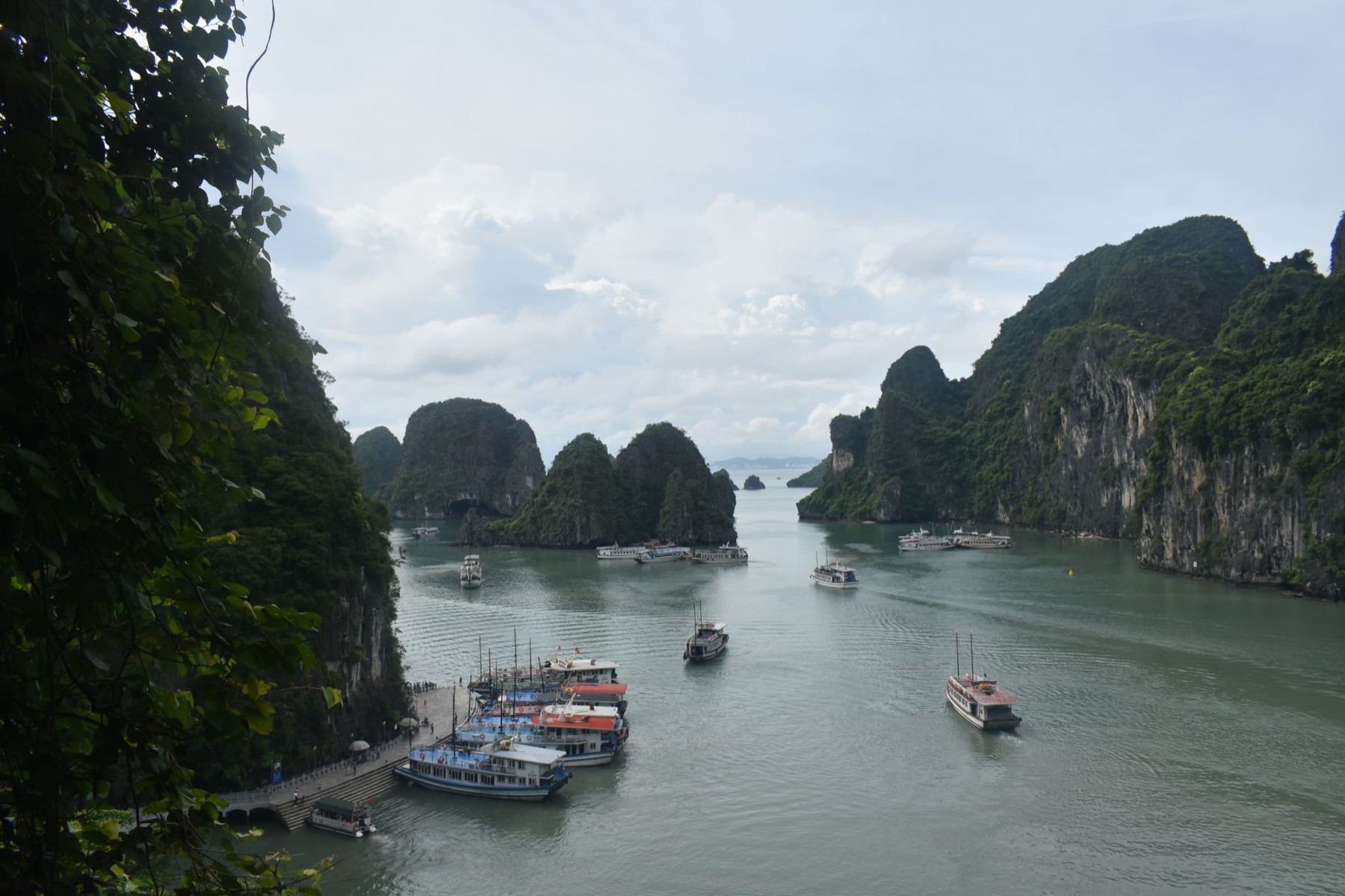
Which caves are worth entering, and which are tourist traps?
Sung Sot (Surprise Cave) and Thien Cung (Heavenly Palace) are the most visited but genuinely spectacular—soaring chambers, stalactites, few guards. Trinh Nu (Virgin Cave) is smaller, less crowded, and historically tied to a local legend. Dau Go (Wooden Stakes) has war history but shorter passages. Most tours include one cave; pay extra ($5–10 USD) if your operator skips one. Avoid caves on days when cruise volume exceeds 20 boats in the bay (November–January peak); guides rush visitors through in 30 minutes. Solo travelers or small groups (4–6 people) often get better cave access by booking a private longtail or junk directly.
Is kayaking worth the cost, or is it overrated?
Kayaking between karsts at sunrise or late afternoon feels serene—genuinely worth it if you book early or mid-week. Peak-season days see 50+ kayaks deployed from the same dock; you'll paddle around others' boats. Solo kayakers or couples should rent from smaller operators in Bai Chay (the main tourist port) rather than via cruise ship concierges; you'll save $20–30 USD and have fresher equipment. Budget around $30–50 USD for 2–3 hours. Avoid midday; light is harsh and the water heats up. Kayak tours are often rushed; standalone rental with a map works better if you're comfortable self-navigating.
How much time should you actually spend in Ha Long Bay?
| Activity | Duration | Best For | What Happens |
|---|---|---|---|
| Day cruise + caves | 8–10 hours | Tight schedules, first visit | One cave, lunch on boat, surface exploration |
| Overnight junk cruise (1 night) | 24–30 hours | Families, photographers, swimmers | Two caves or islands, night swim, relaxed pace |
| 2–3 day cruise | 2–3 days | Deep exploration, floating villages, off-season | Multiple islands, kayaking, fishing village visit, dawn activities |
| Standalone cave hike + village visit | 6–8 hours | Hikers, culture seekers | Less crowded, on-foot immersion, longer cave passages |
Most travelers do a day cruise and regret rushing. A second night—either on the boat or back in Haiphong—gives time for post-cruise reflection and a second activity (fish market visit, seafood dinner, waterfront walk).
🗺️ Plan your entire Vietnam route: use our itinerary planner
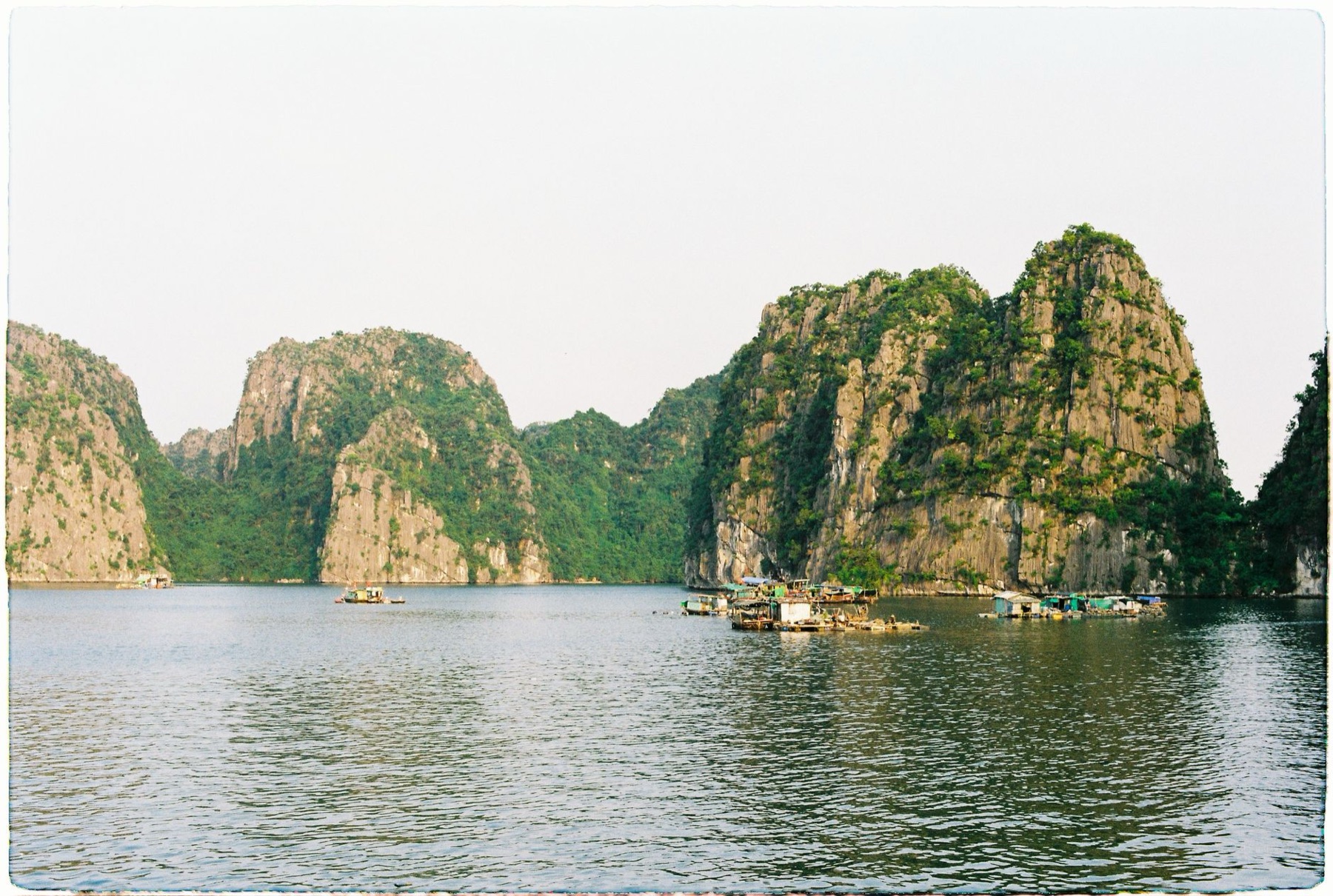
What are floating villages, and should you visit one?
Floating villages (Cat Ba, Cua Van, or Bai Tu Long area) are still home to working fishermen, though tourism is reshaping them. Day cruises sometimes include a 30-minute village stop; guides sell "home stays" or boat rides that are often staged. Real immersion means renting a private longtail ($50–80 USD for 3 hours) with a local boatman, visiting during fishing hours (early morning or late afternoon), and not purchasing handicrafts pushed by touts. If you have 1.5 days, sleep in a basic homestay (around $30–40 USD per night) and wake to actual village rhythms. Avoid afternoon visits when vendors outnumber residents.
Which neighborhoods in Haiphong have the best jump-off points?
Bai Chay (the main cruise zone) is convenient but congested—hotels, restaurants, and ticket booths cluster around the port. Hon Dau area (north of Bai Chay) is quieter; some cruises depart there, reducing crowds by 20%. If you overnight before a morning cruise, stay near Haiphong's central market or waterfront (Ninh Kiệm ward) for seafood dinner and a calmer base. Haiphong has no "tourist beach"—the bay itself is the draw.
What to check before you book:
- Boat condition: Request photos of your specific junk or cruise vessel; older boats leak and creak.
- Meal quality: Budget day cruises serve basic noodles; mid-range include fresh seafood. Confirm beforehand if you have dietary needs.
- Cave access: Ask if all caves are included or if additional entry fees apply per site.
- Kayak fit: If you're over 100 kg or have mobility issues, ask kayak availability or request an alternative activity.
- Group size: Tours capped at 10–15 passengers offer better photography and fewer queues.
- Weather window: Typhoon season (August–September) reduces visibility and causes cancellations; book October–May if possible.
- Visa and eSIM: Confirm your Vietnam e-visa is valid before travel; grab an eSIM for Vietnam so you can message your guide if the boat is late.
🎟️ Browse curated tours and tickets for Ha Long Bay
Practical notes on costs and timing
A 2-day Ha Long Bay trip costs most travelers $150–250 USD (cruise $80–150 USD + accommodation $40–80 USD + meals $20–30 USD + cave/activity fees $10–20 USD). Flying Hanoi → Haiphong is unnecessary; a car rental or tour pickup from Hanoi costs $20–30 USD per person and takes 2–3 hours. Bring reef-safe sunscreen, a light rain jacket (even in dry season), and antimalarial prophylaxis if you're staying in homestays. Your phone's camera matters more than a DSLR in tight boat cabins; consider a compact gimbal or phone stabilizer for video.
Bringing home memories—beyond photos
Many travelers regret not taking home a tangible keepsake. Consider a custom star map print showing Ha Long Bay's night sky on your travel date—a meaningful alternative to generic postcards. Engraved wooden or metal keepsake boxes work well for storing shells, postcards, or handwritten notes from your cruise. These fit airline carry-on bags and spark conversations at home.
If you're traveling to other regions, our Hanoi guide covers pre-trip logistics; Ninh Binh guide offers a quieter cave alternative just 2 hours south; and Hoi An guide pairs well with a northern Vietnam loop.
---
FAQ
Is it safe to kayak alone in Ha Long Bay if I'm not an experienced paddler?
Yes, if you rent from a reputable operator and choose calm morning sessions. Guides stay near you; the water is sheltered. Avoid rough-weather days. A personal flotation device is mandatory. Start in the designated kayak zone near Bai Chay before venturing to quiet islets.
Do I need a Vietnam visa to visit Ha Long Bay, or can I use a border pass from China?
You need a valid Vietnam e-visa or a visa stamp in your passport. Border passes from China don't cover domestic tourism. Apply for an e-visa online at least 3 days before arrival to avoid delays.
How much should I tip guides, boat crew, and kayak staff on Ha Long Bay tours?
Tipping isn't mandatory but is appreciated. Budget 50,000–100,000 VND (~$2–4 USD) per person for a guide at the end of a day tour. Crew tips are optional; small gifts (fruit, snacks) are often welcomed more than cash.
Can I visit Ha Long Bay if I'm prone to seasickness?
Yes. Overnight cruises are steadier than day boats; anchor for most of the time. Take motion-sickness tablets 30 minutes before boarding, sit amidships (less rocking), eat light meals, and stay hydrated. Many travelers manage fine on mid-range or luxury boats with stabilizers.
What's the least crowded season to visit Ha Long Bay?
April–May and September–early October have fewer cruise boats and clearer skies. August–September risks typhoons; November–February is peak tourism. February (Lunar New Year) is very busy. Shoulder months offer the best balance of weather and crowd levels.
FAQ
Is it safe to kayak alone in Ha Long Bay if I'm not an experienced paddler?
Yes, if you rent from a reputable operator and choose calm morning sessions. Guides stay near you; the water is sheltered. Avoid rough-weather days. A personal flotation device is mandatory. Start in the designated kayak zone near Bai Chay before venturing to quiet islets.
Do I need a Vietnam visa to visit Ha Long Bay, or can I use a border pass from China?
You need a valid Vietnam e-visa or a visa stamp in your passport. Border passes from China don't cover domestic tourism. Apply for an [e-visa online](/vietnam/visa) at least 3 days before arrival to avoid delays.
How much should I tip guides, boat crew, and kayak staff on Ha Long Bay tours?
Tipping isn't mandatory but is appreciated. Budget 50,000–100,000 VND (~$2–4 USD) per person for a guide at the end of a day tour. Crew tips are optional; small gifts (fruit, snacks) are often welcomed more than cash.
Can I visit Ha Long Bay if I'm prone to seasickness?
Yes. Overnight cruises are steadier than day boats; anchor for most of the time. Take motion-sickness tablets 30 minutes before boarding, sit amidships (less rocking), eat light meals, and stay hydrated. Many travelers manage fine on mid-range or luxury boats with stabilizers.
What's the least crowded season to visit Ha Long Bay?
April–May and September–early October have fewer cruise boats and clearer skies. August–September risks typhoons; November–February is peak tourism. February (Lunar New Year) is very busy. Shoulder months offer the best balance of weather and crowd levels.
More: Ha Long Bay guide · Ha Long Bay itinerary: 1, 2, 3 days