Ha Long Bay · Itinerary
Ha Long Bay Things to Do: Your Real Guide to Activities & Tours
By Wander in Vietnam editorial team · Hanoi, Vietnam
What's the Best Way to See Ha Long Bay—Cruise, Day Trip, or Private Tour?
A multi-day cruise (2–3 days, 1–2 nights) is the standard choice for experiencing limestone karsts, caves, and swimming stops without rushing. Day trips work if you're short on time, but you'll skip the sunset and sunrise views. Private speedboat tours cost more but offer flexibility and smaller groups.
Day tours run 8 a.m.–6 p.m. from Halong City; expect around 6–7 hours on water. Overnight cruises depart at 8–9 a.m., include meals, and return by midday on day three. We've found that booking directly through your hotel concierge or a verified local operator cuts costs by 15–25% versus online travel platforms.
🗺️ Plan your route: Vietnam itinerary
---
Which Caves Should You Actually Visit—and Which Are Tourist Overload?
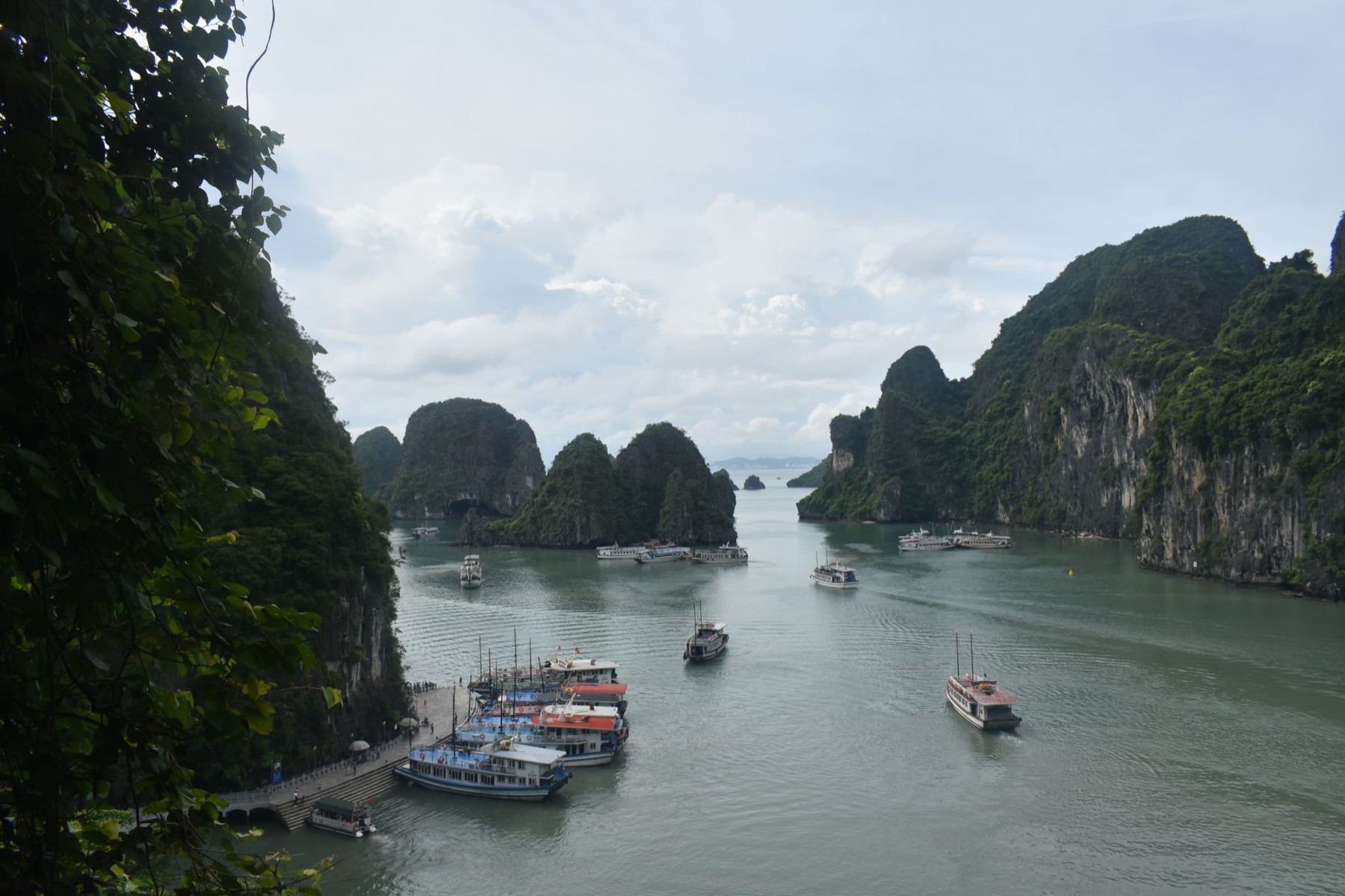
Sung Sot Cave (Surprise Cave) is the largest and most trafficked. Stunning stalactites and good infrastructure, but crowded year-round. Thien Cung Cave (Heavenly Palace) is smaller, less crowded, and equally photogenic. Dau Go Cave sits higher on a limestone outcrop, offering views and fewer visitors if you climb early (around 7–8 a.m. tours).
Skip the cave-and-village combo packages if you have only one day; choose one or the other. Most cruises include two cave stops, so you'll cover both without extra fees. Entry fees are bundled into tour packages; standalone cave visits cost around $3–5 per site if you negotiate a private boat from Halong City.
---
Is Swimming in Ha Long Bay Safe—and Where Can You Actually Swim?
Swimming is allowed on designated stops—usually shallow beaches or rope-off areas on cruises. Water quality varies by season; June–September sees warmer but sometimes algae-prone water. October–April is clearest and calmest, with temperatures around 18–22°C (64–72°F). Bring a rash guard or light wetsuit for comfort.
Avoid jumping into open water during overnight tours; most boats have planned swimming stops at monitored sites. The bus-like ferry from Halong City to Cat Ba Island passes some karsts but isn't a swimming experience—stay on a cruise if swimming matters to you.
---
What About Floating Villages—Are They Authentic or Staged for Tourists?
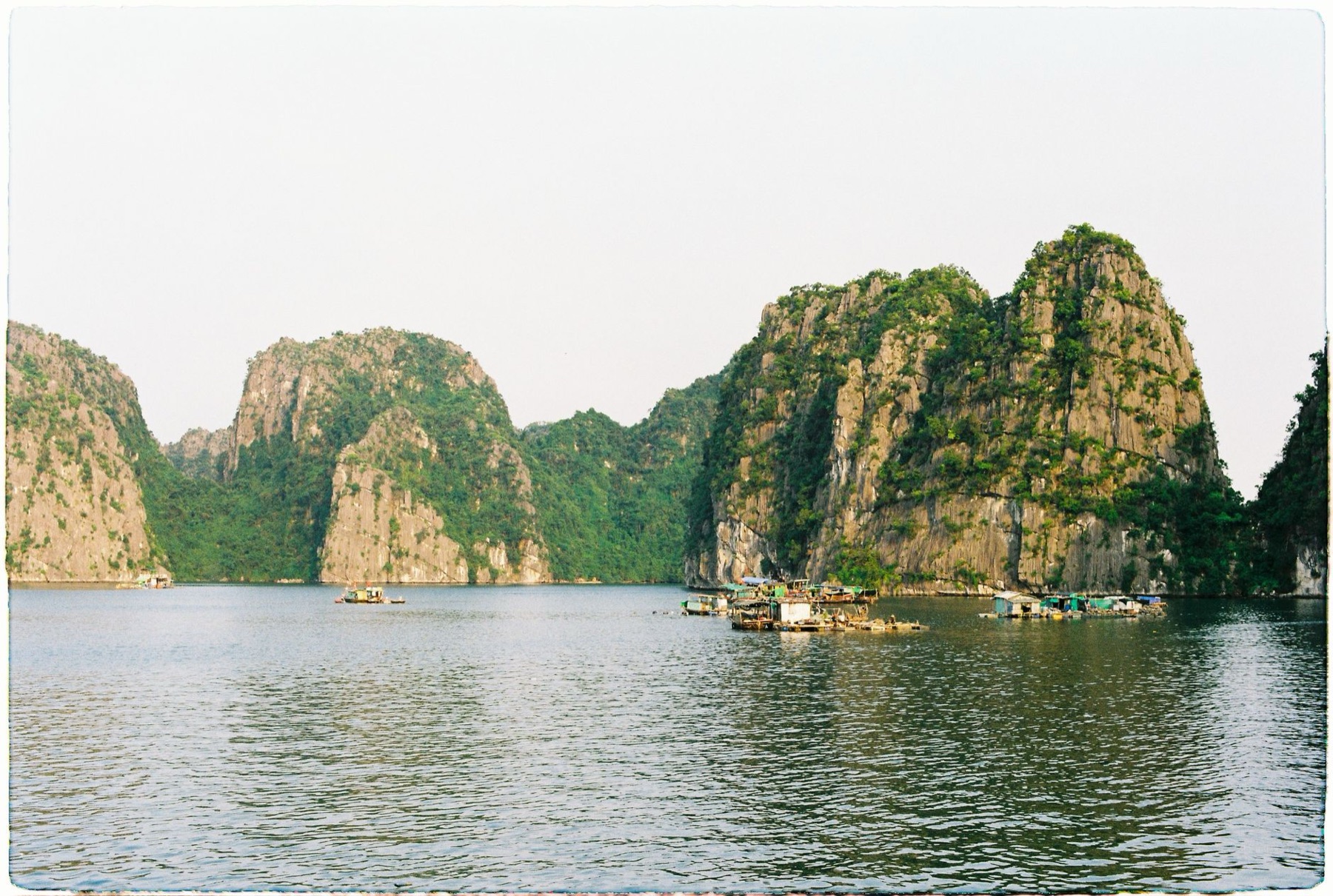
Vung Vieng Floating Village (Cua Van) is the main fishing community on most cruise itineraries. Residents do fish, farm seaweed, and raise fish in cages—it's real, but tourism-aware. You'll visit a pearl or fish farm, kayak between houses, and meet locals who sell crafts and souvenirs. Prices are inflated for tourists; expect around $10–20 for handicrafts that would cost $2–3 in Hanoi.
Lan Ha Bay (near Cat Ba Island) has quieter, less-visited floating hamlets if you book private or small-group tours. Day-trippers often feel rushed through villages; overnight cruises give you time to paddle and observe without pressure. Respectful photography means not entering homes without permission and buying directly from makers if you purchase anything.
| Village Stop | Best for | Crowd Level | Why Choose It |
|---|---|---|---|
| Vung Vieng (Cua Van) | Standard cruises, photo ops | High | Most accessible; well-developed kayak routes |
| Lan Ha Bay hamlets | Private tours, quieter experience | Low–Medium | Fewer tourists; more authentic feel |
| Cat Ba homestays | Multi-day immersion | Medium | Overnight stays with local families available |
---
Should You Book a Tour Online or in Halong City—What's the Real Difference?
Booking on international travel platforms (Viator, GetYourGuide, Klook) charges 20–40% markup for middleman fees. Local operators in Halong City offer identical boats and itineraries at lower rates, but communication can be slower if something goes wrong. Hotels in Halong City (especially mid-range guesthouses) have direct relationships with tour operators and often sell at fair markups with better customer support.
Our tested approach: research on international platforms to compare quality and read recent reviews, then contact your hotel concierge to negotiate a direct booking. Most hotels will match or beat online prices if you ask. Verify the operator's registration number and check recent traveler feedback on local Facebook groups (search "Ha Long Bay Tours" and recent posts in 2025–2026).
🎟️ Compare tours & tickets for this place
---
What Gear and Gifts Make Sense for a Ha Long Bay Trip?
Waterproof phone cases and dry bags are essentials, especially if kayaking or swimming. Reef-safe sunscreen (around 80,000–120,000 VND / ~$3–5) protects you and the marine environment. Lightweight quick-dry clothing replaces cotton, which stays damp on boats.
For gifts to bring home, handmade star map prints showing the date and sky you saw in Ha Long Bay make meaningful keepsakes. Consider a personalized keepsake or memory collection to commemorate your trip. Local handicrafts from floating villages—woven baskets, pearl earrings—are authentic but overpriced at tourist shops; better value exists in Hanoi markets.
Timing Checklist: Before You Book
- ☐ Check monsoon season: October–April (best); May–September (warmer, rougher seas)
- ☐ Confirm your budget: budget tours ($40–60/day), mid-range ($80–100), luxury ($120+)
- ☐ Book 2–3 days minimum for an overnight cruise (1 night is standard)
- ☐ Verify the operator's license and recent reviews (2025 posts, not 2023)
- ☐ Ask if meals, cave fees, and kayaking are included (most packages include these)
- ☐ Check your eSIM or local data plan—Vietnam eSIMs keep you connected for emergencies
- ☐ Arrange Vietnam entry: check visa requirements well ahead
---
How Long Should You Spend in Ha Long Bay?
Two to three days is the standard sweet spot. Day one covers cave exploration and sunset cruising; day two includes swimming and floating village visits; day three wraps up at sunrise if you stay overnight. A single day (6–7 hours) covers the basics but feels rushed and misses the magic hour light.
If you're on a tighter Vietnam itinerary, combine Ha Long Bay with Ninh Binh (2 hours south by car, similar limestone scenery and caves without the sea cruise) or skip the overnight and take a speedboat day tour. We've found that first-time visitors regret choosing day trips; invest the extra night.
---
Real Costs Breakdown
| Item | Typical Price Range |
|---|---|
| Day tour (8 hours, Halong City) | $40–70 per person |
| 2D/1N cruise (mid-range) | $80–120 per person |
| Private speedboat (4 people, full day) | $150–250 total |
| Cave fees (if standalone) | $3–5 per cave |
| Floating village kayak add-on | $15–25 per person |
| Hotel in Halong City (mid-range) | $20–40 per night |
| Meals on tour (usually included) | Covered in package |
Prices hold steady year-round; shoulder seasons (March–April, September–October) see slight discounts. Book 1–2 weeks ahead for better availability and direct operator rates.
---
What to Check Before You Book
Operator legitimacy: Confirm the company name, registration number, and 2025–2026 reviews on local travel groups or TripAdvisor. Avoid word-of-mouth-only operators or hotels pushing unnamed "partners."
Inclusions: Ask exactly what's included—meals, drinks, snacks, caves, kayaking, swimming stops. Some budget tours skip lunch or limit cave visits.
Group size: Confirm whether it's a small group (10–15 people) or large ship (100+). Smaller groups move faster and offer better photography angles.
Cancellation policy: Confirm refund or rescheduling options if weather deteriorates (typhoons can cancel tours June–October).
Physically demanding? Overnight cruises involve climbing stairs and moving between decks. Cave exploration requires walking steep limestone stairs. Discuss accessibility with your operator if you have mobility concerns.
📸 Book an ao dai photoshoot in Hanoi or Saigon (Cáo Studio)
---
How Ha Long Bay Fits into Your Broader Vietnam Trip
Ha Long Bay works best as a 2–3 day break from city touring. Most visitors arrive from Hanoi (3–4 hours by car or bus) and return to Hanoi or continue to Ho Chi Minh City via a 1-hour flight from Hai Phong. Ninh Binh, two hours south, offers a cheaper alternative with similar karst landscapes—consider both if you have 5+ days in northern Vietnam.
For a full country itinerary, see our Vietnam itinerary planner. First-time visitors often pair Ha Long Bay with 3–4 days in Hanoi, 2 days in Ninh Binh or Sapa, and 3–4 days in Ho Chi Minh City or Hoi An.
---
Final Honest Take
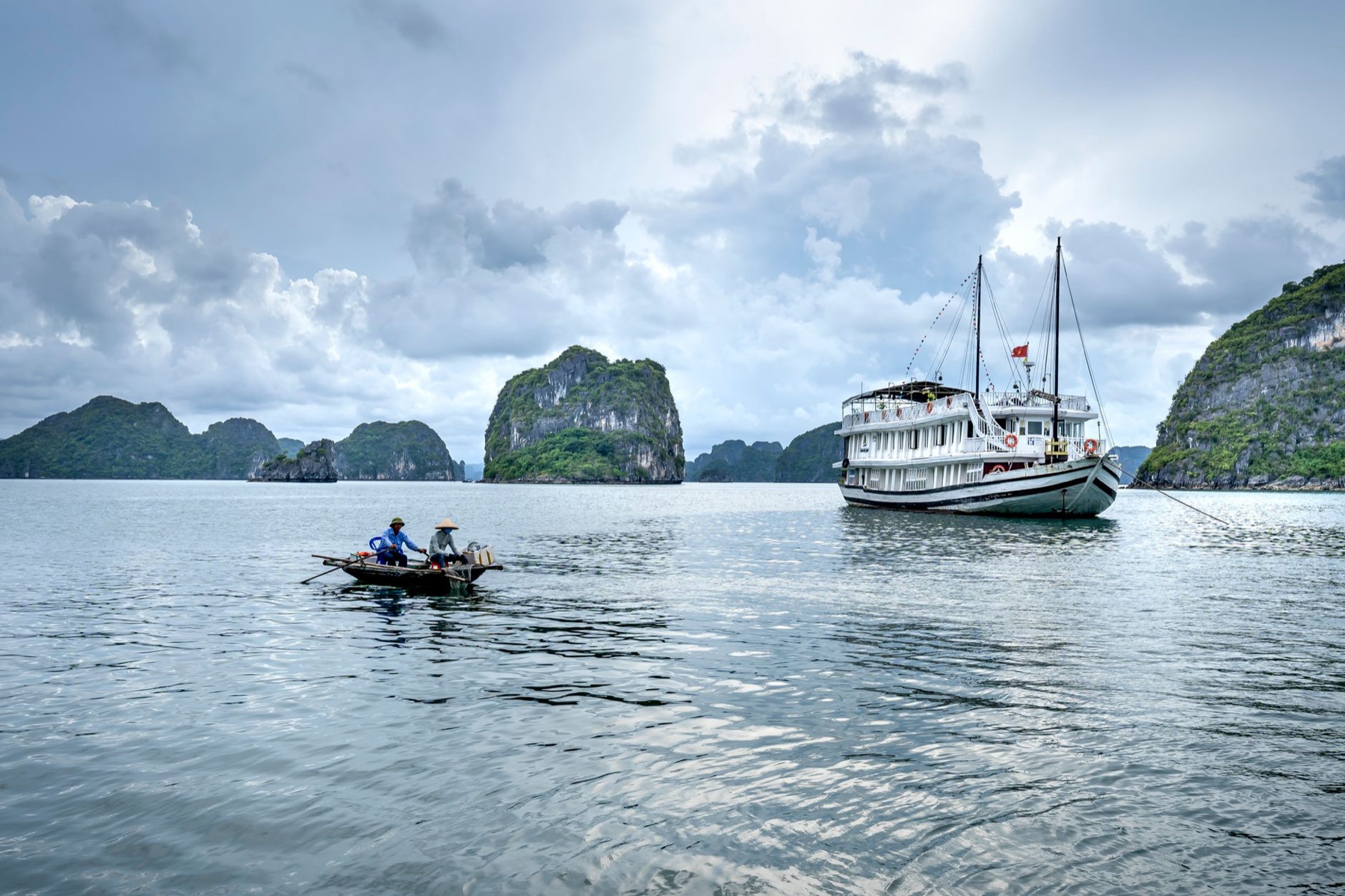
Ha Long Bay delivers on its UNESCO fame. The limestone karsts are genuinely stunning, and overnight cruises offer moments—quiet sunrise, swimming under cliffs, kayaking through narrow channels—that justify the trip. Crowds are real, especially at peak sites like Sung Sot Cave, but smaller operators and early departures minimize the sting.
Skip ha-long-bay if you're exhausted from cities and crave solo nature time; the tours are group-oriented and structured. Skip if you have only one afternoon; the travel time isn't worth a 4-hour rush tour. Do go if you enjoy combining sightseeing with comfort (meals, cabins, staff), want iconic photos, or are visiting Vietnam for the first time.
Book early (2+ weeks), choose a reputable mid-range operator over the cheapest option, and consider an overnight cruise for the full experience.
---
FAQ
What's the best month to visit Ha Long Bay?
October–April offers calm seas, clear skies, and perfect temperatures (18–25°C). Avoid May–September (hot, humid, occasional storms). November–January is peak season with cooler weather and lowest rainfall. March–April is warm and less crowded than peak winter.
Do I need special gear or fitness to kayak in Ha Long Bay?
No special fitness needed; most kayak tours are leisurely (1–2 hours). Bring a rash guard or light wetsuit if you're cold-sensitive. Wear water shoes or old sandals (limestone is sharp). Tour operators provide life jackets and paddles.
Can I visit Ha Long Bay on a budget, or is it expensive?
Budget tours run $40–70 per day; mid-range $80–120. Overnight cruises range $80–150. Skip expensive 5-star luxury ships ($200+) unless comfort is your priority. Book directly with local operators to avoid platform markups.
How far is Ha Long Bay from Hanoi, and how do I get there?
160 km (3–4 hours by car or minibus). Most hotels arrange transportation; expect around $10–20 for a shared transfer or $50–80 for private pickup. Hai Phong city (30 min from Ha Long) has an airport if flying from Ho Chi Minh City.
What if I get seasick on the cruise?
October–April waters are calm; most people don't get seasick. If prone, take ginger tablets or prescription medication before boarding. Avoid the lowest deck cabins if possible (more motion). Stay on deck during peak nausea times for fresh air.
Is the floating village experience ethical or exploitative?
It's mixed. Residents do live and fish there, but tourism has inflated prices and created some performative behavior. Respectful travel means not photographing inside homes without permission, buying directly from makers, and limiting visits to 1–2 hours so you're not a constant spectacle. Smaller villages feel less staged. ===
FAQ
What's the best month to visit Ha Long Bay?
October–April offers calm seas, clear skies, and perfect temperatures (18–25°C). Avoid May–September (hot, humid, occasional storms). November–January is peak season with cooler weather and lowest rainfall. March–April is warm and less crowded than peak winter.
Do I need special gear or fitness to kayak in Ha Long Bay?
No special fitness needed; most kayak tours are leisurely (1–2 hours). Bring a rash guard or light wetsuit if you're cold-sensitive. Wear water shoes or old sandals (limestone is sharp). Tour operators provide life jackets and paddles.
Can I visit Ha Long Bay on a budget, or is it expensive?
Budget tours run $40–70 per day; mid-range $80–120. Overnight cruises range $80–150. Skip expensive 5-star luxury ships ($200+) unless comfort is your priority. Book directly with local operators to avoid platform markups.
How far is Ha Long Bay from Hanoi, and how do I get there?
160 km (3–4 hours by car or minibus). Most hotels arrange transportation; expect around $10–20 for a shared transfer or $50–80 for private pickup. Hai Phong city (30 min from Ha Long) has an airport if flying from Ho Chi Minh City.
What if I get seasick on the cruise?
October–April waters are calm; most people don't get seasick. If prone, take ginger tablets or prescription medication before boarding. Avoid the lowest deck cabins if possible (more motion). Stay on deck during peak nausea times for fresh air.
Is the floating village experience ethical or exploitative?
It's mixed. Residents do live and fish there, but tourism has inflated prices and created some performative behavior. Respectful travel means not photographing inside homes without permission, buying directly from makers, and limiting visits to 1–2 hours so you're not a constant spectacle. Smaller villages feel less staged. ===
More: Ha Long Bay guide · Ha Long Bay itinerary: 1, 2, 3 days