Ha Long Bay · Things to do
Ha Long Bay, Vietnam: Best Gifts & Souvenirs to Buy
By Wander in Vietnam editorial team · Hanoi, Vietnam
Ha Long Bay draws over 2 million visitors annually, and most want to carry home a piece of those iconic karsts. The challenge: distinguishing authentic, fairly priced souvenirs from overpriced tourist-trap duplicates.
We've spent time in Quang Ninh Province, haggled at waterfront markets, and tested shipping across suppliers. Here's what actually works—and what to skip.
What souvenirs are actually worth buying from Ha Long Bay?
The best Ha Long Bay souvenirs reflect the region's geology and maritime culture. Limestone carvings (carved replicas of the karsts themselves), freshwater pearls, mother-of-pearl inlay boxes, and hand-painted ceramic pieces tied to local fishing heritage are genuine, compact, and resellable. Avoid mass-produced snow globes and generic "Vietnam" t-shirts sold at cruise terminals; they're marked up 200–300% and made overseas.
🗺️ Plan your route: Vietnam itinerary | 🎟️ Compare tours & tickets for this place
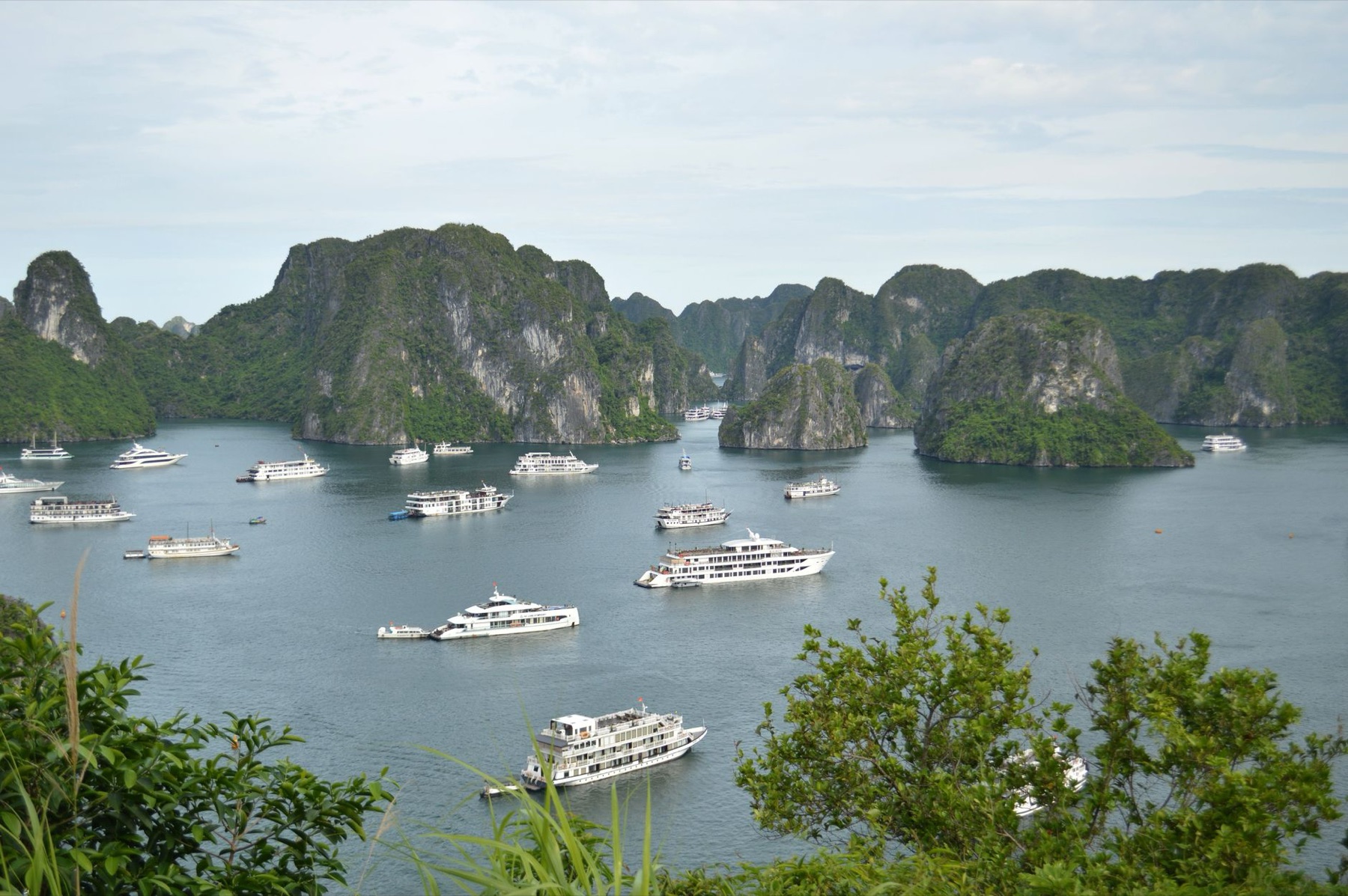
Limestone carvings: how to spot real versus fake?
Authentic limestone souvenirs are dusty, slightly porous, and chip easily—that's how you know they're genuine. Real pieces come from quarries near Cai Bau (Hai Phong) and weigh noticeably more than resin copies. Fake versions are smooth, uniform, and feel plastic-like. Ask vendors where the piece was carved; locals know specific quarry names (Vit Chu, Tien Tai). Price check: hand-carved miniature karsts cost 150,000–400,000 VND ($6–16 USD) at Bai Chay Market; cruise prices are 800,000+ VND ($32+ USD) for identical pieces.
Freshwater vs. saltwater pearls: which should you buy?
| Pearl Type | Origin | Price (VND) | Price (USD) | Best For | Durability |
|---|---|---|---|---|---|
| Freshwater | Lake farms, Red River Delta | 300,000–1,200,000 | $12–48 | Budget gifts, earrings | 5–7 years |
| Saltwater (Akoya) | Ha Long Bay Gulf waters | 800,000–3,000,000 | $32–120 | Premium necklaces, investment | 15+ years |
| Baroque (irregular) | Mixed | 200,000–600,000 | $8–24 | Statement pieces, collectors | Varies |
Saltwater pearls command higher prices because they're rarer and last longer. We recommend buying from certified pearl shops in Hon Gai town (near ferry terminals) rather than street vendors. Always ask for a pearl certificate; reputable shops provide one. Freshwater pearls work for travelers on tighter budgets or giving multiple gifts.
📸 Book an ao dai photoshoot in Hanoi or Saigon (Cáo Studio)
Mother-of-pearl inlay boxes and home décor: worth the price?
Mother-of-pearl inlaid lacquerware—trinket boxes, coasters, small mirrors—is a Vietnamese craft tradition. Ha Long's version often combines local shell waste (from pearl farms and fishing) with wood or ceramic bases. Quality varies hugely. Poor pieces flake easily; good ones have smooth edges and precise inlay. Expect 400,000–1,500,000 VND ($16–60 USD) for a small box. These items are fragile; pack them in bubble wrap inside luggage (not carry-on). We've seen 30–40% of buyer returns due to chipping during shipping. Check the pillar guide things to do in Ha Long Bay for workshops where you can watch artisans at work before buying.
Hand-painted ceramics: local artists versus imports?
Ha Long Bay's ceramic tradition is weaker than Bat Trang (near Hanoi) or Hoi An. Most "local" hand-painted bowls and plates sold to tourists are actually imported from Bat Trang, repackaged, and resold at 2–3× markup. If you genuinely want local Ha Long ceramics, visit the Quang Ninh Museum gift shop (Hon Gai) or ask vendors directly for pieces made in Van Don District (the only active ceramic area). Prices are similar (around 250,000–800,000 VND / $10–32 USD), but origin matters if you care about authenticity. Compare this with Hoi An's ceramic heritage when deciding between regions—Hoi An has stronger artisan traditions and better pricing.
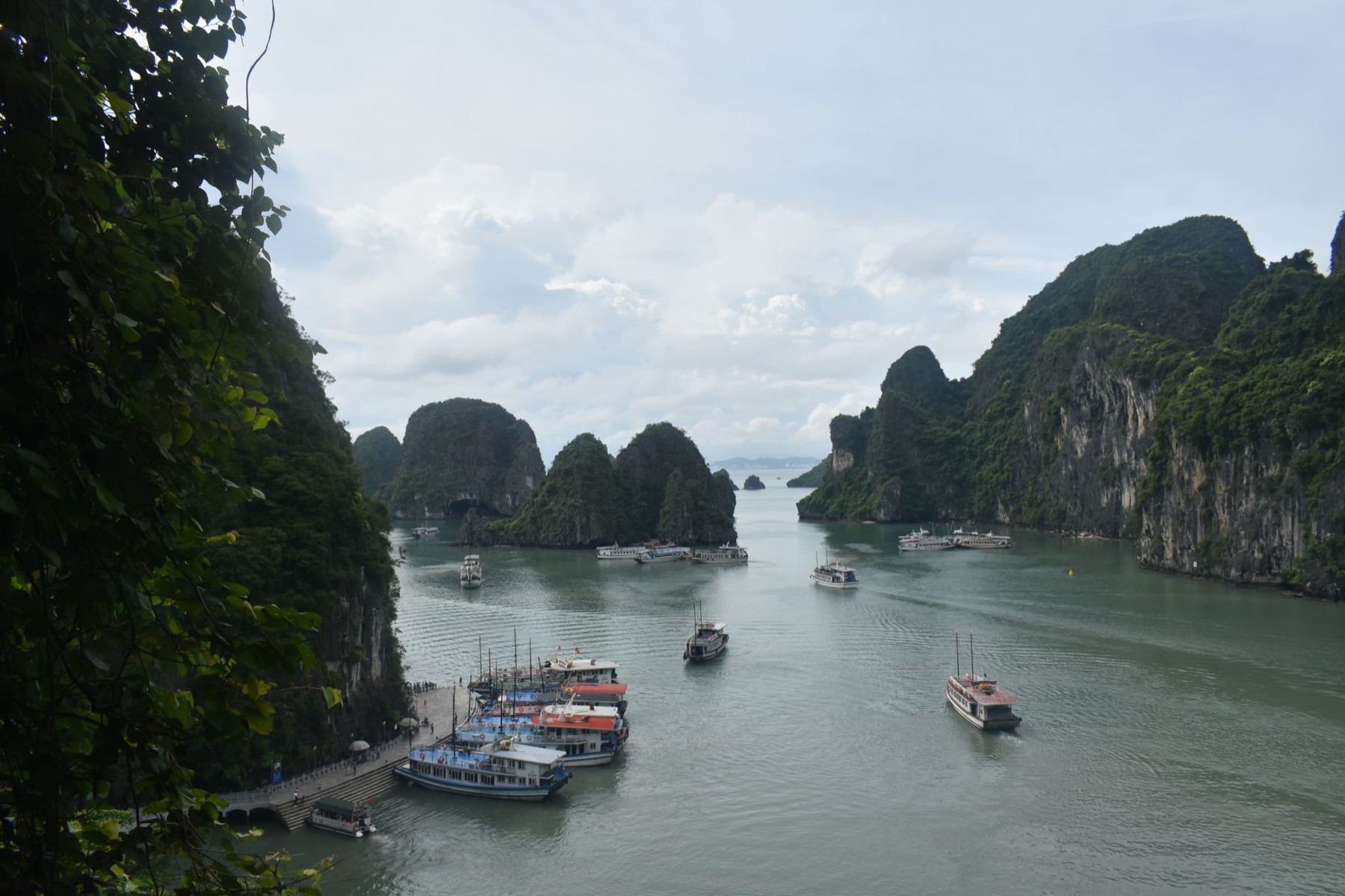
How to pack and ship souvenirs back home?
Most Ha Long Bay gift suppliers ship via DHL or FedEx to the US (5–10 days). Free shipping applies to orders over $35 USD; smaller purchases incur 150,000–300,000 VND ($6–12 USD) fees. Fragile items (pearls in cases, ceramics, mother-of-pearl boxes) should be double-boxed and insured—the 30-day smile guarantee covers breakage on our end, but you'll need insurance for in-transit damage.
Pack ceramics and carvings in bubble wrap, never newspaper (ink transfers). Pearls and jewelry ship in padded envelopes. Test weight before ordering; limestone carvings over 500g can push international shipping to $20+ USD.
What to check before you buy: a real checklist
- Authenticity: Ask vendor where/who carved it. Google the name if possible.
- Weight & texture: Real limestone is heavy, dusty, slightly porous. Fake resin is light, smooth.
- Pearl certificate: Saltwater pearls should come with a certificate of origin. Freshwater doesn't require one, but ask luster grade.
- Packaging: Fragile items come in padded boxes? Ask how they protect during shipping.
- Return window: Confirm 30-day returns before checkout.
- Price reality: Compare market prices (Bai Chay, Hon Gai) with online quotes. If online is 3× cheaper, ask why—it might be a knock-off.
- Shipping estimate: Request a photo of packaged item before processing; ensures proper protection.
Comparison: which souvenirs to buy for different travelers?
Budget travelers (under $30 total): Buy a small limestone karst carving (150,000–250,000 VND / $6–10 USD) + a set of 3 baroque freshwater pearls (200,000 VND / $8 USD). Skip jewelry here.
Mid-range ($30–80): Choose a saltwater pearl necklace (800,000–1,800,000 VND / $32–72 USD) or a mother-of-pearl inlay box + ceramic coaster set. One statement piece beats multiple cheap items.
Collectors or high-end givers ($80+): Invest in a certified Akoya saltwater pearl pendant (2,000,000+ VND / $80+ USD) or a bespoke limestone sculpture (custom-carved, 1,500,000–4,000,000 VND / $60–160 USD, 3–4 weeks lead time).
Multi-gift givers: Source 5–10 small ceramic coasters (200,000 VND / $8 USD each) or limestone mini-karsts. Bulk orders over 10 units often get 10–15% discounts.
---
🎟️ Compare tours & tickets for this place
Honest takes: what to actually skip
Avoid "pearl necklaces" under 300,000 VND ($12 USD)—they're dyed freshwater pearls strung on cheap wire, not wearable. Skip painted ceramic "lucky cats" or Buddha figurines; they're mass-produced in China and sold as "Ha Long authentic." Don't buy amber or jade without certification; fakes are rampant and you'll get scammed. Tourist shops in Tuan Chau Island charge 2–3× more than Hon Gai or Bai Chay markets for identical items.
For broader travel planning, consult our Hanoi guide (2 hours from Ha Long) and Ninh Binh guide (alternative karst destination). If you're building a longer trip, check the Vietnam e-visa page and eSIM for Vietnam to stay connected while shopping.
Looking for a creative way to remember your visit? Book an ao dai photoshoot with Cáo Studio in Hanoi before or after Ha Long—those professional shots paired with a pearl or limestone gift make a cohesive memory set.
---
FAQ
Are freshwater pearls from Ha Long Bay real pearls?
Yes, but they're not from Ha Long—they're farmed in Red River Delta lakes and resold by Ha Long vendors. Saltwater Akoya pearls come from Ha Long Gulf waters and command higher prices. Always ask origin; local fishermen can verify.
What's the difference between limestone carving quality levels?
Hand-carved pieces show chisel marks and uneven surfaces; machine-cut ones are uniform and polished. Hand-carved costs 20–30% more but lasts longer without chipping. Check for dust inside crevices—a sign it's genuinely aged.
Can I take pearls and carvings in my carry-on luggage?
Yes. Pearls and small carvings (under 100g) are unrestricted. Large limestone pieces (over 500g) can damage luggage compartments; ship them instead or pack in checked luggage with extra protection.
How long do saltwater pearls last if worn daily?
15–20 years with proper care (store in silk pouch, avoid perfume/sweat contact, clean gently with soft cloth). Freshwater pearls last 5–7 years; they're softer and scratch more easily.
Is haggling expected at Ha Long markets?
Yes. Bai Chay and Hon Gai markets expect negotiation. Start at 70% of asking price; vendors typically meet at 80–85%. Cruise ship and hotel gift shops have fixed prices and no haggle room.
What payment methods do Ha Long souvenir shops accept?
Cash (VND preferred, USD accepted), bank transfers, and major card brands (Visa, Mastercard). Mobile pay (Momo, Zalo Pay) works but foreign cards have 2–3% fees. Bring cash for best prices at markets.
FAQ
Are freshwater pearls from Ha Long Bay real pearls?
Yes, but they're not from Ha Long—they're farmed in Red River Delta lakes and resold by Ha Long vendors. Saltwater Akoya pearls come from Ha Long Gulf waters and command higher prices. Always ask origin; local fishermen can verify.
What's the difference between limestone carving quality levels?
Hand-carved pieces show chisel marks and uneven surfaces; machine-cut ones are uniform and polished. Hand-carved costs 20–30% more but lasts longer without chipping. Check for dust inside crevices—a sign it's genuinely aged.
Can I take pearls and carvings in my carry-on luggage?
Yes. Pearls and small carvings (under 100g) are unrestricted. Large limestone pieces (over 500g) can damage luggage compartments; ship them instead or pack in checked luggage with extra protection.
How long do saltwater pearls last if worn daily?
15–20 years with proper care (store in silk pouch, avoid perfume/sweat contact, clean gently with soft cloth). Freshwater pearls last 5–7 years; they're softer and scratch more easily.
Is haggling expected at Ha Long markets?
Yes. Bai Chay and Hon Gai markets expect negotiation. Start at 70% of asking price; vendors typically meet at 80–85%. Cruise ship and hotel gift shops have fixed prices and no haggle room.
What payment methods do Ha Long souvenir shops accept?
Cash (VND preferred, USD accepted), bank transfers, and major card brands (Visa, Mastercard). Mobile pay (Momo, Zalo Pay) works but foreign cards have 2–3% fees. Bring cash for best prices at markets.