Ha Long Bay · Things to do
Ha Long Bay Vietnam: Cruises, Tours & Activities Guide 2026
By Wander in Vietnam editorial team · Hanoi, Vietnam
Ha Long Bay, a UNESCO World Heritage Site in Quảng Ninh Province northeast of Hanoi, offers limestone karst cruises ranging from budget day-trips (around $30–50 USD) to luxury overnight cruises (around $150–400+ USD). Most visitors choose 2–3 day sailing tours with kayaking, cave exploration, and onboard meals included. Book direct through established tour operators or via hotel concierge to avoid inflated pricing middlemen. Wander in Vietnam recommends inspecting vessel reviews, water safety certifications, and meal quality before committing.
What's the Real Cost of a Ha Long Bay Cruise?
Prices depend almost entirely on vessel type, cabin standard, and meal inclusions. A basic day cruise with lunch and cave visits costs around $35–60 USD per person. Budget overnight cruises (shared cabin, simple meals) run around $80–150 USD. Mid-range 2-day cruises with private cabins and better food are around $120–250 USD. Luxury sailing junks or modern cruisers with premium cabins and à la carte dining: around $200–500+ USD per night. Cheapest doesn't mean best—rock-bottom tours often skip proper safety briefings, use aging boats with poor ventilation, or serve minimal meals. Compare personalized Vietnam itinerary planning to slot Ha Long Bay into your overall trip budget.
🎟️ Compare tours & tickets for this place
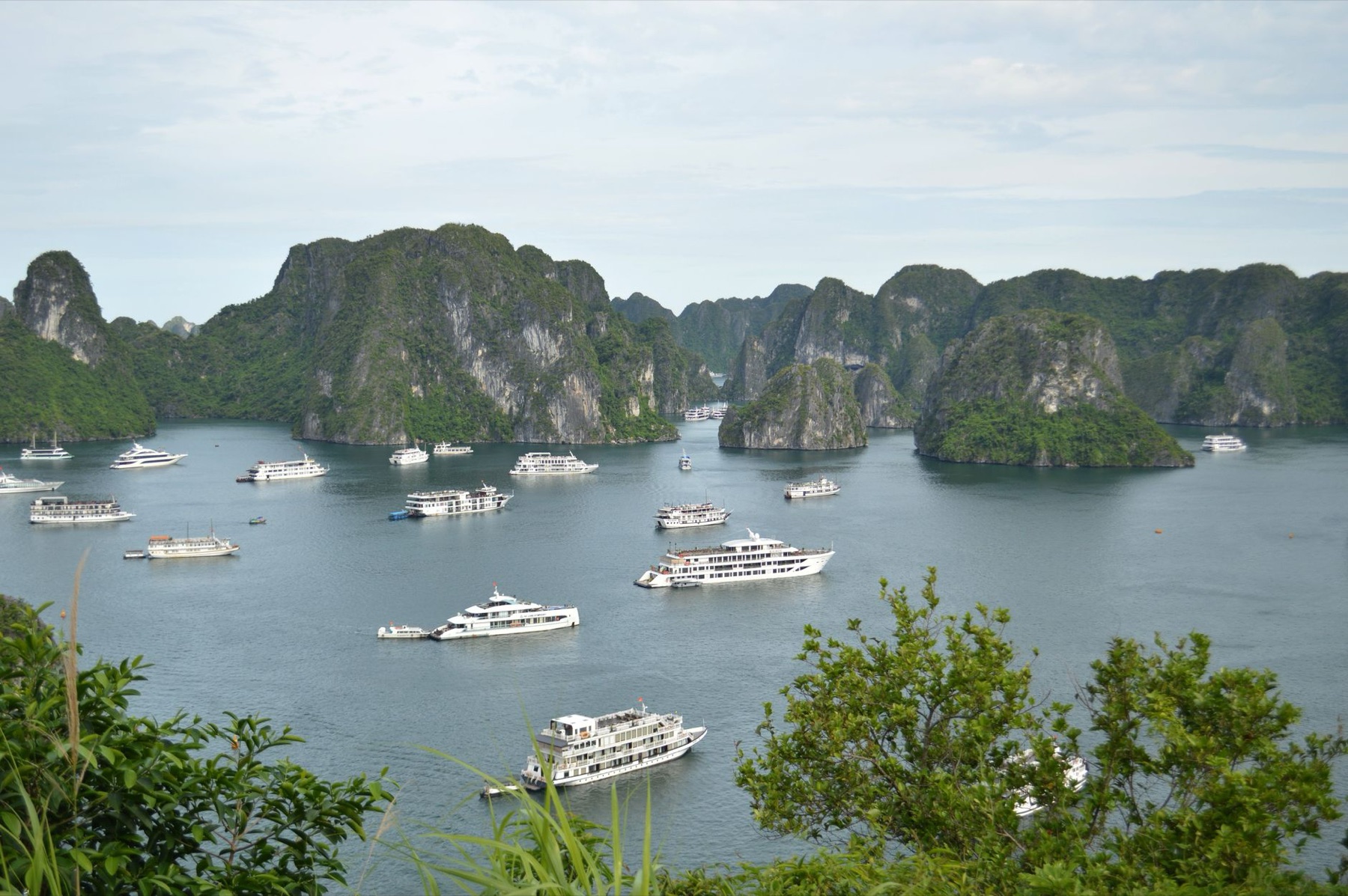
Which Tour Length Is Right for You?
A full-day shore excursion leaves Hanoi at dawn, reaches the bay by mid-morning, explores caves and cruises limestone peaks, then returns by dusk (12–14 hours total, around $50–80 USD). A 2-day/1-night overnight cruise includes a night onboard, sunrise on deck, and more relaxed exploration (around $100–250 USD). A 3-day/2-night cruise is the standard immersion—enough time for multiple cave visits, Monkey Island, and less crowded moments (around $150–350 USD). Longer than 3 days rarely justifies cost; most natural highlights are covered by day 2. Solo travelers and couples often choose overnight options; families with young children sometimes prefer day cruises to avoid cabin confinement. Check Ha Long Bay regional guide for seasonal weather windows (October–April best; May–September hotter, more humid).
How to Spot Tour Scams & Red Flags
Avoid booking through unmarked travel shops or street touts offering "special prices." Never pay in advance via bank transfer without verified company details. Legitimate operators have physical offices in Hanoi (Hoan Kiem or Old Quarter) or Halong City itself, official websites, and published safety certifications. Watch for hidden fees (port charges, fuel surcharges, "optional" activities billed as included). Low-ball pricing (under $30 for overnight) usually signals cut corners: thin mattresses, no hot water, reheated meals, overcrowded cabins. Insist on seeing the vessel before boarding—photos online are routinely outdated. Ask the concierge at your Hanoi accommodation for direct referrals; hotels earn small commissions but have reputational stakes. Most reputable tour companies operate their own fleet or partner with certified boat owners for 10+ years.
Cave Tours: What to Know Before Descent
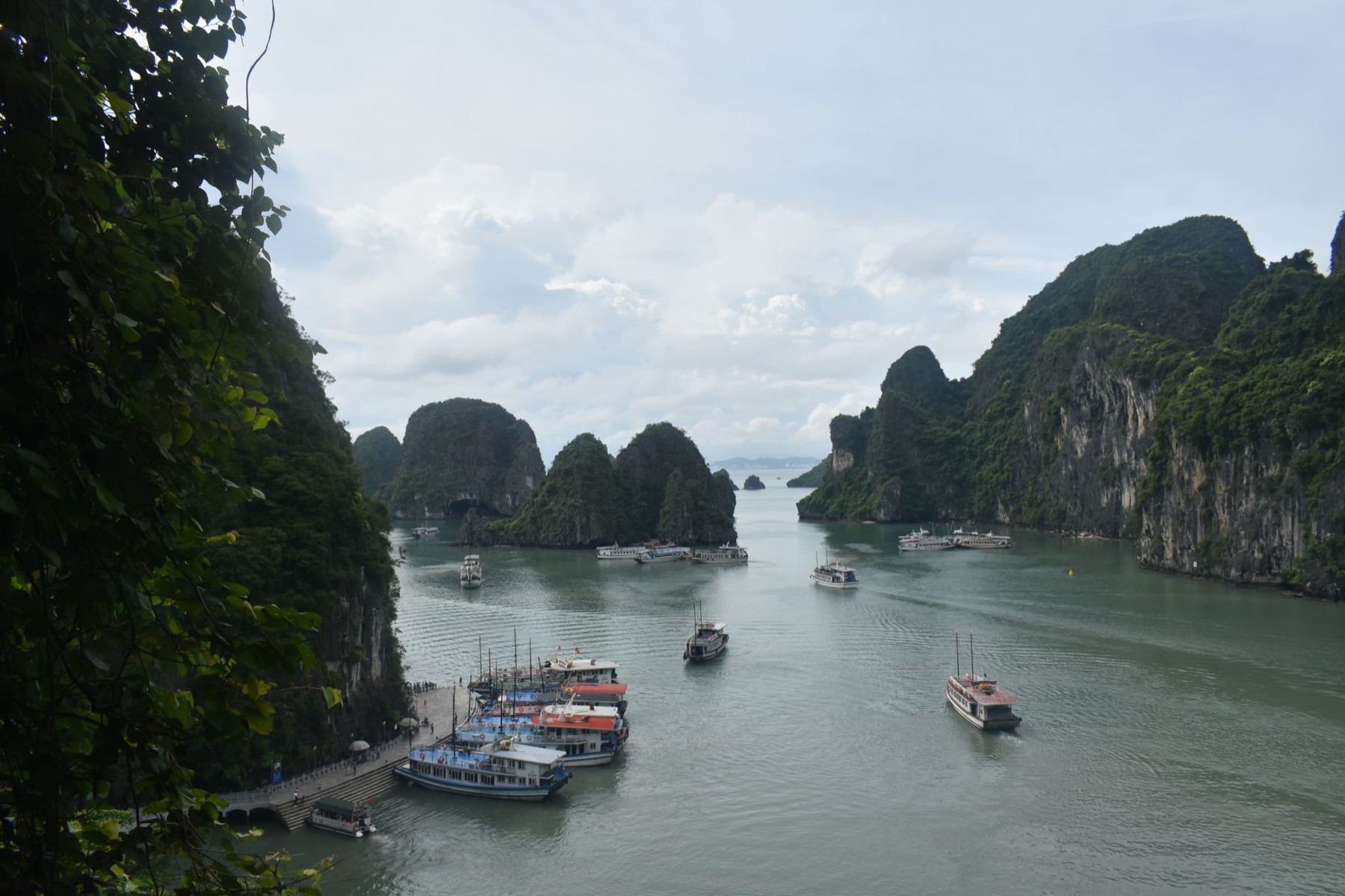
Sung Sot (Surprise Cave) is the most famous—a massive stalactite chamber requiring only 30–45 minutes of easy walking on lit paths. Thien Cung and Dau Go are smaller, steeper, and less crowded; Thien Cung involves more climbing but rewards with fewer tour groups. Boat captains typically allow 60–90 minutes per cave; cave operators limit daily entry to manage traffic. Bring light shoes with grip (stairs are wet and uneven), a light jacket (cave interiors are cool year-round), and avoid large backpacks (tight passages). Photography is allowed but flash can damage formations. Tours rarely disclose that cave lighting is artificial and sometimes garish, diminishing the natural feel for some visitors. Karst formations took millions of years; crowds and pollution are degrading them visibly. Consider booking smaller-group or private tours if the UNESCO status appeals to you.
🗺️ Plan your route: Vietnam itinerary
Comparing Cruise Types: Budget vs. Luxury
| Tour Type | Who It's For | Typical Cost (USD) | Cabin Type | Meals | Why It Works |
|---|---|---|---|---|---|
| Day cruise | Time-limited, budget-conscious | $35–65 | N/A | Lunch + snacks | Fast, no accommodation needed |
| Budget overnight | Backpackers, mixed dorms | $80–130 | Shared, basic | Simple breakfast & dinner | Affordable night onboard, decent caves |
| Mid-range 2-day | Families, couples, quality seekers | $120–200 | Private, air-conditioned | Full meals, drinks included | Good balance of comfort & value |
| Luxury junk | Splurge travelers, honeymooners | $250–450+ | Suite, premium views | À la carte, premium drinks | Junk design, sunset deck, small groups |
| Private charter | Groups 6+, special occasions | $300–800+ | Customized | Fully catered | Total control, timing, menu |
What to Check Before Buying Your Tour
Safety first: Confirm the operator holds a valid Ha Long Bay tourism license (issued by Quảng Ninh Provincial Department). Ask about life jacket distribution, emergency drills, and crew certifications. Request the vessel's year of build and recent inspection reports if you're risk-averse.
Meals & water: Ask what's included by name: breakfast included but lunch not? Are drinks (soft, alcohol) included or cash bar? Bring your own purified water in case onboard supplies are questionable.
Group size: Tours marketed as "small group" can mean 40+ people on deck. If solitude matters, book private charters or early-season tours.
Cancellation policy: Typhoon season (July–October) brings cancellations. Confirm refund terms in writing before payment.
Internet & power: Most modern boats have WiFi in common areas; cabins rarely have USB chargers. Bring a power bank.
Photography access: Clarify sunrise/sunset deck access; some luxury cruises limit it to avoid overcrowding.
📸 Book an ao dai photoshoot in Hanoi or Saigon (Cáo Studio)
How Tours Are Booked & Shipped (Confirmation & Arrival)
Tours aren't physical products, so "shipping" means your booking confirmation and itinerary. Most operators email a PDF receipt within 24 hours of payment; print or screenshot it for check-in. If booking 7+ days ahead, you'll receive reminders via email or SMS one week before, then again the morning of departure. Hotel pickup (if included) is typically 6–7:30 a.m. depending on your accommodation's distance from the Hanoi tour office. Tours depart Hanoi city center by 8 a.m., drive 2.5–3.5 hours to the port (via National Highway 5), and board by 11:30 a.m. Return to Hanoi averages 7–8 p.m. for day cruises, late evening for overnight tours. Overnight cabins are assigned at check-in; upgrades sometimes available on-spot if demand is low. Cancellation within 48 hours forfeits payment; earlier cancellations may permit rebooking.
🎟️ Compare tours & tickets for this place
Why Locals Recommend Different Seasons
October–November: Peak season. Calm waters, cool mornings, clear visibility. Crowded but rewards with perfect weather. Prices highest.
December–February: Dry, mild, slightly fewer tourists. Best for photography. Occasional overcast mornings.
March–April: Warming, still clear. Wildflower blooms on some islands. Rain rare.
May–September: Hot, humid, occasional rain. Fewer Western tourists (peak for Southeast Asian visitors). Budget prices lowest. Typhoons possible; operators may cancel with short notice.
For best-value timing, visit April or late September; for clarity and solitude, aim for November or January. Check regional Hanoi guides for pre-trip acclimatization stops if you're arriving via the capital.
Combining Ha Long Bay with Nearby Destinations
Ha Long Bay is a 2.5–3.5 hour drive from Hanoi. Many itineraries anchor it as a 2–3 day segment. Adding a Ninh Binh day trip (2 hours south, boat tours through Trang An and Tam Coc karsts) gives similar limestone scenery in a quieter setting. From the Ha Long City port, the return to Hanoi takes the same highway; an overnight in Halong city itself (mid-range hotels around $40–80 USD) breaks the drive and lets you explore the bay at your own pace by renting a small boat or taking a local ferry. Sapa and the northern highlands are a separate 5-6 hour push from Hanoi, worth their own 2-day visit. Those combining Hanoi, Ha Long Bay, and southern Vietnam should plan at least 7 days total; a 10-14 day Vietnam itinerary allows for Hanoi (2 days), Ha Long Bay (2–3 days), return to Hanoi (1 day rest), and a flight to Ho Chi Minh City or Hoi An for the south.
🗺️ Plan your route: Vietnam itinerary
Packing & Practical Prep for Ha Long Bay
Essentials: Sunscreen (reef-safe, SPF 50+); sunglasses and a hat; motion-sickness tablets if prone to nausea; light, fast-dry clothing; slip-on shoes with rubber soles; a light rain jacket. Avoid flip-flops—limestone is sharp and decks get slippery.
Connectivity: Vietnamese SIM cards and eSIM for Vietnam both work fine. Most boats have 4G coverage in the bay; purchase before or request roaming. Download offline maps; WiFi onboard is intermittent.
Visas & entry: Ensure your passport is valid 6+ months beyond travel. Check Vietnam e-visa requirements for your nationality; most nationalities can e-visa on arrival or pre-apply online.
Money: Bring VND cash for the boat gift shop, gratuities (~$2–5 USD per crew per night), and meals if paying à la carte. Credit cards accepted at tour operators in Hanoi; less so at the port.
Medical: Pack basic first aid, any prescription medications, and diarrhea remedies. Emergency clinics in Halong City are basic; serious issues warrant helicopter evacuation to Hanoi (expensive, covered by travel insurance). Travel insurance including evacuation is advised.
🎟️ Compare tours & tickets for this place
---
FAQ
Is Ha Long Bay worth the hype?
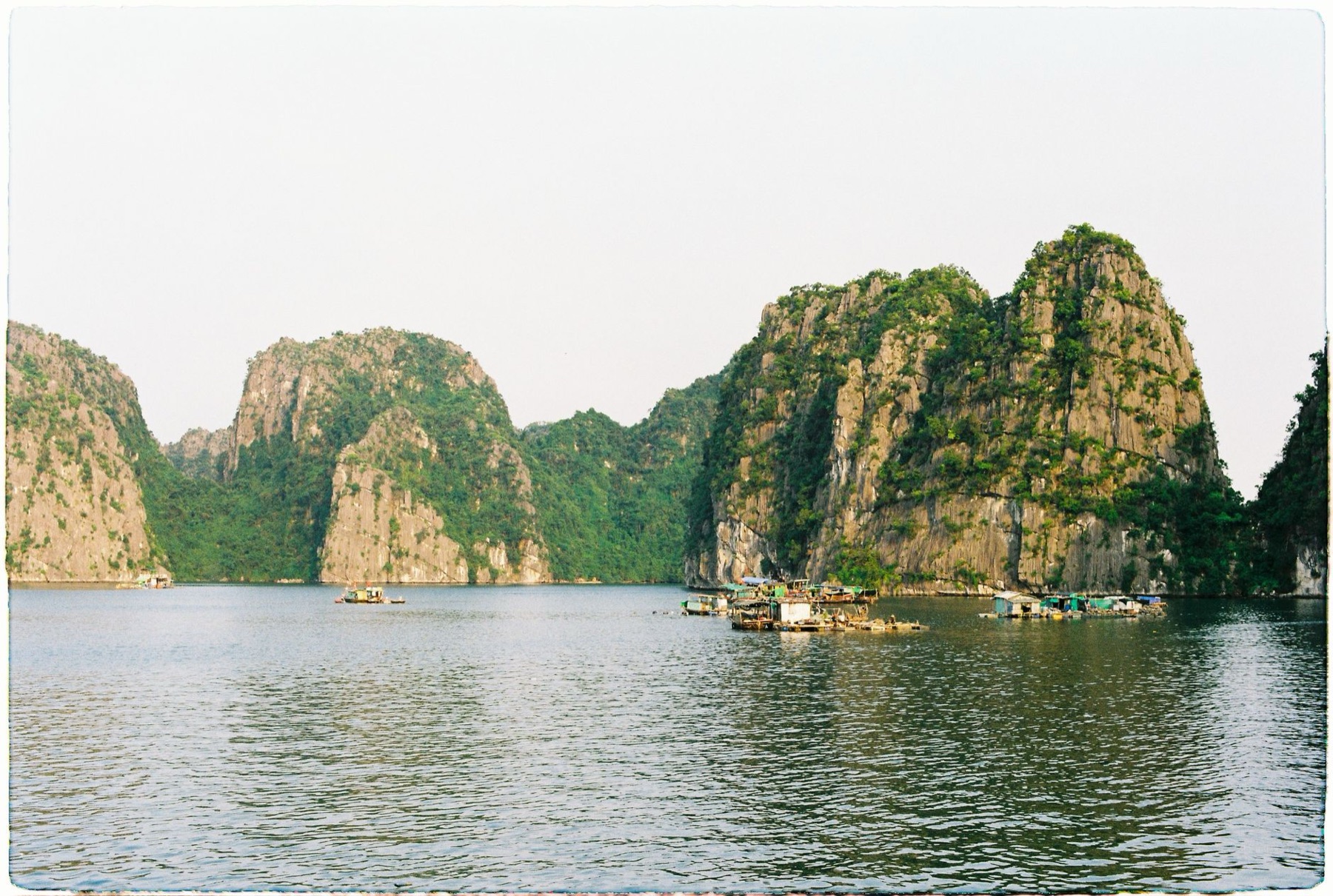
Yes, but manage expectations. Limestone karsts are genuinely striking; caves and sunrise deck moments justify the trip. Crowds are real in peak season. Smaller-group or private tours (around $250–400+ USD) filter out the photo-mob feel. A 2–3 day cruise is ideal; 1-day day-cruises feel rushed. UNESCO status attracts tourism that degrades the environment, so booking with operators committed to sustainable practices supports preservation.
Can I visit Ha Long Bay on a budget without feeling shortchanged?
Absolutely. A $40–60 USD day cruise covers caves, karst views, and lunch; it won't rival a luxury cabin at sunset, but it delivers the natural experience. Overnight budget tours ($80–130 USD) offer better value—you sleep onboard and avoid the dawn rush-hour commute. Shared cabins and modest meals are standard, not deprivation. Skip the cheapest offers (under $35) unless booking last-minute; quality drops noticeably.
What's the difference between a tour boat and a traditional junk?
Modern tour boats are steel-hulled, air-conditioned, and faster (1.5–2 hours to the bay). Traditional junks are wooden, slower, romantic-looking, but less stable in rough water and less comfortable in heat. Luxury junks (around $250–450+ USD) offer junk aesthetics with modern insulation and plumbing. Budget travelers notice little difference in cave or kayak experiences; boat type affects comfort, not views.
Do I need travel insurance, or is it overkill?
Strongly recommended. Typhoon cancellations (July–October) can strand you; insurance covers rebooking. Medical evacuation from the bay to Hanoi hospital runs $1,000–3,000+ USD if something serious happens. Travel insurance (around $20–50 USD for 1–2 weeks) covers emergency, evacuation, and cancellation. Read fine print for water-activity limits.
How do I avoid getting seasick?
Take motion-sickness tablets 30 minutes before boarding (brands like Dramamine available in Hanoi pharmacies). Stay on deck in fresh air rather than cabin. Eat light meals, sip ginger tea. Book tours in calmer months (October–April); May–September seas are rougher. If prone to severe nausea, opt for day cruises so you return to land by evening.
Is kayaking included or extra?
Included on most 2+ day tours (usually 1–2 hours). Kayaking is gentle—calm water around small islands, no rapids. Beginners are fine. Life jackets are mandatory and provided. On budget tours, kayaking may be 30–45 minutes; luxury tours offer longer paddles or private routes. Confirm "kayaking included" in your booking; some budget packages list it as optional ($15–25 USD add-on).
FAQ
Is Ha Long Bay worth the hype?
Yes, but manage expectations. Limestone karsts are genuinely striking; caves and sunrise deck moments justify the trip. Crowds are real in peak season. Smaller-group or private tours (around $250–400+ USD) filter out the photo-mob feel. A 2–3 day cruise is ideal; 1-day day-cruises feel rushed. UNESCO status attracts tourism that degrades the environment, so booking with operators committed to sustainable practices supports preservation.
Can I visit Ha Long Bay on a budget without feeling shortchanged?
Absolutely. A $40–60 USD day cruise covers caves, karst views, and lunch; it won't rival a luxury cabin at sunset, but it delivers the natural experience. Overnight budget tours ($80–130 USD) offer better value—you sleep onboard and avoid the dawn rush-hour commute. Shared cabins and modest meals are standard, not deprivation. Skip the cheapest offers (under $35) unless booking last-minute; quality drops noticeably.
What's the difference between a tour boat and a traditional junk?
Modern tour boats are steel-hulled, air-conditioned, and faster (1.5–2 hours to the bay). Traditional junks are wooden, slower, romantic-looking, but less stable in rough water and less comfortable in heat. Luxury junks (around $250–450+ USD) offer junk aesthetics with modern insulation and plumbing. Budget travelers notice little difference in cave or kayak experiences; boat type affects comfort, not views.
Do I need travel insurance, or is it overkill?
Strongly recommended. Typhoon cancellations (July–October) can strand you; insurance covers rebooking. Medical evacuation from the bay to Hanoi hospital runs $1,000–3,000+ USD if something serious happens. Travel insurance (around $20–50 USD for 1–2 weeks) covers emergency, evacuation, and cancellation. Read fine print for water-activity limits.
How do I avoid getting seasick?
Take motion-sickness tablets 30 minutes before boarding (brands like Dramamine available in Hanoi pharmacies). Stay on deck in fresh air rather than cabin. Eat light meals, sip ginger tea. Book tours in calmer months (October–April); May–September seas are rougher. If prone to severe nausea, opt for day cruises so you return to land by evening.
Is kayaking included or extra?
Included on most 2+ day tours (usually 1–2 hours). Kayaking is gentle—calm water around small islands, no rapids. Beginners are fine. Life jackets are mandatory and provided. On budget tours, kayaking may be 30–45 minutes; luxury tours offer longer paddles or private routes. Confirm "kayaking included" in your booking; some budget packages list it as optional ($15–25 USD add-on).