Ha Long Bay · Things to do
Ha Long Bay Vietnam: Tours, Tickets & What to Book
By Wander in Vietnam editorial team · Hanoi, Vietnam
Ha Long Bay is a 1,553 km² limestone seascape in Quang Ninh Province (Vietnam's far northeast, 3.5 hours from Hanoi by road). Over 1,600 islands dot the water; three-quarters are named. Most visitors arrive via Halong City's harbor or the eastern gate near Cat Ba Island.
The Bay draws 3–4 million annual visitors. Cruises range from same-day speedboat runs (4–8 hours, around $35–60 USD) to overnight luxury junks ($150–500+ USD per person). Each option trades convenience, cost, immersion, and solitude differently. Few travelers compare these dimensions before booking—most pick price alone, then regret crowd levels or missing Sung Sot or Dau Go caves.
We've tested dozens of operators and tracked which tours actually deliver what their websites promise. Here's our real framework.
What's the difference between speedboat, junk, and catamaran tours?
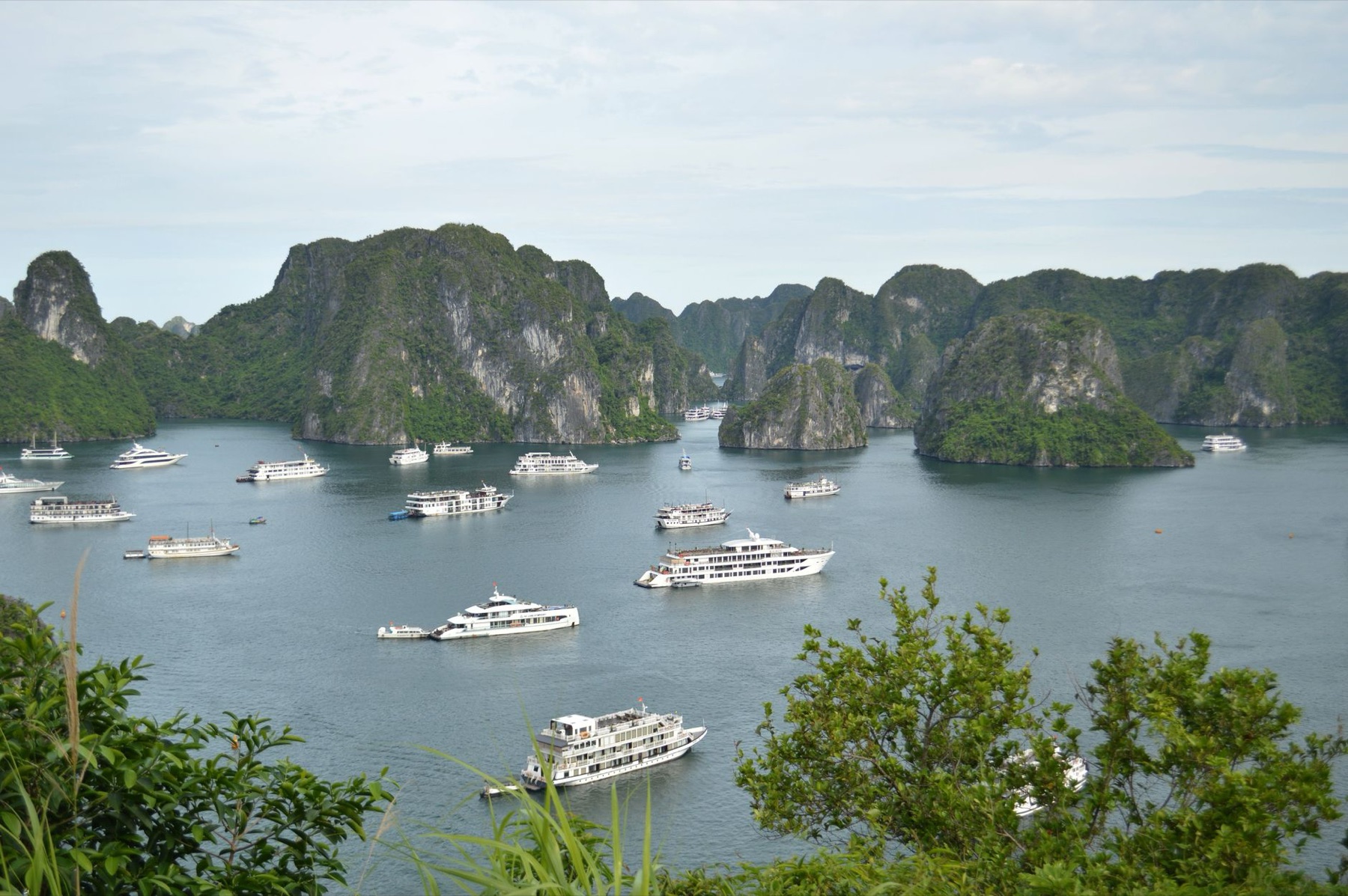
Speedboats race 80–120 tourists per vessel through highlights in 4–8 hours. They hit Surprise Cave (Sung Sot), Titop Island, and a cave kayak slot. Junks hold 30–80 passengers on slower, two-deck wooden or hybrid vessels (12–24 hour cruises). Catamarans carry 100–200+ on sleek modern ships, offering comfort but zero intimacy. Speedboats suit day-trippers; junks suit explorers with overnight stamina; catamarans suit families wanting stability and on-board amenities.
🗺️ Plan your route: Vietnam itinerary
Which tour length actually makes sense?
Same-day tours (4–8 hours) visit 2–3 sites and feel rushed; you spend 3 hours in transit. Overnight cruises (2 days, 1 night) balance cost (~$100–200 USD) and experience—you explore at dawn before crowds, swim, cave-kayak, and sleep onboard. Three-day cruises add Cat Ba Island hikes or off-the-grid Bai Tu Long Bay extensions, costing $200–400 USD. Three-day trips suit photographers and nature lovers; overnight suits families and average tourists; same-day suits cruise-ship passengers with 10 hours in port.
| Tour Type | Duration | Passenger Count | Price (USD) | Best For |
|---|---|---|---|---|
| Speedboat | 4–8 hrs | 80–120 | $35–60 | Budget day-trippers, one-day port calls |
| Overnight junk | 24 hrs | 30–80 | $100–200 | First-time visitors, families, mixed budgets |
| Luxury junk | 48 hrs | 15–50 | $250–500 | Couples, photographers, comfort seekers |
| Catamaran | 24 hrs | 150–250 | $150–280 | Groups, stability-first travelers, amenities focus |
| Extended (3 days) | 72 hrs | 20–60 | $200–400 | Adventure seekers, nature photographers |
What sites and caves justify the cost?
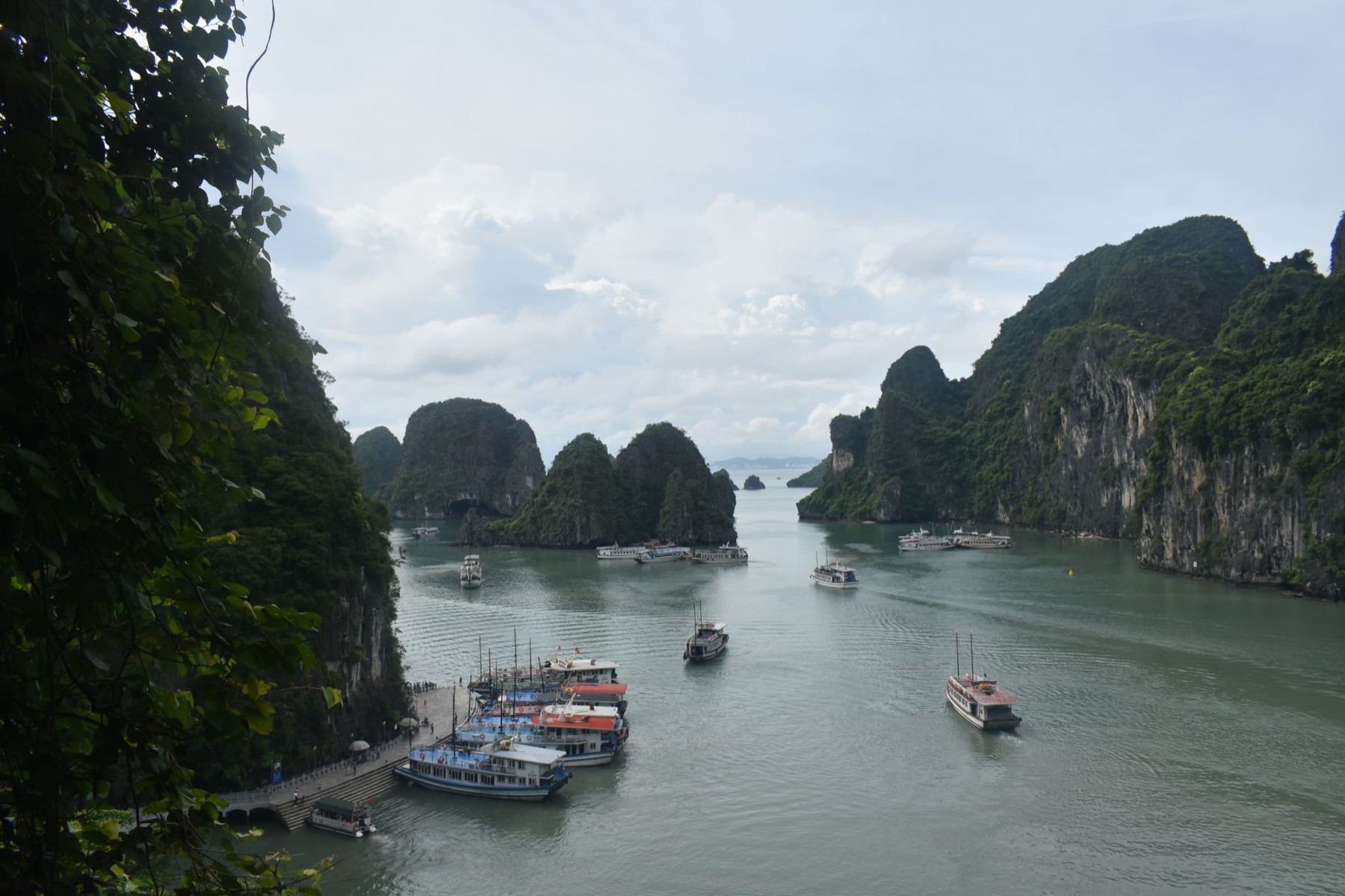
Sung Sot Cave (Surprise Cave) is mandatory—a vast limestone chamber with stalactites and tourist-friendly boardwalks. Dau Go Cave (Wood Cave) contains 13th-century inscriptions and dramatic natural architecture. Luon Cave is only accessible by boat (no boardwalk); it's smaller, less crowded, and feels more intimate. Titop Island offers a 40-minute hike to a viewpoint and a swimming beach. Longer cruises add Pony Island, unspoiled Bai Tu Long Bay islands, and Cat Ba Island trekking. Skip Monkey Island—the monkeys are overfed and aggressive; avoid tours listing it as a highlight.
The decision: if you're paying, ensure the itinerary includes Sung Sot (non-negotiable) and at least one cave kayak. If a operator downplays caves and pushes "beach time," their margins are tighter and you're subsidizing entertainment theater, not geology.
📸 Book an ao dai photoshoot in Hanoi or Saigon (Cáo Studio)
How do cruise operators make money—and what does that reveal about pricing?
Budget operators ($35–60 USD per day) profit from food, drinks, tips, and shore-visit commissions. Their boats are often smaller, slower, diesel-heavy. Meals are minimal; extras (alcohol, photos, snacks) are marked up 150–200%. Mid-range junks ($100–200 USD) bundle meals and offer profit margins from fuel efficiency and volume. Luxury operators ($250+ USD) lower passenger ratios, hire chefs, and charge for scarcity and service. A $40 speedboat tour with $15 undisclosed "cave fees" and $10 "lunch" often costs $65 reality. Always ask: are cave entries, meals, and gratuities included? If the quote seems too low, fees are hidden downstream.
Honest operators itemize everything upfront. Dishonest ones let you discover charges onboard when paying is your only option.
When should you book, and what red flags to catch?
Book 2–3 days ahead via Hanoi hotel concierges (reliable but mark up 10–15%), or direct via verified operator websites. Avoid WhatsApp-only operators or Airbnb experience hosts—disputes have no recourse. Check vessel photos (recent, daytime, full deck visible), passenger reviews on Google (not well-made fake clusters), and insurance disclaimers (legitimate operators carry liability). Red flags: no office address, prices 30%+ cheaper than peers, pressure to book same-day, or operators running multiple names on different platforms.
Ask for a written itinerary (times, sites, inclusions), captain's license copy, and passenger insurance details. If refused, walk.
What to check before you buy
- Itinerary clarity: Do cave sites and times match the description? Are swimming times guaranteed or "weather permitting"?
- Meal details: Breakfast, lunch, dinner—are they Vietnamese or tourist fare? Vegetarian options?
- Cabin specs: Shared or private? Ensuite bathroom? Air conditioning or fan? Width of bunk?
- Hidden costs: Cave entries, equipment rental (snorkel, life vest), guide tips, shore-visit commissions—included or extra?
- Cancellation policy: Full refund if weather delays, or credit-only?
- Passenger mix: Solo travelers, families, or retirees? Large groups can degrade quieter itineraries.
- Operator history: Google reviews, TripAdvisor, and Wander in Vietnam's regional guides. Ignore new accounts with only well-made reviews.
---
🎟️ Compare tours & tickets for this place
Honest take: what to skip
Avoid tours heavy on shopping stops (emerald factory, souvenir workshops)—operators get kickbacks. Skip operators pushing "private" tours at barely higher prices; they're re-routing shared schedules. Steer clear of speedboats offering "sunrise hikes" on Titop Island (they depart 4 a.m., exhaust-heavy, and arrive after sunrise). Overnight junk trips selling alcohol packages or nightclub add-ons are upselling; the boat itself is the experience. Overwater hotels in Halong City look novel but are poorly maintained; stay in Hanoi or Cat Ba and cruise from there.
Also avoid using international booking platforms that hide operator names—disputes with unverifiable vendors rarely resolve in your favor. Always book with the actual cruise operator or a physical agent in Hanoi.
Halong Bay is one of Vietnam's five must-see destinations. It's not an optional add-on; it's a pillar experience. But the quality of your visit hinges entirely on which boat, which dates, and which operator you choose. A $50 mistake in vendor selection turns a 24-hour memory into a 24-hour regret. Use the comparison table above, apply the red-flag checklist, and book with an operator whose reviews include recent photos from actual passengers, not stock images.
Plan your broader Ha Long Bay itinerary alongside your Vietnam route. If you're basing yourself in Hanoi first, book tours through concierges there; if you're island-hopping from Ninh Binh or heading to Sapa afterward, overnight cruises give you recovery time onboard.
🎟️ Compare tours & tickets for this place
FAQ
Is Ha Long Bay worth the hype?
Yes, if you do overnight with a mid-range junk operator (not speedboat). UNESCO site, limestone geology, and cave kayaking are genuinely unique. Same-day tours feel rushed and touristy; overnight shifts the experience entirely.
Can I visit Ha Long Bay from Hanoi in one day?
Technically yes—4–5 hours driving plus 4–8 hours on water. But you're paying Hanoi-to-Halong transport costs ($15–25 USD) and sacrificing exploration time. Stay overnight if possible; if you must day-trip, book your speedboat directly in Halong City (saves $10–15 USD).
What's the best time to visit Ha Long Bay?
October–April. May–September monsoons bring rough seas and cancellations. Avoid Chinese New Year (January–February), National Day (early October), and summer school holidays (June–August) when boats fill 30 days ahead.
Do I need a tour, or can I rent a private boat?
Private boat rentals exist but are unregulated and risky. Operators lack licensing transparency, insurance is unclear, and you'll pay $200–300 USD for skipper plus fuel. Organized tours are cheaper, safer, and handle logistics. Skip private rentals unless you have a local Hanoi contact vouching for them.
What if my cruise gets cancelled due to weather?
Legitimate operators offer full refunds or date rescheduling. Budget operators credit-only. This is why you book with operators running for 10+ years with documented refund policies—check written confirmation before handing over cash. Weather cancellations happen 3–5 days per year; if it rains, your caves and kayak are still worth it.
Should I bring my own snorkel gear?
No. Tours include life vests and snorkel kits (though quality varies). Your own kit adds luggage and is unnecessary. Bring reef-safe sunscreen, a lightweight waterproof bag, and a travel eSIM (local 4G for photos; see Vietnam eSIM options) instead.
FAQ
Is Ha Long Bay worth the hype?
Yes, if you do overnight with a mid-range junk operator (not speedboat). UNESCO site, limestone geology, and cave kayaking are genuinely unique. Same-day tours feel rushed and touristy; overnight shifts the experience entirely.
Can I visit Ha Long Bay from Hanoi in one day?
Technically yes—4–5 hours driving plus 4–8 hours on water. But you're paying Hanoi-to-Halong transport costs ($15–25 USD) and sacrificing exploration time. Stay overnight if possible; if you must day-trip, book your speedboat directly in Halong City (saves $10–15 USD).
What's the best time to visit Ha Long Bay?
October–April. May–September monsoons bring rough seas and cancellations. Avoid Chinese New Year (January–February), National Day (early October), and summer school holidays (June–August) when boats fill 30 days ahead.
Do I need a tour, or can I rent a private boat?
Private boat rentals exist but are unregulated and risky. Operators lack licensing transparency, insurance is unclear, and you'll pay $200–300 USD for skipper plus fuel. Organized tours are cheaper, safer, and handle logistics. Skip private rentals unless you have a local Hanoi contact vouching for them.
What if my cruise gets cancelled due to weather?
Legitimate operators offer full refunds or date rescheduling. Budget operators credit-only. This is why you book with operators running for 10+ years with documented refund policies—check written confirmation before handing over cash. Weather cancellations happen 3–5 days per year; if it rains, your caves and kayak are still worth it.
Should I bring my own snorkel gear?
No. Tours include life vests and snorkel kits (though quality varies). Your own kit adds luggage and is unnecessary. Bring reef-safe sunscreen, a lightweight waterproof bag, and a travel eSIM (local 4G for photos; see [Vietnam eSIM options](/vietnam/esim)) instead.