Ha Long Bay · Where to stay
Ha Long Hotel: Which Type Fits Your Trip & Budget?
By Wander in Vietnam editorial team · Hanoi, Vietnam
Ha Long Bay hotels aren't all floating—and that matters for your comfort, budget, and experience type. Whether you sleep on a wooden junk, in a modern shore lodge, or on a luxury cruising vessel, the choice shapes how you'll see the bay's limestone karsts, caves, and fishing villages.
We've stayed, sailed, and researched across Ha Long for years. Here's how to match the right hotel type to your trip.
What's the difference between floating hotels and shore hotels?
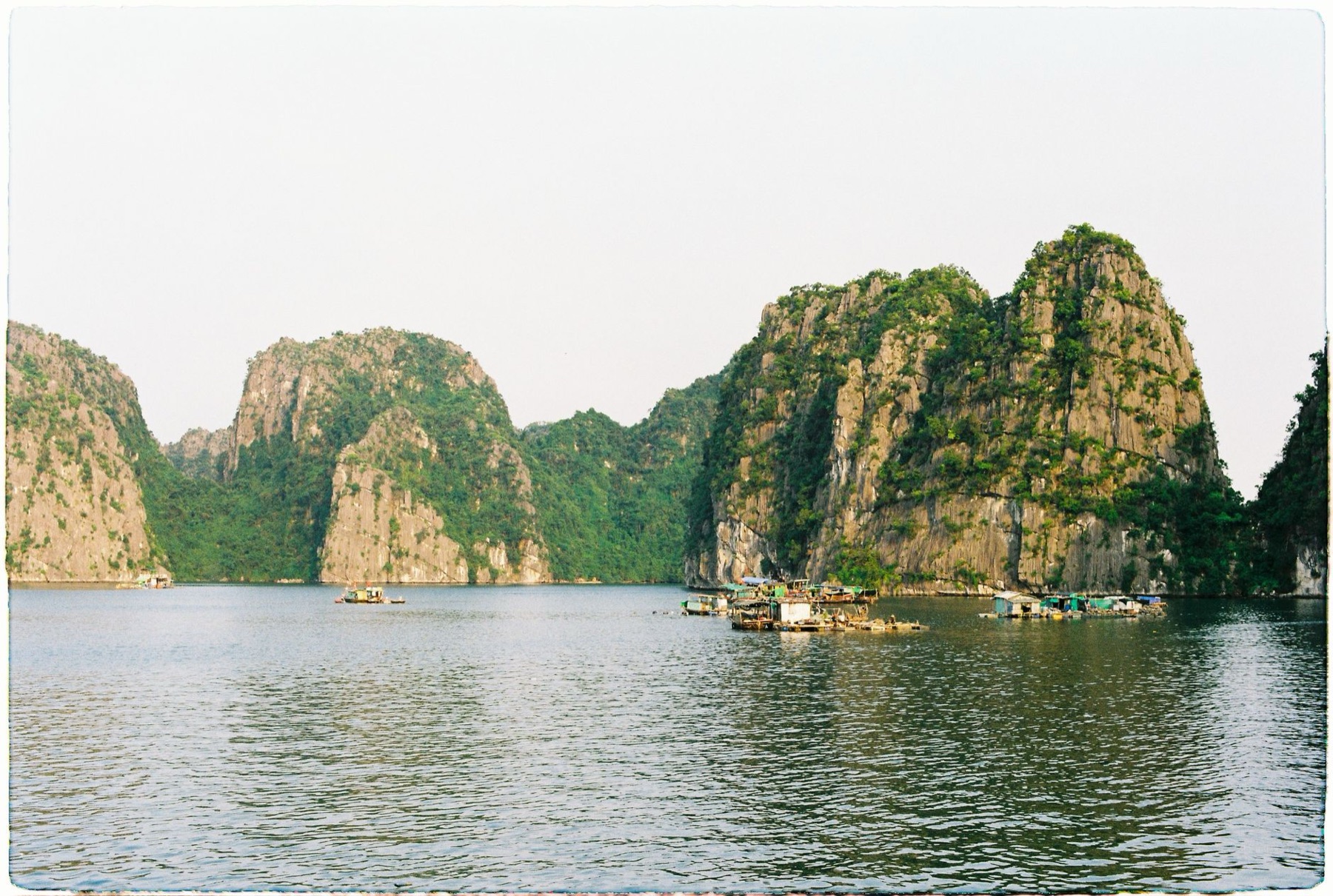
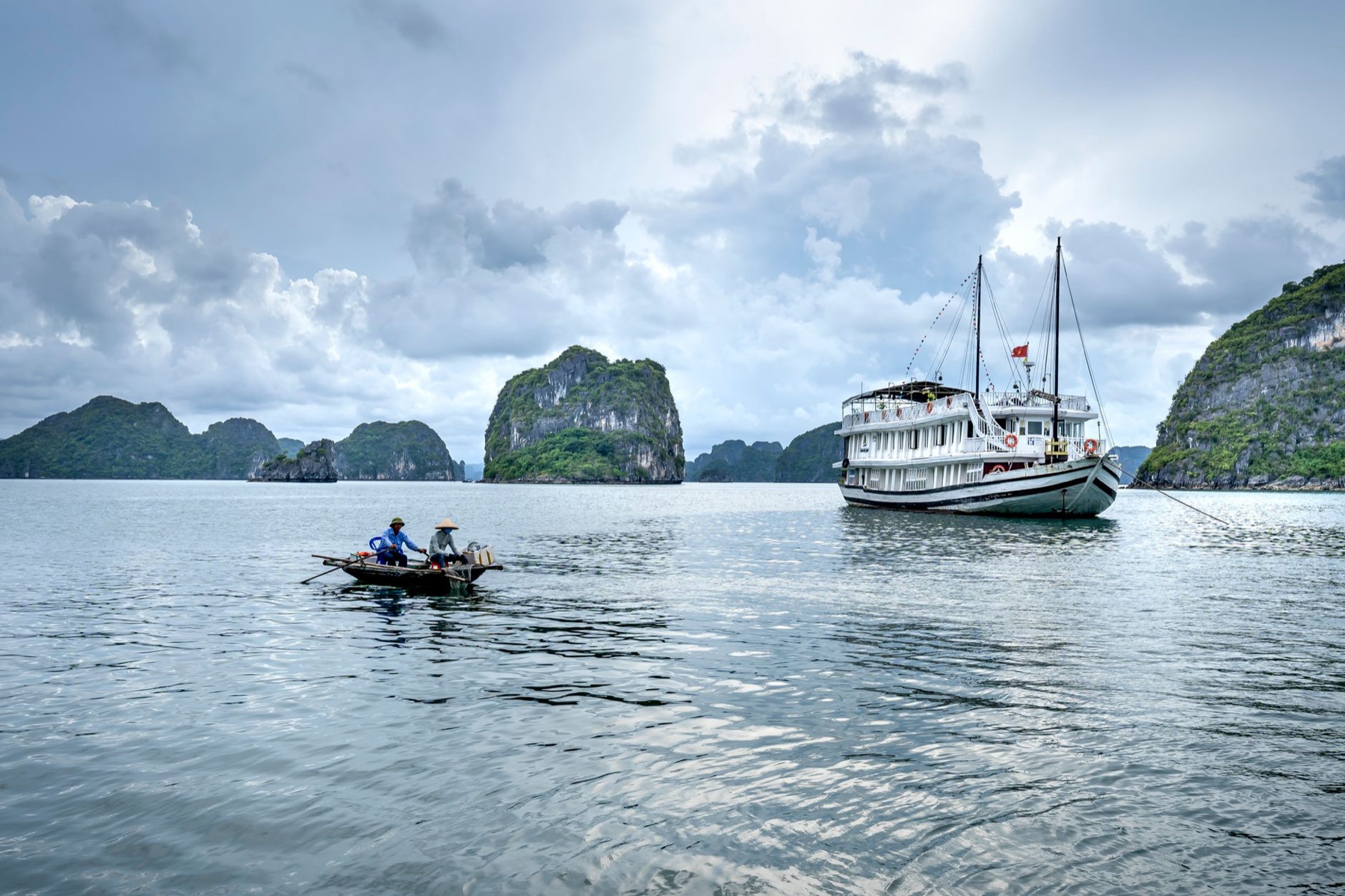
Floating hotels are working junks or purpose-built cruise vessels anchored overnight in the bay, offering water-level views and cultural immersion. Shore hotels sit in Halong City or nearby towns, offering terrestrial amenities, consistent Wi-Fi, and land-based day trips. Floating stays feel adventure-focused; shore stays suit travelers wanting reliability and more facilities. Most first-timers prefer one night floating plus day trips.
Which Ha Long hotel type matches your budget?
Budget travelers (around $30–60 USD per night) book shared-cabin floats or basic shore guesthouses in Bai Chay ward. Mid-range visitors ($60–150 USD) choose private cabin junks or 3–4 star shore hotels with bay views. Luxury guests ($150–400+ USD) opt for boutique floating experiences, overnight cruises with all-inclusive amenities, or premium harborside resorts near the port. Prices include meals on most floating packages; shore hotels charge separately for food.
🗺️ Plan your route: Vietnam itinerary
Should you book a multi-day cruise or one night only?
Multi-day junks (2–3 nights) visit more remote karst formations and fishing villages, suiting adventurers with flexible schedules. Single-night floats are ideal for those squeezing Ha Long into a Hanoi–Sapa itinerary or wanting to test the experience without long commitment. Day-trip shore hotels let you explore limestone caves and kayak from port without sleeping afloat. Solo travelers and small groups often prefer night cruises (built-in social atmosphere); families with young kids or elderly travelers lean shore-based.
| Hotel Type | Best For | Nightly Cost (USD) | Stay Length | Meals Included? | Pros | Cons |
|---|---|---|---|---|---|---|
| Budget float (shared) | Backpackers, solo travelers | $30–60 | 1 night | Breakfast, dinner | Authentic, social | Basic toilets, noise |
| Mid-range float (private) | Couples, groups | $80–150 | 1–2 nights | All meals | Balance comfort & culture | Variable quality |
| Luxury float | Honeymooners, professionals | $200–400+ | 2–3 nights | Fine dining | Premium beds, service | Expensive, fewer spots |
| Shore 3–4 star | Families, those wanting rest | $70–130 | Flexible | No | Solid beds, good Wi-Fi | Miss nighttime bay views |
| Shore luxury resort | High-end leisure | $150–300+ | Flexible | No | Pools, spas, restaurants | Lose the "floating" appeal |
What to check before booking a Ha Long hotel
Cancellation policy: Most floats require 7–14 days notice; check if you're booking through an agent or directly with the operator. Cabin type: Photos lie—ask if your cabin has a porthole, private toilet, or shared facilities. Budget floats often have two bunk beds in tight quarters. Meal quality: Floating hotels serve repetitive seafood; ask whether vegetarian, halal, or allergy meals are available. Activity inclusions: Some include kayaking and cave entry; others charge $10–20 USD extra per activity. Wi-Fi reliability: Shore hotels have steady connection; floats have spotty 3G. If you're working remotely, ask about signal strength. Pickup location & timing: Port pickups in Halong City (two hours south of Hanoi) happen early morning. Confirm your hotel provides transport or arrange it yourself ($15–25 USD via local taxi apps). Seasickness risk: Overnight bay cruises rock in monsoon season (May–September); ask about cabin location (center = less sway) and tablet availability.
📸 Book an ao dai photoshoot in Hanoi or Saigon (Cáo Studio)
How to avoid common Ha Long hotel booking mistakes
Mistake 1: Booking through unlicensed agents. Many Hanoi hostels offer cheap "Ha Long tours" routed through middlemen who pocket commission and assign low-quality vessels. Book direct with the junk operator or via established travel sites to verify boat standards.
Mistake 2: Expecting luxury on a budget float. $40–50 USD per night buys clean bedding and decent meals, not air-conditioning or private showers. Reframe budget floats as "authentic cultural stays," not budget-luxury hybrids.
Mistake 3: Ignoring weather seasonality. November–April offers calm seas and clear skies; May–October brings typhoon risk, rain, and heat. Check the forecast two weeks before; consider rescheduling or moving to shore if rough swells are forecast.
Mistake 4: Overstaying the novelty. Three nights on a junk feels adventurous; four nights feels repetitive. One night floating plus one night shore-based often balances novelty and comfort better than a full cruise.
Mistake 5: Not confirming group size before arrival. Floating hotels overbook during peak season (December–February, July–August). Confirm your exact cabin assignment and bunk count at check-in; insist on a dedicated space if promised.
| Decision Framework | Your Answer | Recommended Hotel Type |
|---|---|---|
| First time to Ha Long? | Yes | 1-night mid-range float + 1-night shore hotel |
| No (seen it before) | Luxury float or day-trip shore hotel | |
| How many nights available? | 1 night | Float or day-trip from shore hotel |
| 2+ nights | Multi-night cruise or shore base with day trips | |
| Traveling with kids under 10? | Yes | Shore 3–4 star hotel near port |
| No | Float or cruise | |
| Budget constraint? | Under $60/night | Budget float |
| $60–150/night | Mid-range float or shore 3–4 star | |
| $150+/night | Luxury float or premium resort | |
| Need reliable Wi-Fi for work? | Yes | Shore hotel (4+ star) |
| No | Float (any level) | |
| Prone to seasickness? | Yes | Shore hotel (center or harborside) |
| No | Float (any cabin) |
🎟️ Compare tours & tickets for this place
Real costs: what you'll actually pay for Ha Long accommodation
A budget overnight float including pickup from Hanoi, meals, and cave entry runs around $60–90 USD per person. Mid-range floats with private cabins cost $120–180 USD. Luxury junk cruises exceed $250 USD. Shore hotels near Halong City port are $70–250 USD depending on star level. Flights to Hanoi, taxi from airport, and meals outside your hotel aren't included; budget another $200–400 USD for a 4-day Ha Long trip for one person.
Most booking platforms (and agents in Hanoi backpacker zones) apply a $10–30 markup; direct booking with the junk operator sometimes saves 10–15%. Shoulder season (April–May, September–October) offers lower rates than peak.
---
Related destinations and next steps
After Ha Long, many visitors head to Hanoi (3 hours by car), Ninh Binh (a slower, less touristy alternative with similar limestone scenery), or Sapa (mountain trekking). A Vietnam itinerary planner helps chain these together without backtracking.
If you're staying on a junk, carry a small Vietnam eSIM for offline maps and emergency contact. And if you want to commemorate your Ha Long memories, consider an ao dai photoshoot in Hanoi or Saigon with Cáo Studio—Ha Long sunsets make stunning backdrops before you head out.
For more detail on caves, kayaking routes, and the bay's geology, see our Ha Long Bay guide.
FAQ
What's the real difference between a "junk" and a "cruise vessel" at Ha Long?
Junks are traditionally-styled wooden boats (often purpose-built replicas) with low capacity and slower speeds, ideal for immersion. Cruise vessels are modern ships with more beds and amenities, faster navigation, and higher capacity. Both anchor overnight and visit the same caves; junks feel more intimate, vessels offer more comfort and services.
Is one night on a Ha Long float enough, or should I do two?
One night covers the main experience: sunset, cave exploration, and dawn on the water. A second night adds fishing village visits and fewer crowds but repeats the schedule. Most first-timers find one night ideal; return visitors upgrade to luxury two-night cruises for refinement rather than duration.
Do I need to book Ha Long hotels in advance, or can I arrange it in Hanoi?
Booking 7–10 days ahead ensures cabin choice and competitive rates. Arranging in Hanoi hostels day-of often means last-minute availability on lower-rated vessels and higher prices. Peak season (December–February) requires two weeks' notice to avoid disappointment.
What happens if I get seasick on a floating hotel?
Motion sickness is real in monsoon season (May–September). Request a cabin amidships (less rocking), take over-the-counter tablets before boarding, and eat ginger biscuits. If severe, move to a shore hotel and do day-trip kayaking instead. No shame in the swap.
Are meals on floating hotels vegetarian-friendly?
Most junks serve seafood-heavy Vietnamese menus. Alert your operator 48 hours before boarding if you're vegetarian or vegan; they'll substitute tofu, vegetables, and rice. Expect repetition (same dishes three meals across two days). Shore hotels offer more variety if dietary restrictions are strict.
FAQ
What's the real difference between a "junk" and a "cruise vessel" at Ha Long?
Junks are traditionally-styled wooden boats (often purpose-built replicas) with low capacity and slower speeds, ideal for immersion. Cruise vessels are modern ships with more beds and amenities, faster navigation, and higher capacity. Both anchor overnight and visit the same caves; junks feel more intimate, vessels offer more comfort and services.
Is one night on a Ha Long float enough, or should I do two?
One night covers the main experience: sunset, cave exploration, and dawn on the water. A second night adds fishing village visits and fewer crowds but repeats the schedule. Most first-timers find one night ideal; return visitors upgrade to luxury two-night cruises for refinement rather than duration.
Do I need to book Ha Long hotels in advance, or can I arrange it in Hanoi?
Booking 7–10 days ahead ensures cabin choice and competitive rates. Arranging in Hanoi hostels day-of often means last-minute availability on lower-rated vessels and higher prices. Peak season (December–February) requires two weeks' notice to avoid disappointment.
What happens if I get seasick on a floating hotel?
Motion sickness is real in monsoon season (May–September). Request a cabin amidships (less rocking), take over-the-counter tablets before boarding, and eat ginger biscuits. If severe, move to a shore hotel and do day-trip kayaking instead. No shame in the swap.
Are meals on floating hotels vegetarian-friendly?
Most junks serve seafood-heavy Vietnamese menus. Alert your operator 48 hours before boarding if you're vegetarian or vegan; they'll substitute tofu, vegetables, and rice. Expect repetition (same dishes three meals across two days). Shore hotels offer more variety if dietary restrictions are strict.