Ha Long Bay · Where to stay
Ha Long Hotels: Types, Prices & What to Book in 2026
By Wander in Vietnam editorial team · Hanoi, Vietnam
Ha Long Bay draws visitors worldwide, but accommodation confusion often starts the planning process. Should you sleep on a cruise? Stay in town? Book a resort? Each choice changes what you see, spend, and experience. We'll walk through every option, real costs, and which actually delivers.
What's the real difference between cruise cabins and shoreside hotels?
Cruise cabins let you wake up anchored among karst formations—no morning commute to the bay. However, you're locked into a tour itinerary, confined to cabin size, and pay per night and tour package. Shoreside hotels give you freedom to explore independently, eat where you want, and rest between activities—but you'll travel 45–90 minutes to major sites each day. Cruise cabins suit bucket-listers; shoreside suits explorers and budget travellers.
🗺️ Plan your route: Vietnam itinerary
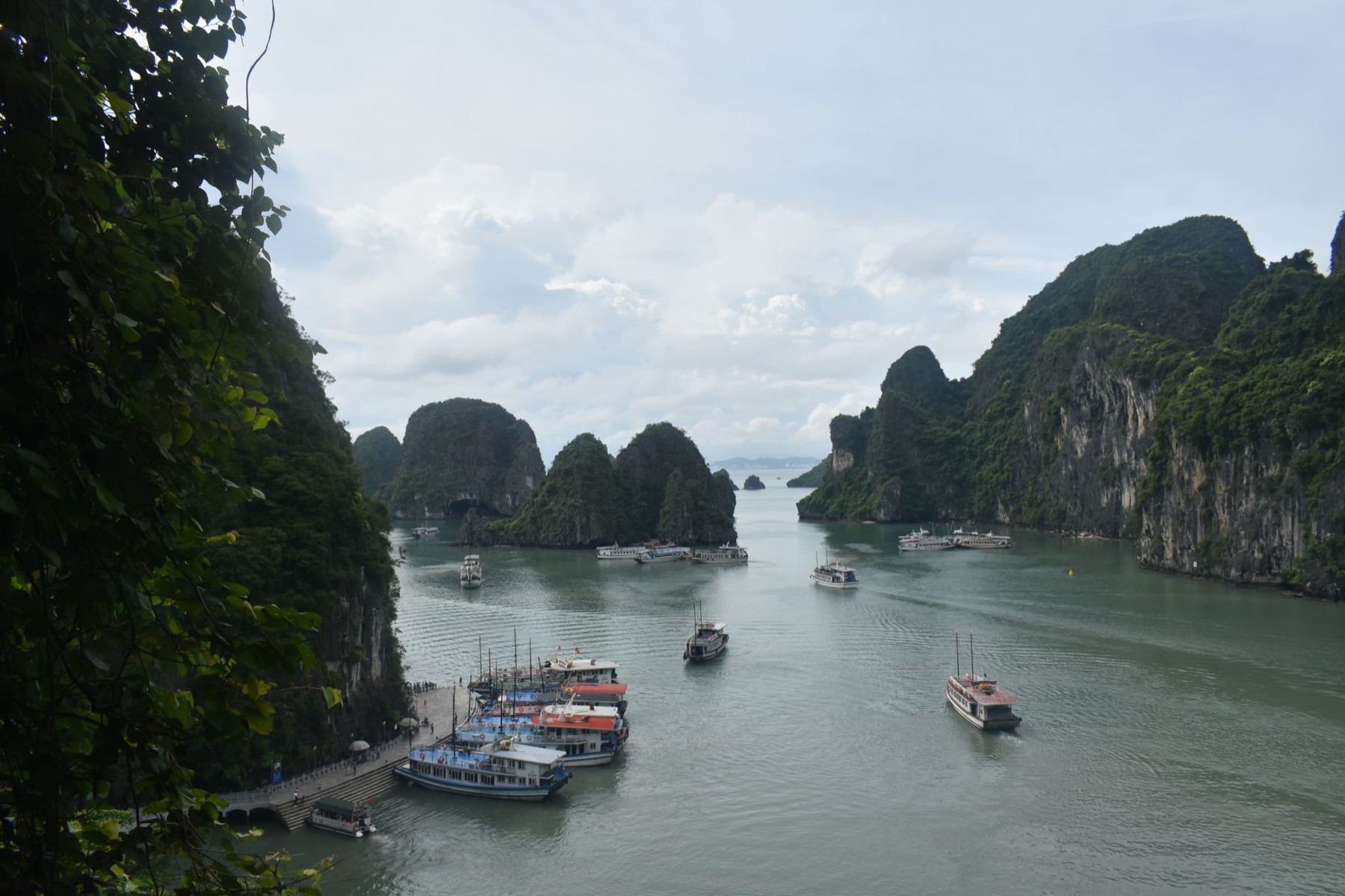
Which Ha Long hotel zone makes the most sense for your trip?
Ha Long City (the port town) offers the widest budget range ($25–80 USD/night guesthouses, $80–150 resorts). It's where ferries dock, so tours leave from here—convenience matters. Hotels cluster near the waterfront (District 1, Tran Quang Khai Street area) and inland. Downside: the city itself has concrete charm, not natural beauty.
Cat Ba Island (45 km from Ha Long City, reached by ferry) has hostel row (Cat Ba Town), midrange hotels scattered across the island, and a few higher-end resorts. It's quieter, with hiking, beaches, and a younger backpacker vibe. Ferries to the bay leave from here too, so location isn't worse—just different energy.
On the water (cruise cabins): You sleep in the bay but lose control of your schedule. Best for fixed itineraries; worst for flexibility.
Comparison by zone:
| Zone | Budget ($) | Atmosphere | Tour Access | Best For |
|---|---|---|---|---|
| Ha Long City | $25–150 | Busy, commercial | Immediate | First-timers, large groups |
| Cat Ba Island | $20–120 | Laid-back, younger | Ferry-dependent | Backpackers, island time |
| Cruise cabin | $100–300+ | Exclusive, slow travel | Built-in | Luxury seekers, limited time |
🎟️ Compare tours & tickets for this place
How much should you actually budget for a night?
Budget tier ($25–45 USD): Fan-only guesthouses, shared bathrooms in backpacker zones. Booking apps often show 3–4-star ratings; go in-person first if possible. Clean, minimal, functional. Expect noise from street or adjacent rooms.
Midrange ($50–120 USD): Private room, air-con, en-suite bathroom, basic breakfast. These often include tour desk perks—discounted packages or group bookings. Quality varies wildly; recent traveller feedback matters more than star ratings.
Upper-midrange to luxury ($150–300+ USD): Resort-style properties with pools, restaurants, bay views. Cruise packages dominate this segment. Breakfast and sometimes tours included.
Real example breakdown (2026 approximate costs):
- 3-night budget guesthouse (Cat Ba): around $75–120 USD total + meals (around $5–8 USD daily street food, $12–20 USD restaurants)
- 3-night midrange hotel (Ha Long City): around $150–270 USD + meals
- 3-night cruise cabin: around $300–600+ USD (meals, tours typically bundled)
What to check before you book: Read reviews posted in the last 30 days (not year-old ones). Ask about water quality (saltwater showers common in bay-facing rooms). Confirm breakfast contents—some include only instant noodles. Check WiFi speed if you need to work. Verify tour pickups leave from your hotel or a walkable meeting point.
Which type suits solo travellers, couples, and families?
Solo travellers & backpackers: Hostels and budget guesthouses in Cat Ba Town or Ha Long City's backpacker streets. You'll meet other travellers, split tour costs, and eat cheaply. Cruise cabins (if shared) save money but remove solo privacy. Midrange hotels with tour desks offer safety nets—staff speak English and book outings.
Couples: Midrange hotels with bay views or on-water cruises. Private room, sunset access, romantic angle. Avoid party-zone hostels. Look for properties with restaurants—reduces need to navigate towns together repeatedly.
Families with kids: Resorts with pools and family-sized rooms matter. Ha Long City shoreside hotels often lack pools; Cat Ba has more resort-style options. Cruise cabins can feel cramped with children (noise, small bathrooms). Midrange hotels with extra beds and kitchenettes (rare but exist) ease logistics. Budget guesthouses lack amenities kids might need (high chairs, child safety rails).
See our Hanoi guide and Ha Long Bay guide for context on getting there and what to do once you arrive.
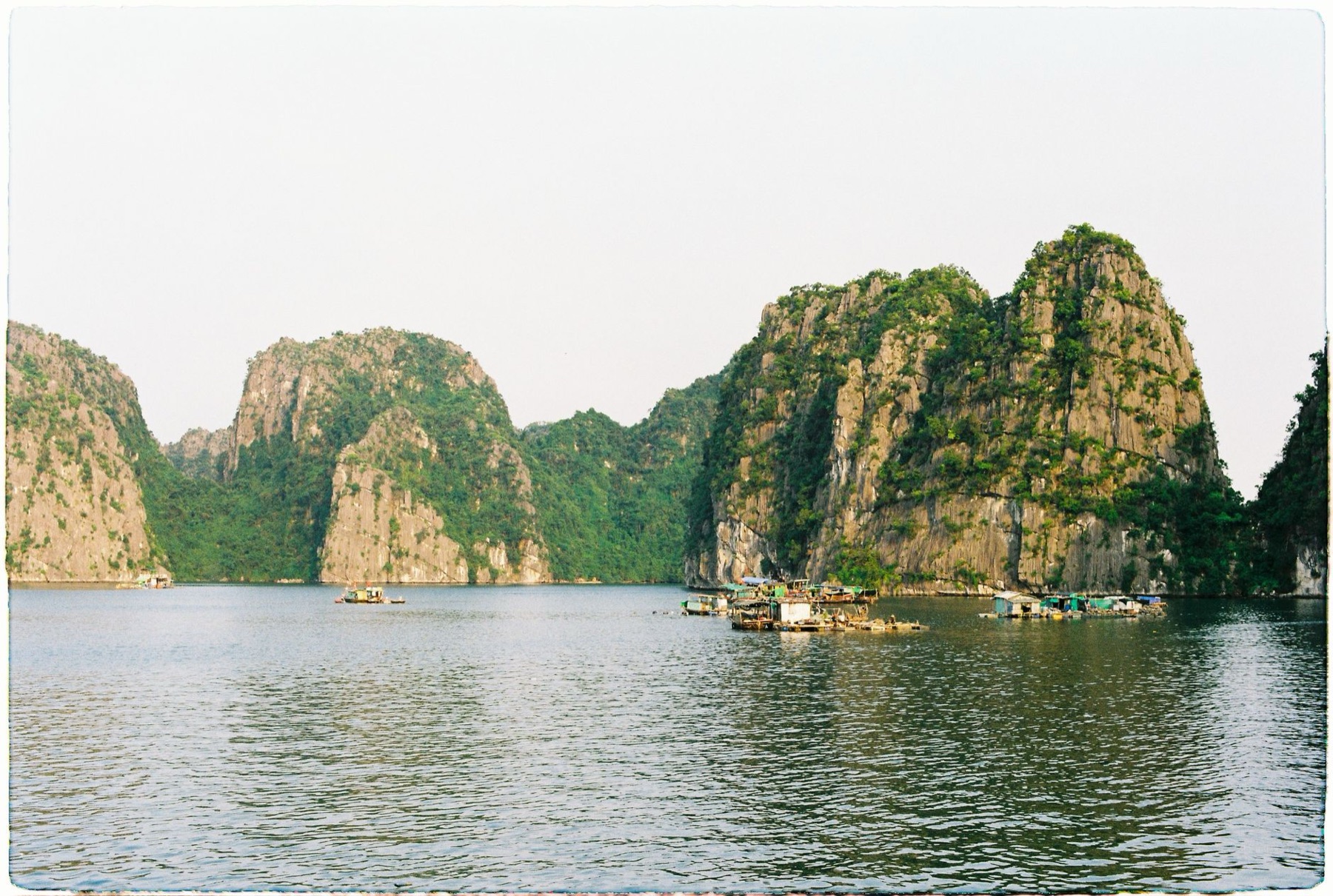
What hidden costs sink the budget between booking and checkout?
Booking platform fees: Direct-booking (hotel website or calling) costs less than third-party apps. Apps add 10–15% surcharges.
Resort taxes & fees: "City tax" ($1–3 USD/night) not shown upfront. Resort adds 5–10% service charge at checkout—not optional.
Tour add-ons: Hotel tour desks mark up official tour prices 10–20%. Book directly with operators or use apps; compare quotes before paying at reception.
Meal upsells: Beach-facing restaurants charge 30–50% more than inland. Eating at the hotel restaurant (if included) avoids surprises.
Ferry costs (if staying in Cat Ba): Around $8 USD return from Ha Long City—add to accommodation budgets.
What actually gets worse if you skip it: Free WiFi listed? Test it first—many hotels claim it but delivery is glacial. Airport transfers ($25–40 USD hired per cab vs. $3–5 USD public bus) matter if arriving late or with heavy luggage.
How do you avoid booking the wrong property?
- Read the last 10 reviews chronologically. Skip summaries; check recent dates. Patterns matter more than one bad review.
- Verify the exact address. Hotels with similar names scatter across Ha Long City. Google Maps the street name (not just hotel name).
- Ask one confirming email 48 hours before arrival. "Is my 30 March booking confirmed? Can you send a pickup time?"
- Check cancellation terms before paying. Non-refundable "deals" lock you in if plans shift—common during weather or visa delays.
- Request a room walk-through photos from the manager. Don't rely on listing images (often 2–3 years old). Video call the hotel.
- Confirm what's actually included. Breakfast listed? Ask menu options. WiFi free? Ask the login method and speed. Tour discount? Get the discount code in writing.
- Book directly or via our Vietnam itinerary planner. Cuts platform fees and gives you the hotel phone number for emergencies.
---
📸 Book an ao dai photoshoot in Hanoi or Saigon (Cáo Studio) — capture your Ha Long trip in traditional Vietnamese dress before you leave.
How does a cruise cabin booking actually work?
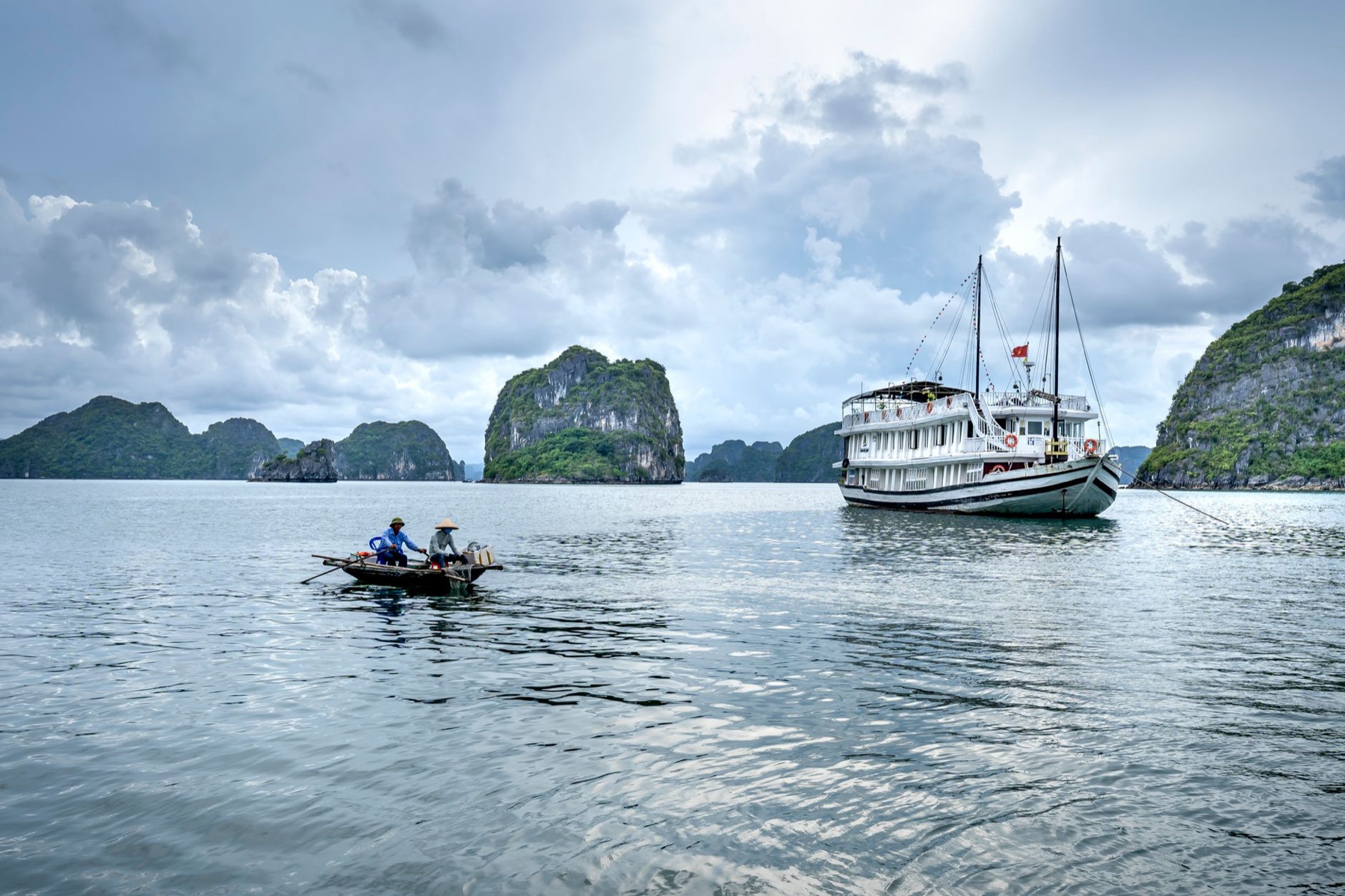
Most cruises bundle 2–4 nights cabin + onboard meals + 2–3 guided tours for one price (around $300–600 USD per person for midrange, higher for luxury). You don't book the cabin separately—you're buying the whole package. Hotels sell cruise packages as middlemen, marking them up 5–15%. Always compare:
- Hotel front desk quote
- Direct cruise operator website
- Booking apps (Viator, GetYourGuide, Klook)
Cruise operators usually offer better rates direct. Onboard cabins are tiny (8–12 sqm), but privacy and the bay view offset it. Meals are basic (Vietnamese, Asian, some Western). Seasickness medication is essential if you're prone—bays rock more than open ocean, and winter winds (Nov–Feb) chop the water.
Our Ha Long Bay guide lists tour operators and detailed itineraries.
---
🎟️ Compare tours & tickets for this place
FAQ
What's the best time to book Ha Long hotels for the cheapest rate?
May–August and late September are off-season; rates drop 20–30% and availability skyrockets. November–February book solid 2–3 weeks ahead for midrange. Avoid Tet (lunar new year, Jan/Feb) unless you're celebrating—prices triple. Check our Vietnam itinerary planner for season timing.
Can you get a refund if your hotel isn't what the photos showed?
Only if you document the mismatch (photos, video) within hours of arrival and escalate to the hotel manager before checkout. Booking platforms refund only if the hotel has a stated cancellation policy allowing it—most don't cover "looks different" claims. Always email confirmation 48 hours ahead and ask for a room preview photo from staff.
Are shoreside hotels cheaper than cruise cabins?
Yes—budget guesthouses ($25–40 USD) and midrange hotels ($60–100 USD) beat cruise cabins ($100–300+ USD). But cruises bundle meals and tours, so the total per-night-plus-meals cost may be comparable. Cruises suit short trips (2–3 nights); hotels suit longer stays (4+ nights) where you control each day.
Do Ha Long hotels include breakfast?
Midrange and higher often do; budget guesthouses rarely. If listed as "included," confirm the menu—some offer only instant noodles and condensed milk coffee. Most restaurants charge $2–4 USD for Vietnamese breakfast (pho, banh mi, sticky rice).
Is it better to book a hotel or a homestay?
Homestays ($20–50 USD) are rare and risky in Ha Long (fewer reviews, no English-speaking staff often). Budget guesthouses are safer—they operate formally, have cancellation policies, and answer emails. Homestays work in Sapa or Ninh Binh; Ha Long's tourism is hotel-based for good reason.
What's the difference between Ha Long City waterfront and inland hotels?
Waterfront pays 20–40% more but offers bay views and instant ferry access. Inland ($30–60 USD) is quieter, still 10–15-minute walk to piers, and serves travellers wanting town rest days. Inland is smarter value; you see the bay on tours anyway.
FAQ
What's the best time to book Ha Long hotels for the cheapest rate?
May–August and late September are off-season; rates drop 20–30% and availability skyrockets. November–February book solid 2–3 weeks ahead for midrange. Avoid Tet (lunar new year, Jan/Feb) unless you're celebrating—prices triple. Check our [Vietnam itinerary planner](/vietnam/itinerary) for season timing.
Can you get a refund if your hotel isn't what the photos showed?
Only if you document the mismatch (photos, video) within hours of arrival and escalate to the hotel manager *before* checkout. Booking platforms refund only if the hotel has a stated cancellation policy allowing it—most don't cover "looks different" claims. Always email confirmation 48 hours ahead and ask for a room preview photo from staff.
Are shoreside hotels cheaper than cruise cabins?
Yes—budget guesthouses ($25–40 USD) and midrange hotels ($60–100 USD) beat cruise cabins ($100–300+ USD). But cruises bundle meals and tours, so the total per-night-plus-meals cost may be comparable. Cruises suit short trips (2–3 nights); hotels suit longer stays (4+ nights) where you control each day.
Do Ha Long hotels include breakfast?
Midrange and higher often do; budget guesthouses rarely. If listed as "included," confirm the menu—some offer only instant noodles and condensed milk coffee. Most restaurants charge $2–4 USD for Vietnamese breakfast (pho, banh mi, sticky rice).
Is it better to book a hotel or a homestay?
Homestays ($20–50 USD) are rare and risky in Ha Long (fewer reviews, no English-speaking staff often). Budget guesthouses are safer—they operate formally, have cancellation policies, and answer emails. Homestays work in [Sapa](/sapa) or [Ninh Binh](/ninh-binh); Ha Long's tourism is hotel-based for good reason.
What's the difference between Ha Long City waterfront and inland hotels?
Waterfront pays 20–40% more but offers bay views and instant ferry access. Inland ($30–60 USD) is quieter, still 10–15-minute walk to piers, and serves travellers wanting town rest days. Inland is smarter value; you see the bay on tours anyway.