Ha Long Bay · Things to do
Ha Long Vietnam: Cruise Types, Costs & What to Book
By Wander in Vietnam editorial team · Hanoi, Vietnam
Ha Long Bay, designated a UNESCO World Heritage Site in 1994, attracts over 1 million visitors annually. Yet most first-time travelers arrive unprepared: they overpay, board overcrowded boats, or miss the bay's quieter zones entirely. This guide cuts through the noise and helps you match your budget, time, and travel style to the right cruise.
What exactly is Ha Long Vietnam's cruise season and best time to visit?
Ha Long Bay operates year-round, but conditions vary dramatically. October through April brings calm seas, clear skies, and 15–20°C (59–68°F) temperatures—ideal for photography and comfort. May to September brings heat (30–35°C / 86–95°F), humidity, and occasional rain, yet fewer tourists and lower prices. If you're sensitive to crowds or heat, aim for November to February. Typhoon season peaks August–September; avoid unless you accept rough seas and potential cancellations. We recommend visiting during shoulder months (October or March–April) for balance.
🗺️ Plan your route: Vietnam itinerary
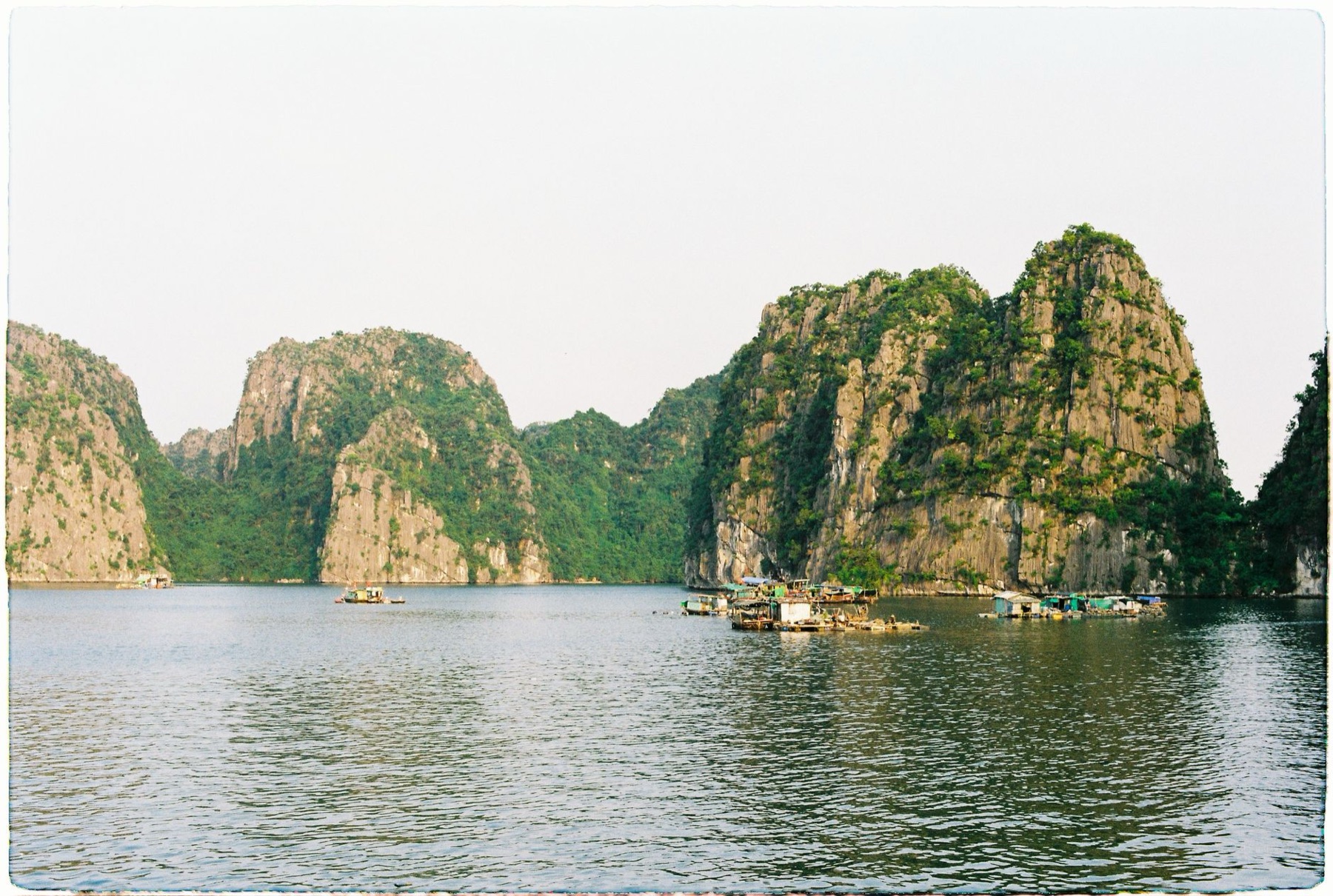
How do day tours, overnight, and luxury cruises differ in experience and value?
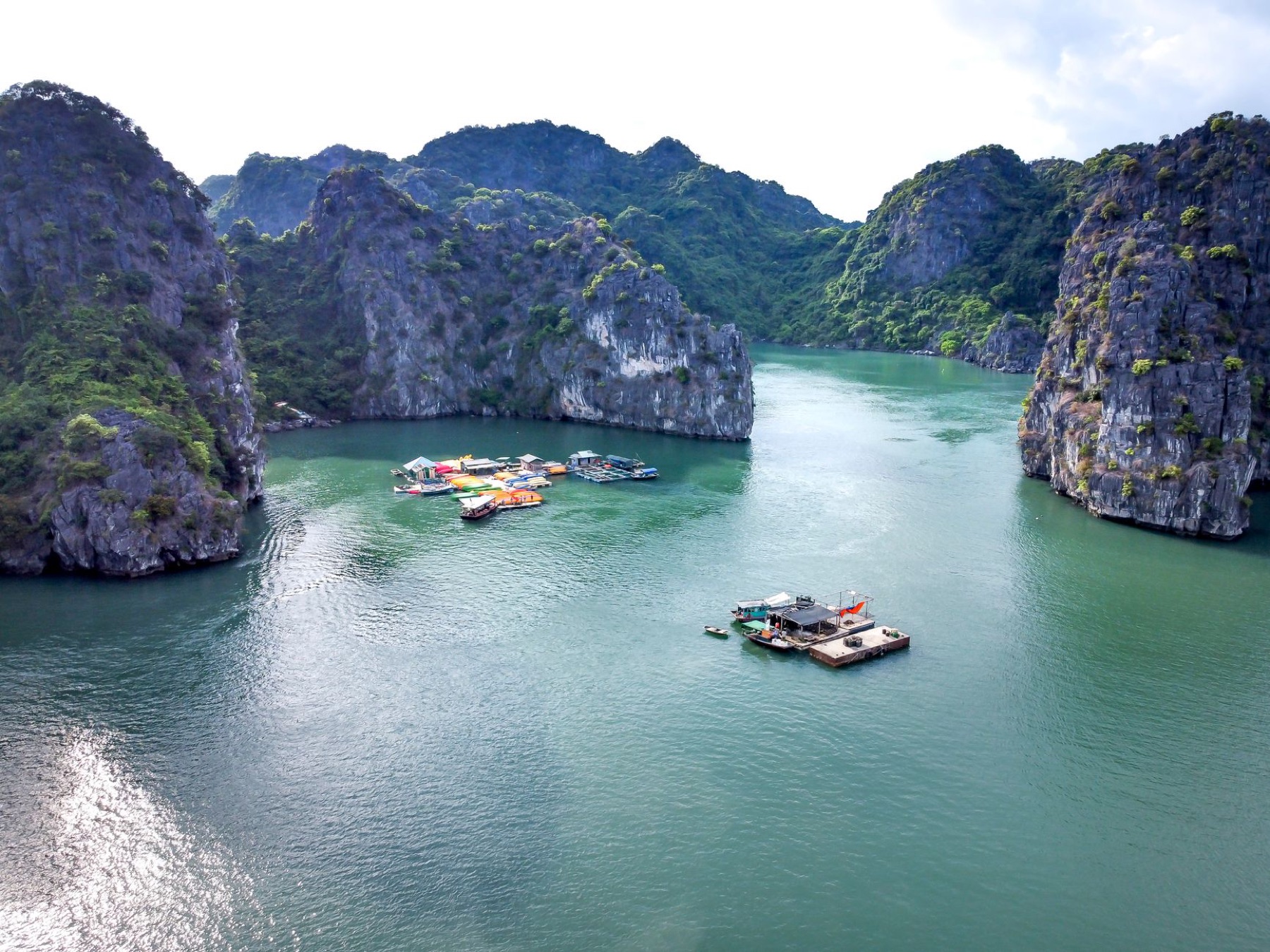
Day Tours depart Halong City at 7–8am, return by 4–5pm. You'll visit Surprise Cave, Titop Island (swimming permitted), and floating villages. Most include lunch and basic amenities. Overcrowded boats carry 100+ passengers; minimal privacy. Cost: around $35–60 USD per person.
Overnight Cruises (1–2 nights) are the sweet spot for most travelers. Smaller vessels (20–50 people) sail quieter anchorages away from day-trip crowds. You'll enjoy sunset dinners, sunrise kayaking, and a night swim beneath stars. Cabins vary: budget shared dorms to private cabins with porthole windows. Cost: around $80–150 USD per person, all-inclusive.
Luxury & Premium Junks (2–4 nights) offer wooden or modern hybrid vessels, spa services, multi-course meals, and exclusive anchorages. Passenger limits (under 20) mean personalized service. Ideal for anniversaries or celebrating milestones. Cost: around $200–500+ USD per person.
| Cruise Type | Best For | Duration | Crowd Size | Est. Cost (USD) | What's Included |
|---|---|---|---|---|---|
| Day tour | Budget travelers, short time | 6–8 hours | 80–150 people | $35–60 | Lunch, cave entry, 1–2 islands |
| Overnight (mid-range) | Families, couples, most visitors | 1–2 nights | 20–50 people | $80–150 | Meals, cabin, kayaking, activities |
| Luxury junk | Honeymooners, special occasions | 2–4 nights | Under 20 people | $200–500+ | Premium meals, spa, exclusive anchorages |
| Floating village tour | Cultural immersion, photography | 4–6 hours | 30–60 people | $40–80 | Floating market visit, local interactions |
🎟️ Compare tours & tickets for this place
What costs should you expect, and where do hidden fees hide?
A transparent overnight cruise quotes a single per-person rate (meals, cabin, activities included). Hidden fees emerge when booking through unvetted third-party agents: fuel surcharges ($5–15), "port taxes" ($10–20 per person), or mandatory "tips for crew" ($20–50). Direct bookings from operators avoid these. Shore excursions like cave entries (around $5–8 per site) and travel insurance (around $2–5 per day) are optional but worth adding. Halong City taxis to the harbor charge around $2–3 USD; negotiate before entering. We always book with operators whose websites display full pricing upfront, then verify that total in writing before departure.
📸 Book an ao dai photoshoot in Hanoi or Saigon (Cáo Studio)
Which cruise operators have the best reputation, and how do you spot the scams?
Reputable operators belong to the Halong Bay tourism authority and operate fleets of 5+ vessels with consistent scheduling. Red flags include:
- Agents offering absurdly low prices (under $50 for overnight): likely budget boats with 100+ passengers and minimal food quality.
- Booking-only agencies (no vessel ownership): they resell spots to multiple operators, creating confusion about which boat you'll board.
- Cash-only payments: use credit cards or bank transfers to leave a paper trail in case of cancellations.
- Vague itineraries: confirm exact islands, meals, cabin type, and passenger count in writing.
- No cancellation policy: legitimate operators offer 7–10 day free cancellation windows.
Established operators (Hanoi-based and Vietnam-registered) usually maintain their own docks and employ permanent crew. Check recent traveler forums and YouTube reviews of actual boarding to assess crowd management and meal quality. We advise booking 3–7 days in advance to secure your preferred dates and confirm vessel details directly by phone.
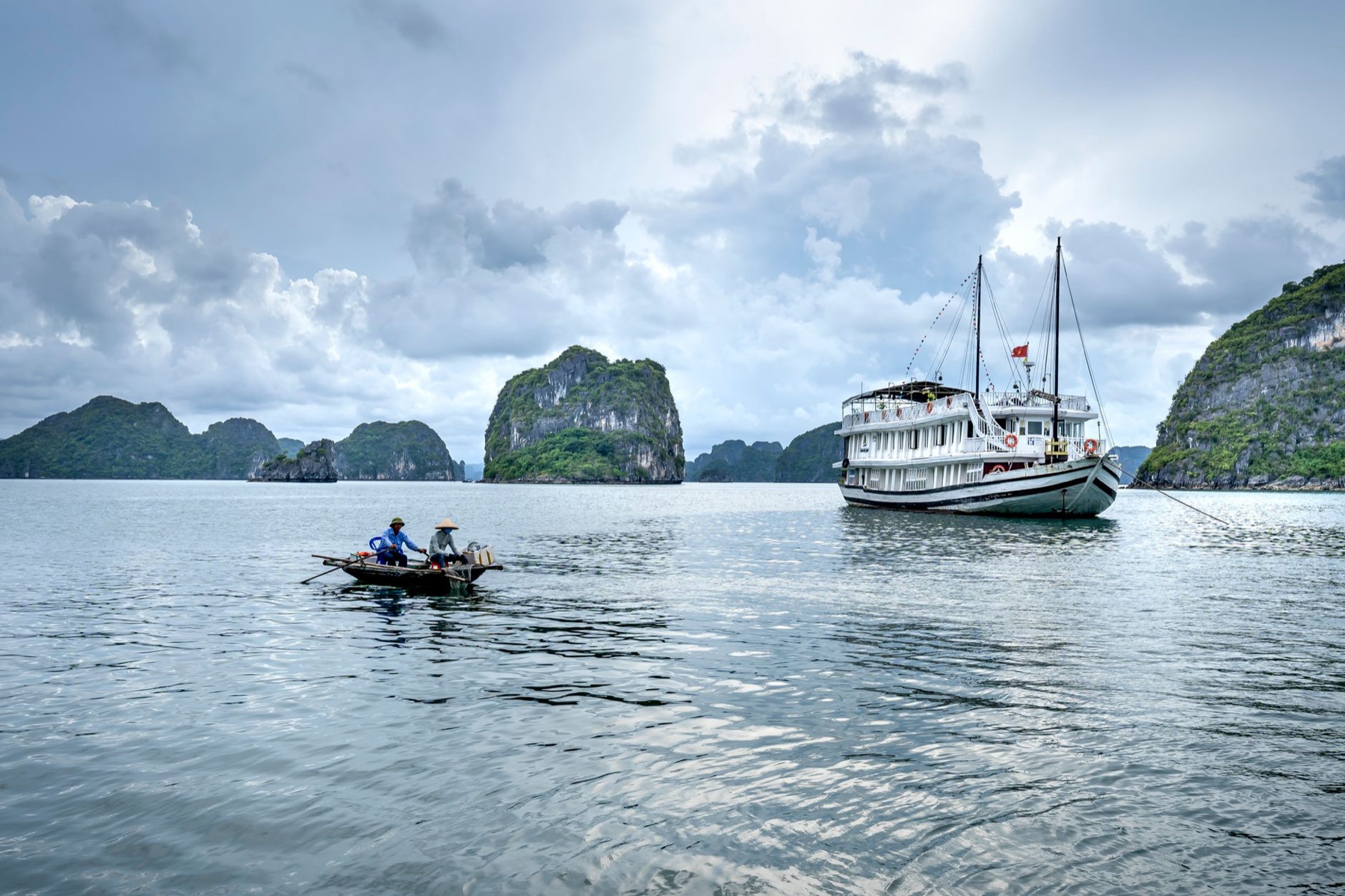
What activities, amenities, and photography spots justify splurging on a better cruise?
Budget day tours stick to the three most-visited sites: Surprise Cave, Titop Island, and one floating village. Overnight cruises add exclusive morning kayaking in narrow limestone channels (a highlight most day tourists miss), private swimming stops, and sunset dining on deck. Premium operators offer cave diving, cooking classes, tai chi on deck, and anchor in remote grottoes inaccessible to large ferries.
Key photography moments: sunrise over the bay (6–6:30am from deck), the dramatic limestone formations during golden hour (4–5pm), and night kayaking by bioluminescent plankton (seasonal, May–September). Luxury cruises schedule morning yoga or tai chi, and you'll have ample time for an ao dai photoshoot on deck—consider booking a professional session with Cáo Studio in Hanoi before departure for portrait shots, then wear it aboard for authentic images.
Onboard amenities matter for multi-day comfort: air-conditioned cabins (essential June–September), hot showers, stable internet (often weak at sea), and a restaurant with both local and Western options. Premium vessels feature in-cabin espresso machines, yoga decks, and spa treatments—luxuries that justify $300+ per night if relaxation is your priority.
How do you actually book, and what should you verify before paying?
Step 1: Define your constraints. Budget? Timeline (1–4 nights)? Mobility needs? Dietary restrictions? Solo, couple, or group?
Step 2: Research 3–4 operators directly. Search "Ha Long Bay cruise operator" + your preferred dates. Visit company websites (not just third-party booking sites). Note vessel names, passenger capacity, cabin photos, and crew reviews.
Step 3: Email or call with these specifics:
- Exact departure/return times and dates.
- Cabin type (single, double, shared dorm?) with bed size.
- All meals listed daily (breakfast, lunch, dinner, snacks).
- Activities included (kayaking, cave entry, swimming, etc.).
- Passenger count and crew-to-guest ratio.
- Cancellation policy in writing.
- Whether tips are "recommended" or mandatory.
Step 4: Cross-check via recent reviews. Read 10+ recent reviews on TripAdvisor or YouTube tour vlogs. Look for comments on food quality, crowd management, and whether included activities actually happen.
Step 5: Book via credit card or bank transfer. Request a written confirmation email specifying everything above. Confirm 48 hours before departure.
Step 6: Arrive early. Buffer 2–3 hours before departure for check-in, weather briefing, and safety drills.
What to check before you buy
- Vessel age and maintenance records: Older boats (20+ years) without recent renovations may feel tired; ask about last major repairs.
- Passenger reviews mentioning food: Food quality separates $100 and $250 overnight cruises more than amenities.
- Kayaking conditions: If kayaking is your must-do, confirm the guides are certified and group sizes are under 8 per guide.
- Accessibility: Multi-deck vessels with stairs are challenging for mobility issues; confirm elevator or ground-floor cabin access.
- Refund terms: COVID and weather cancellations should offer date changes or refunds, not credits.
---
Planning your wider Vietnam trip?
Ha Long Bay pairs naturally with a Hanoi guide (3 hours south by car or minibus, around $10–15 USD one way) for a longer northern Vietnam arc. Consider extending to Ninh Binh (2 hours south of Hanoi, similar limestone scenery on calmer waters) or heading southeast to Hoi An (domestic flight or 12-hour bus, 1.5 hours from Ho Chi Minh City). Use our Vietnam itinerary planner to sequence these efficiently. If you're staying in Hanoi before or after, book a cultural ao dai photoshoot in Hanoi to capture formal portrait shots, then bring the outfit aboard your cruise for candid sunset images.
For seamless connectivity onboard (internet is spotty at sea), consider a Vietnam eSIM activated before departure. If you haven't secured your visa, apply for a Vietnam e-visa at least 3 days before travel.
---
FAQ
Is it safe to swim in Ha Long Bay?
Yes, designated swimming stops are safe and monitored by crew. Water temperature ranges 15–20°C (October–April) to 28–30°C (May–September). Avoid swimming near busy shipping lanes; stick to operator-designated spots. Life jackets are provided. Inform crew if you have mobility or health concerns before swimming.
Do overnight cruises serve vegetarian or allergy-friendly meals?
Most operators accommodate vegetarian diets with advance notice (mention when booking). Seafood allergies are taken seriously; confirm ingredient sourcing in writing. Western-style vegan options are less common; pack snacks if dietary needs are strict or specialized.
What's the difference between a "junk" and a modern cruise boat?
Traditional junks have sails and wooden hulls, evoking romance but offering less stability and privacy. Modern hybrid vessels have sail designs but diesel engines, air conditioning, and private cabins. Both visit the same sites; junks appeal to travelers prioritizing aesthetics, while hybrids prioritize comfort.
How crowded is Ha Long Bay in peak season (December–January)?
Peak months see 1,000+ tourists daily; major sites (Surprise Cave, Titop Island) feel congested with 100+ people per landing. Overnight cruises escape crowds by anchoring in quieter zones at night. Day tours in peak season are packed; consider visiting October–November or March–April instead for better photography light and fewer people.
Can I reach Ha Long Bay without a tour, exploring independently?
Halong City is reachable by car, bus, or train from Hanoi (2–3 hours), but there is no independent public ferry system for tourists. All scenic bay access is via organized tours. Solo travelers can book a last-minute day tour in Halong City on arrival, though overnight cruise availability may be limited. We recommend booking 3+ days ahead to secure your preferred vessel.
What's included in the price, and what costs extra?
Most cruise quotes include meals, cabin, basic activities, and cave/site entry fees. Extra costs: travel insurance (optional, around $2–5/day), tips for crew (suggested $5–10/day, sometimes labeled mandatory), alcoholic drinks (pay per item on ship), and souvenir purchases at floating markets or ports.
FAQ
Is it safe to swim in Ha Long Bay?
Yes, designated swimming stops are safe and monitored by crew. Water temperature ranges 15–20°C (October–April) to 28–30°C (May–September). Avoid swimming near busy shipping lanes; stick to operator-designated spots. Life jackets are provided. Inform crew if you have mobility or health concerns before swimming.
Do overnight cruises serve vegetarian or allergy-friendly meals?
Most operators accommodate vegetarian diets with advance notice (mention when booking). Seafood allergies are taken seriously; confirm ingredient sourcing in writing. Western-style vegan options are less common; pack snacks if dietary needs are strict or specialized.
What's the difference between a "junk" and a modern cruise boat?
Traditional junks have sails and wooden hulls, evoking romance but offering less stability and privacy. Modern hybrid vessels have sail designs but diesel engines, air conditioning, and private cabins. Both visit the same sites; junks appeal to travelers prioritizing aesthetics, while hybrids prioritize comfort.
How crowded is Ha Long Bay in peak season (December–January)?
Peak months see 1,000+ tourists daily; major sites (Surprise Cave, Titop Island) feel congested with 100+ people per landing. Overnight cruises escape crowds by anchoring in quieter zones at night. Day tours in peak season are packed; consider visiting October–November or March–April instead for better photography light and fewer people.
Can I reach Ha Long Bay without a tour, exploring independently?
Halong City is reachable by car, bus, or train from Hanoi (2–3 hours), but there is no independent public ferry system for tourists. All scenic bay access is via organized tours. Solo travelers can book a last-minute day tour in Halong City on arrival, though overnight cruise availability may be limited. We recommend booking 3+ days ahead to secure your preferred vessel.
What's included in the price, and what costs extra?
Most cruise quotes include meals, cabin, basic activities, and cave/site entry fees. Extra costs: travel insurance (optional, around $2–5/day), tips for crew (suggested $5–10/day, sometimes labeled mandatory), alcoholic drinks (pay per item on ship), and souvenir purchases at floating markets or ports.