Hanoi · Itinerary
Hanoi 2 Days Itinerary: What to Actually See & Do
By Wander in Vietnam editorial team · Hanoi, Vietnam
How much time do you really need in Hanoi—is 2 days enough?
Two days isn't ideal, but it's survivable if you ditch tourist theater. You'll see the essential Hanoi: the compressed, chaotic beauty of the Old Quarter; at least one temple with real history; decent coffee and pho eaten standing up or at a plastic stool; and one quiet moment by water. You won't "finish" Hanoi—no one does—but you'll touch why people stay.
The trap: over-booking. Hanoi runners, cyclo tours, cooking classes, museums, and hill-tribe village half-day trips all compete for your calendar. Pick three things you care about. Delete the rest.
🗺️ Plan your route: Vietnam itinerary
Day 1 itinerary: Old Quarter, lake, temple, street food—where to walk
Morning (6:30–11:00 a.m.)
Start before 7 a.m. The Old Quarter isn't pretty at that hour; it's real. Shop shutters still down. Delivery bikes stacked three high. Locals doing tai chi by Hoan Kiem Lake (Lake of the Returned Sword). Walk the eastern shore—no vendors yet, just water and old trees.
Breakfast: Find a pho place opening around 6:30 a.m. in the blocks between Hang Manh and Hang Ngang streets. A bowl costs around 40,000–60,000 VND ($1.60–$2.40 USD). The good ones are crowded, plastic stools, no English menu. Order by pointing. Eat standing or perched on a stool not meant for Western knees.
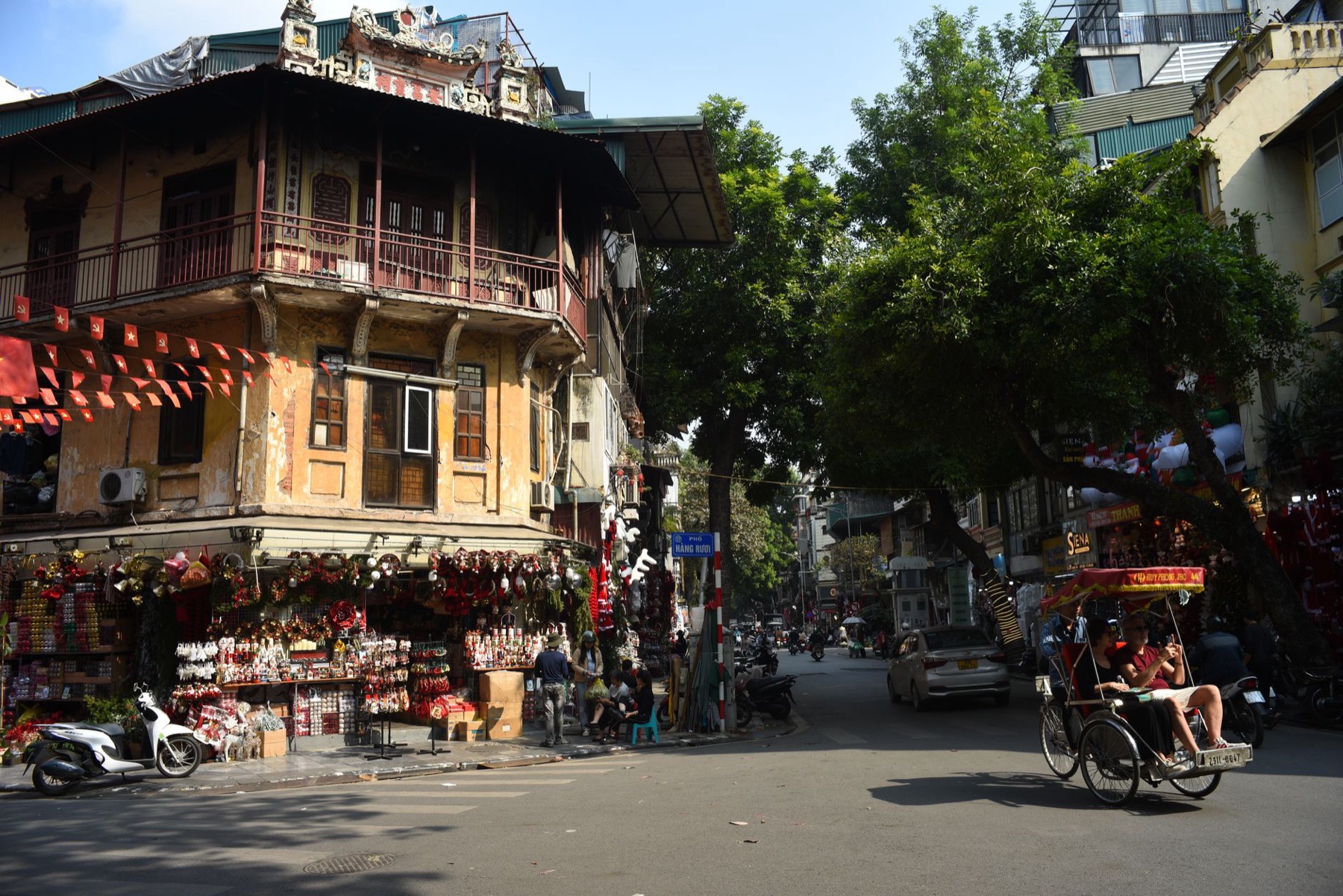
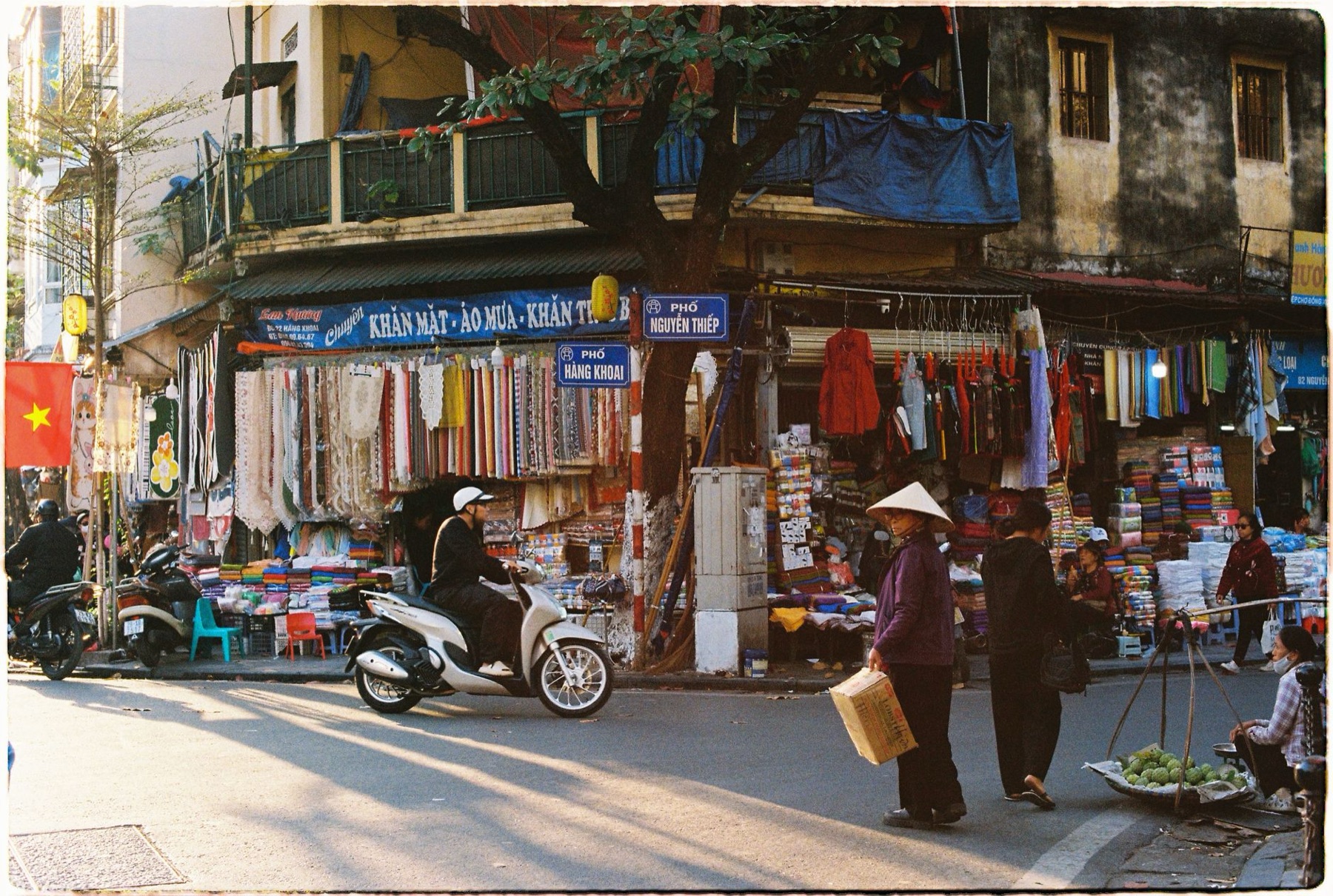
Walk north into the Old Quarter proper. Streets are named by trade: Hang Gai (silk), Hang Bac (silver), Hang Dieu (poultry). Most now sell tourist souvenirs, but the structure is medieval—narrow, steep-sided, claustrophobic. Wander tangentially. Duck into side alleys. You'll find lacquerware workshops, herbal medicine shops, and one place selling only Buddha statues made of concrete. This aimlessness is the point.
By 10 a.m., hit the Temple of Literature (Van Mieu). Entry around 30,000 VND ($1.20 USD). Arrive before 10:30 a.m. or groups descend. This is Vietnam's first university, built 1070. Four courtyards, stone tortoise stelae, a pond, and an actual library. It's less frantic than Hoan Kiem, genuinely calm. Spend 75 minutes here.
Midday (11:00 a.m.–2:00 p.m.)
Walk south through the Ba Dinh area toward the French Quarter. Stop for lunch in a local pho or bun (noodle bowl) place—not a "restaurant" with English prices, but a hole-in-wall. Around 50,000–80,000 VND ($2–$3.20 USD). Sit, eat, move.
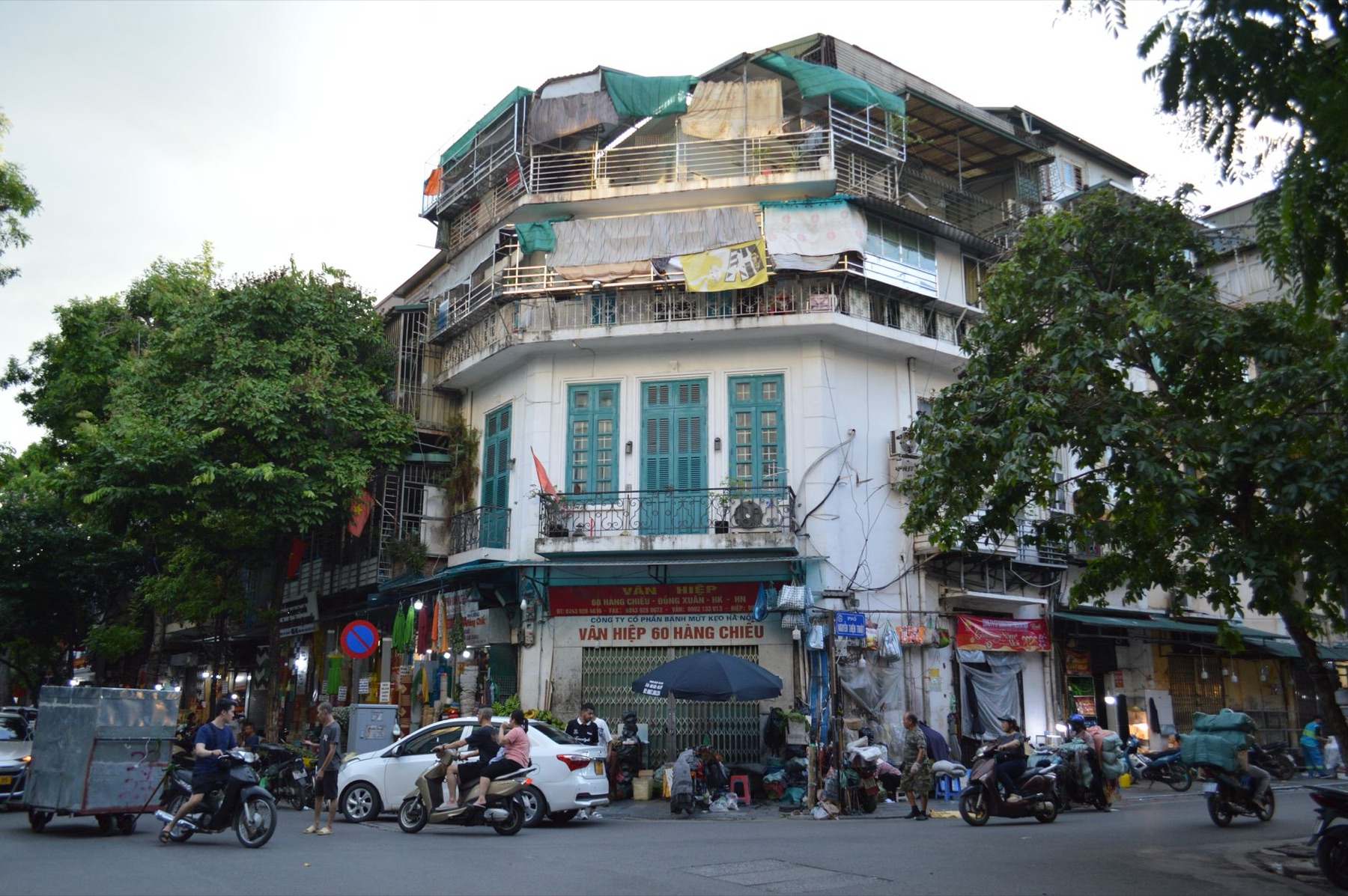
Duck into the French Quarter's tree-lined streets. This was Hanoi's colonial spine—tree-shaded villas, shuttered windows, a different century bleeding through. The architecture is a palimpsest. Post offices, embassies, cafés. Walk aimlessly. Take photos of faded facades. Time slows here.
Afternoon (2:00–5:00 p.m.)
Option A: Visit a museum. The Vietnam National Museum of History is solid if you care about dynasties and artifacts. Plan 90 minutes. Entry around 40,000 VND ($1.60 USD). Or skip museums entirely and return to the Old Quarter—find a side street café (coffee shop), order a ca phe sua (iced milk coffee, around 25,000–35,000 VND / $1–$1.40 USD), and watch the day's chaos build.
Option B: Cycle or walk to Tran Quoc Pagoda (pronounced "Tran Kwok"). It's on an islet in West Lake, accessible via a causeway. Oldest pagoda in Hanoi (6th century, though rebuilt many times). Admission free or small donation. Serene, far fewer tourists than central temples. Cycle takes 20–30 minutes from the Old Quarter; walk is an hour. Worth it for the quiet.
Evening (5:00–9:00 p.m.)
Return to the Old Quarter or nearby Ta Hien Street (the "backpacker" strip, but with good street food). Find a stool vendor selling com tam (broken rice, around 40,000–60,000 VND / $1.60–$2.40 USD) or grilled fish wrapped in dill. Eat with your hands if it's packaged that way. Drink bia hoi (fresh local beer, 5,000–10,000 VND / $0.20–$0.40 USD per glass) at a plastic table on the street.
Watch the night market setup. By 8 p.m., the Old Quarter becomes a carnival of night vendors, neon, motorbike honking, and group tours trying to herd people into restaurants. It's controlled chaos. Decide if you love or hate it within an hour, then retreat to a quieter neighborhood.
Sleep: Stay in the Old Quarter (immersive) or Ba Dinh area (quieter, still central).
Day 2 itinerary: West Lake, pagoda, temples, slower pace
Morning (7:00–11:00 a.m.)
Rent a bicycle (motorbike if confident). Head to Tran Quoc Pagoda if you didn't yesterday. Or walk the West Lake (Tay Ho) perimeter. It's a 7 km loop; rent a bike and do 2–3 hours. Breakfast at a lakeside café around 8 a.m. Egg coffee (a Hanoi specialty—raw egg and condensed milk whipped into a crown on hot coffee, around 40,000–50,000 VND / $1.60–$2 USD) is worth the hype exactly once.
The lake offers breathing room. Fishing boats, water plants, occasional temples tucked into the shore. Stop at Quan Thanh Temple (Tran Phu Street, West Lake's southern shore). Free entry. Built 1010, dedicated to Tran Vu, a guardian deity. Dark wood, incense, the hum of a living temple, not a museum.
Wander the Tay Ho neighborhood itself. Expat haven now, but the backstreets have old villas, flower shops, and family restaurants. Less aggressively touristed than the Old Quarter.
Late Morning (11:00 a.m.–1:00 p.m.)
Lunch lakeside at a local pho or crab noodle soup place (bun cua). Around 60,000–100,000 VND ($2.40–$4 USD). Or grab banh mi (Vietnamese sandwich, 20,000–35,000 VND / $0.80–$1.40 USD) from a street vendor.
Afternoon (1:00–5:00 p.m.)
Rest, or do one more thing. Options:
- Ho Tay Water Park or the lakeside if weather permits (swimming is not typical for tourists; wading, photos).
- Visit a small neighborhood museum (e.g., Ho Chi Minh Mausoleum complex, though security and queues are heavy; plan 2 hours).
- Cycle back toward Ba Dinh and explore residential streets.
- Skip it and work, read, or sit in a café.
Evening (5:00–9:00 p.m.)
Dinner: Avoid the tourist zone. Cross to a neighborhood restaurant in Ba Dinh or Hai Ba Trung district. Ask your hotel for a recommendation in Vietnamese (locals will direct you better than Google). Expect 80,000–150,000 VND ($3.20–$6 USD) for a full meal with beer.
Or return to the Old Quarter for street snacks and night energy if you didn't exhaust it yesterday.
📸 Book an ao dai photoshoot in Hanoi or Saigon (Cáo Studio)
Day-by-day comparison: what to prioritize when time is tight
| Must-Do | Day 1 or 2? | Time | Cost | Why |
|---|---|---|---|---|
| Hoan Kiem Lake walk | Day 1 morning | 45 min | Free | Heart of Hanoi, locals, no hype |
| Temple of Literature | Day 1 | 90 min | ~$1.20 | First university, calm, real history |
| Tran Quoc Pagoda | Day 2 | 2–3 hrs incl. cycling | Free | Oldest temple, West Lake, serenity |
| Street food grazing | Both days | 2–3 hrs total | ~$8–12 | Pho, com tam, banh mi, bia hoi—core Hanoi |
| West Lake cycle | Day 2 | 2 hrs | Bike ~80k VND ($3.20) | Breathing room, temples, no crowds |
| Vietnamese museum | Day 1 (if interested) | 90 min | ~$1.60 | Context on dynasty, war, culture |
| Skip: Cyclo tours, "authentic village half-days," cooking classes (overbooked, overpriced, underweight on authentic detail) | — | — | — | Hanoi's real story is free on the street |
What to avoid, what's actually a trap, and why locals skip it
Cyclo rides through the Old Quarter. Sold aggressively to tourists, priced for tourists (200,000–400,000 VND / $8–$16 USD for 30 minutes), and you're trapped in traffic while a driver narrates in broken English. Walk it instead—it's chaotic but yours. You move at your pace, duck into alleys, and dodge nothing but your own choices.
"Boat tours" on the Red River. Floating between industrial zones, scheduled meals at mediocre restaurants, and fellow tourists. Around 600,000–1,000,000 VND ($24–$40 USD) for 3 hours. If you want water, cycle West Lake instead.
Tourist restaurants on Ta Hien Street. Marked-up pho, mediocre spring rolls, and touts steering you inside. The street does have good food vendors (the grilled fish, the sticky rice vendors), but eat standing or at a plastic stool, not at a "restaurant" with a menu in five languages.
"Authentic village tours" sold as day trips. They're often 90 minutes on a bus, 45 minutes in a village staged for tourists, and overpriced (400,000–700,000 VND / $16–$28 USD). If you want villages, go to Ninh Binh or Sapa proper, where the stay is longer and the pace real.
Motorbike tours at night. Marketed as thrilling; mostly traffic, fumes, and a guide shouting over the engine. Not unsafe per se, but not how locals move. Walk, cycle, or take a taxi.
Overbooked museums. Hanoi museums close from 11:30 a.m.–1:00 p.m. (lunch). If you want to visit one, go 8:30–10:30 a.m. or 1:30–4:00 p.m. Groups swarm midday.
Packing & practical details to move fast through 48 hours
- SIM or eSIM: Buy a local SIM at the airport (30,000–50,000 VND / $1.20–$2 USD for a card + starter data) or use an eSIM for Vietnam activated before arrival. You'll need maps, Grab (taxi/Uber equivalent), and quick restaurant lookups.
- Cash: ATMs are everywhere. Withdraw in blocks; street food is cash-only. Plan ~500,000–800,000 VND ($20–$32 USD) for food, transport, and admissions over 2 days if you're budget-conscious.
- Clothing: Comfortable walking shoes (you'll cover 15–20 km on foot/bike). Lightweight, long-sleeved top and pants (sun, mosquitoes, temple respect). No flip-flops into temples.
- Bag: Small backpack or crossbody bag, not a rolling suitcase. Hanoi's streets are chaotic; you need hands free.
- Bike rental: Around 80,000–120,000 VND ($3.20–$4.80 USD) per day from a guesthouse or rental shop. Deposit required (passport or 500,000 VND). Return by evening.
- Timing: Arrive Day 1 morning, leave Day 3 morning for maximum hours. Arrivals after 2 p.m. lose a day.
🎟️ Compare tours & tickets for this place
What to check before you finalize your 2-day plan
- Weather. Hanoi is hot and humid May–September, cool and occasional drizzle November–February. Pack accordingly.
- Your energy. Two days of walking, cycling, eating unfamiliar food, and processing sensory overload is exhausting. If you're jet-lagged, do less, not more. One slow day beats two rushed ones.
- Your interests. If temples bore you, skip them. If food is your lens, spend extra on market tours and cooking-adjacent eating. If museums excite you, budget 3–4 hours. Customize.
- Return flights or onward travel. If you're leaving Hanoi early Day 3, don't overcommit Day 2 evening. Give yourself time to rest and pack.
- Local holidays. Tet (Lunar New Year, typically Jan–Feb) shuts many temples and restaurants. Check the calendar.
- Your pace. Hanoi is dense and loud. Some people thrive; others overstimulate. Be honest about how much sensation you can absorb. A long coffee break is not wasted time; it's recovery.
How to extend beyond 2 days: a natural next step
If Hanoi grabs you, add Day 3 for deeper dives into neighborhoods (Hoan Kiem Lake's eastern quarters, the Hang district's old silk and lacquerware workshops), or add a half-day side trip to Ha Long Bay (3–4 hours by bus) or Ninh Binh (2 hours south, karst landscape and cycling). Our full Hanoi guide has neighborhood breakdowns and lesser-known temples.
Alternatively, pair Hanoi with Ho Chi Minh City or Hoi An using our Vietnam itinerary planner—two cities, 5–7 days total, hits the north–south span.
📸 Book an ao dai photoshoot in Hanoi or Saigon (Cáo Studio) — capture your Hanoi moment in traditional dress against colonial architecture or the Old Quarter's chaotic energy.
---
FAQ
Should I hire a guide or go solo?
Solo walking is richer. You set pace, choose detours, and interact with locals directly. Guides tend to hit the same temples and restaurants everyone visits. If you need context on history or architecture, rent a guide for one site (Temple of Literature, ~$15–25) rather than the full itinerary.
Is Hanoi safe for solo travelers?
Yes. Petty theft (bag snatching from open backpacks) happens; violent crime against tourists is rare. Keep valuables close, don't flash cash, and avoid late-night solo walks in unfamiliar neighborhoods. Use Grab (app-based taxi) after dark.
Can I see Hanoi in 1 day instead of 2?
Technically, yes—rush through the Old Quarter, one temple, lunch, and a lake walk. But you'll miss the rhythm that makes Hanoi work. You need time to sit, absorb, and stumble. One day is a teaser; two days is minimum for a real taste.
Best time of year for a Hanoi 2-day visit?
October–November (autumn) and March–April (spring). Weather is cool, dry, and pleasant. December–February is also good but cooler (12–18°C / 54–64°F). May–September is hot, humid, and typhoon-prone. Avoid Tet (late January–early February); many places close.
How much should I budget for 2 days in Hanoi?
Budget ~$60–100 USD total if eating street food, staying in a mid-range guesthouse (not included here—lodging is separate), and skipping paid tours. Include $20–30 for admissions, $25–35 for food, $5–10 for transport (Grab, bike rental, buses). Visitors who eat at tourist restaurants and book tours can spend $150–250.
Can I use my US phone or do I need a local SIM?
International roaming is expensive. Buy a local SIM at Noi Bai Airport (Hanoi's main airport) for ~$1–2 with starter data, or use an eSIM for Vietnam before arrival. Either way, you need data for maps and Grab. --- Wander in Vietnam updated this guide in 2026. Prices, opening hours, and neighborhood details change; verify current information locally before visiting.
FAQ
Should I hire a guide or go solo?
Solo walking is richer. You set pace, choose detours, and interact with locals directly. Guides tend to hit the same temples and restaurants everyone visits. If you need context on history or architecture, rent a guide for *one site* (Temple of Literature, ~$15–25) rather than the full itinerary.
Is Hanoi safe for solo travelers?
Yes. Petty theft (bag snatching from open backpacks) happens; violent crime against tourists is rare. Keep valuables close, don't flash cash, and avoid late-night solo walks in unfamiliar neighborhoods. Use Grab (app-based taxi) after dark.
Can I see Hanoi in 1 day instead of 2?
Technically, yes—rush through the Old Quarter, one temple, lunch, and a lake walk. But you'll miss the rhythm that makes Hanoi work. You need time to sit, absorb, and stumble. One day is a teaser; two days is minimum for a real taste.
Best time of year for a Hanoi 2-day visit?
October–November (autumn) and March–April (spring). Weather is cool, dry, and pleasant. December–February is also good but cooler (12–18°C / 54–64°F). May–September is hot, humid, and typhoon-prone. Avoid Tet (late January–early February); many places close.
How much should I budget for 2 days in Hanoi?
Budget ~$60–100 USD total if eating street food, staying in a mid-range guesthouse (not included here—lodging is separate), and skipping paid tours. Include $20–30 for admissions, $25–35 for food, $5–10 for transport (Grab, bike rental, buses). Visitors who eat at tourist restaurants and book tours can spend $150–250.
Can I use my US phone or do I need a local SIM?
International roaming is expensive. Buy a local SIM at Noi Bai Airport (Hanoi's main airport) for ~$1–2 with starter data, or use an [eSIM for Vietnam](/vietnam/esim) before arrival. Either way, you need data for maps and Grab. --- *Wander in Vietnam updated this guide in 2026. Prices, opening hours, and neighborhood details change; verify current information locally before visiting.*