Hanoi · Itinerary
Hanoi 3 Day Itinerary: Old Quarter, Lake & Cuisine
By Wander in Vietnam editorial team · Hanoi, Vietnam
Three days gives you time to see Hanoi's essence without rushing—the chaotic harmony of the Old Quarter, water-view temples, and neighborhood food crawls that most tourists miss. We've tested every approach: dawn walks, midday rest patterns, evening bar districts. Here's what actually works for most visitors.
Can You Really See Hanoi in Three Days?
Yes, but only if you skip museum-heavy itineraries and backtrack less. Three days lets you hit the Old Quarter (Day 1), lakes and temples (Day 2), and either day-trip options or deeper neighborhood dives (Day 3). The key is accepting you'll miss things—Hanoi is deep—and focusing on walkable clusters instead of scattered landmarks.
We recommend staying within or near the Old Quarter (districts Hoan Kiem or Ba Dinh) to cut transit time. Most visitors waste 90 minutes daily on Grab rides to landmarks 15 minutes on foot apart.
What Should Day 1 Focus On?
Day 1: Old Quarter streets and colonial heart. Start before 6am at Hoan Kiem Lake's eastern shore (Trang Tien Street side) to watch tai chi groups and local joggers. The lake is prettiest in low light; by 8am it's crowded. Grab coffee (iced coffee, around 30,000–50,000 VND or $1.20–$2) from a plastic-stool vendor on the perimeter—not a cafe.
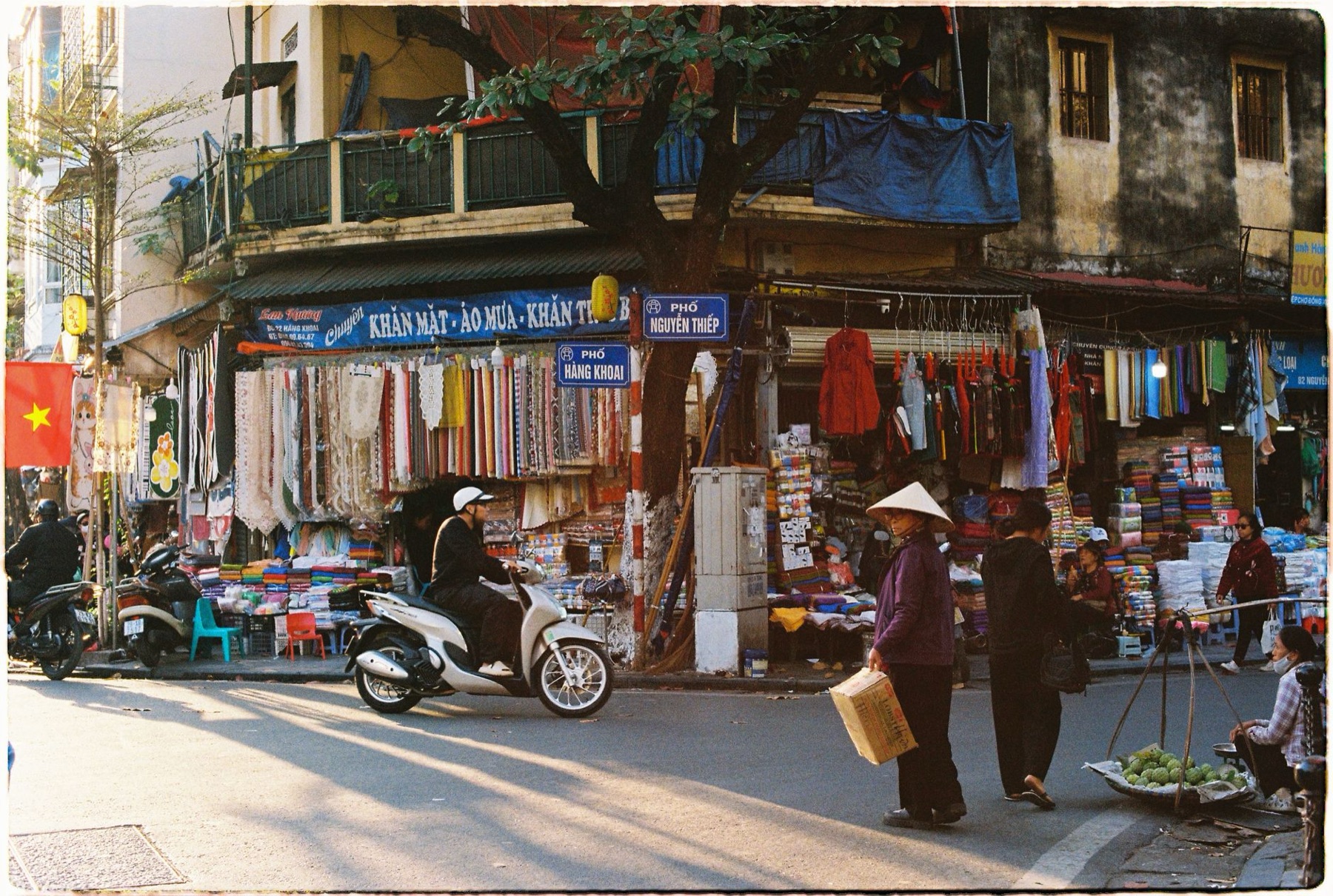
Walk northwest into the Old Quarter proper (narrow streets radiating from Hang Dao, Hang Buom, Hang Ma). These 36 streets—each historically dedicated to one trade—still echo that pattern: Hang Silk (silks), Hang Ngang (rice), Hang Gai (hemp). The streets themselves are the attraction, not individual shops. Wander 90 minutes without a fixed route; get lost and find yourself.
By 10am, duck into a pho place (Pho Gia Truyen or similar family-run spots on Bat Dan Street) for breakfast pho—around 40,000–60,000 VND ($1.60–$2.40). Real deal: no menu in English, plastic chairs, locals only. Don't skip this.
Afternoon: walk to the Citadel or French Quarter (southwest from the lake). The Hoan Kiem district has tree-lined colonial villas, yellow-washed French administrative buildings (especially Ly Thai To Street and around the National Museum). These aren't monuments to enter; they're for photography and atmosphere. Grab lunch (banh mi sandwich or com tam broken-rice plate) around noon—40,000–70,000 VND ($1.60–$2.80).
Late afternoon: hit Thang Long Water Puppet Theatre (on Dinh Tien Hoang Street, north of Hoan Kiem Lake). Shows run evenings; tickets around 100,000–150,000 VND ($4–$6). This is the one tourist thing we actually recommend—it's culturally specific and brief (45 minutes).
Dinner: eat pho, banh cuon (rolled rice pancakes), or cha ca (turmeric fish) in a neighborhood like Bat Dan, Hang Dao, or Hang Ngan. Budget 50,000–100,000 VND ($2–$4) per person. Don't dine in the Old Quarter's main tourist corridors; eat where locals line up outside unmarked storefronts.
What Does Day 2 Require?
Day 2: Lakes, temples, and silk. Start at Tran Quoc Pagoda (on the island in Ho Tay, West Lake)—Hanoi's oldest pagoda, dating to the 6th century. Grab a taxi or Grab to the lake's east shore; walk onto the narrow causeway. Entry is free; arrive by 7am before tour buses. The pagoda sits in quiet gardens; monks walk past.
Walk Ho Tay's perimeter path (doable in 2–3 hours). The water is murky, but locals paddle, jog, and fish along the banks. Stop at a lakeside pho or coffee vendor (20,000–40,000 VND, $0.80–$1.60).
Return to central Hanoi. Lunch at a com tam spot (broken rice with grilled meat, egg, and pickles) around 11:30am—40,000–60,000 VND ($1.60–$2.40).
Afternoon: visit the Temple of Literature (Van Mieu, Ba Dinh district, southwest of the Old Quarter). This is Hanoi's most visited cultural site; arrive by 1:30pm to beat 3pm tour-group surges. Tickets are around 30,000 VND ($1.20); the temple complex is large, quiet, and genuinely moving. You'll see the Confucian courtyard, turtle stelae, and student examination halls. Allow 90 minutes.
Alternatively, if you're a museum person, the Ho Chi Minh Mausoleum complex (nearby in Ba Dinh) is iconic but can feel formal. We skip it unless you have specific interest.
Late afternoon: head to Hang Gai Street (just north of Hoan Kiem Lake) for silk shopping. Real silk prices: a scarf around 150,000–400,000 VND ($6–$16); a meter of fabric 80,000–250,000 VND ($3.20–$10). Bargain in small family shops, not tourist boutiques. If you want a keepsake, consider a personalized or locally-inspired textile—many travelers get ao dai photos taken and want to remember the outfit.
Dinner: head to the backpacker district (Ta Hien Street, if you haven't yet) or a local bia hoi (beer hall) for draft beer and grilled meats. A beer + grilled squid or chicken = 80,000–120,000 VND ($3.20–$4.80). Go where the Vietnamese are; these places close by 9pm.
🗺️ Plan your route: Vietnam itinerary
Where Should Day 3 Point You?
Day 3: Day trip or deeper neighborhood dive. You have three realistic options:
Option A: Ninh Binh day trip (2 hours south by car or Grab). Limestone karsts, cave temples, and Tam Coc boat ride. Full day: depart 7am, return 7pm. Cost: around 600,000–1,200,000 VND ($24–$48) for a driver and entry fees. See our Ninh Binh guide for details.
Option B: Ha Long Bay (Halong Bay) (2.5 hours east). Overnight or 2-day cruises depart Hanoi. Most tourists book these for days 3–4. If you're staying only 3 days, skip it; it demands overnight time. Full guide here.
Option C: Stay in Hanoi, go deeper. Walk Thanh Nhan neighborhood (south of the Old Quarter, quieter) for tailor shops, food markets, and egg coffee at a vintage cafe. Walk Tay Ho lakeside villages (west shore of Ho Tay) for fishing communities and riverside restaurants. Eat lunch at a local market (Hang Be Market, crowded and real); grab banh mi, fresh fruit, or com tam around 30,000–50,000 VND ($1.20–$2).
For evening, catch a sunset drink or street-food crawl (Hanoi is famous for food tours) or rest before onward travel. Many visitors take an afternoon train south to Hoi An or Ho Chi Minh City on day 3 evening.
How to Avoid Tourist Traps and Scams?
Taxis: Use Grab (app-based) or a metered taxi from your hotel. Street hails often involve rigged meters or detours. Grab is around 15,000–40,000 VND ($0.60–$1.60) per trip inside Hanoi.
Restaurants: If it has a picture menu on the street, skip it. Eat where locals queue outside unmarked places. Real pho costs 40,000–70,000 VND ($1.60–$2.80), not 150,000+ VND. The Old Quarter's main tourist streets (Ta Hien, Ma May) are tourist traps; walk one block west for the real thing.
Cyclos and motorbike "tours": Avoid negotiated rates. If you want a motorbike tour, book through a hotel concierge with a fixed price.
Silk and "genuine" goods: Prices should drop 20–40% if you bargain. If a shopkeeper won't budge, the price is already inflated. Real silk feels cool and has a gentle sheen; polyester feels sticky.
Gem and jewelry shops: If someone approaches you on the street offering deals, walk away. Hanoi has a known scam loop targeting tourists.
Fake eSIMs or visas: Buy a real SIM card at the airport (Viettel, Mobifone) for around 50,000 VND ($2), or arrange a Vietnam e-visa in advance, not on the street.
When Should You Visit, and What to Pack?
Best time: October–November and February–March. Cool, dry, clear. Avoid May–September (hot, humid, 35°C+) and December–January (cold, overcast, 12–18°C).
Packing: Lightweight, breathable clothes; comfortable walking shoes (Old Quarter is uneven stone). Bring a small backpack, not a rolling suitcase (stairs and cobbles everywhere). Sun protection. No need for formal clothes unless you're dining upscale.
Getting an eSIM: Arrange before arrival. Vietnam eSIM details here.
Real Costs: A 3-Day Budget Breakdown
| Item | Cost (VND) | Cost (USD) | Notes |
|---|---|---|---|
| Street coffee | 30,000–50,000 | $1.20–$2 | Plastic stool, no AC |
| Pho or banh cuon (breakfast) | 40,000–60,000 | $1.60–$2.40 | Local family spot |
| Banh mi or com tam (lunch) | 40,000–70,000 | $1.60–$2.80 | Street vendor or pho shop |
| Water puppet show ticket | 100,000–150,000 | $4–$6 | Evening performance |
| Temple entry (Van Mieu, Tran Quoc) | Free–30,000 | Free–$1.20 | Usually free or minimal |
| Grab taxi (avg per trip) | 15,000–40,000 | $0.60–$1.60 | Metered, app-based |
| Dinner (local restaurant) | 50,000–100,000 | $2–$4 | Pho, grilled meat, rice |
| Bia hoi + grilled food | 80,000–120,000 | $3.20–$4.80 | Casual beer hall |
| Silk scarf (real) | 150,000–400,000 | $6–$16 | Bargain at source |
Total per person (budget): around 2,500,000–3,500,000 VND ($100–$140) for 3 days excluding accommodation and internal flights.
---
📸 Book an ao dai photoshoot in Hanoi or Saigon (Cáo Studio) — Many visitors want a keepsake portrait in traditional dress or modern style. Cáo Studio offers makeup, hair, and photography in Hanoi and Saigon.
What to Check Before You Book Your Trip
- Visa: Do you need a Vietnam e-visa? US, UK, Australian, and most EU citizens can apply online in 3–5 days.
- SIM or connectivity: Arrange a Vietnam eSIM or buy a local SIM at the airport.
- Hotel location: Stay in Old Quarter, Hoan Kiem district, or Ba Dinh for walkability. Avoid distant new districts; you'll waste time commuting.
- Onward travel: Book any day-trip tours or southbound trains/buses by day 2.
- Travel insurance: Hanoi has good hospitals, but travel insurance covers evacuation and delays.
- Souvenirs: If you want personalized keepsakes, check our collections—silk scarves, prints, or engraved boxes shipped to your home.
---
🎟️ Compare tours & tickets for this place — Find guided tours, Ninh Binh day trips, and water puppet bookings.
---
Hanoi rewards slow walking and curiosity over checklist tourism. The three-day frame works because it avoids overwhelm while letting you taste the city's rhythm—early mornings with locals, humid afternoons with strong coffee, and evenings when the Old Quarter becomes a living arcade of light and motion. If you have longer, extend to explore Sapa's mountains or the northern coast, or head south to Hoi An and Ho Chi Minh City. For a broader trip, plan your full Vietnam itinerary here.
FAQ
Is 3 days enough for Hanoi?
Yes, if you stay central and skip museums. Focus on walkable neighborhoods, lakes, and temples rather than trying to "check off" landmarks. Most visitors wish they'd spent less time shopping and more time eating.
What's the best time of day to walk the Old Quarter?
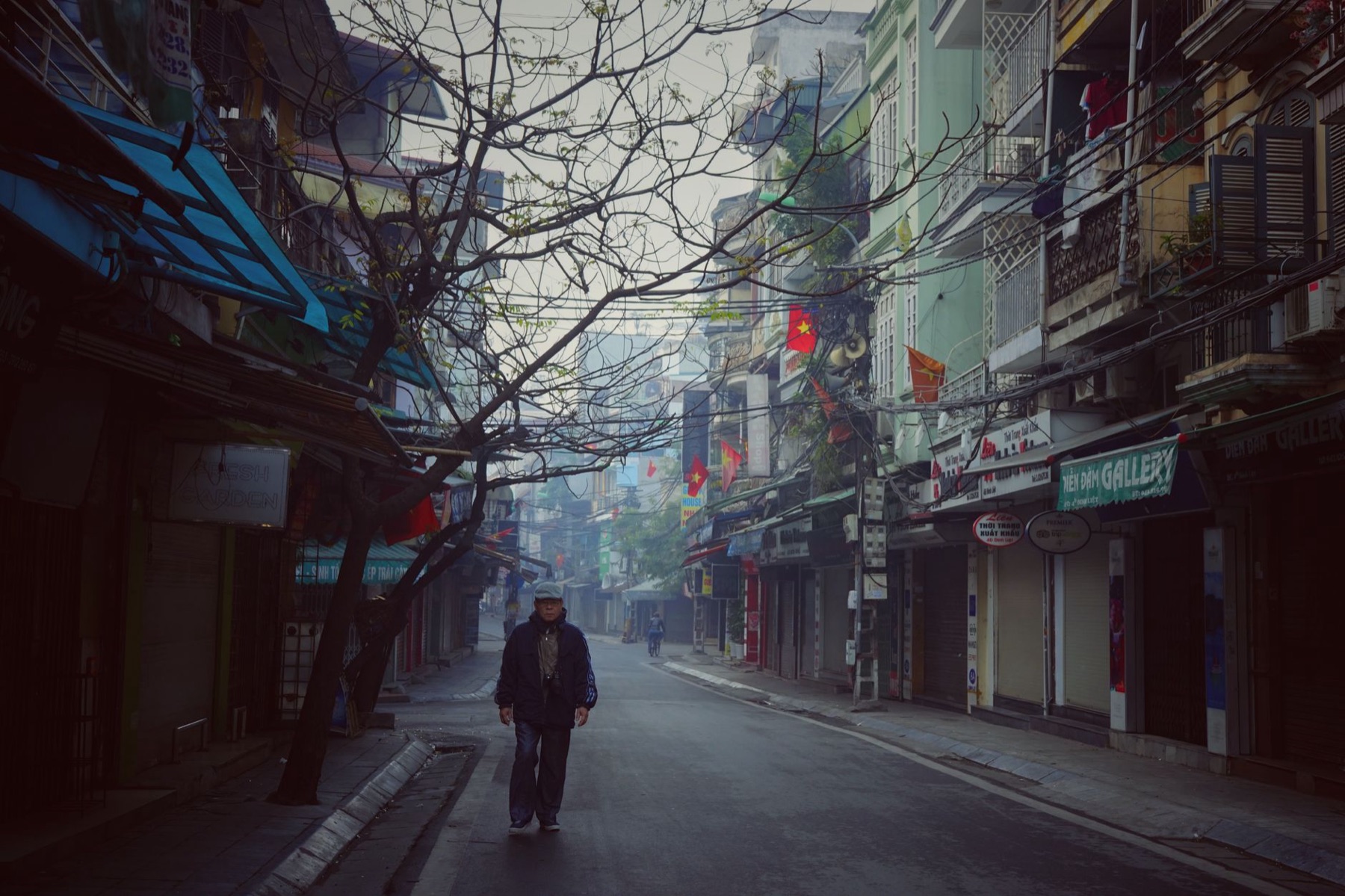
Before 7am or after 6pm. Midday (10am–3pm) is crowded, hot, and polluted. Early morning feels local; evenings are atmospheric with hawkers and neon.
Should I book a tour or explore alone?
Explore alone for neighborhoods and food; book a tour only for Ninh Binh or Ha Long Bay if you lack transport. Hanoi's Old Quarter is safe and walkable without a guide.
How much should I budget per day for food?
Around 150,000–250,000 VND ($6–$10) for 3 meals if you eat street food and local restaurants. Upscale dining is 300,000–600,000 VND ($12–$24) per person.
Can I get by without Vietnamese language skills?
Yes. Learn "hello" (xin chào), "thank you" (cảm ơn), and "how much?" (bao nhiêu?). Point at food, use Google Translate, carry your hotel's card for taxi drivers. Hanoi's tourist areas have English signage.
Is it safe to eat street food?
Yes. Eat where there's high turnover (busy stalls, queues), not where pots sit untouched. Avoid pre-cut fruit from street vendors; eat whole fruit instead. Most travelers eat street food without issue.
Should I take a motorbike tour?
Only through a hotel concierge with fixed pricing. Street offers often end in overcharging or pressure to visit gem/silk shops on commission. Solo motorbike riding as a tourist isn't recommended due to Hanoi's chaotic traffic.
FAQ
Is 3 days enough for Hanoi?
Yes, if you stay central and skip museums. Focus on walkable neighborhoods, lakes, and temples rather than trying to "check off" landmarks. Most visitors wish they'd spent less time shopping and more time eating.
What's the best time of day to walk the Old Quarter?
Before 7am or after 6pm. Midday (10am–3pm) is crowded, hot, and polluted. Early morning feels local; evenings are atmospheric with hawkers and neon.
Should I book a tour or explore alone?
Explore alone for neighborhoods and food; book a tour only for Ninh Binh or Ha Long Bay if you lack transport. Hanoi's Old Quarter is safe and walkable without a guide.
How much should I budget per day for food?
Around 150,000–250,000 VND ($6–$10) for 3 meals if you eat street food and local restaurants. Upscale dining is 300,000–600,000 VND ($12–$24) per person.
Can I get by without Vietnamese language skills?
Yes. Learn "hello" (xin chào), "thank you" (cảm ơn), and "how much?" (bao nhiêu?). Point at food, use Google Translate, carry your hotel's card for taxi drivers. Hanoi's tourist areas have English signage.
Is it safe to eat street food?
Yes. Eat where there's high turnover (busy stalls, queues), not where pots sit untouched. Avoid pre-cut fruit from street vendors; eat whole fruit instead. Most travelers eat street food without issue.
Should I take a motorbike tour?
Only through a hotel concierge with fixed pricing. Street offers often end in overcharging or pressure to visit gem/silk shops on commission. Solo motorbike riding as a tourist isn't recommended due to Hanoi's chaotic traffic.