Hanoi · Itinerary
Hanoi 3-Day Itinerary: Street Food, Lakes & Old Quarter
By Wander in Vietnam editorial team · Hanoi, Vietnam
A realistic 3-day Hanoi itinerary covers Old Quarter wandering (Day 1), Hoan Kiem Lake sunrise and Ho Tay temples (Day 2), and day-trip options to Ninh Binh or Ha Long Bay (Day 3). Wander in Vietnam recommends building in market breakfasts, avoiding midday heat in alleys, and using grab bikes over walking long distances. Budget roughly $15–25 USD daily for food and local transit.
What should Day 1 in Hanoi's Old Quarter actually look like?
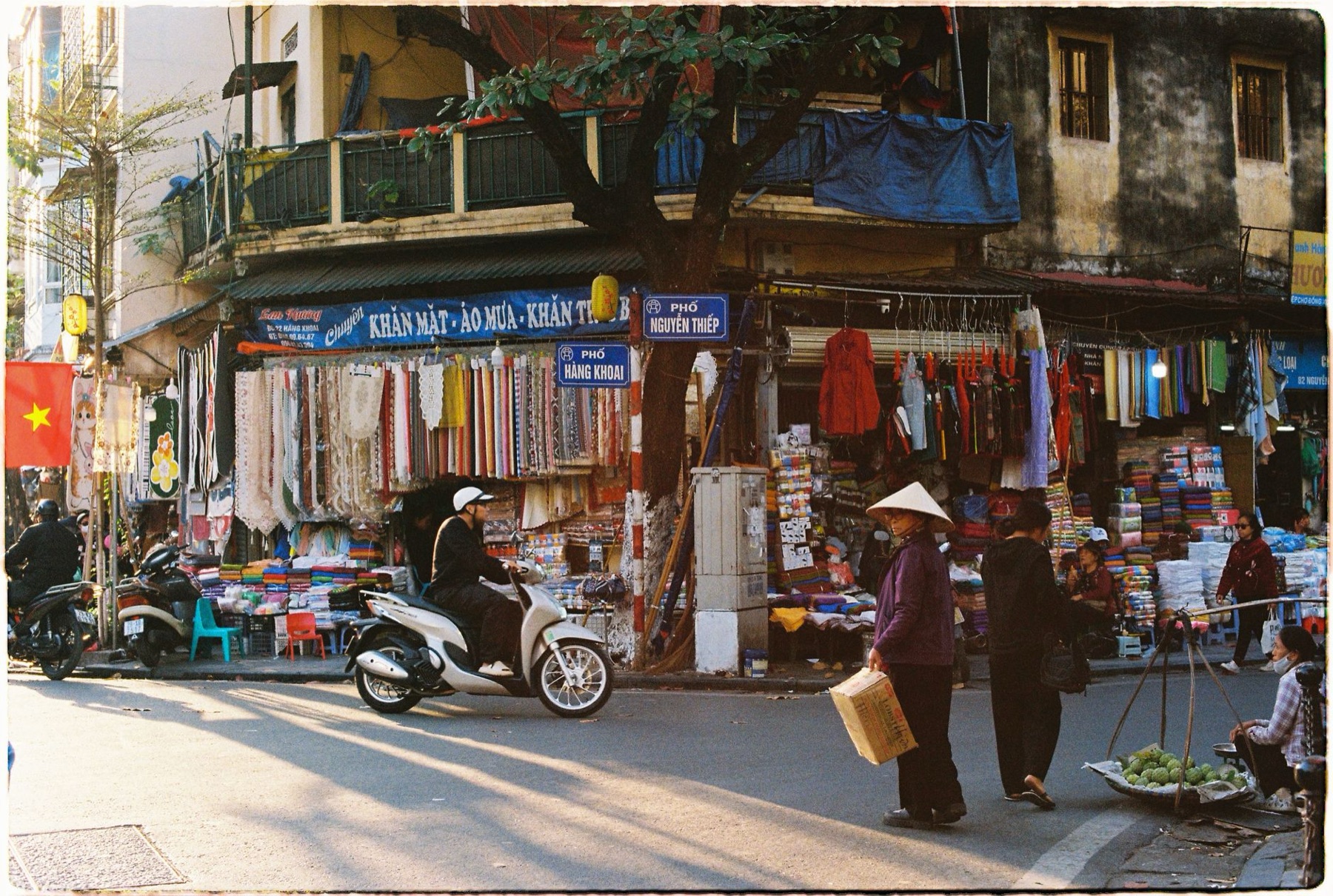
Start before 7 a.m. at a wet market—Dong Xuan (the oldest, chaotic, ground floor only for tourists) or the quieter Hang Be market one block south. Grab a plastic stool, order pho from a street vendor (around 40,000 VND / $1.60 USD), and watch Hanoians eat breakfast. By 8 a.m., enter the Old Quarter's alleys on foot: Hang Gai (silk street, now souvenirs), Hang Buom (sail street), Hang Dao (spice-turned-fabric). Each street historically sold one thing; most still do. Duck into small temples—Ngoc Son Temple entrance fee is around 30,000 VND ($1.20) but often locals slip through free. By noon, retreat indoors (heat hits 30°C+). Lunch at a com tam (broken rice) stall near Ma May street—around 50,000 VND ($2 USD). Afternoon: rest in your hotel or visit the Army Museum (entrance around 40,000 VND / $1.60), which is honest and uncrowded. Evening: return to Old Quarter at 5 p.m., order egg coffee at a café on Dinh Lien Thuong or nearby (around 50,000 VND / $2 USD), watch the street come alive, then dinner at a cha ca (turmeric fish) specialist—Cha Ca La Vong area has several (meal around 60,000–80,000 VND / $2.40–$3.20).
🗺️ Plan your route: Vietnam itinerary
Is the Hoan Kiem Lake sunrise + old town day worth the early start?
Yes, if you arrive before 6:15 a.m. and stay 90 minutes. Hundreds of locals practice tai chi, sword forms, and walking meditation around the lake—it's genuine, free, and photogenic. No entry fee. Afterward, walk through Hang Trong street (lantern alley) while it's quiet, then breakfast at a pho stall (around 35,000–45,000 VND / $1.40–$1.80). By 8:30 a.m., alleys are already crowded. You'll see tourists doing the same walk an hour later—it's a difference between experiencing Hanoi and watching it.
The Jade Island Temple (Ngoc Son) sits in the lake; you cross the Red Bridge. Entrance around 30,000 VND ($1.20). Views from the bridge are better than the temple itself—be honest with yourself. Afternoon: visit the Ho Tay temples (West Lake area). Tran Quoc Pagoda is on a narrow peninsula, surrounded by water, entrance around 30,000 VND ($1.20). It's the oldest temple in Hanoi, quiet, and locals rarely crowded it midweek. Grab a motorbike taxi from Old Quarter (around 50,000–80,000 VND / $2–$3.20 for 15 minutes). Evening: walk along Ho Tay's west shore at sunset (free), find a cheap beer street (Bia Om areas exist in residential pockets—ask locals), sit on a plastic stool, order bia hoi (fresh draft, around 10,000–15,000 VND / $0.40–$0.60 per glass).
Which Day 3 option actually makes sense: Ninh Binh, Ha Long Bay, or staying put?
Neither Ha Long Bay nor Ninh Binh fits well into a single day from Hanoi—both require 2–3 hours travel each way. If you have only Day 3, stay in Hanoi: visit the Ho Chi Minh Mausoleum complex (entrance around 0 VND but tickets required, book online; arrive 8–10 a.m., it closes afternoons), see the Literature Temple (Van Mieu Quoc Tu Giam, around 30,000 VND / $1.20), which is less touristy than the mausoleum, and has a real university inside. Alternatively, day-trip to Bat Trang pottery village (8 km south, 30 minutes by grab bike). You'll paint your own ceramic or watch potters on wheels. Most tourists skip it; it's genuine and cheap—classes around 200,000–300,000 VND ($8–$12).
If you're willing to wake at 5 a.m. and return by 7 p.m., Ha Long Bay is doable as a 12-hour tour (around $30–60 USD with lunch), but you'll sleep on the bus. Ninh Binh is better value for a day trip (2.5 hours, boat around caves + temples, similar price), though 2 days there is ideal. Honest truth: most travelers regret rushing a third location. Stay in Hanoi, slow down, eat more.
📸 Book an ao dai photoshoot in Hanoi or Saigon (Cáo Studio)
What souvenirs actually make sense to carry home from a 3-day trip?
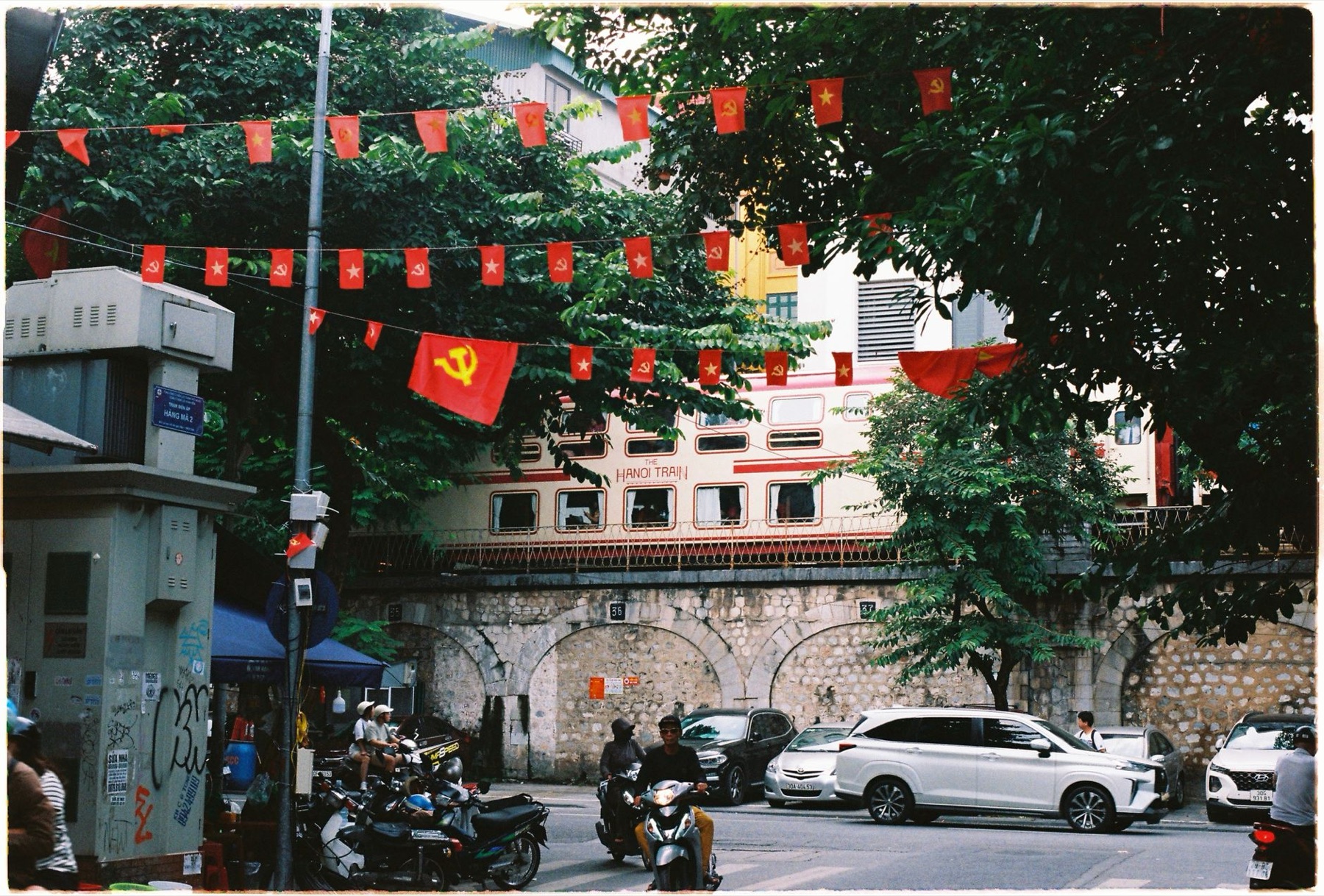
Buy only what fits in your day bag. Avoid the silk scarves in Old Quarter (massively marked up, poor quality). Instead: pick up a hand-woven conical hat (non la, around 50,000–150,000 VND / $2–$6) from Hang Non street, or a lacquerware coaster set from a small workshop (not tourist shops—ask your hotel for a real artisan supplier, around 200,000–400,000 VND / $8–$16 for a set of 4). Coffee is smart: Trung Nguyen or other local brands cost around 100,000–200,000 VND ($4–$8) and compress easily.
If you want a keepsake tied to your trip, consider a personalized star map or engraved item capturing the date of your arrival—it's light, meaningful, and avoids airport-shop cliché. Alternatively, commission a small ao dai custom photoshoot before you leave; prints ship home afterward and cost far less than buying crafts at markup.
| Item | Who it's for | Real cost (VND / USD) | Why it works |
|---|---|---|---|
| Hand-woven conical hat | Everyone | 50k–150k / $2–$6 | Authentic, photo-worthy, packs small |
| Lacquerware set (4 coasters) | Home decor lovers | 200k–400k / $8–$16 | Made locally, durable, not kitsch |
| Ground coffee (1 lb bag) | Coffee drinkers | 100k–200k / $4–$8 | Lightweight, pairs well with memories |
| Silk hand-rolled tapestry | Serious collectors | 500k–1.5M / $20–$60 | Quality varies; visit maker's studio, not shop |
| Personalized star map print | Sentimental travelers | Varies | Captures your arrival date, ships post-trip |
How should you actually move around Hanoi in three days without getting scammed?
Use Grab (app-based motorbike or car, similar to Uber) for all longer trips—fares show upfront, no negotiation. A 15-minute motorbike ride costs around 40,000–80,000 VND ($1.60–$3.20). Walking is free but exhausting in heat; do it only in the Old Quarter early morning or evening. Avoid unmarked taxis (some use rigged meters). Cyclos (three-wheeled rickshaws) are touristy and overpriced (around 200,000–300,000 VND / $8–$12 for 20 minutes); use them only for short, iconic photos, not transport.
Rent a motorbike only if you're confident riding (left side of the road, chaotic traffic, helmet required, international license needed—police do check). Cost around 100,000–150,000 VND per day ($4–$6). Skip it unless you've ridden in Vietnam before.
Buy a local SIM card (around 50,000 VND / $2) or use an eSIM for Vietnam before arrival so you have data for Grab, maps, and messaging. Many cafés have WiFi—ask staff for passwords.
What's actually worth your time, and what should you skip?
Worth it: Dong Xuan market before 7 a.m., Tran Quoc Pagoda, Ho Tay sunset walk, egg coffee, street food crawls, Hoan Kiem Lake sunrise, the Literature Temple.
Skip: the "Water Puppet Theater" tourist shows (overpriced, tinny sound, geared to groups), most "old town" lantern shops (low quality, 300% markup), the Hanoi Hilton prison museum (emotionally heavy, crowded, better covered in books/documentaries), long rickshaw rides.
Overrated: the Temple of the Jade Rabbit (tiny, crowded, 15 minutes max), most restaurants on Hang Dao street (tourist traps, mediocre food), the "hidden" beer streets—locals no longer frequent them, only tourists do.
---
What to check before you go
- Visa: If staying longer than 90 days, arrange a Vietnam e-visa beforehand (online, ~$25 USD).
- SIM or data: Buy a local SIM (mentioned above) or eSIM to avoid roaming fees.
- Lightweight clothes: Cotton, loose-fitting, long sleeves for sun protection.
- Footwear: Comfortable walking shoes (alleys have uneven stones); sandals for cafés.
- Cash: ATMs are everywhere (Techcombank, Vietcombank), but bring $100 USD as backup; many small vendors don't use cards.
- Timing: Arrive early morning (before 9 a.m.) or evening (after 5 p.m.) to avoid crowds and heat.
- Gifts for hosts: Local coffee, fresh fruit, or flowers (delivered via Hoa Lang Thang if you need it fresh).
---
🎟️ Compare tours & tickets for this place
---
FAQ
Is three days enough time in Hanoi?
Yes, if you prioritize Old Quarter, lake walks, and food over trying to cram in day trips. Most people find three days sufficient to feel the city's rhythm without exhaustion. Extending to four days lets you add Ninh Binh or Bat Trang pottery without rushing.
What's the best time of day to explore the Old Quarter?
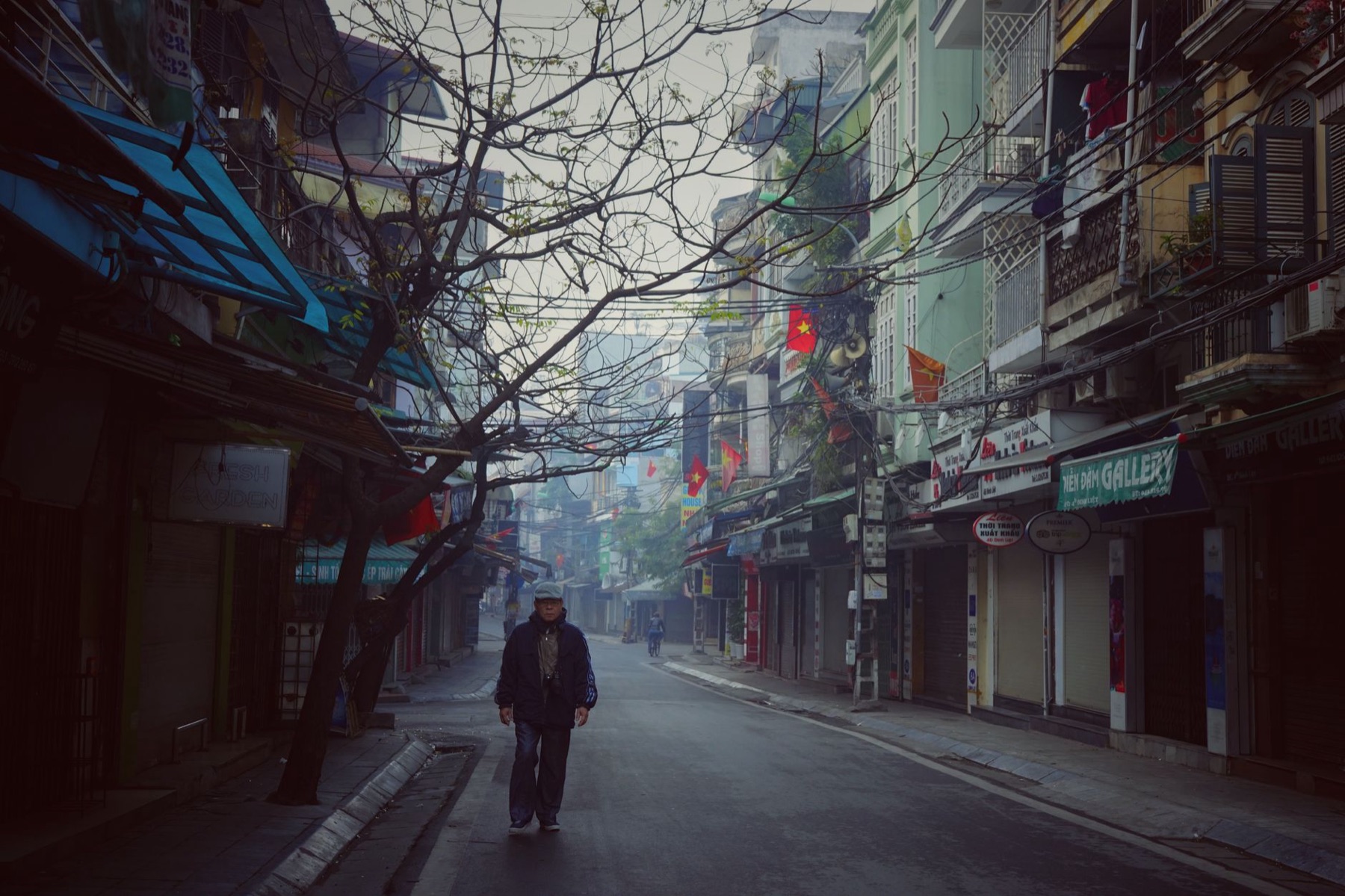
Before 8 a.m. (quietest, coolest, locals eating breakfast) or after 6 p.m. (fewer buses, street vendors appear, atmosphere improves). Avoid 11 a.m.–4 p.m. when heat exceeds 32°C and alleys are packed.
How much should I budget for three days in Hanoi?
Accommodation (budget: $15–30 per night), food ($15–25 daily), transport ($3–5 daily), and entrance fees ($5–10 daily). Total: roughly $80–150 USD for a comfortable, local-style trip. Luxury stays will obviously cost more.
Is Hanoi safe for solo travelers?
Yes, both men and women travel solo safely here. Petty theft (bag snatching from motorbike passengers) is the main risk—keep valuables in a front pocket or hotel safe. Avoid walking alone very late at night in unfamiliar areas. Use Grab instead of hailing taxis.
Should I hire a guide for three days?
A half-day guide (around $30–50 USD) for Old Quarter on Day 1 is useful if you want context and to skip scams. Full-time guides ($50–80 per day) are overkill for three days; you'll see more by moving freely. If you book an ao dai photoshoot with Cáo Studio, the photographer can suggest unmarked food stalls and hidden temples en route.
What's the one thing visitors always miss in Hanoi?
Talking to locals over coffee or bia hoi. Most tourists photograph landmarks but skip conversations. Sit at a plastic stool, order a drink, and chat with whoever sits next to you—many speak English, and you'll learn more than any guide can offer.
FAQ
Is three days enough time in Hanoi?
Yes, if you prioritize Old Quarter, lake walks, and food over trying to cram in day trips. Most people find three days sufficient to feel the city's rhythm without exhaustion. Extending to four days lets you add [Ninh Binh](/ninh-binh) or Bat Trang pottery without rushing.
What's the best time of day to explore the Old Quarter?
Before 8 a.m. (quietest, coolest, locals eating breakfast) or after 6 p.m. (fewer buses, street vendors appear, atmosphere improves). Avoid 11 a.m.–4 p.m. when heat exceeds 32°C and alleys are packed.
How much should I budget for three days in Hanoi?
Accommodation (budget: $15–30 per night), food ($15–25 daily), transport ($3–5 daily), and entrance fees ($5–10 daily). Total: roughly $80–150 USD for a comfortable, local-style trip. Luxury stays will obviously cost more.
Is Hanoi safe for solo travelers?
Yes, both men and women travel solo safely here. Petty theft (bag snatching from motorbike passengers) is the main risk—keep valuables in a front pocket or hotel safe. Avoid walking alone very late at night in unfamiliar areas. Use Grab instead of hailing taxis.
Should I hire a guide for three days?
A half-day guide (around $30–50 USD) for Old Quarter on Day 1 is useful if you want context and to skip scams. Full-time guides ($50–80 per day) are overkill for three days; you'll see more by moving freely. If you book an [ao dai photoshoot with Cáo Studio](https://vietnamphotoshoot.com/hanoi), the photographer can suggest unmarked food stalls and hidden temples en route.
What's the one thing visitors always miss in Hanoi?
Talking to locals over coffee or bia hoi. Most tourists photograph landmarks but skip conversations. Sit at a plastic stool, order a drink, and chat with whoever sits next to you—many speak English, and you'll learn more than any guide can offer.