Hanoi · Itinerary
Hanoi 3 Days Itinerary: Old Quarter to Mausoleum Guide
By Wander in Vietnam editorial team · Hanoi, Vietnam
Three days in Hanoi is tight but doable. You'll see the chaos, taste real street pho, navigate the motorbike traffic, and leave understanding why this city has held its breath for a thousand years. This isn't a leisurely pace—it's designed to hit the essentials without burnout.
What's actually worth your time on Day 1: Old Quarter?
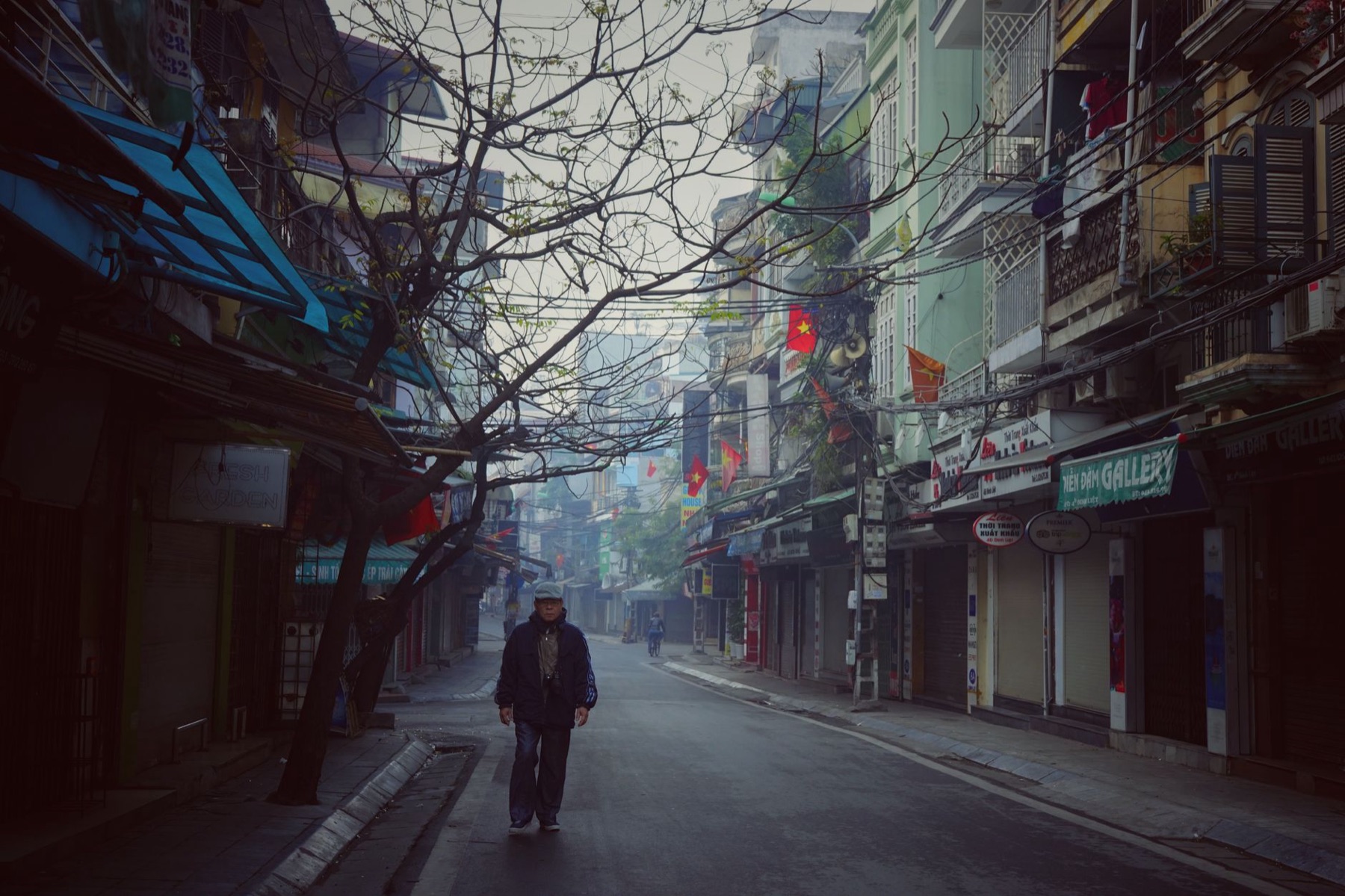
Day 1 focuses on Hanoi's heartbeat: the 36 Streets of the Old Quarter (Phố Cổ). Start early (6–7 a.m.) at a pho joint on Hang Manh or Hang Ga—expect chaos, plastic stools, around USD 1–2 per bowl. The streets are named by the goods they once sold (Hang Gai = silk street, Hang Mam = salted-fish street). Walk them now; by 10 a.m. tour groups clog the lanes. Stop at Hoan Kiem Lake's eastern shore around 8 a.m. to watch tai chi practitioners and locals jogging. The lake itself is overrated—polluted water, high-priced cafés on the shoreline. Skip the "Turtle Tower" up close; view it from across the water. Spend 1–2 hours poking through side streets: Hang Ngang (lanterns and tourist trash, but some real silk vendors), Hang Dao (fabrics, wholesale prices if you speak Vietnamese), and Hang Buom (old bookshops, mostly guidebooks now). Lunch at a com tam stall (broken rice with grilled pork, around USD 1.50–2)—try places on Hang Muoi or Hang Ga, not the tourist-facing restaurants. Afternoon: climb to the Jade Mountain Temple (Den Ngoc Son) if you want photos and prayers; entry is around USD 0.50, but it's tiny and packed. Better move: explore the backpacker zone (Ma May, Ta Hien) to understand who's staying here and what the vibe is—this helps you decide if you want nightlife in the Old Quarter or elsewhere. Evening: wander Hang Diem (the old silver street, now souvenirs) and Hang Buom, then grab roasted corn or fresh sugar cane juice from vendors (around USD 0.50–1). Dinner at a local com pho place, not a named restaurant—ask your hotel staff where they eat. Budget for Day 1: USD 8–12.
📸 Book an ao dai photoshoot in Hanoi or Saigon (Cáo Studio)
Should you spend Day 2 at Ho Tay and Tran Quoc Pagoda?
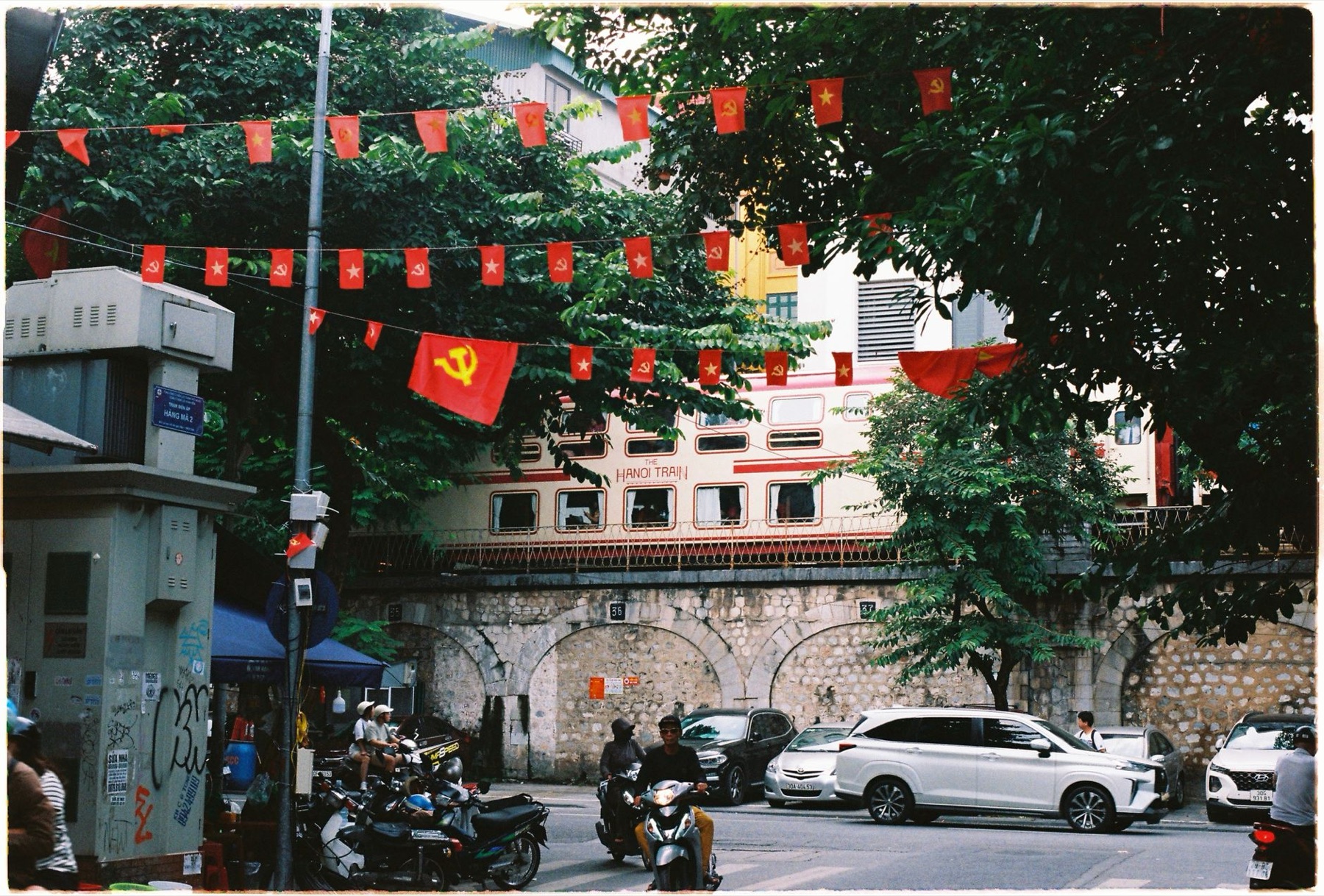
Ho Tay (West Lake) is Hanoi's escape valve: cleaner air, old colonial villas, and locals jogging around the 6 km shoreline. Yes, it's worth a half-day. Tran Quoc Pagoda (the oldest Buddhist site in Hanoi, founded 541 AD) sits on a small peninsula at the lake's north end—reach it by taxi or Grab (around USD 2–3 from Old Quarter). Entry is free; donations expected (around USD 1). The pagoda is quieter than Hoan Kiem, with real monks and prayer rituals. Spend 1–2 hours here, then walk the lakeside path north toward Kim Ma District—there's a real neighborhood here, not tourists. Lunch at a banh mi stall or pho place near the pagoda entrance (around USD 1–2). Mid-afternoon: cycle or taxi around the western shore. The upscale resorts and private clubs dominate the lake's west side, but on the north shore there's a fishing village vibe—stilted houses, nets, local life. This is where photos happen. Late afternoon, catch sunset from Tay Ho Street (the main drag on the northeast shore)—cafés here are pricier (coffee around USD 2–3) but the light is worth it. If you're interested in Vietnamese textiles and crafts, the Craft Link boutique sits near the lake (silk scarves, home goods made by artisans); it's pricey but authentic. Evening: return to the Old Quarter or stay lakeside if your hotel is there. Budget for Day 2: USD 10–15 (transport, pagoda, food, maybe a coffee).
Why does Day 3 require early start: Mausoleum and French Colonial?
The Ho Chi Minh Mausoleum complex (Ba Dinh Square area) closes daily 11 a.m.–1 p.m. and is only open mornings Tuesday–Thursday and weekends; closed Mondays and Fridays. Arrive by 8 a.m. Dress code: shoulders and knees covered, no hats. Entry is free; photography inside the mausoleum is forbidden (locals enforce this). The mausoleum itself is a 10-minute queue, then a solemn march past Ho Chi Minh's embalmed body—uncomfortable for some, historically significant for others. The surrounding complex includes the One Pillar Pagoda (built 1049, tiny but iconic), the Presidential Palace (viewed from outside only), and Ho Chi Minh's House (wooden stilt-house, around USD 2 entry). Spend 2–3 hours here. Lunch nearby is limited; grab pho or banh mi from street vendors on Hang Gai heading back downtown. Afternoon: move to the French Colonial zone (around Trang Tien, Hai Ba Trung districts). The Hanoi Hilton (Hoa Lo Prison) is a museum about French colonial prison and American POWs—around USD 3 entry, worth 1.5 hours if you're interested in war history. Nearby, the Old Post Office (Nha Tho Lon Cathedral area) is beautiful architecture; entry is free if you attend mass (Sunday mornings), otherwise peek from outside. Stroll down Trang Tien Street (tree-lined, colonial buildings, traffic-clogged but photogenic). Tea or coffee at a café here (around USD 2–4) beats the tourist trap cafés. Late afternoon: visit the Temple of Literature (Van Mieu Quoc Tu Giam), Vietnam's first university (founded 1070). Entry around USD 2–3. Spend 1.5 hours in the courtyards, reading tablets, and gardens—peaceful and far less crowded than the mausoleum. Evening: Dinner anywhere in the Old Quarter or a local spot in Hoan Kiem district. Budget for Day 3: USD 12–18.
| Sight | Time needed | Entry cost (USD) | Best for | What to skip |
|---|---|---|---|---|
| Hoan Kiem Lake | 1 hr | Free | Photos, dawn walk | Turtle Tower interior |
| Old Quarter streets | 2–3 hrs | Free | Street food, culture | Silk shops (mass-produced) |
| Tran Quoc Pagoda | 1.5 hrs | Free* | Sunrise/sunset, peace | Peak hours (11 a.m.–2 p.m.) |
| Ho Tay lakeside walk | 2 hrs | Free | Neighborhood feel | West shore resorts |
| Mausoleum complex | 2–3 hrs | Free | History | Mondays, Fridays |
| Temple of Literature | 1.5 hrs | $2–3 | Scholar history, calm | School group hours (10–11 a.m.) |
| Hoa Lo Prison museum | 1.5 hrs | $3 | War history | If you have limited time |
*Small donation (around USD 0.50–1) is expected at temples.
🗺️ Plan your route: Vietnam itinerary
Practical decisions: transport, food, money, what goes wrong.
Getting around: Grab (ride-hailing app) works everywhere in Hanoi; a 2 km ride costs around USD 1–2. Taxis are unreliable (some run meters, some don't). Buses are cheap (around USD 0.25 per ride) but crowded and require Vietnamese-language patience. Rent a scooter only if you've ridden in chaotic traffic before—motorbike accidents are common. Walk whenever possible; Hanoi's streets reward walking despite the noise and exhaust.
Eating safely: Street pho is safer than you think—the broth is boiled, the plastic stools are real Hanoi. Avoid lukewarm dishes that have been sitting (fried spring rolls are risky at midday). Drink bottled water (around USD 0.30–0.50 per bottle) or ask your hotel for filtered water. Restaurant menus in English often double the price; eat where locals eat.
Money: An ATM in the Old Quarter charges around USD 2–3 per withdrawal; rates are terrible at airport exchanges. The VND is unstable, so prices given here are approximations. Budget USD 30–50 per day for all expenses (food, entry, transport, drinks) if you eat street food and use public transport. A nicer meal at a sit-down restaurant is USD 5–8.
What goes wrong: Overpriced cyclo rides ("around the lake, 1 hour, USD 15" becomes USD 25 at the end). Fake sim cards sold near the airport. Hotels that promise "free" breakfast then charge a setup fee. Tour touts in the Old Quarter promising "girl, motorbike, massage"—these attract trouble. If someone approaches you on the street with jewelry, gems, or a "special deal," walk away.
Timing and avoids: Avoid Hanoi in July–August (humid, 90°F+). Avoid Chinese New Year (February, dates shift yearly) when roads clog and prices spike. Avoid the Old Quarter at 10 a.m.–12 p.m. and 5–7 p.m. (tour buses, motorbike rush hour). Early morning (6–8 a.m.) is always better.
Photography: An ao dai photoshoot (traditional Vietnamese tunic) is a popular souvenir. Cáo Studio in Hanoi offers hair, makeup, and professional portraits in costume—book 1–2 days ahead if you want this.
🎟️ Compare tours & tickets for this place
Should a 3-day itinerary include side trips, or stay in the city?
Side trips from Hanoi (Ha Long Bay, Ninh Binh, Sapa) eat 4–6 hours of travel each way and blur a 3-day window into exhaustion. If you have 3 days, stay in Hanoi; use it as a base for understanding Vietnam's history and buzz. Ha Long Bay, a UNESCO site 2.5 hours east, is worth a separate overnight (see our Ha Long Bay guide). Ninh Binh (1.5 hours south, with Tam Coc karst caves) is tempting but saves energy for a 4-day trip. Sapa (8 hours north by train or bus, mountain towns, trekking) is a 2–3-day detour. If this is your only stop in Vietnam, build the 3 days Hanoi core, then decide: skip side trips and feel Hanoi deeply, or add 1–2 days and see Ninh Binh caves if you love nature.
For multi-city Vietnam planning, see our Vietnam itinerary planner.
---
What to check before you visit Hanoi.
- Visa: Most Western visitors need a Vietnam e-visa (online, around USD 25) processed in 24–48 hours. Australians can get a 3-month tourist visa on arrival. See our Vietnam visa guide for current rules.
- eSIM: A local eSIM or Viettel SIM (bought at airport or convenience stores) gives you fast data for maps and Grab. Read our eSIM for Vietnam guide for options.
- Luggage: Hanoi's narrow streets and crumbling sidewalks chew through wheeled bags. A backpack or soft roller is better.
- Language: English is spoken by hotel staff and some restaurant owners, but not widely. Download Google Translate offline.
- Guides: A half-day Old Quarter walking tour (around USD 15–20 per person) is worth it only if you want deep history; free walking is better if you just want photos and food.
📸 Book an ao dai photoshoot in Hanoi or Saigon (Cáo Studio)
---
The honest take: Hanoi rewards slow days. A 3-day blur hits landmarks but misses the city. If you can add 1–2 more days, do it—sit in a café, talk to locals, wander alleys without a plan. That's when Hanoi clicks. If 3 days is all you have, this itinerary gets you the essentials without waste. Start early, eat street food, skip the tourist menus, and accept the noise and chaos—it's the real city.
For more on Hanoi, and to compare other Vietnam itineraries, explore our full Vietnam guide.
FAQ
Is 3 days enough for Hanoi?
Yes, if you prioritize. Old Quarter + lake + mausoleum covers the essentials. But Hanoi rewards 4–5 days if you want to sit in cafés, explore neighborhoods, and eat without rushing. Three days is tight but honest.
What's the best month to visit?
October–November (mild, dry, 60–75°F). December–February is cooler (50–60°F) and crowded. Avoid July–August (humid, 85–95°F, daily rain). April–May is warm and pleasant but pricier.
How much money should I bring for 3 days?
USD 50–70 covers all meals, entry fees, and local transport if you eat street food and use Grab. USD 100–120 if you want nicer restaurants and a massage. Avoid exchanging money at the airport; use ATMs in the city.
Is Hanoi safe for solo travelers?
Yes, broadly. Petty theft and overcharging happen in the Old Quarter. Avoid walking alone late night (after 11 p.m.) in dark alleys. Motorbike traffic is dangerous; cross streets slowly and watch for scooters turning without signals.
Do I need to book tours in advance?
No. Street touts and hotels sell walking tours same-day, but quality varies. Book a reputable half-day Old Quarter tour (not a company name we'll endorse) the evening before if you want a guide. Free walking is often better.
Can I use my phone map in Hanoi?
Yes, if you have an eSIM or local SIM for data. Download Google Maps offline before you arrive. Grab and Viettel map apps work well too. No map is perfect; ask locals if you're lost.
What should I bring for 3 days?
Comfortable walking shoes (stone streets are uneven), light clothes (cotton, loose—you'll sweat), sunscreen, and a light rain jacket (even in dry season, motorbike spray is real). Leave valuables in the hotel safe. A small backpack beats a roller bag.
Are there good gifts or souvenirs to bring home from Hanoi?
Silk scarves and textiles (authentic sellers on Hang Gai or Craft Link), coffee (local brands like Trung Nguyen, sold at supermarkets), lacquerware (Hang Manh and Hang Gai, check for quality—some is mass-produced), and hand-embroidered items. We recommend personalized keepsakes tied to your trip—consider a custom photo gift from your visit (engraved or framed from a local photographer) or send flowers back home from Hoa Lang Thang, a Hanoi flower delivery service that ships gifts. For a memorable, personal touch, a star map print showing the night sky from your visit date is a unique keepsake many travelers treasure. 🗺️ Plan your route: Vietnam itinerary
FAQ
Is 3 days enough for Hanoi?
Yes, if you prioritize. Old Quarter + lake + mausoleum covers the essentials. But Hanoi rewards 4–5 days if you want to sit in cafés, explore neighborhoods, and eat without rushing. Three days is tight but honest.
What's the best month to visit?
October–November (mild, dry, 60–75°F). December–February is cooler (50–60°F) and crowded. Avoid July–August (humid, 85–95°F, daily rain). April–May is warm and pleasant but pricier.
How much money should I bring for 3 days?
USD 50–70 covers all meals, entry fees, and local transport if you eat street food and use Grab. USD 100–120 if you want nicer restaurants and a massage. Avoid exchanging money at the airport; use ATMs in the city.
Is Hanoi safe for solo travelers?
Yes, broadly. Petty theft and overcharging happen in the Old Quarter. Avoid walking alone late night (after 11 p.m.) in dark alleys. Motorbike traffic is dangerous; cross streets slowly and watch for scooters turning without signals.
Do I need to book tours in advance?
No. Street touts and hotels sell walking tours same-day, but quality varies. Book a reputable half-day Old Quarter tour (not a company name we'll endorse) the evening before if you want a guide. Free walking is often better.
Can I use my phone map in Hanoi?
Yes, if you have an eSIM or local SIM for data. Download Google Maps offline before you arrive. Grab and Viettel map apps work well too. No map is perfect; ask locals if you're lost.
What should I bring for 3 days?
Comfortable walking shoes (stone streets are uneven), light clothes (cotton, loose—you'll sweat), sunscreen, and a light rain jacket (even in dry season, motorbike spray is real). Leave valuables in the hotel safe. A small backpack beats a roller bag.
Are there good gifts or souvenirs to bring home from Hanoi?
Silk scarves and textiles (authentic sellers on Hang Gai or Craft Link), coffee (local brands like Trung Nguyen, sold at supermarkets), lacquerware (Hang Manh and Hang Gai, check for quality—some is mass-produced), and hand-embroidered items. We recommend personalized keepsakes tied to your trip—consider a custom photo gift from your visit (engraved or framed from a local photographer) or send flowers back home from Hoa Lang Thang, a Hanoi flower delivery service that ships gifts. For a memorable, personal touch, a star map print showing the night sky from your visit date is a unique keepsake many travelers treasure. [🗺️ Plan your route: Vietnam itinerary](/vietnam/itinerary)