Hanoi · Things to do
Hanoi Attractions: Real Places & How to Visit Them in 2026
By Wander in Vietnam editorial team · Hanoi, Vietnam
Hanoi's appeal isn't a single landmark—it's neighborhoods, food, and the layered chaos of a 1,000-year-old city. We've walked every district, eaten at stalls locals queue for, and skipped the overpriced tourist restaurants so you don't have to. Here's what actually matters.
What Are Hanoi's Must-See Neighborhoods, and Why?
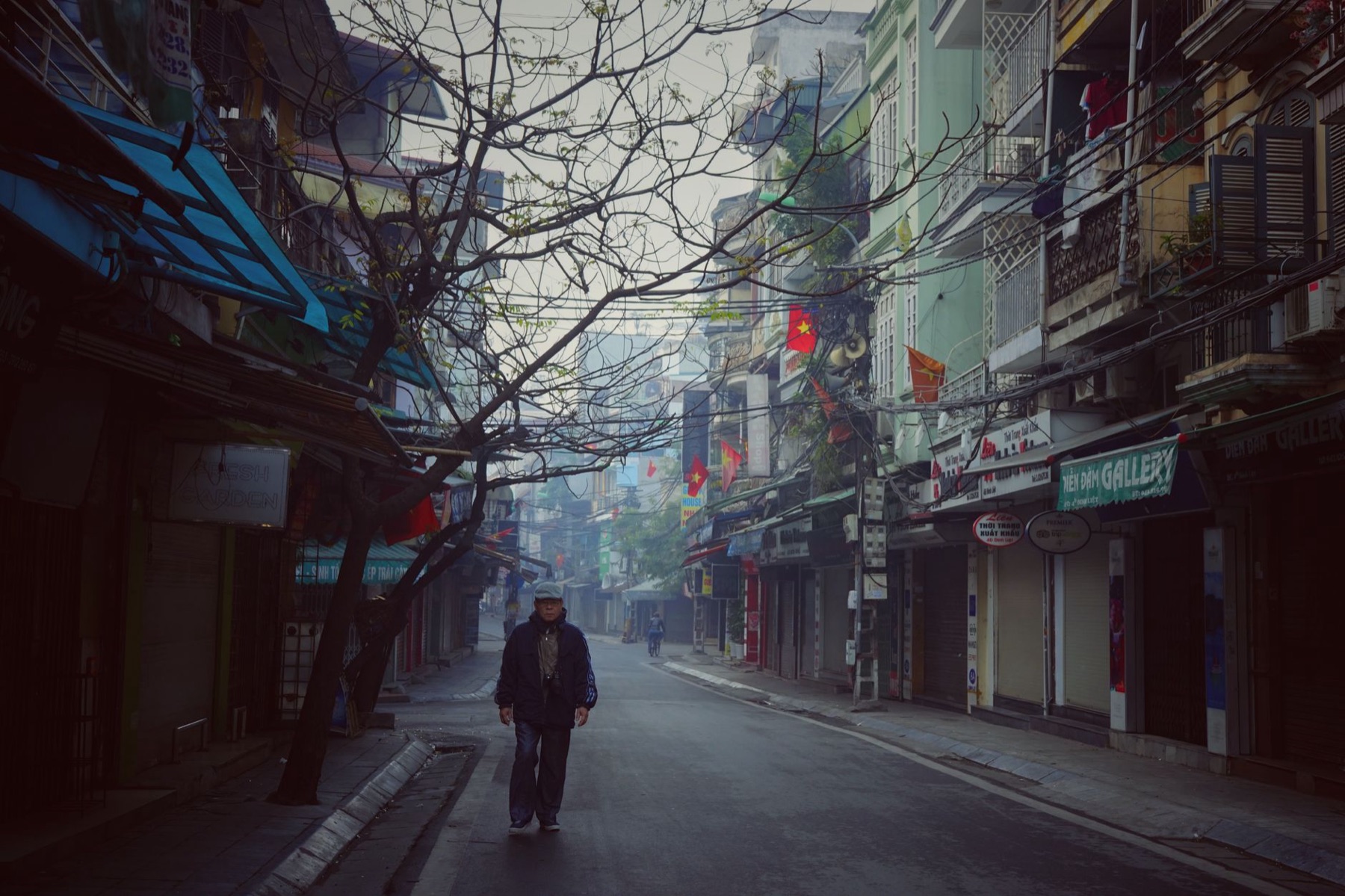
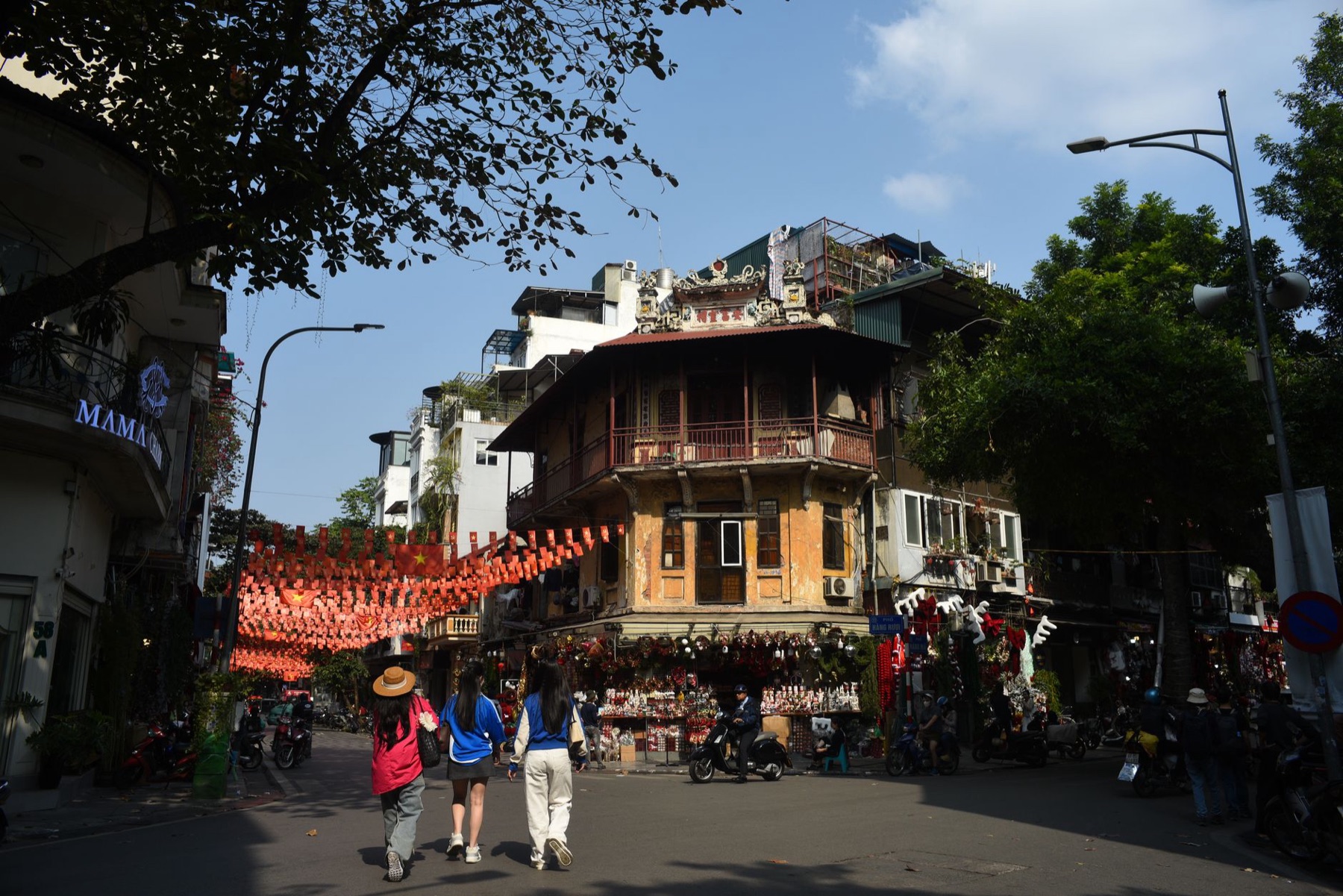
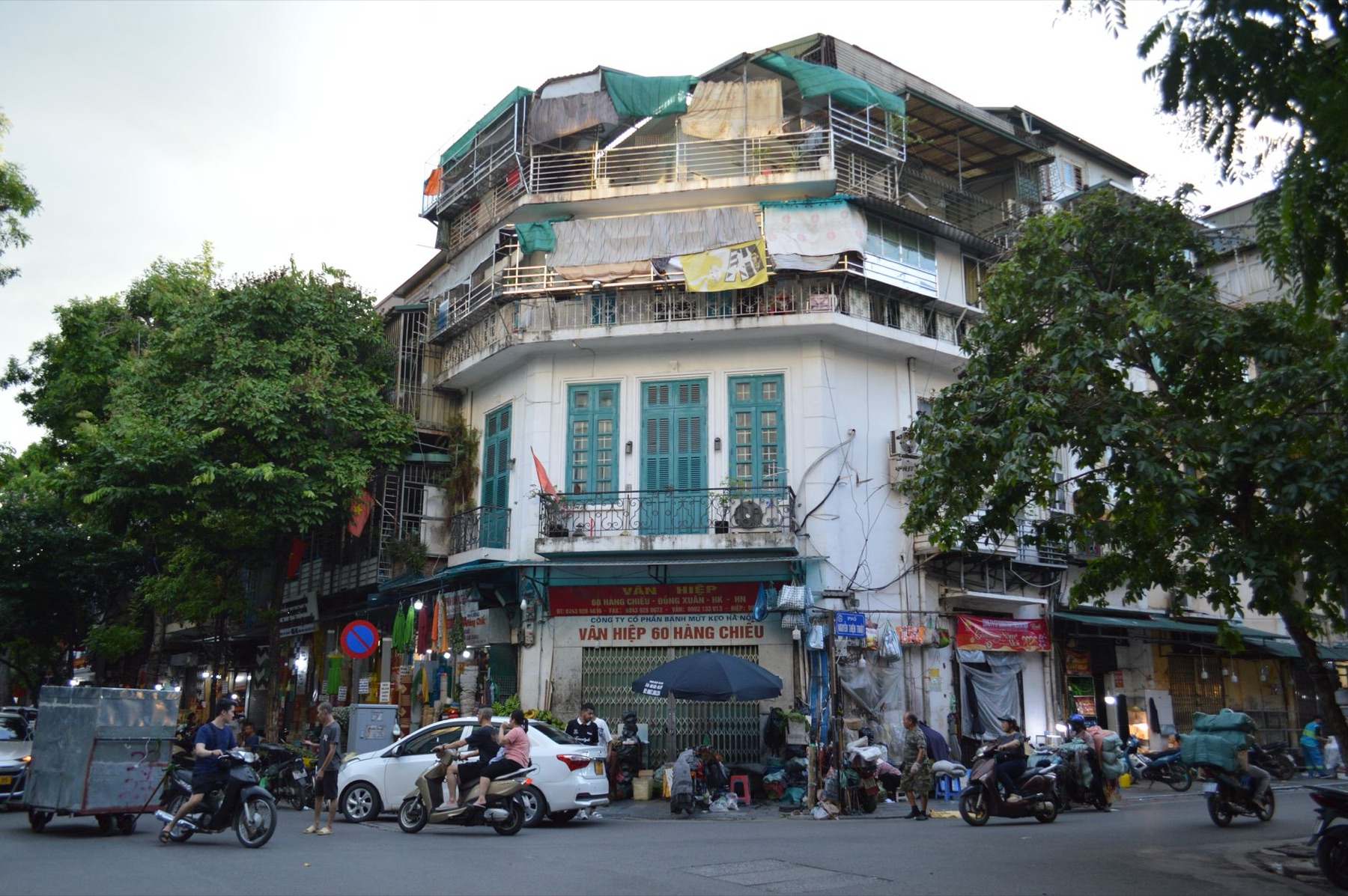
The Old Quarter (36 phố, Hoàn Kiếm district) is the city's historical spine: narrow streets named after the goods once sold there (Phố Hàng Nón = Hat Street). Walk early (6–7 a.m.) for empty alleyways and breakfast pho at tiny plastic-stool spots; prices run 30,000–50,000 VND (USD $1.25–$2) per bowl. French Quarter (Hoàn Kiếm, around Phố Trang Tiên) shows colonial villas, tree-lined streets, and cafés—less chaotic, better for photos. Ba Đình district holds Ho Chi Minh's Mausoleum and One Pillar Pagoda, though queues form early; go before 8 a.m. or skip to quieter temples. Tây Hồ (West Lake neighborhood) is where expats and wealthy Hanoi residents live; it's leafy, peaceful, and has decent restaurants but fewer "sights"—go for the atmosphere, not attractions.
What to check before you book a neighborhood tour: Does it include meal time or just rushing through? Are entrance fees listed separately? Does the guide speak your language fluently? Many Hanoi tours lump together 5–6 spots in one day; we recommend choosing 2–3 and sitting longer in one place.
🗺️ Plan your route: Vietnam itinerary
Which Temples and Pagodas Are Actually Worth Entering?
Hoan Kiem Lake's Jade Island Temple (Đền Ngọc Sơn, near Phố Dinh Tiên Hoàng) costs around 30,000 VND (USD $1.25) and is small but photogenic; go at dusk for light. One Pillar Pagoda (Chùa Một Cột, Ba Đình district) is historical but underwhelming inside; entry ~20,000 VND (USD $0.85). Temple of Literature (Văn Miếu, Ba Đình district) is Vietnam's first university (1070); entry ~30,000 VND (USD $1.25) and worth an hour walk through courtyards and stone turtle stelae—no crowds if you arrive by 7:30 a.m. Trấn Quốc Pagoda (on West Lake, Tây Hồ district) is Hanoi's oldest temple (6th century) and genuinely peaceful; no entry fee, free tea sometimes offered. Skip Tran Quoc if it's after 5 p.m.—it closes to visitors by 6 p.m.
Temples ask for donations (5,000–20,000 VND / USD $0.25–$0.85) for incense; polite but never obligatory. Never photograph monks or inside prayer halls without asking. Peak tourist hours are 10 a.m.–2 p.m.; temples feel sacred before 8 a.m.
Should You Visit Hanoi's Markets, or Are They Tourist Traps?
Dong Xuan Market (Hoàn Kiếm district, northeast Old Quarter) is chaotic, multi-floor, sells fabrics, knockoffs, and some legitimate local goods; it's real and busy, not staged for tourists. Prices are negotiable but expect to hunt. Warorot Market (Chợ Ngoại Giao, a 30-minute walk or taxi south) is where Hanoi residents actually buy wholesale; textiles, spices, local snacks—fewer foreigners, better prices. Night Market (weekends on Phố Hàng Đào, Old Quarter) runs 6 p.m.–11 p.m. and sells street food and souvenirs; it's touristy but energetic and the food is real.
Honest take: Textile and souvenir markets serve locals first; don't expect English or pricing boards. Carry a calculator app for haggling. Avoid markets at lunchtime (11 a.m.–2 p.m.)—vendors are eating, not selling, and it's shoulder-to-shoulder.
Hanoi attractions table:
| Attraction | Best For | Typical Cost | Time Needed | Crowd Peak |
|---|---|---|---|---|
| Old Quarter walk | Street food, photos, chaos | Free (food 30–50k VND / $1.25–$2) | 2–3 hours | 10 a.m.–2 p.m. |
| Temple of Literature | History, peaceful courtyards | 30k VND ($1.25) | 1–1.5 hours | 9–11 a.m. |
| Trấn Quốc Pagoda | Sunrise, tranquility, lake views | Free | 45 min–1 hour | 7–9 a.m. |
| Hoan Kiem Lake loop | Walking, sunset, café stops | Free (drinks 20–40k VND / $0.85–$1.70) | 1 hour | 5–7 p.m. |
| Dong Xuan Market | Real local shopping, haggling | Variable (20–200k VND / $0.85–$8.50 per item) | 1–2 hours | Avoid 11 a.m.–2 p.m. |
| French Quarter stroll | Colonial architecture, photos | Free (coffee 25–60k VND / $1–$2.50) | 1.5 hours | Afternoon |
| Night Market (weekends) | Street food, souvenirs, energy | Free (food 20–100k VND / $0.85–$4.20) | 1.5–2 hours | 7–10 p.m. |
🎟️ Compare tours & tickets for this place
How Do You Actually Get Around Hanoi Without Getting Lost or Scammed?
Grab (the Southeast Asian Uber) is the safest bet: open the app, set your destination, confirm before sharing your location with the driver. Short rides (1–2 km) cost 20,000–40,000 VND (USD $0.85–$1.70); longer ones up to 80,000 VND (USD $3.40). Cash or in-app pay both work. Traditional taxis (Taxi Group, Hanoi Taxi, Vinasun) can work but always ask for the meter to be on; some drivers will try to overcharge foreigners. Walking the Old Quarter is free and reveals hidden spots—download Google Maps offline before you arrive (WiFi in your accommodation or grab a local SIM; see eSIM for Vietnam for details).
Scams to avoid:
- Cyclo (cycle-taxi) drivers who offer "deals" and then demand 10× the quoted price after the ride.
- Fake police asking for "fines"—real police let you call your embassy before handing over cash.
- Tuk-tuk drivers steering you to "family" restaurants with inflated menus.
- Gem shops and tailor scams in the Old Quarter promising to ship "custom" goods that never arrive.
Stay with licensed Grab or recognized taxi apps. Walk at night in groups. Don't accept rides from strangers offering tours.
What Souvenirs Should You Buy, and Where?
Silk scarves, ao dai (traditional dress), and hand-painted ceramics are authentic; lacquerware and hill-tribe textiles vary wildly in quality. Craft Links (a fair-trade cooperative, Phố Hàng Gà, Old Quarter) sells textiles at honest prices—no haggling, transparent sourcing. Dong Xuan has knockoff bags and souvenirs; Warorot is better for bulk silk and fabrics. Night Market is touristy but good for small gifts.
If you want a custom ao dai photoshoot—wearing a freshly tailored traditional outfit—📸 Book an ao dai photoshoot in Hanoi or Saigon (Cáo Studio) handles styling, hair, makeup, and professional photos. This works as a memory and wearable souvenir.
For keepsakes (printed maps, starscapes showing your visit date, engraved boxes), browse our personalized gift collections to see what resonates. We can ship to the US in 5–10 days.
How Much Time Do You Really Need, and How Do You Avoid Tourist Burnout?
Three days minimum: Day 1 = Old Quarter + Hoan Kiem Lake (morning walk, afternoon café). Day 2 = Temple of Literature + French Quarter (quieter, fewer crowds). Day 3 = West Lake or a day trip to Ninh Binh or Ha Long Bay (1.5–2 hours by car/bus). Don't try to cram everything—Hanoi is sticky-hot and crowded; two slow days beat five rushed ones.
Midday (11 a.m.–3 p.m.) is heat peak; retreats to cafés, museums, or your hotel AC. Locals nap; tourists suffer. Early mornings (6–8 a.m.) and evenings (5–7 p.m.) are livable.
Budget roughly 100,000–200,000 VND per day (USD $4.25–$8.50) for street food and small attractions if you're not eating at tourist restaurants. Skip the 100k+ VND bowls marketed to visitors; eat where there's a line of scooters outside.
🗺️ Plan your route: Vietnam itinerary
What's Overrated in Hanoi, and What Should You Skip?
Water Puppet Theater is iconic but overpriced; entry ~100,000–150,000 VND (USD $4.25–$6.40) for 50 minutes of repetitive acts and a cramped theater. Go once for the cultural tick, but don't expect Broadway. Hoan Kiem Lake is pretty at sunset but doesn't justify a full day—walk it, have coffee, move on. Cyclo rides through the Old Quarter look romantic in guidebooks; in reality, traffic is chaotic and drivers overcharge. Take a Grab instead.
Museums (Vietnam Museum of Ethnology, Ho Chi Minh Museum) have merit if rain hits or you need AC; entry 40,000–50,000 VND (USD $1.70–$2.15). Plan 1.5–2 hours, not more.
Real Hanoi is the neighborhoods, the food, and the rhythm—not ticking boxes. Sit at a pho stall for 45 minutes, watch motorbikes zip past, listen to vendors call out prices. That's the experience.
📸 Book an ao dai photoshoot in Hanoi or Saigon (Cáo Studio)
---
What to Check Before You Book or Visit
- Entrance fees: Confirm if listed prices include guide tips or donations.
- Weather & season: October–March is cool (15–20°C / 59–68°F); April–September is hot and humid (30–35°C / 86–95°F). Avoid September–October if you're heat-sensitive.
- Language: Ask guides if they speak fluent English; some tours pair English with poor diction.
- Group size: Small groups (4–6 people) move faster and feel less like a school trip.
- Return times: Confirm tour ends where it started or if there's an extra cost to be dropped elsewhere.
- Scams: Book through recognized platforms (Grab, Viator, hotel concierge). Never hand cash upfront to street touts.
---
Related Reads & Deeper Dives
For bigger itineraries, see our Hanoi guide, Vietnam itinerary planner, and day-trip guides to Ninh Binh, Ha Long Bay, and Sapa. If you're also visiting Ho Chi Minh City, check Ho Chi Minh City attractions and Hoi An. Staying longer? Vietnam e-visa info and eSIM options make planning easier.
Need a souvenir that tells your Hanoi story? Our personalized keepsake collections ship fast to the US.
🎟️ Compare tours & tickets for this place
---
FAQ
Is it safe to walk Hanoi alone at night?
Yes, generally safe, especially in Old Quarter and French Quarter until 11 p.m. Stick to main streets, avoid dark alleyways, and keep valuables hidden. Groups feel safer; solo travelers should trust instinct and grab a Grab if tired.
How much should I budget for Hanoi per day?
Budget 150,000–250,000 VND (USD $6.40–$10.70) daily if eating street food, using public transport, and visiting cheap temples. Double it if you eat at mid-range restaurants or book tours. 3-star hotels run 300,000–600,000 VND (USD $12.75–$25.50) per night.
Can I visit temples if I'm not Buddhist?
Yes. Remove shoes, dress modestly (shoulders and knees covered), and don't photograph monks or prayer areas without permission. Donations are polite but never required.
What's the best time of year to visit Hanoi?
October–November and February–March are ideal: cool, dry, low humidity (around 20°C / 68°F). Avoid April–August (hot, humid, typhoons possible) and January (chilly, fewer crowds but damp).
Do I need a guide to explore Hanoi, or can I do it alone?
Solo exploration works fine with Google Maps, a decent hotel map, and Grab. Hire a guide (4–8 hours, 400,000–800,000 VND / USD $17–$34) only if you want deep history, language help, or insider food knowledge.
Are there pickpockets or theft in Hanoi?
Yes, petty theft happens in crowded markets and on buses; secure bags, don't flash cash or expensive phones, and use hotel safes. Violent crime against tourists is rare.
FAQ
Is it safe to walk Hanoi alone at night?
Yes, generally safe, especially in Old Quarter and French Quarter until 11 p.m. Stick to main streets, avoid dark alleyways, and keep valuables hidden. Groups feel safer; solo travelers should trust instinct and grab a Grab if tired.
How much should I budget for Hanoi per day?
Budget 150,000–250,000 VND (USD $6.40–$10.70) daily if eating street food, using public transport, and visiting cheap temples. Double it if you eat at mid-range restaurants or book tours. 3-star hotels run 300,000–600,000 VND (USD $12.75–$25.50) per night.
Can I visit temples if I'm not Buddhist?
Yes. Remove shoes, dress modestly (shoulders and knees covered), and don't photograph monks or prayer areas without permission. Donations are polite but never required.
What's the best time of year to visit Hanoi?
October–November and February–March are ideal: cool, dry, low humidity (around 20°C / 68°F). Avoid April–August (hot, humid, typhoons possible) and January (chilly, fewer crowds but damp).
Do I need a guide to explore Hanoi, or can I do it alone?
Solo exploration works fine with Google Maps, a decent hotel map, and Grab. Hire a guide (4–8 hours, 400,000–800,000 VND / USD $17–$34) only if you want deep history, language help, or insider food knowledge.
Are there pickpockets or theft in Hanoi?
Yes, petty theft happens in crowded markets and on buses; secure bags, don't flash cash or expensive phones, and use hotel safes. Violent crime against tourists is rare.