Hanoi · Things to do
Hanoi Guide 2026: Neighborhoods, Food & Hidden Spots
By Wander in Vietnam editorial team · Hanoi, Vietnam
Hanoi doesn't fit the postcard. The city sprawls across the Red River valley in layers—temples hidden behind apartment blocks, pho stalls appearing at 5 a.m., motorbike traffic that looks chaotic but flows by its own logic. Most first-time visitors stick to the Old Quarter. That's a good start, but it's also where you'll eat the most overpriced spring rolls and pay inflated taxi fares. We'll walk you through what actually works, what's genuinely worth your hours, and how to move between neighborhoods without wasting time or money.
What neighborhoods should I actually spend time in?
The Old Quarter (Hoan Kiem district) is the default first stop. Narrow lanes named after what they once sold—Hang Gai (silk), Hang Buom (sails)—now sell everything from fake branded goods to street-food carts. It's loud, crowded, and essential for the Hanoi experience, but budget only 1–2 days here. Real locals avoid it after dark because of tourist traps and inflated prices everywhere.
Hoan Kiem Lake itself is genuinely serene. Walk the perimeter early morning (6–7 a.m.) when Hanoi is jogging and practicing tai chi. The Ngoc Son Temple is on the north shore and costs nothing to visit. Around the lake, cafes charge 30,000–60,000 VND (US$1.20–2.40) for coffee, which is fair.
Ba Dinh district matters if Ho Chi Minh Mausoleum is on your list. The building is imposing but the queues are long and entry is strictly regulated (closed Mondays/Fridays, early morning slots fill fast). Nearby, the Temple of Literature (Van Mieu) is worth the 30,000 VND entrance (US$1.20) and hour of your time. It's where Vietnam's first university stood, and the courtyards are genuinely peaceful. Note: shoes off indoors; dress respectfully (covered shoulders, knees).
Tay Ho district (the west bank) has shifted radically in five years. Expats, young Vietnamese professionals, and digital nomads cluster here around cafes, craft bars, and small galleries. Rent is higher, prices are higher, but the neighborhood feels less like a tourist theme park. Walk around Tay Ho Road for independent coffee shops and small restaurants where 80,000–120,000 VND (US$3.20–4.80) gets you a real meal.
Cau Giay district (south-central) is where we'd actually live if running a guide here full-time. Busy but not touristy. Markets like Cau Giay Market have zero English signage, real prices, and chaos that rewards patient exploration. Sunday mornings are best. Pho runs 35,000–50,000 VND (US$1.40–2), and you'll sit next to construction workers, not tourists.
Dong Da district (east) is underrated. Cheaper, more residential, with clusters of good restaurants and the Old French Quarter aesthetic if you walk toward Thai Ha street. Fewer tourists means real interaction and real prices.
🗺️ Plan your route: Vietnam itinerary
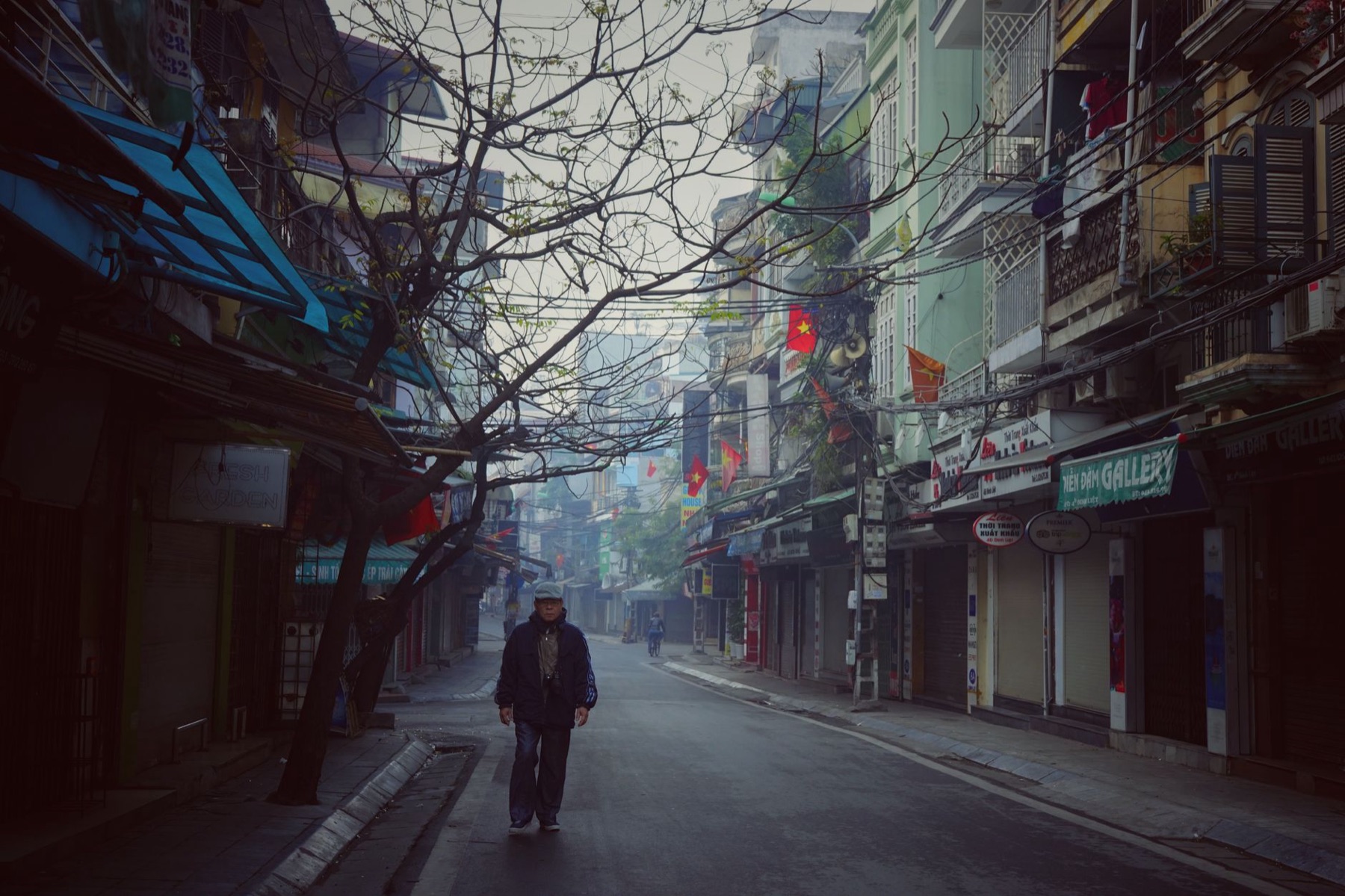
Where and what should I eat to avoid tourist traps?
Street food is Hanoi's main event, but the rule is simple: eat where there's no English menu and no tourists. The best pho stalls have one dish only, no website, and a line of locals at 7 a.m. You'll find these by walking residential alleys, not main drags.
Pho costs 35,000–50,000 VND (US$1.40–2) for a bowl at a proper stall. The tourist restaurants near Hoan Kiem charge 80,000–120,000 VND (US$3.20–4.80) for identical product. Same with banh mi (30,000–45,000 VND / US$1.20–1.80 anywhere but tourist zones).
Bun cha (grilled pork with noodles) is a Hanoi signature. Dinner-style, it's eaten with friends at long communal tables, often outdoors. Budget 60,000–90,000 VND (US$2.40–3.60). Old Quarter versions: double. Local spot in Cau Giay or Dong Da: real price.
Markets for eating: go to Dong Xuan (Old Quarter), Cau Giay, or Hang Da markets. Arrive 7–9 a.m., point at cooked foods you want, eat standing or sitting at communal plastic tables. Breakfast combo (pho, coffee, juice): 50,000–70,000 VND (US$2–2.80).
Coffee culture is serious. Wander in Vietnam loves the small independent spots over chains. A traditional egg coffee (ca phe trung) costs 30,000–45,000 VND (US$1.20–1.80). Specialty third-wave cafes exist now in Tay Ho and Cau Giay but charge 50,000–80,000 VND (US$2–3.20). Both worth trying; neither is essential.
Avoid: restaurant chains, anywhere with laminated menus and pictures of dishes, anywhere a cyclo driver takes you unsolicited. Genuine spots have no tourism strategy—they're just feeding themselves and neighbors.
How do I move around without wasting money or getting lost?
Hanoi's taxi system used to be predatory; now it's okay if you use the right apps. Grab (Southeast Asia's Uber equivalent) is the default. Fares are metered and honest: around 15,000–50,000 VND (US$0.60–2) for a typical ride within central districts. No surge pricing, though early morning and rush hours (5–7 p.m.) mean slower pickups.
Walking between neighborhoods is genuinely pleasant if you have a downloaded offline map on your phone (Google Maps works, but download the area first; internet is fine but battery drains fast). Red River neighborhoods (Ba Dinh to Tay Ho) are connected; give yourself 45 minutes to cross the city on foot.
Motorbike taxis (Grab Bike, or just flag one on the street) cost 10,000–25,000 VND (US$0.40–1) and are the fastest way through traffic. First-time riders often feel unsafe; if that's you, use a car instead. Locals ride thousands of kilometers like this; tourists should decide their comfort level honestly.
Don't rent a motorbike unless you have Vietnamese experience. Traffic is genuinely dangerous for newcomers. Driving rule: horn means "I'm here," not "get out of my way." Pedestrian rule: walk slowly and predictably, ignore the chaos.
Public buses exist and are cheap (5,000–10,000 VND / US$0.20–0.40) but routes are complex, signage is in Vietnamese, and tourists rarely use them. Grab is worth the tiny extra cost.
| Transport Mode | Typical Cost (VND) | Time Across City | Best For |
|---|---|---|---|
| Grab Car | 30,000–50,000 | 20–40 min | Comfort, luggage |
| Grab Bike | 15,000–25,000 | 15–25 min | Speed, traffic avoidance |
| Walking + Offline Map | 0 | 45–60 min | Neighborhoods, discovery |
| Public Bus | 5,000–10,000 | 30–60 min | Budget, locals-only vibe |
| Cyclo (tourist) | 100,000–200,000+ | 20–30 min | Photos, novelty only |
📸 Book an ao dai photoshoot in Hanoi or Saigon (Cáo Studio)
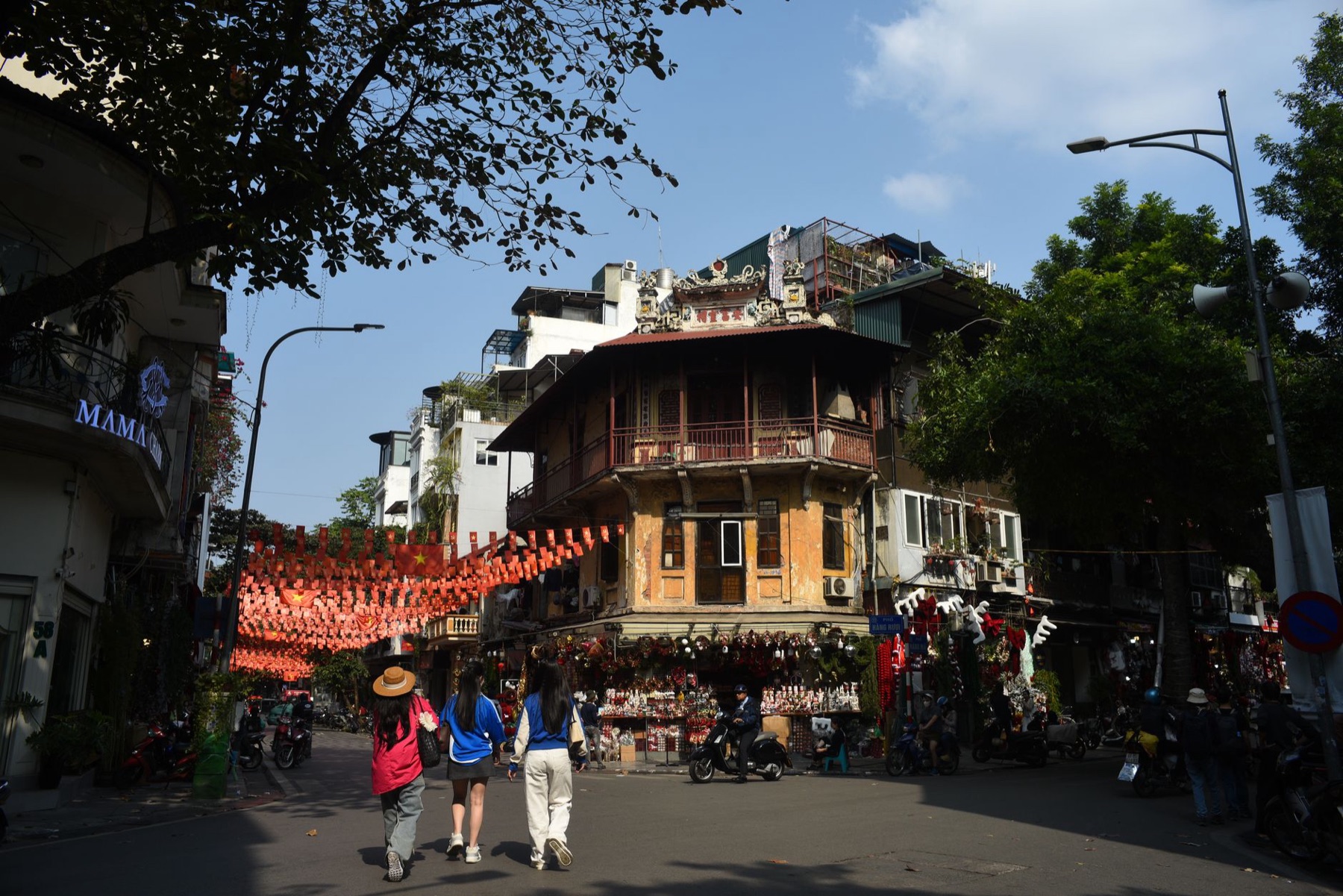
Which temples and museums are worth your actual time?
The Temple of Literature (Van Mieu) is non-negotiable if you care about Vietnamese history. Entrance 30,000 VND (US$1.20), open 8 a.m.–5 p.m. daily. Allow 1.5 hours. Courtyards are peaceful, architecture is genuine, and it's far less crowded than Hoan Kiem temples.
Ho Chi Minh Mausoleum is monumental but logistics are punishing. Entry is free but heavily regulated: you must arrive by 10:30 a.m., dress formally (covered shoulders, long pants), and pass security. Closed Mondays and Fridays. The mausoleum itself takes 10 minutes; the whole experience is 1–2 hours with queues. Worth it if you're interested in 20th-century Vietnamese politics; otherwise, skip.
Tran Quoc Pagoda (oldest temple in Hanoi, 6th century) sits on an island in the Red River. It's genuinely serene and free to visit. Walk around Tay Ho in late afternoon, cross to the pagoda, watch sunset from the grounds. You'll be among actual worshippers, not tour groups.
One Pillar Pagoda (Chua Mot Cot) is famous because it's unique—a 11th-century temple built on a single stone pillar. Entrance is free. It's small (five minutes to see it), but the symbolism is interesting and the surrounding area is quiet.
Hanoi Old Quarter Museum is a skip unless you're rainy-day shelter hunting. The National Museum of Vietnamese History (entrance 40,000 VND / US$1.60) is better if you're investing time in museums. Allow 2–3 hours.
Ho Tay (West Lake) has multiple temples and pagodas around its perimeter. Rent a bicycle or walk the north shore for free exploration. No tourist infrastructure, so bring water.
Honest take: one major temple visit is enough. Most tourists do 4–5 temples and remember none of them. Pick one, spend real time, skip the rest. Visit the pillar for more things to do.
What are the real scams and how do I avoid them?
Taxi overcharging is rare now (Grab fixed that), but cyclo drivers will quote inflated prices and take you on scenic detours. Negotiate hard or use Grab Bike instead.
Fake branded goods in the Old Quarter are everywhere. Vendors will swear silk is authentic; it's not. Prices drop 80% if you ask in Vietnamese. If you don't speak Vietnamese, just don't buy.
Restaurant bill inflation: some Old Quarter places charge foreigners more or add mysterious line items. Ask for the menu price (in numbers, on a napkin) before ordering. Avoid spots without menus entirely.
Bar tab overcharging (especially backpacker bars near Hoan Kiem): order beer by brand and count your bottles before paying. Some venues have been known to ring up drinks you didn't order. Pay cash, get a receipt, check the math.
Fake tour guides offering cyclo tours: ignore them. Book tours through Grab, your hotel desk, or established operators, never street solicitation.
Money exchange: avoid street exchangers and tourist-zone shops. ATMs at banks (Vietcombank, Techcombank) give real rates. Exchange booths inside malls are fair. Rates are all within 1% of official; don't stress.
Motorbike rental "damage" fees: genuinely sketchy operators will claim you damaged a bike you didn't touch. Don't rent from street stalls; use hotel-recommended services or skip renting entirely.
The honest rule: if something feels like a setup, it is. Trust your instinct. Hanoi is safe, but tourism does attract opportunists.
🎟️ Compare tours & tickets for this place
What should I actually bring home—and what's worth skipping?
Silk products are a legitimate Hanoi purchase if you buy from producers, not tourist stalls. The silk quarter (Hang Gai street) has real shops, though English speakers are rare. Prices start around 150,000 VND (US$6) for a scarf; ask for a weaving demonstration. Real silk weight is heavier than fake.
Lacquerware is beautiful but fragile. Small boxes or coasters (100,000–300,000 VND / US$4–12) survive travel better than large pieces. Authenticity is hard to verify; stick to established shops or skip.
Coffee is genuinely good and travels well. Highlands robusta or specialty single-origins from independent roasters (look in Cau Giay and Tay Ho cafes) cost 80,000–150,000 VND (US$3.20–6) per bag. Weight is light; it's a smart souvenir.
Ao dai (traditional Vietnamese tunic) is worth experiencing in a photoshoot more than wearing home. If you do want to buy one, tailors in Hoan Kiem charge 200,000–400,000 VND (US$8–16) for a custom fit. Consider booking an ao dai photoshoot with professional styling and hair—Cáo Studio handles Hanoi and Saigon sessions, and you get memories instead of closet clutter.
Hanoi souvenirs genuinely worth buying: small lacquered boxes, quality coffee, woven hats (non la), hand-embroidered items from craft workshops. Skip: mass-market fake branded goods, tiny temple statues, refrigerator magnets.
Want to ship gifts home? Consider Hoa Lang Thang's same-day flower delivery in Hanoi if you're buying for someone local, or order keepsakes (personalized prints, custom boxes, star maps) online to ship to yourself at home instead of overpacking luggage.
| Souvenir Type | Real Price (VND) | Durability | Space/Weight | Actually Worth It? |
|---|---|---|---|---|
| Silk Scarf (authentic) | 150,000–300,000 | Excellent | Minimal | Yes |
| Lacquerware Box | 100,000–200,000 | Good if padded | Light | Yes, small sizes |
| Coffee (1 bag) | 80,000–150,000 | Excellent | Very light | Yes |
| Ao Dai (custom) | 200,000–400,000 | Good | Bulky | Photoshoot instead |
| Non La (woven hat) | 50,000–100,000 | Excellent | Bulky | Yes, unique |
| Generic Fridge Magnet | 20,000–50,000 | Poor | Minimal | No |
---
Before you book a guide or hotel for Hanoi:
- Download an offline map (Google Maps area pack or similar).
- Grab app installed; add a Vietnamese SIM or get a Vietnam eSIM for constant connectivity.
- Know your arrival transport (airport taxi uses Grab, fixed fares, or pre-booked driver).
- Decide on neighborhoods first (Old Quarter 1–2 nights, then Tay Ho, Cau Giay, or Ba Dinh).
- Reserve Temple of Literature entry in advance if visiting on weekends.
- Check Ho Chi Minh Mausoleum dress code before visiting (no sandals, covered shoulders mandatory).
- Budget 200,000–500,000 VND daily (US$8–20) for food if eating street-level; double or triple if dining at sit-down restaurants.
- Verify your Vietnam e-visa is approved before departure.
---
Plan deeper: explore more of Vietnam | Discover Ho Chi Minh City's distinct neighborhoods | Day trips from Hanoi: Ha Long Bay, Ninh Binh, and Sapa guides
FAQ
Is October–November really the best time to visit Hanoi?
Yes. Summer (May–September) is hot, humid, and rainy; winter (December–February) is cool but grey. October–November has 25–28°C weather, low humidity, and clear skies. March–April is also good but more crowded and expensive.
Can I get by without speaking Vietnamese?
English works in hotels, tourist restaurants, and with younger people. Street food stalls, markets, and taxis rarely speak English. Download Google Translate offline; pointing works everywhere. Learning 5–10 words (hello, thank you, how much) doubles your experience quality.
How many days should I spend in Hanoi?
2–3 days is minimum (Old Quarter, one temple, one lake walk, one market). 5 days lets you breathe, explore neighborhoods like Tay Ho and Cau Giay, eat properly, and avoid rushing. Day trips to Ninh Binh or Ha Long Bay are doable from Hanoi but take 10+ hours round-trip.
Is Hanoi safe for solo travelers?
Yes, very safe. Violent crime against tourists is rare. Petty theft (bag snatching on motorbikes, hotel room theft) happens occasionally; lock valuables, avoid flashing cash. Women solo travelers report no specific safety concerns beyond what applies anywhere urban. Trust your gut and move on if a situation feels off.
What's the real cost of a night out in Hanoi?
Street food dinner: 50,000–70,000 VND (US$2–2.80). Beer at a local bia hoi: 15,000–25,000 VND (US$0.60–1) per glass. A sit-down restaurant meal: 80,000–200,000 VND (US$3.20–8). A craft cocktail bar in Tay Ho: 100,000–150,000 VND (US$4–6). Total budget for food + drinks: 150,000–300,000 VND (US$6–12) for a full day and evening.
FAQ
Is October–November really the best time to visit Hanoi?
Yes. Summer (May–September) is hot, humid, and rainy; winter (December–February) is cool but grey. October–November has 25–28°C weather, low humidity, and clear skies. March–April is also good but more crowded and expensive.
Can I get by without speaking Vietnamese?
English works in hotels, tourist restaurants, and with younger people. Street food stalls, markets, and taxis rarely speak English. Download Google Translate offline; pointing works everywhere. Learning 5–10 words (hello, thank you, how much) doubles your experience quality.
How many days should I spend in Hanoi?
2–3 days is minimum (Old Quarter, one temple, one lake walk, one market). 5 days lets you breathe, explore neighborhoods like Tay Ho and Cau Giay, eat properly, and avoid rushing. Day trips to Ninh Binh or Ha Long Bay are doable from Hanoi but take 10+ hours round-trip.
Is Hanoi safe for solo travelers?
Yes, very safe. Violent crime against tourists is rare. Petty theft (bag snatching on motorbikes, hotel room theft) happens occasionally; lock valuables, avoid flashing cash. Women solo travelers report no specific safety concerns beyond what applies anywhere urban. Trust your gut and move on if a situation feels off.
What's the real cost of a night out in Hanoi?
Street food dinner: 50,000–70,000 VND (US$2–2.80). Beer at a local bia hoi: 15,000–25,000 VND (US$0.60–1) per glass. A sit-down restaurant meal: 80,000–200,000 VND (US$3.20–8). A craft cocktail bar in Tay Ho: 100,000–150,000 VND (US$4–6). Total budget for food + drinks: 150,000–300,000 VND (US$6–12) for a full day and evening.
More: Hanoi guide · Things to do in Hanoi