Hanoi · Where to stay
Hanoi Hotels: How to Pick the Right One (2026 Guide)
By Wander in Vietnam editorial team · Hanoi, Vietnam
Hanoi's hotel landscape rewards research. The city sprawls across districts that feel like separate towns: the 36 lanes of the Old Quarter pulse at 2 a.m., while French Quarter villas sit behind garden walls. A 500,000 VND (~$20 USD) hotel two streets apart can feel like a different city. We've stayed in, walked past, and reviewed properties across every major neighbourhood, and the difference isn't just décor—it's sleep quality, breakfast reliability, and how many times the motorbike horn wakes you at 6 a.m.
Here's how to navigate Hanoi's hotel market without overpaying or ending up in a noisy box.
Which neighbourhood should you actually stay in?
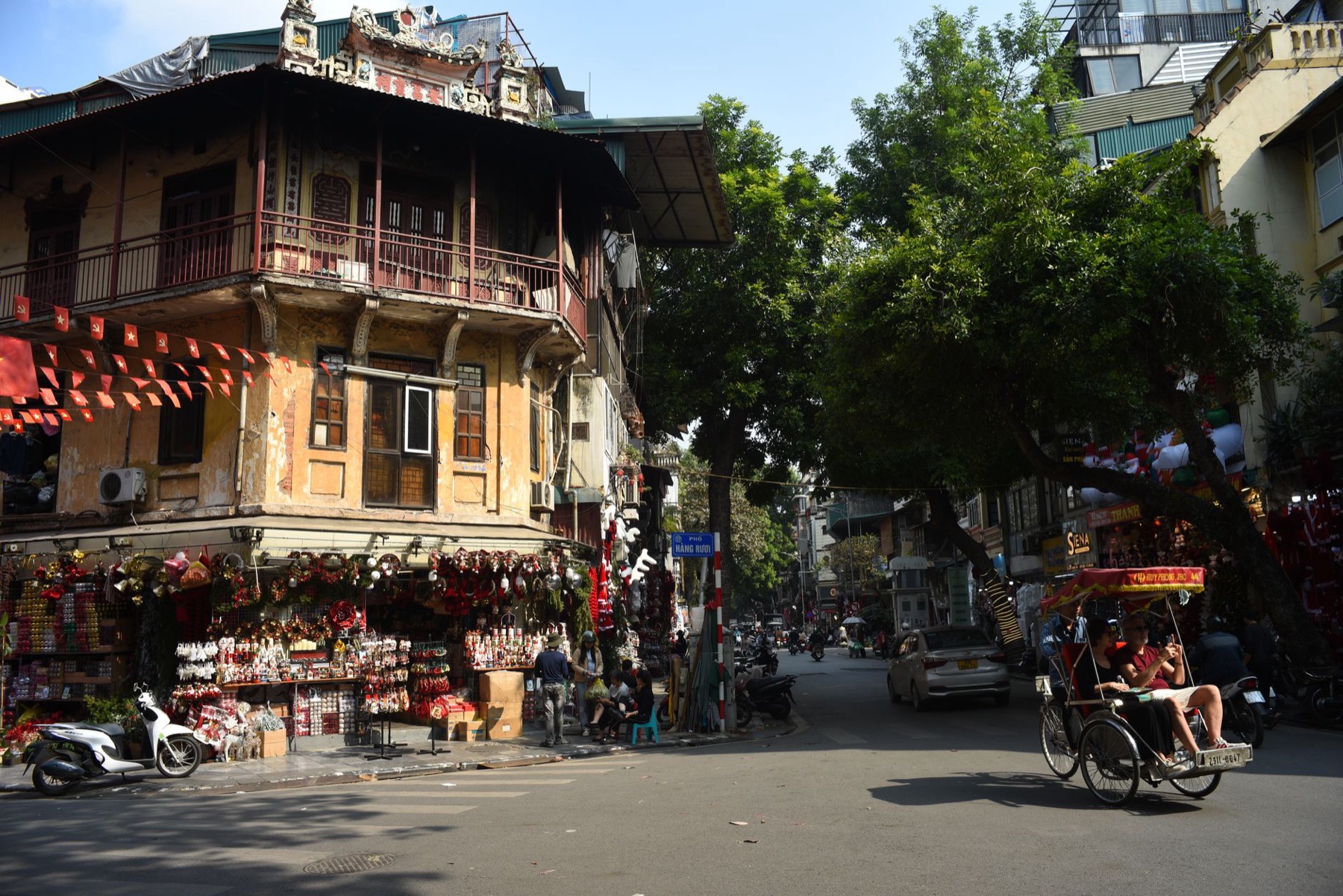
The Old Quarter (Hoan Kiem, north of Hoan Kiem Lake) floods with budget travellers, tour groups, and late-night street food stalls. Hotels here run 200,000–600,000 VND (~$8–24 USD) per night; they're cramped, wifi drops hourly, and your window opens onto a motorbike repair shop. But it's authentic, walkable, and where real Hanoi happens.
The French Quarter (around Hoang Dieu, Ba Trieu) offers colonial-era charm: tree-lined streets, fewer horns, café culture. Hotels cost 800,000–2,000,000 VND (~$32–80 USD) per night. Quieter, reliable hot water, better breakfast. Close to museums and the Old Quarter but separate—a smart middle ground.
Ba Dinh District (northwest, towards Ho Chi Minh Mausoleum) caters to business travellers and families. Modern 3-stars run 1,000,000–1,500,000 VND (~$40–60 USD). Quiet, spacious rooms, solid Wi-Fi. Downside: 20–30 minutes to Old Quarter by taxi.
Tay Ho (West Lake) is Hanoi's peaceful suburb. You'll pay 1,200,000–3,000,000 VND (~$48–120 USD) for a mid-range or boutique property. Stunning lake views, Vietnamese families (not tourists), and no street chaos. Takes 15–20 minutes to reach Old Quarter.
🗺️ Plan your route: Vietnam itinerary
What's the real price breakdown by hotel type?
Budget (dorm or basic private room): 200,000–400,000 VND (~$8–16 USD). Expect shared bathrooms in Old Quarter, thin walls, no AC, breakfast is coffee and bread. Noise is constant. Best for solo travellers and under-25 backpackers.
Mid-range 3-star (private room, AC, small lobby): 600,000–1,500,000 VND (~$24–60 USD). Your mainstay. Usually includes breakfast (pho or fried rice), decent Wi-Fi, and front desk that speaks English. Rooms are compact but clean. Noise depends on floor and street.
Upper mid-range boutique (restored colonial or design-forward): 1,500,000–2,500,000 VND (~$60–100 USD). Unique charm, better bedding, real customer service, café or rooftop. Worth the bump if it's your first trip.
Luxury (4-star and above): 2,500,000+ VND (~$100+ USD). Premium chain hotels, spas, business centres, western staff. Overkill unless you're here for corporate meetings or need total comfort after a rough region.
Below is a quick comparison matrix to help you decide:
| Hotel Type | Typical Price (VND) | Best Neighbourhood | Who It's For | Key Trade-off |
|---|---|---|---|---|
| Budget Dorm/Hostel | 200k–400k | Old Quarter | Solo, under-25, social | Noise, shared bathrooms |
| Budget Private Room | 400k–600k | Old Quarter, Hoan Kiem | Backpacker couples | Thin walls, small rooms |
| Mid-range 3-star | 600k–1.2M | French Quarter, Ba Dinh | Families, first-timers | 15–20 min walk to main sites |
| Boutique (Design/Colonial) | 1.2M–2.5M | Tay Ho, French Quarter | Couples, Instagram-ready | Higher price for aesthetics |
| Luxury 4-star+ | 2.5M+ | Ba Dinh, Tay Ho | Business, comfort-first | Overkill for short trips |
📸 Book an ao dai photoshoot in Hanoi or Saigon (Cáo Studio)
How do you avoid common booking mistakes?
Check the map yourself. Hotel photos show one corner of the room; Google Maps shows you the street. Zoom in on Old Quarter properties and look for motorbike repair shops, karaoke bars (they blast until 1 a.m.), or busy market corners. If the hotel is on a narrow lane with no clear signage, expect a 5-minute hunt to find the door.
Ask about hot water before booking. Hanoi's water systems vary wildly by district and season. Budget properties often have solar heaters (no hot water after 8 p.m. in winter). Mid-range places should guarantee 24-hour hot water; verify this in the booking notes or call the hotel directly.
Test Wi-Fi speed during your booking call. Walk around the hotel and ping a test from different rooms. Hanoi's older buildings have concrete thick enough to kill a signal. If the staff can't (or won't) do a quick speed test, move on—it's a red flag.
Don't assume "near Old Quarter" means walkable. A hotel 500 metres away can be 15 minutes on foot because Hanoi's street layout is maze-like. Use Google Maps' walking time feature, not distance.
Beware of "newly renovated" in Old Quarter. It often means fresh paint and new curtains in a 30-year-old building. Check the foundation, bathroom plumbing, and whether there's mold around the window. Photos hide a lot.
Confirm breakfast is included in the booking email. Some properties list breakfast as "available" (paid extra, 80,000–120,000 VND, ~$3–5 USD per plate) not included. Clarify before arrival.
Which areas are overrated or worth skipping?
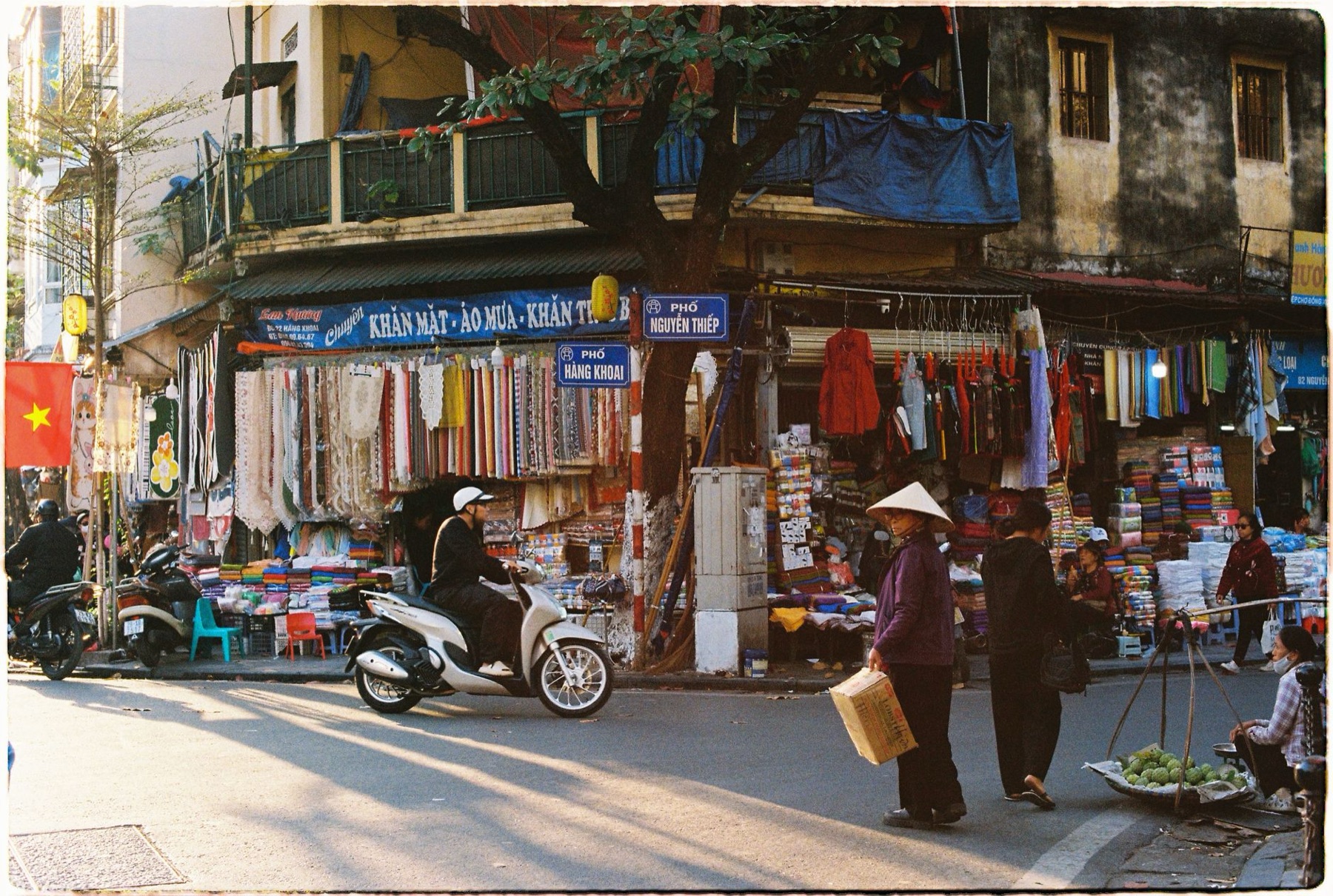
Old Quarter is loud, touristy, and priced for backpackers—but it's also where real street life happens. Don't skip it; just spend 2–3 nights max, not a week.
Some modern hotels near Noi Bai Airport (15 km north) advertise "close to airport" but you'll spend 40 minutes in traffic getting to the city. Choose a property in Ba Dinh or French Quarter and take a 30-minute airport transfer instead—you'll arrive fresher.
Riverside (along Red River) sounds romantic but hotels here are either industrial-view or overpriced for the hype. Skip unless it's a specific luxury property you've researched.
What should you prioritize in your booking checklist?
Before clicking "confirm," run through this:
- Neighbourhood match. Is it Old Quarter chaos, French Quarter calm, or Ba Dinh business? Does it fit your trip?
- Noise test. Google the street name. Read recent reviews. Ask: "Is there karaoke or motorbike shops nearby?"
- Cancellation policy. Hanoi weather (monsoon July–September) can mess with plans. Ensure you can cancel free up to 48–72 hours before arrival.
- Contact the hotel directly. Ask about Wi-Fi speed, hot water hours, breakfast details, and street noise. Their answer speed tells you about their service quality.
- Photo honesty. Compare booking photos to Google Street View. If they don't match (e.g., photos are bright but Street View is dark), the lighting is misleading.
- Ground transportation. Confirm airport transfer cost (usually 300,000–500,000 VND, ~$12–20 USD). Ask for a contact; don't wait until arrival.
🎟️ Compare tours & tickets for this place
Is a homestay or apartment rental better than a hotel?
Airbnb and local apartment platforms offer 1–3 bedroom places at 700,000–2,000,000 VND (~$28–80 USD) per night. You get a kitchen, more space, and local neighbourhood feel.
Pros: Cheaper for groups, authentic area (Tay Ho apartments put you with Hanoi families), laundry facilities.
Cons: Unclear checkout rules, no front desk if the Wi-Fi dies at 2 a.m., security deposit holds, host communication delays. For first-timers, a small hotel is safer.
For longer stays (2+ weeks), an apartment in Ba Dinh or Tay Ho makes sense. For 3–5 day trips, a mid-range hotel in French Quarter beats the headache.
---
Ready to plan your Hanoi visit? Start by browsing the main Hanoi guide to understand what else you'll do beyond your hotel room. From there, check out [Ha Long Bay, Ninh Binh, or Sapa for day trips or multi-day extensions. If you're combining Hanoi with Ho Chi Minh City and Hoi An, plan your full Vietnam route first—it'll shape your hotel choice.
Arriving from overseas? Secure your Vietnam e-visa and grab a local eSIM the moment you land so you can call your hotel or summon a taxi without surprise roaming charges. And if you want a memory of Hanoi beyond hotel walls, consider an ao dai photoshoot with professional hair and makeup (Cáo Studio)—many travellers book one in their neighbourhood hotel's lobby or nearby café.
FAQ
What's the safest neighbourhood for a first-time solo traveller?
French Quarter or Ba Dinh. Both are calm, walkable, and close to main sights. Old Quarter is authentic but loud and crowded—save it for night 2–3 after you've adjusted. Avoid side streets after 11 p.m. in Old Quarter; stick to main roads.
Do I need to book hotels weeks in advance?
Not usually. Hanoi has surplus mid-range capacity. Book 2–3 weeks ahead in peak season (October–December, March–May). In low season (July–August), last-minute deals are common. Always check cancellation terms in case plans shift.
Why is the Old Quarter so loud, and will earplugs help?
Motorbike repair shops, karaoke bars, and delivery trucks operate early and late. Earplugs help but won't solve the problem. If you need quiet sleep, pay 200k–300k VND (~$8–12 USD) more and stay one street over or in French Quarter.
Is breakfast included, and is it worth it?
Inclusion varies by property. A hotel breakfast (pho, fried rice, fruit, coffee) usually costs 80,000–120,000 VND (~$3–5 USD) if paid separately. It's worth the convenience on your first morning, but Hanoi's street food is better and cheaper once you know where to go.
What's the difference between a "boutique" hotel and a mid-range 3-star?
Boutique typically means design-forward, historic building (colonial villa), smaller (10–30 rooms), and owner-run service. Mid-range 3-stars are larger chains with standardized rooms and lobby services. Boutique costs 200k–500k VND (~$8–20 USD) more but feels more memorable.
Should I book direct with the hotel or use a booking site?
Booking sites (Agoda, Booking.com) let you compare and cancel easily. Direct booking sometimes gets you a better rate if you email the hotel manager—ask "Do you offer a direct booking discount?" Either way, confirm the deposit refund policy and call the hotel 24 hours before arrival to reconfirm your room.
FAQ
What's the safest neighbourhood for a first-time solo traveller?
French Quarter or Ba Dinh. Both are calm, walkable, and close to main sights. Old Quarter is authentic but loud and crowded—save it for night 2–3 after you've adjusted. Avoid side streets after 11 p.m. in Old Quarter; stick to main roads.
Do I need to book hotels weeks in advance?
Not usually. Hanoi has surplus mid-range capacity. Book 2–3 weeks ahead in peak season (October–December, March–May). In low season (July–August), last-minute deals are common. Always check cancellation terms in case plans shift.
Why is the Old Quarter so loud, and will earplugs help?
Motorbike repair shops, karaoke bars, and delivery trucks operate early and late. Earplugs help but won't solve the problem. If you need quiet sleep, pay 200k–300k VND (~$8–12 USD) more and stay one street over or in French Quarter.
Is breakfast included, and is it worth it?
Inclusion varies by property. A hotel breakfast (pho, fried rice, fruit, coffee) usually costs 80,000–120,000 VND (~$3–5 USD) if paid separately. It's worth the convenience on your first morning, but Hanoi's street food is better and cheaper once you know where to go.
What's the difference between a "boutique" hotel and a mid-range 3-star?
Boutique typically means design-forward, historic building (colonial villa), smaller (10–30 rooms), and owner-run service. Mid-range 3-stars are larger chains with standardized rooms and lobby services. Boutique costs 200k–500k VND (~$8–20 USD) more but feels more memorable.
Should I book direct with the hotel or use a booking site?
Booking sites (Agoda, Booking.com) let you compare and cancel easily. Direct booking sometimes gets you a better rate if you email the hotel manager—ask "Do you offer a direct booking discount?" Either way, confirm the deposit refund policy and call the hotel 24 hours before arrival to reconfirm your room.