Hanoi · Where to stay
Hanoi Hotels: Where to Stay by Budget & Neighborhood 2026
By Wander in Vietnam editorial team · Hanoi, Vietnam
Hanoi's hotel landscape divides sharply by geography, price, and the traveler you are. The Old Quarter packs backpacker guesthouses into narrow lanes; the French Quarter spreads colonial-era properties with courtyards; Ba Đình hosts business and upper-middle chains near government offices. Knowing which district fits your style, budget, and itinerary saves regret.
We've stayed, walked, and interviewed guests across all three zones. Here's what actually works—and what tourists waste money on.
Which Hanoi neighborhood fits your trip?
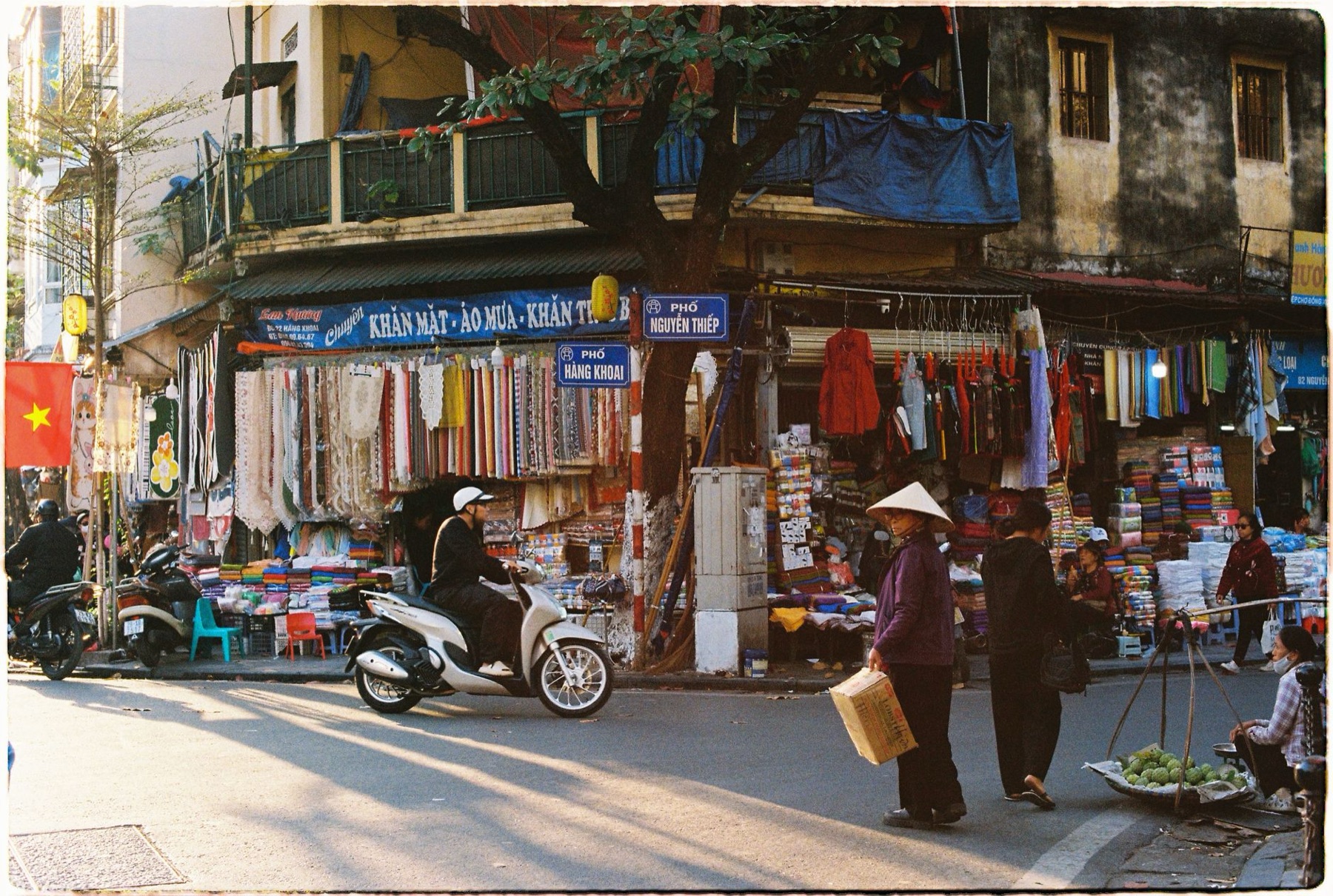
Old Quarter (Hoàn Kiếm district, near Hoan Kiem Lake) is chaos: motorbikes honk 24 hours, streets are 3 meters wide, restaurants pack into ground floors. But it's where visiting solo travelers, digital nomads, and gap-year backpackers cluster. You walk to street food, night markets, and Hoan Kiem Lake in 5 minutes. Hotels here are guesthouses, not resorts.
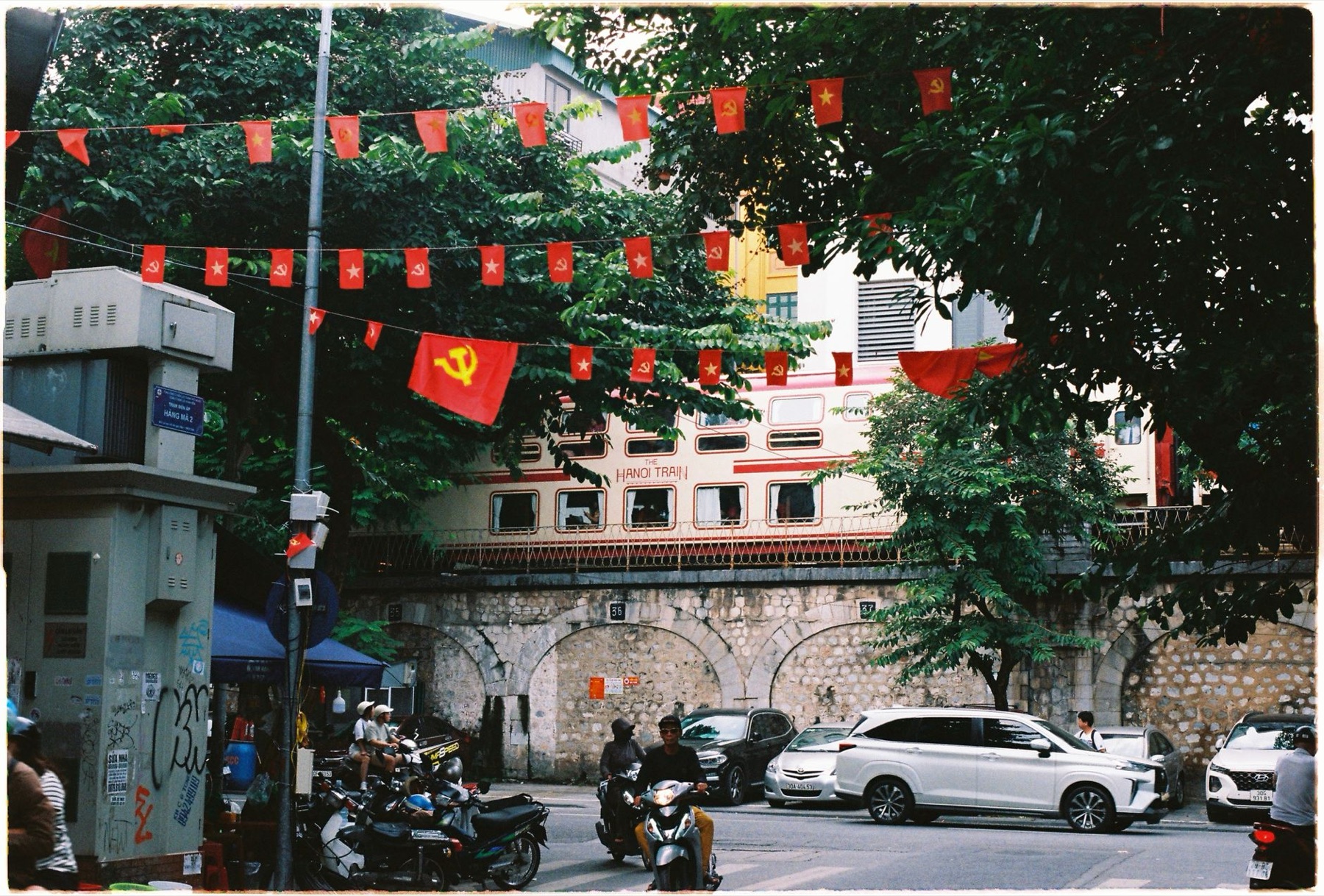
French Quarter (Ba Đình district, around Hanoi Opera House and Trang Tien Street) is the opposite: tree-lined streets, colonial villas converted to small hotels, cafés with chairs facing courtyards. Couples and quieter travelers choose this. Nightlife is minimal; access to temples, museums, and older Hanoi is immediate.
Ba Đình (government district, north of French Quarter) hosts business-class chains, diplomatic compounds, and families. Quieter, more spacious, no street hawkers. International chains cluster here.
Truc Bach Lake (northern Ba Đình, near Tay Ho) is Hanoi's "polished" zone: high-end resorts, yoga studios, expensive Western restaurants. Older expats and luxury travelers choose this.
Tay Ho (Tay Ho district, west near West Lake) is residential expat turf. Rarely a traveler's first choice unless you rent a villa for a month.
| District | Best for | Vibe | Price range (USD/night) | Why pick it? |
|---|---|---|---|---|
| Old Quarter | Backpackers, solo travelers | Loud, walkable, neon-lit | $10–30 | Street food, access, energy |
| French Quarter | Couples, quiet travelers | Colonial, calm, tree-lined | $40–100 | History, cafés, less noise |
| Ba Đình | Business travelers, families | Safe, spacious, orderly | $60–150 | Chains, comfort, quiet |
| Truc Bach Lake | Luxury, expats | Upscale, manicured | $150–350+ | Amenities, restaurants, calm |
Budget guesthouses: when they're worth it, when they're not.
Old Quarter guesthouses run around $10–25 USD per night for a double room. Pros: you meet other travelers instantly; staff speak backpacker English; locations are unbeatable for street food and Hoan Kiem Lake access. Cons: thin walls, shower water pressure is inconsistent, "quiet hours" are social fiction.
Go for budget guesthouses if: you're under 35, traveling solo or with a partner, staying 2–4 nights, and your idea of fun is eating pho at a plastic stool at 11 p.m. with strangers from Australia and Germany.
Skip them if: you need reliable WiFi for work, sleep before midnight, or want a consistent hot shower. You'll spend the savings on a coffee at a tourist café anyway.
Ask before booking: Does the room have a private bathroom or shared? How many people in a dorm? Do they provide earplugs? (They should.) Check the photos for bathroom size—it matters in Hanoi's humidity.
🗺️ Plan your route: Vietnam itinerary
Mid-range chains ($40–100 USD): the sweet spot for most travelers.
Hotels in the French Quarter and lower Ba Đình, priced $40–100 USD per night, are where most of Hanoi's actual tourists land. These are 3-star properties: elevators, a small gym, air conditioning you can control, and a lobby with WiFi that works.
Chains here don't have names we recognize from the US; they're Vietnamese-owned or regional (think Thai or Malaysian operators). Common features: buffet breakfast included, English-speaking front desk, tours bookable through the hotel, room cleaned daily.
What you get for $60 USD: a double bed, private bathroom with a working shower, air-con, TV, WiFi, daily housekeeping. Usually a small restaurant or café on the ground floor.
What you don't get: a gym that's not a closet with a treadmill, a pool (unless you pay $80+), or a view that isn't a street or courtyard.
Booking tips:
- Check the exact address on Google Maps before confirming. "French Quarter" is vague; you want to be within 5 minutes walk of the Opera House or Trang Tien Street.
- Ask if breakfast is included. If the website doesn't say, email and confirm. Many sites hide it until checkout.
- Read the most recent reviews (last month) about WiFi speed, hot water, and noise from the street.
- Book direct or via a Vietnamese travel agent (not Booking.com), which often marks up by 15–20%.
Luxury stays ($150+ USD): when it's worth the splurge, when it's not.
High-end Hanoi hotels cluster near Truc Bach Lake and scattered in Ba Đình. Think marble lobbies, concierge, spas, rooftop bars. Rates start around $150 USD and go to $350+.
Worth the splurge if: you're celebrating an anniversary, staying 3+ nights (discounts kick in), or working long hours and need a reliable desk, fast WiFi, and a gym. International chains (Hilton, Sofitel) are common here.
Skip it if: you're here for street food, temples, and motorbike tours. A $60 mid-range hotel gets you 90% of the comfort, and you save $90 per night to spend on actual experiences.
Luxury hotels here don't feel as "luxury" as the same price in Bangkok or Singapore. You're paying partly for a safe, quiet room—not for wow factor. That said, the rooftop bars and restaurants are genuinely good places to sit with a drink and watch the city.
📸 Book an ao dai photoshoot in Hanoi or Saigon (Cáo Studio)
Booking methods: direct vs. apps, and scams to avoid.
Direct booking (hotel website or email): Best rate, no hidden fees, easier to negotiate long stays. Downside: you arrange cancellation yourself.
Local travel agents: Often cheaper than online platforms. They know which hotels have availability and can often secure a lower nightly rate for 3+ nights. Search for "Hanoi travel agent" or ask your guesthouse to refer you. Avoid agents asking for payment upfront via bank transfer.
International apps (Booking.com, Agoda, Expedia): Convenient, refundable options, but markup is 15–25%. Read reviews from the last 2 weeks—older reviews may reflect old management.
Scams to avoid:
- Fake cancellation policies. Confirm the exact cancellation deadline in writing.
- "Non-refundable rates" that are 10% cheaper. The savings rarely justify the risk.
- Hotel websites with spelling errors or vague photos. Real hotels proofread.
- Messages from "hotel staff" via WhatsApp asking to confirm payment. Ignore; contact the hotel's main number.
What to check before you book:
- Exact address. Copy it into Google Maps. Is it walkable to where you want to go?
- WiFi speed. Read the last 10 reviews. Do people mention working internet?
- Breakfast inclusion. Confirm in writing. Email the hotel if the website is unclear.
- Cancellation policy. How many days before check-in can you cancel for a full refund?
- Noise level. Are you on a main street or a quiet lane? Old Quarter rooms on Hang Dao Street wake up at 6 a.m. to motorbike horns.
- Hot water. Not obvious, but read reviews for shower pressure and water temperature consistency.
- Checkout time. Most are 11 a.m. Does it matter for your flight?
🎟️ Compare tours & tickets for this place
How to move between Hanoi and other regions.
Hanoi is a hub. Most visitors arrive here, stay 2–3 nights, then move to Ha Long Bay (2.5 hours east), Ninh Binh (2 hours south), Sapa (6 hours northwest), or down the coast to Hoi An or Ho Chi Minh City. Hotels can arrange cars and buses; travel agents offer packages.
Before booking your Hanoi hotel, check the Vietnam itinerary planner. A 5-day loop (Hanoi → Ninh Binh → Ha Long → back) is standard; 7 days lets you add a night in Sapa or Hoi An.
Getting an eSIM for Vietnam before arrival helps you book onward transport and stays instantly. An e-visa takes 1 day online.
Last tips: seasons, noise, and what to skip.
October–November and March–April are peak seasons. Hotels fill fast and raise prices. Book 2 weeks ahead.
January–February is cold (5–15°C / 41–59°F), sunny, and quiet. Prices dip.
May–September is hot and humid (30–38°C / 86–100°F). Budget places without AC are miserable.
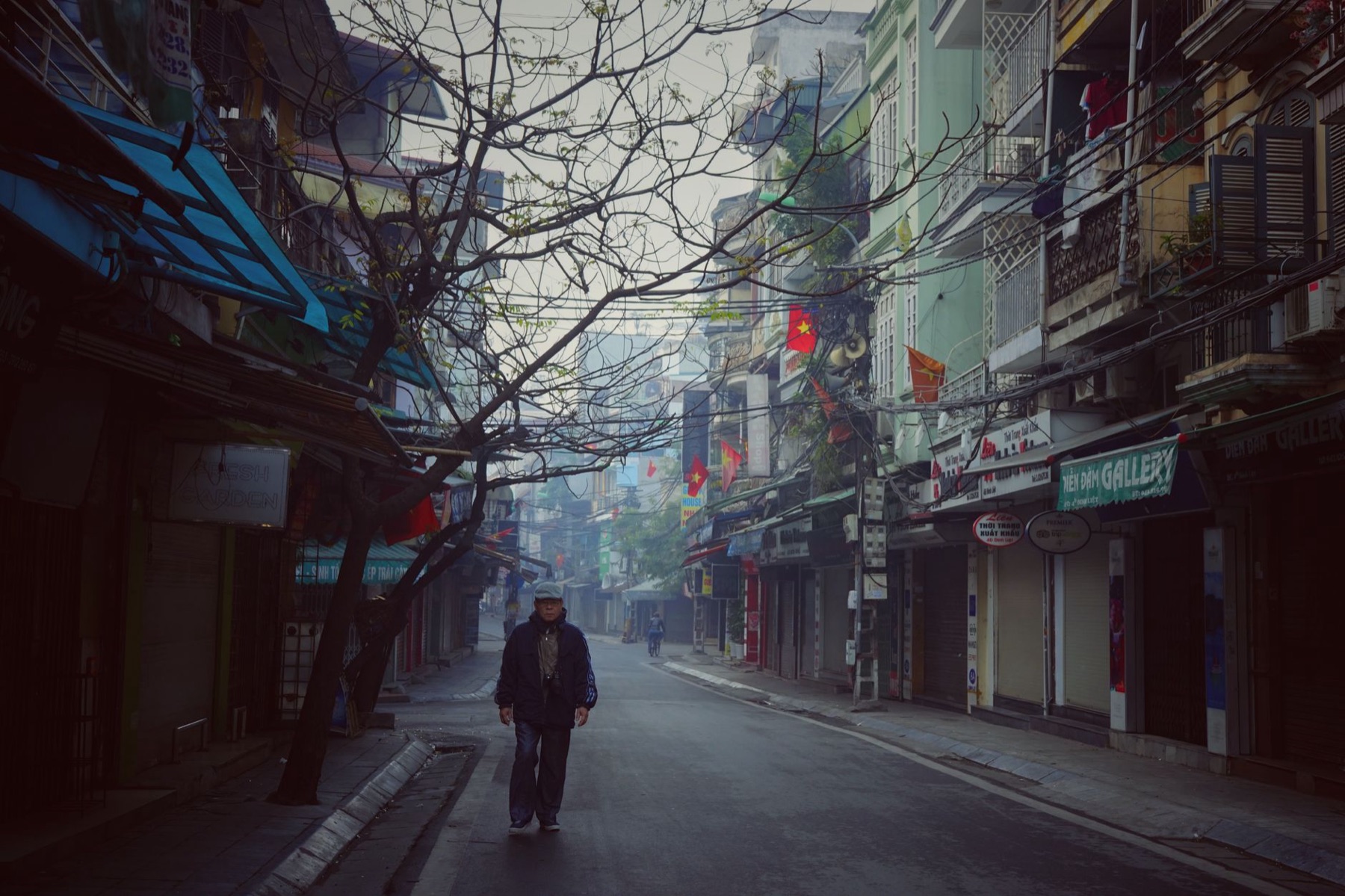
Old Quarter at night: If you're under 40 and enjoy bar crawls, stay here. If you sleep lightly or work in the morning, skip it. One night is often enough.
Hoan Kiem Lake at sunrise: Don't. It's crowded with locals doing tai chi. Sit at a café at 7 a.m. instead, order coffee, and watch the same scene with better comfort.
Temple tours from your hotel: Hotels often mark these up 50%. Book direct with a tour operator or your travel agent.
More Hanoi practical guides: read our full Hanoi guide.
FAQ
Is the Old Quarter safe?
Yes. Petty theft happens (watch your bag), but violent crime is rare. Hotels have secure front desks. Avoid walking alone very late (after midnight) in narrow alleys, same rule as any city.
Do I need to book a hotel in advance or can I show up?
October–April, book 1–2 weeks ahead. May–September, you can walk into budget guesthouses same-day. Mid-range and luxury always book first to ensure the exact room/location.
Which hotel has the best breakfast?
Mid-range hotels (around $60–80 USD) in the French Quarter offer consistent buffet breakfasts. Luxury chains (Hilton, Sofitel) are predictably good but pricey. Budget guesthouses offer basic bread and eggs or nothing. Ask before booking.
Can I negotiate a lower rate if I stay longer?
Yes. Book direct (email or walk in) for 3+ nights and ask for a discount. Apps and agents rarely negotiate. Expect 10–15% off for a week.
What's the WiFi like?
Mid-range and luxury hotels have reliable WiFi. Budget guesthouses often have spotty or slow internet. Test it in your room on arrival; ask to switch rooms if it's unusable. Cafés and coworking spaces are backups.
Do I tip hotel staff?
No tip expected culturally, but leaving $1–2 USD when you check out for housekeeping is kind and common.
FAQ
Is the Old Quarter safe?
Yes. Petty theft happens (watch your bag), but violent crime is rare. Hotels have secure front desks. Avoid walking alone very late (after midnight) in narrow alleys, same rule as any city.
Do I need to book a hotel in advance or can I show up?
October–April, book 1–2 weeks ahead. May–September, you can walk into budget guesthouses same-day. Mid-range and luxury always book first to ensure the exact room/location.
Which hotel has the best breakfast?
Mid-range hotels (around $60–80 USD) in the French Quarter offer consistent buffet breakfasts. Luxury chains (Hilton, Sofitel) are predictably good but pricey. Budget guesthouses offer basic bread and eggs or nothing. Ask before booking.
Can I negotiate a lower rate if I stay longer?
Yes. Book direct (email or walk in) for 3+ nights and ask for a discount. Apps and agents rarely negotiate. Expect 10–15% off for a week.
What's the WiFi like?
Mid-range and luxury hotels have reliable WiFi. Budget guesthouses often have spotty or slow internet. Test it in your room on arrival; ask to switch rooms if it's unusable. Cafés and coworking spaces are backups.
Do I tip hotel staff?
No tip expected culturally, but leaving $1–2 USD when you check out for housekeeping is kind and common.
More: Hanoi guide · Where to stay in Hanoi