Hanoi · Itinerary
Hanoi in Vietnam: What to Buy & When to Visit
By Wander in Vietnam editorial team · Hanoi, Vietnam
Hanoi's tourism revolves around layered choices: when to visit shapes comfort and crowd levels; where to shop determines authenticity and price; what to buy depends on luggage space and shipping budgets. This guide cuts through hype and delivers real metrics—neighborhoods to prioritize, gifts that pack small, and honest advice on what vendors will oversell.
What Month Avoids Hanoi's Worst Weather?
October through November brings 65–75°F (18–24°C) and minimal rain—ideal for walking the Old Quarter, Hoan Kiem Lake, and temple districts without sweat or mold damage to silk purchases. February–March repeats this comfort; April–September delivers sweltering heat (86–95°F / 30–35°C), high humidity, and monsoon downpours that rot leather goods mid-trip. December–January chills to 50–60°F (10–16°C)—fine for locals, rough for thin-clothed travelers. Plan around these windows if you're selecting clothing-based souvenirs.
🗺️ Plan your route: Vietnam itinerary
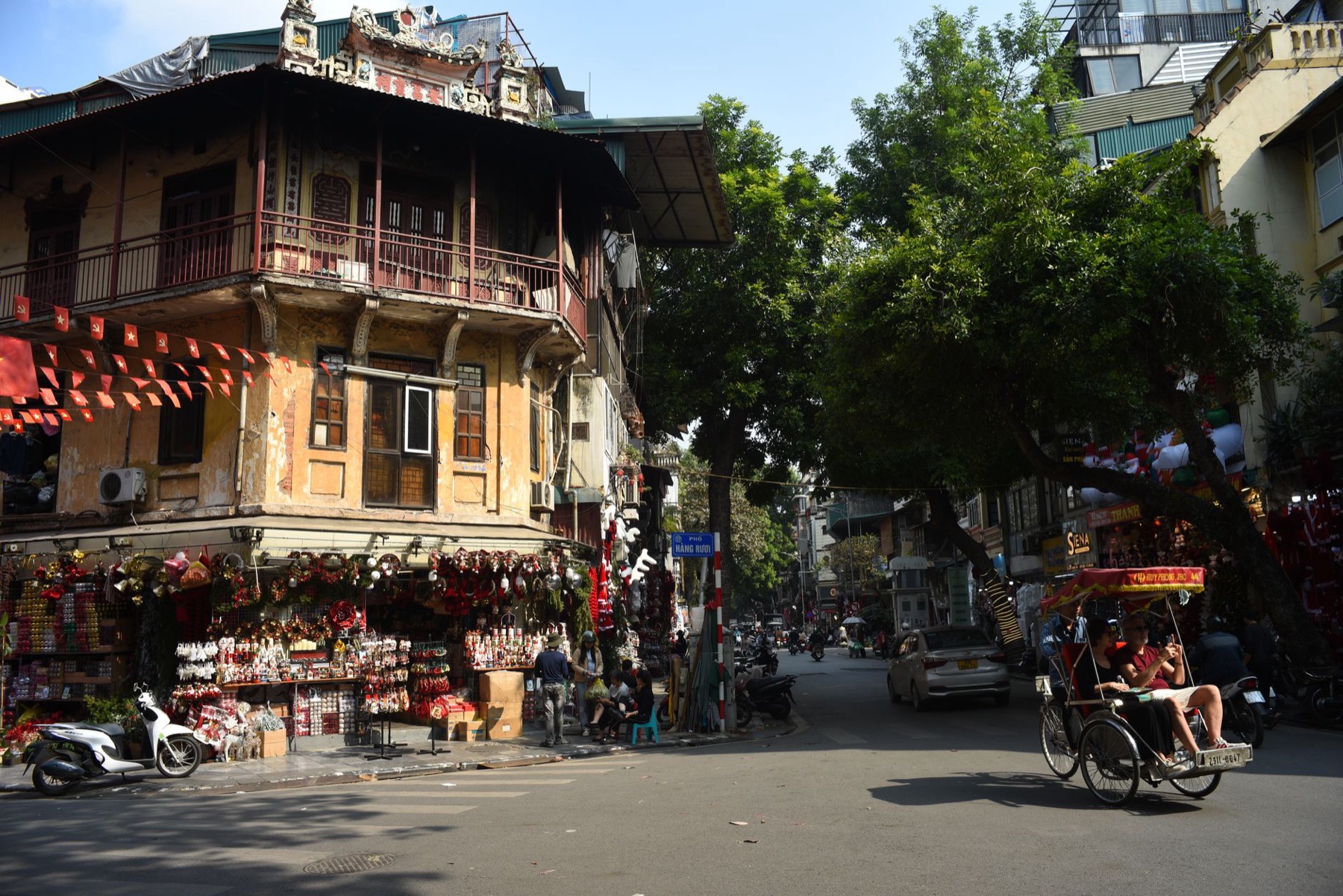
Which Hanoi Neighborhoods Sell Authentic Souvenirs vs. Tourist Traps?
Old Quarter (Hoan Kiem District): Nguyen Hue, Nha Tho, and Hang Gai streets pack silk scarves, embroidered shoulder bags, and lacquerware. Prices run 20–50% above maker cost due to foot traffic; bargain gently (expect 10–20% off). Most shops open 9 a.m.–6 p.m. daily. Avoid "free tea" invites that lead to inflated bills; politely decline.
Dong Xuan Market (Old Quarter edge): Vietnam's largest indoor market sprawls across three floors. Ground level: textiles, silk, synthetic fabrics. Second floor: household goods, knockoff electronics. Third floor: luggage, bags. Prices undercut street shops by 15–30% because volume moves fast. Go early (7–9 a.m.) before crowds. No refunds; inspect weaves and zippers before paying.
Nguyen Hue Pedestrian Street: Communist-era boulevard turned weekend walking zone. Weekend nights (Friday–Sunday, 6 p.m.–11 p.m.) host food stalls and pop-up craft vendors. Prices: mid-range. Crowds: thick. Authentic? Mixed—some artisans, some resellers.
Ba Trieu District & Pho Hue Street: Quieter, neighborhood-level shops sell ceramics, pottery, and stone carvings direct from small makers. Prices 20–30% lower than Old Quarter; English-language skills are weaker. Bring a translation app or shop photos. Opening hours: erratic (10 a.m.–5 p.m. typical, but closed Mondays or Tuesdays without notice).
Mong Mong Market (Tay Ho District): Suburban, less touristy. Hanoi residents hunt here for fresh produce, textiles, and household crafts. Souvenir selection is thinner than Old Quarter, but bargains are steeper (30–50% savings if you haggle). Takes a 20-minute taxi ride (around $3 USD); consider only if seeking specific ceramics or vintage textiles.
What Gifts Ship Safely & Arrive Within 5–10 Days?
The best carry-home items balance weight, fragility, and durability. Below is a real-world comparison:
| Gift Type | Ideal For | Typical Price (VND) | USD Equiv. | Ship Risk | Packing Tip |
|---|---|---|---|---|---|
| Silk scarves (100% mulberry) | Any traveler, corporate gifts | 300k–800k | $12–32 | Very low | Fold flat, wrap in tissue |
| Lacquerware box (small, 4×4 in.) | Keepsakes, jewelry storage | 150k–400k | $6–16 | Medium (chipping) | Bubble wrap, rigid box |
| Ceramic bowls, hand-painted | Home décor, 1–2 pieces | 50k–200k each | $2–8 | Medium (cracking) | Wrap individually, newspaper padding |
| Water-puppet figurines (wooden, 2–3 in.) | Desk décor, novelty | 80k–250k | $3–10 | Low | Tissue paper, crush-proof box |
| Embroidered pillow cover (cotton) | Home, gifts | 120k–350k | $5–14 | Very low | Fold flat, moisture-proof bag |
| Conical hat (nón lá, authentic palm) | Statement piece, wear-in luggage | 30k–150k | $1.20–6 | Low (crushes easily) | Carry in hand luggage, shape preservation |
| Stone/marble miniature Buddha | Shelf décor | 200k–600k | $8–24 | Medium (weight adds cost) | Wrap heavily, declare on customs form |
| Coffee (roasted whole beans, 500g) | Food gift, light | 100k–300k | $4–12 | Very low | Seal in airtight bag, pack flat |
Shop Smart: Flat-rate shipping via post office costs around 500k–800k VND ($20–32) to the US for items under 2 kg; weight-based services run cheaper for lighter goods (under 500g = 200k–350k VND / $8–14). Declare true value; underdeclaring risks customs holds.
📸 Book an ao dai photoshoot in Hanoi or Saigon (Cáo Studio)
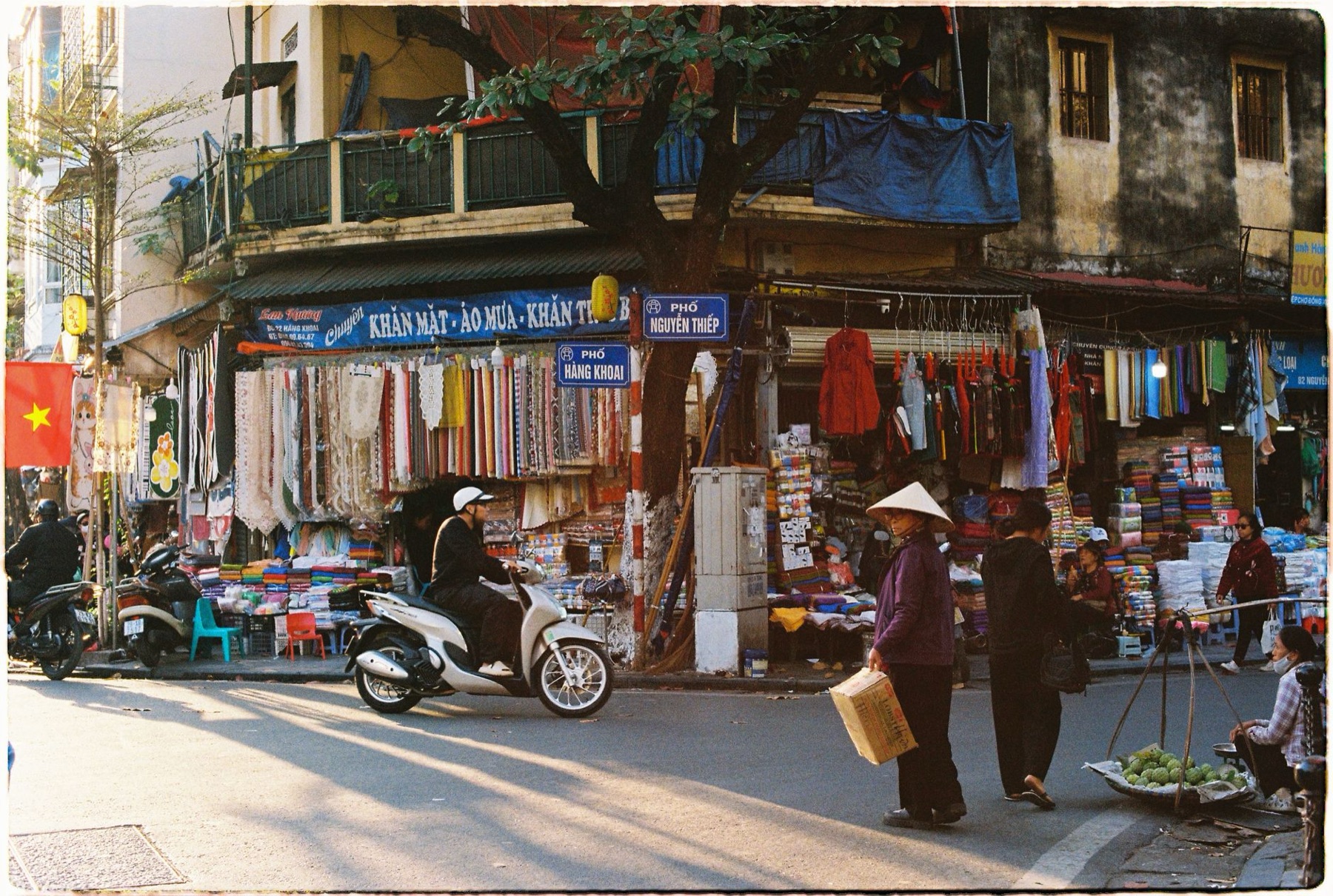
Where Do Hanoi Locals Buy Gifts for Visitors?
Locals avoid tourist-priced Old Quarter. Instead:
- Craft galleries in Ba Dinh District: Smaller, artist-run studios near Ho Tay (West Lake) sell ceramics, paintings, and textile art at maker prices. Quality is higher; English is less common. Haggling: rare or rude. Payment: cash only, mostly.
- Night markets (Hang Da, Hang Chieu): Saturday–Sunday evenings, 6–10 p.m. Local vendors sell fresh textiles, inexpensive keepsakes, and street snacks. Tourist density: low. Bargaining: expected and sharper.
- Hang Gai Street (mid-section, beyond main tourist zone): Walk past the first 200m of crowded silk stalls and find quieter, serious workshops. Prices stabilize. Staff: less rehearsed English pitch, more honest about quality.
- Hoa Lang Thang flower delivery: For local gifts of fresh flowers, potted plants, or preserved-flower arrangements, this Hanoi-based service delivers same-day and accepts custom requests. Ideal if you're staying multi-day and want to send a souvenir arrangement to a new friend.
Hoa Lang Thang flower delivery specializes in Hanoi deliveries; book online or call ahead.
How to Avoid Common Buying Mistakes Before Checkout?
Inspect before paying:
- Silk: Hold up to light. Real mulberry silk shows uniform weave with slight irregularities; synthetic feels slick and uniform.
- Lacquerware: Run fingernail gently along edges—real lacquer feels smooth and slightly tacky; cheap plastic is shiny but hollow-sounding when tapped.
- Ceramics: Check glaze for chips, check base for uneven firing (tells you if it's handmade or mass-cast).
- Embroidery: Pull gently on threads—they should not unravel; knots should be tight on the back side.
- Water-puppet figurines: Wooden ones should have no cracks; paint should not flake when you brush a finger lightly.
Before ordering online or from distant makers:
- Ask for close-up photos of seams, glaze, or paint.
- Request weight and dimensions (impacts shipping cost).
- Confirm return/refund policy in writing (many small Hanoi vendors do not accept returns).
- Pay via PayPal, card, or escrow if the shop offers it—reduces chargeback hassle if items don't arrive.
Red flags to skip:
- "Antique" items cheaper than new ones (fakes).
- Vendor pressure to buy immediately ("Last one today!").
- Lacquerware that smells chemical and acrid (low-grade resin, not true lacquer).
- Silk items that crease permanently after gentle folding (blend or synthetic).
🎟️ Compare tours & tickets for this place
How Does Hanoi Fit Into a Longer Vietnam Trip?
Most travelers allocate 2–4 days in Hanoi, then move onward. Hanoi is the logical entry point for northern Vietnam tours (3–5 day Ha Long Bay trips, Ninh Binh countryside, or Sapa hill treks start from here). If you're doing a month-long Vietnam loop, Hanoi comes first or last; you'll visit Ho Chi Minh City (south, 2 flights or 30-hour train), Hoi An (central coast, tailoring hub), Ha Long Bay (cruise tours, Hanoi day-trip base), Ninh Binh (limestone caves, 2-hour drive), and Sapa (northern mountains, overnight train). Budget enough days to source serious souvenirs if gifts matter; rushed trips yield impulse buys.
Hanoi works best when you combine sightseeing with smart shopping. Download a Vietnam eSIM for data, book your route on Vietnam's itinerary planner, and allow time to explore quieter Ba Trieu or Ba Dinh galleries instead of racing through Old Quarter stalls.
If you're planning an ao dai (traditional silk dress) photoshoot while in Hanoi, Cáo Studio offers professional makeup, hair, and photography in multiple locations—a keepsake far better than mass-produced souvenirs. They also serve Saigon travelers.
Shopping in Hanoi is a marathon, not a sprint. Pace yourself, inspect thoroughly, and ship early; last-minute airport buys cost 2–3× as much and often break in transit.
FAQ
What is the best time of year to visit Hanoi and buy souvenirs?
October–November and February–March offer 65–75°F temperatures and dry conditions ideal for walking and protecting leather goods during transit. Avoid April–September (sweltering, monsoons damage items) and December–January (cold, less pleasant for outdoor markets). Plan around your comfort level and what goods you want to ship.
How much should I budget for souvenirs in Hanoi per day?
Budget $10–30 daily for quality keepsakes. Silk scarves run $12–32 each; lacquerware boxes $6–16; ceramics $2–8 per piece. Old Quarter prices inflate 20–50% above maker cost; neighborhood markets like Ba Trieu undercut by 20–30%. A typical 3-day shop haul (5–8 items) costs $50–150 USD with shipping.
Is it safe to ship gifts from Hanoi to the US, and how long does it take?
Yes. Post office flat-rate shipping (up to 2 kg) costs around $20–32 and arrives in 5–10 days. Weight-based services are cheaper for lighter items (under 500g = $8–14). Declare true value to avoid customs holds. Most vendors can arrange shipping; confirm insurance and tracking before handing over items.
What are the most overrated souvenirs to skip in Hanoi?
Avoid cheap "antique" lacquerware (plastic-based resin, not real urushi), mass-produced water-puppet figurines from stall-front factories, synthetic "silk" scarves (fails light test), and items that reek of chemical solvents. Authentic silk, small ceramics from artisan studios, and embroidered textiles hold value and pack smaller.
Which Hanoi neighborhood should I shop in if I'm short on time?
Hang Gai Street (Old Quarter, mid-section beyond the first tourist cluster) balances price, quality, and convenience—a 20-minute walk from Hoan Kiem Lake. Prices are 10–30% lower than the main tourist stretch, and you'll meet less hard-sell pressure. Open 9 a.m.–6 p.m. daily. Bring cash (some shops don't take cards) and haggle softly.
Can I visit Hanoi souvenirs shops if I don't speak Vietnamese?
Yes. Download Google Translate, carry a phrasebook, or use visual shopping (point and inspect). Hanoi's Old Quarter attracts millions of tourists; English is common among younger staff. Neighborhood markets (Ba Trieu, Mong Mong) have weaker English but friendlier, slower haggling. Bring a friend or join a guided market tour if language stress worries you. --- 🗺️ Plan your route: Vietnam itinerary | 🎟️ Compare tours & tickets for this place
FAQ
What is the best time of year to visit Hanoi and buy souvenirs?
October–November and February–March offer 65–75°F temperatures and dry conditions ideal for walking and protecting leather goods during transit. Avoid April–September (sweltering, monsoons damage items) and December–January (cold, less pleasant for outdoor markets). Plan around your comfort level and what goods you want to ship.
How much should I budget for souvenirs in Hanoi per day?
Budget $10–30 daily for quality keepsakes. Silk scarves run $12–32 each; lacquerware boxes $6–16; ceramics $2–8 per piece. Old Quarter prices inflate 20–50% above maker cost; neighborhood markets like Ba Trieu undercut by 20–30%. A typical 3-day shop haul (5–8 items) costs $50–150 USD with shipping.
Is it safe to ship gifts from Hanoi to the US, and how long does it take?
Yes. Post office flat-rate shipping (up to 2 kg) costs around $20–32 and arrives in 5–10 days. Weight-based services are cheaper for lighter items (under 500g = $8–14). Declare true value to avoid customs holds. Most vendors can arrange shipping; confirm insurance and tracking before handing over items.
What are the most overrated souvenirs to skip in Hanoi?
Avoid cheap "antique" lacquerware (plastic-based resin, not real urushi), mass-produced water-puppet figurines from stall-front factories, synthetic "silk" scarves (fails light test), and items that reek of chemical solvents. Authentic silk, small ceramics from artisan studios, and embroidered textiles hold value and pack smaller.
Which Hanoi neighborhood should I shop in if I'm short on time?
Hang Gai Street (Old Quarter, mid-section beyond the first tourist cluster) balances price, quality, and convenience—a 20-minute walk from Hoan Kiem Lake. Prices are 10–30% lower than the main tourist stretch, and you'll meet less hard-sell pressure. Open 9 a.m.–6 p.m. daily. Bring cash (some shops don't take cards) and haggle softly.
Can I visit Hanoi souvenirs shops if I don't speak Vietnamese?
Yes. Download Google Translate, carry a phrasebook, or use visual shopping (point and inspect). Hanoi's Old Quarter attracts millions of tourists; English is common among younger staff. Neighborhood markets (Ba Trieu, Mong Mong) have weaker English but friendlier, slower haggling. Bring a friend or join a guided market tour if language stress worries you. --- [🗺️ Plan your route: Vietnam itinerary](/vietnam/itinerary) | [🎟️ Compare tours & tickets for this place](/vietnam/tours)