Hanoi · Itinerary
Hanoi Itinerary: 3 Days to Old Quarter, Lakes & Street Food
By Wander in Vietnam editorial team · Hanoi, Vietnam
A solid Hanoi itinerary spans 3 days: Old Quarter walking tour and Hoan Kiem Lake Day 1; Ho Tay (West Lake) and temples Day 2; Long Bien Bridge, local markets, and evening street food Day 3. Wander in Vietnam recommends skipping Hanoi Tower and focusing instead on neighborhood rhythm—the food, people, and narrow streets define the city better than monuments.
Most first-time visitors arrive expecting a neat tourism loop. Instead, Hanoi rewards patience—wandering alleys, sitting at plastic stools, watching motorbike traffic from a corner café. This guide cuts through the noise and tells you exactly where to spend your time and money, what locals actually do, and which famous spots are tourist traps.
How Many Days Do You Really Need in Hanoi?
Three days is the minimum to feel Hanoi without rushing. Day 1 immerses you in the Old Quarter's sensory overload; Day 2 lets you escape to quieter temples and West Lake; Day 3 adds depth—markets, local eateries, and street patterns. Stay longer if you love food, photography, or simply sitting in cafés.
If you arrive from or heading to northern Vietnam (Sapa, Ha Long Bay), add a day here on either end. If you're planning a full Vietnam itinerary, Hanoi typically takes 3–4 days before moving south.
Day 1: Old Quarter & Hoan Kiem Lake—What Actually Works?
Morning (6:00–9:00 a.m.): Hoan Kiem Lake's east bank fills with tai chi practitioners, joggers, and elderly locals. Walk the lake's perimeter; buy coffee from a corner stand (around 15,000–25,000 VND / $0.60–$1 USD). The water is murky; skip the island temple unless you're into crowds.
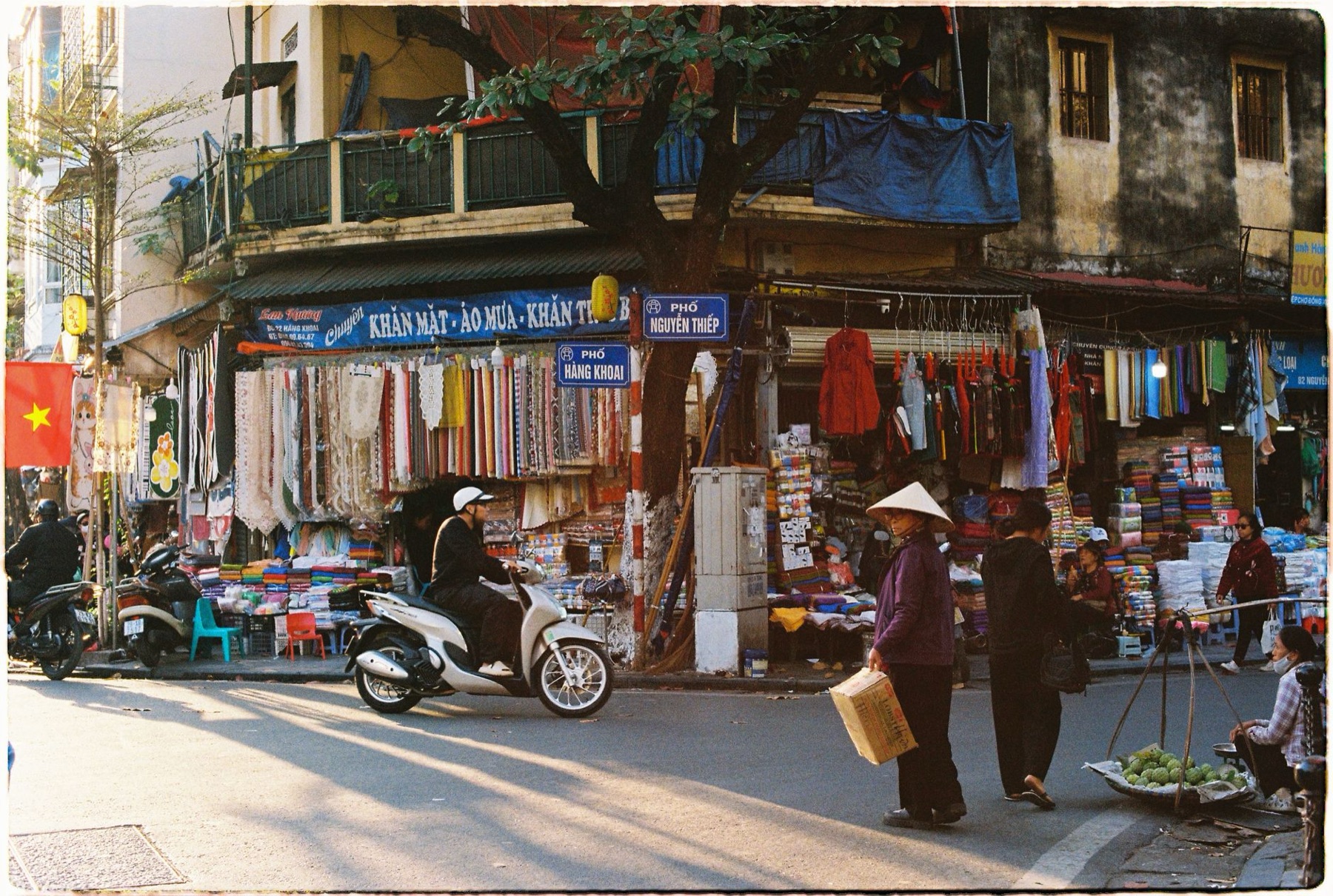
Late morning to afternoon (9:00 a.m.–2:00 p.m.): Enter the Old Quarter from Hang Dao Street (the silk street—now mostly tourist shops, but the alley structure is authentic). Move through Silver Street (Hang Bac), where small metal-shop families still work. Eat banh mi from a streetside cart (around 20,000–30,000 VND / $0.80–$1.20 USD); it's cheaper and better than restaurants.
Honest take: The Old Quarter is genuinely chaotic—narrow, loud, motorbikes constant. If you hate chaos, skip it or visit 7:00–8:00 a.m. when traffic is lighter. Tourist-trap restaurants line Hang Dao; they're not bad, just overpriced. Instead, eat where you see locals eating: small plastic stools, no English menu, owner eating too.
Late afternoon (3:00–6:00 p.m.): Walk the west side of Hoan Kiem (Temple Street, Hang Trong). Sit at a ca phe sua (iced coffee with condensed milk) café; cost around 15,000–20,000 VND / $0.60–$0.80 USD. Wander back toward the cathedral area and evening stroll.
---
📸 Book an ao dai photoshoot in Hanoi or Saigon (Cáo Studio)
Day 2: West Lake & Temples—Where to Go, Where to Skip?
Morning (7:00–11:00 a.m.): West Lake (Ho Tay) is where wealthy Hanoians cycle and cafés are calmer. Rent a motorbike or grab a taxi (around 100,000–150,000 VND / $4–$6 USD for the driver for a 2-hour loop). Start at the north shore, stop at Tran Quoc Pagoda (one of Vietnam's oldest, built 6th century; entrance donation around 10,000 VND / $0.40 USD). The pagoda itself is small but peaceful; most visitors are local worshippers, not tour groups.
Afternoon (12:00–4:00 p.m.): Lunch near West Lake—grab grilled fish (ca nuong) or pho at a local stall (around 40,000–60,000 VND / $1.60–$2.40 USD). Visit the Temple of Literature (Van Mieu), Hanoi's oldest university (1070), in a quieter south-central location. Grounds are lovely; avoid weekends when school groups jam it. Entry around 30,000 VND / $1.20 USD.
Evening (5:00 p.m.+): Sunset from a West Lake café (coffee or beer, 20,000–40,000 VND / $0.80–$1.60 USD). Dinner at a street-food cluster—many in the Tay Ho (West Lake) ward have outdoor seating and energy.
Honest take: West Lake feels like a break from the city center, which many visitors need. The pagoda is genuine; most tourism boards oversell temple "must-sees." The Temple of Literature is worth an hour, but it's not life-changing if you've seen temples elsewhere.
---
🗺️ Plan your route: Vietnam itinerary
Day 3: Markets, Long Bien Bridge & Local Street Food—How to Eat Like a Local?
Early morning (6:00–8:00 a.m.): Visit Dong Xuan Market (the Old Quarter's central market), a 3-story covered space where locals shop for produce, textiles, and everyday goods. Arrive early to see rhythm and avoid afternoon heat. Watch banh cuon (rolled rice cakes) being steamed at stalls inside. Buy breakfast: pho, banh cuon, or com tay cam (clay-pot rice) for 25,000–35,000 VND / $1–$1.40 USD. Take photos respectfully; ask before shooting vendors' faces.
Mid-morning (8:30–11:00 a.m.): Walk to Long Bien Bridge (the iron rail bridge from 1902, symbol of Hanoi's French colonial past and Vietnam War history). Walk it on foot—motorbike traffic is manageable. North end leads to poorer wards; return to central areas for late morning.
Lunch (11:30 a.m.–1:00 p.m.): Eat bun cha (grilled pork with noodles) at a family-run stall. A full meal: around 35,000–50,000 VND / $1.40–$2 USD. Sit where locals sit; the plastic-stool spots are the real ones. Avoid restaurant chains.
Afternoon (2:00–5:00 p.m.): Optional—visit a neighborhood you haven't explored. Hop on a motorbike taxi (grab bike) and ask the driver to take you to a quiet café street or residential ward. Cost around 15,000–25,000 VND / $0.60–$1 USD per ride.
Evening (6:00 p.m.+): Street food crawl. Neighborhoods like Hang Muoi (near Old Quarter) have clusters of banh mi, com cay (spicy rice), and grilled meats. A full evening meal sampling 3–4 dishes: around 60,000–100,000 VND / $2.40–$4 USD. Skip the tourist-heavy "food tours" unless you want translation; eat where you see crowds of locals.
---
Day Trips & Extensions from Hanoi—Should You Spend a 4th Day?
If you have 4+ days, add:
- Ha Long Bay (2–3 hours drive, overnight cruise): Limestone karsts and seawater. Popular but genuinely stunning. Budget 1.5–2 days.
- Ninh Binh (2 hours south): Quieter karsts, rice paddies, less touristy than Ha Long. 1–2 days.
- Sapa (5+ hours north by road or overnight train): Terraced rice, ethnic minorities, mountain air. 2–3 days minimum to justify travel time.
Most visitors do Hanoi 3 days, then Ha Long or Sapa. Long Bien Bridge and markets can compress to a half-day if you extend elsewhere.
---
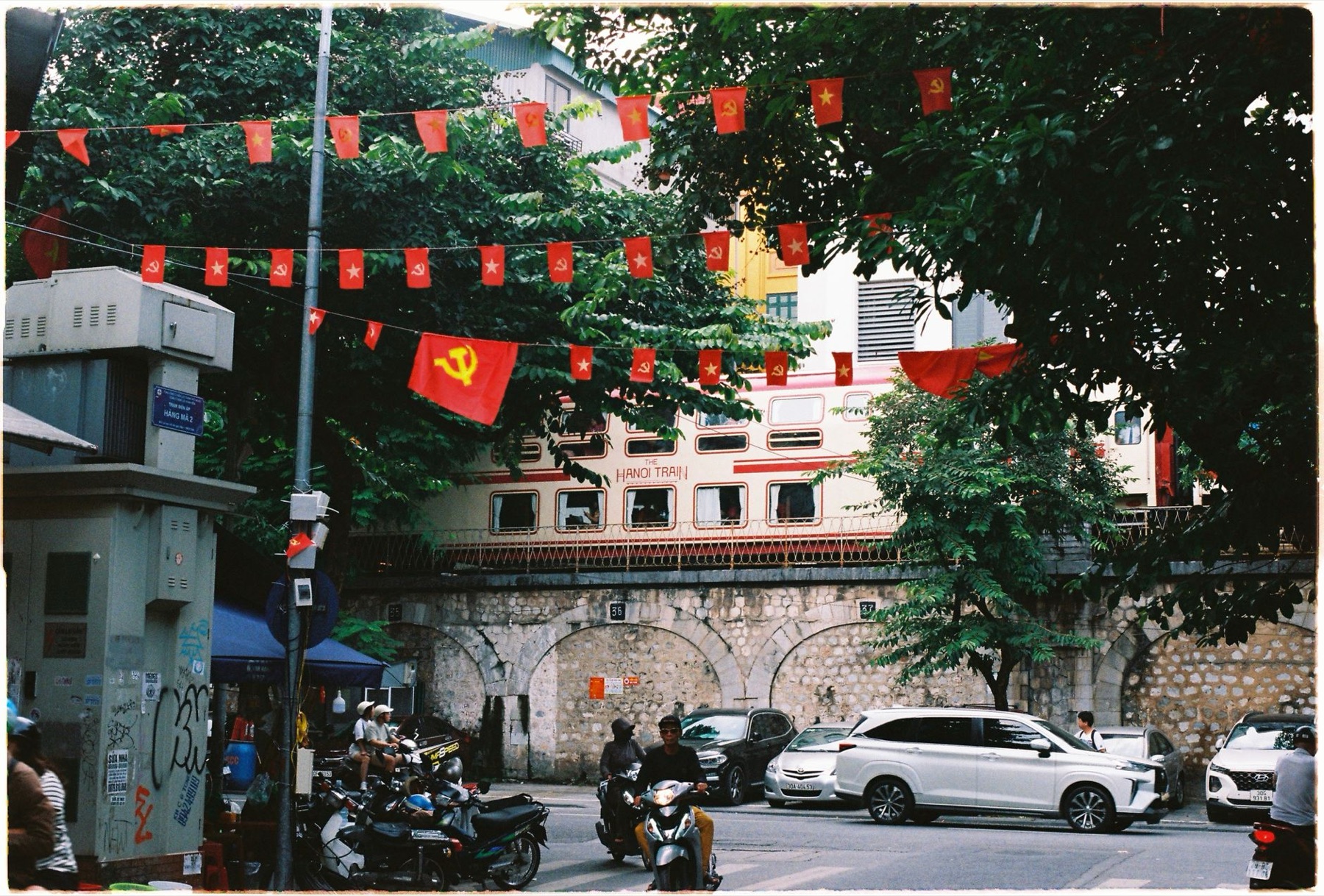
How to Move Around Hanoi Without Getting Lost or Scammed?
| Method | Cost per trip | Best for | Honest take |
|---|---|---|---|
| Walk | Free | Short distances, Old Quarter | Tiring but immersive; watch for motorbikes |
| Grab (app-based taxi) | 15,000–50,000 VND / $0.60–$2 USD | Longer routes, evening safety | Reliable; drivers often don't know side streets |
| Motorbike taxi (Grab Bike) | 10,000–30,000 VND / $0.40–$1.20 USD | Speed, locals feel | Thrilling; not for first-timers nervous about traffic |
| Rental motorbike | ~300,000–500,000 VND / $12–$20 USD per day | 2+ days, trips outside city | You control timing; traffic rules are loose; accident risk real |
| Hotel taxi (metered or prearranged) | 20,000–80,000 VND / $0.80–$3.20 USD | Comfort, night travel | Safest; slower; older drivers more reliable than young |
Scams to avoid:
- Unlicensed taxis (real Grab or hotel taxis only).
- Cyclo riders quoting prices—agree in VND upfront or use no negotiation.
- Gem shops or tailors recommended by "friendly locals"—commission traps.
- Overpriced restaurant bills—ask price before ordering, check menu.
Before you book tours, check Vietnam entry requirements (e-visa) and grab a local eSIM so you can map and message without roaming fees.
---
🎟️ Compare tours & tickets for this place
What to Check Before You Book or Pack for Hanoi
- Season: October–November and March–April are perfect (20–25°C / 68–77°F). December–February is cool and dry but crowded. May–September is hot, humid, and rainy (bring an umbrella).
- Visa: Americans, Brits, Australians, and EU nationals need Vietnam e-visa (30 days, around $25). Process online 3–5 days before arrival.
- Internet: Grab a local eSIM at the airport or buy a prepaid SIM card (~50,000–100,000 VND / $2–$4 USD for data) before arriving. Hotel WiFi is often slow.
- Money: ATMs are everywhere (small fees 20,000–30,000 VND / $0.80–$1.20 USD per withdrawal). Cash is still king in markets and street food. Credit cards work in hotels and big restaurants.
- Luggage: A light daypack and one main bag fit motorbike taxis better than huge suitcases. Leave large luggage at your hotel when exploring markets.
- Dress: Comfortable walking shoes (streets are uneven), long pants/skirts for temple visits, sunscreen, and a light rain jacket.
---
What Gifts or Keepsakes Capture Hanoi's Feeling?
If you want to take Hanoi home—or send it to someone—consider:
- Ao Dai keepsakes: Book an ao dai photoshoot in Hanoi (Cáo Studio)—wear a custom Vietnamese silk dress, professional hair and makeup, photos in Old Quarter settings. Print a framed photo or canvas as a memory or gift.
- Personalized keepsakes: Custom items (engraved boxes, star maps of your Hanoi trip date, leather journals) from our personalized gifts collection—ship them home or to someone you love.
- Hanoi-themed prints or maps: Wall art of Hoan Kiem Lake, Old Quarter alley maps, or Long Bien Bridge from our travel art collection.
- Local coffee or silk: Buy real Vietnamese silk scarves at Dong Xuan Market or coffee from local roasters—lighter to carry home than souvenirs from tourist stalls.
For same-city delivery (birthday, apology, celebration), Hoa Lang Thang sends fresh flowers in Hanoi—a local florist for travelers and residents.
---
Final Honest Take: Is Hanoi Worth the Time?
Yes—but only if you're patient with chaos and open to sitting quietly in cafés. Hanoi rewards wanderers more than tick-box tourists. The Old Quarter will overwhelm you; let it. Hoan Kiem Lake and West Lake offer calm when you need it. The food is the real star, not monuments.
Skip Hanoi Tower, skip most temple "must-sees," skip tour-group restaurants. Instead: eat banh mi at dawn, walk narrow alleys, watch motorbike ballet from a plastic stool with iced coffee. That's Hanoi.
---
FAQ
Is 2 days in Hanoi enough, or do I need 3?
Three days is ideal—one for Old Quarter immersion, one for West Lake and temples, one for markets and local rhythm. Two days covers the highlights but feels rushed. If you're tight on time, prioritize Old Quarter and Hoan Kiem Lake Day 1, West Lake or Temple of Literature Day 2.
What's the best time of year to visit Hanoi?
October–November and March–April offer perfect weather (20–25°C / 68–77°F), low rain, and fewer crowds than December–February. Avoid May–September (hot, humid, rainy). January–February is dry but chilly and peak tourist season.
Should I hire a tour guide or explore Hanoi on my own?
Solo exploration works fine if you're comfortable with maps and street chaos. A local guide (half-day, around 300,000–500,000 VND / $12–$20 USD) helps if you want historical context or local connections. Skip generic tour-group options; find independent guides via Grab or your hotel.
How much should I budget per day in Hanoi (food, transport, entry fees)?
Budget 200,000–400,000 VND / $8–$16 USD daily if eating street food and using Grab taxis. Higher-end travelers spending 500,000–1,000,000 VND / $20–$40 USD daily for nicer restaurants and entry fees. Entry fees are cheap (temples, markets free or ~30,000 VND / $1.20 USD).
What's the safest way to get around Hanoi at night?
Use Grab app (ride-hailing, always has insurance), hotel-arranged taxis, or stay in Old Quarter or West Lake where walking is safe. Motorbike taxis are fast but riskier in traffic at night. Avoid unlicensed cabs and empty alleys after midnight.
Is it safe to eat street food in Hanoi, or will I get sick?
Street food is generally safe—vendors cook constantly, food moves fast, and locals eat the same meals. Risk rises if you eat raw vegetables or uncooked items. Stick to cooked dishes (pho, banh mi, grilled meats). Drink bottled water, not tap. Your stomach may adjust in the first 1–2 days; that's normal, not sickness.
Should I take a motorbike taxi or is it too dangerous for tourists?
Motorbike taxis are safe if the driver wears a helmet and you trust traffic sense. Avoid them if you're anxious in traffic. Grab Bike (app-based) pairs you with regular drivers. Ride behind them, hold on, lean with turns. Many travelers do it; many avoid it. Your choice based on comfort level.
FAQ
Is 2 days in Hanoi enough, or do I need 3?
Three days is ideal—one for Old Quarter immersion, one for West Lake and temples, one for markets and local rhythm. Two days covers the highlights but feels rushed. If you're tight on time, prioritize Old Quarter and Hoan Kiem Lake Day 1, West Lake or Temple of Literature Day 2.
What's the best time of year to visit Hanoi?
October–November and March–April offer perfect weather (20–25°C / 68–77°F), low rain, and fewer crowds than December–February. Avoid May–September (hot, humid, rainy). January–February is dry but chilly and peak tourist season.
Should I hire a tour guide or explore Hanoi on my own?
Solo exploration works fine if you're comfortable with maps and street chaos. A local guide (half-day, around 300,000–500,000 VND / $12–$20 USD) helps if you want historical context or local connections. Skip generic tour-group options; find independent guides via Grab or your hotel.
How much should I budget per day in Hanoi (food, transport, entry fees)?
Budget 200,000–400,000 VND / $8–$16 USD daily if eating street food and using Grab taxis. Higher-end travelers spending 500,000–1,000,000 VND / $20–$40 USD daily for nicer restaurants and entry fees. Entry fees are cheap (temples, markets free or ~30,000 VND / $1.20 USD).
What's the safest way to get around Hanoi at night?
Use Grab app (ride-hailing, always has insurance), hotel-arranged taxis, or stay in Old Quarter or West Lake where walking is safe. Motorbike taxis are fast but riskier in traffic at night. Avoid unlicensed cabs and empty alleys after midnight.
Is it safe to eat street food in Hanoi, or will I get sick?
Street food is generally safe—vendors cook constantly, food moves fast, and locals eat the same meals. Risk rises if you eat raw vegetables or uncooked items. Stick to cooked dishes (*pho*, *banh mi*, grilled meats). Drink bottled water, not tap. Your stomach may adjust in the first 1–2 days; that's normal, not sickness.
Should I take a motorbike taxi or is it too dangerous for tourists?
Motorbike taxis are safe if the driver wears a helmet and you trust traffic sense. Avoid them if you're anxious in traffic. Grab Bike (app-based) pairs you with regular drivers. Ride behind them, hold on, lean with turns. Many travelers do it; many avoid it. Your choice based on comfort level.