Hanoi
Hanoi itinerary for first-timers: 3 days of must-sees and hidden spots
By Wander in Vietnam editorial team · Hanoi, Vietnam
A solid first-time Hanoi itinerary spans 3–4 days and weaves together the Old Quarter's chaos (Pham Ngu Lao, Hang Ngang streets), water-puppet theater in Ba Dinh district, the serene Temple of Literature in Dong Da, and daylong street-food crawls in Ba Trom and Hang Dao. Expect to move on foot or cyclo (around 40,000–60,000 VND/$1.60–$2.40 per trip). Morning coffee at a sidewalk bia hoi costs 15,000–25,000 VND ($0.60–$1). Skip the hyped tourist cafes in the Old Quarter's core; instead, walk 200m north into residential blocks where locals actually live and eat. Wander in Vietnam recommends anchoring each day to one neighborhood rather than chasing ten sites—depth beats breadth in Hanoi. ---
What do first-timers absolutely need to see in the Old Quarter?
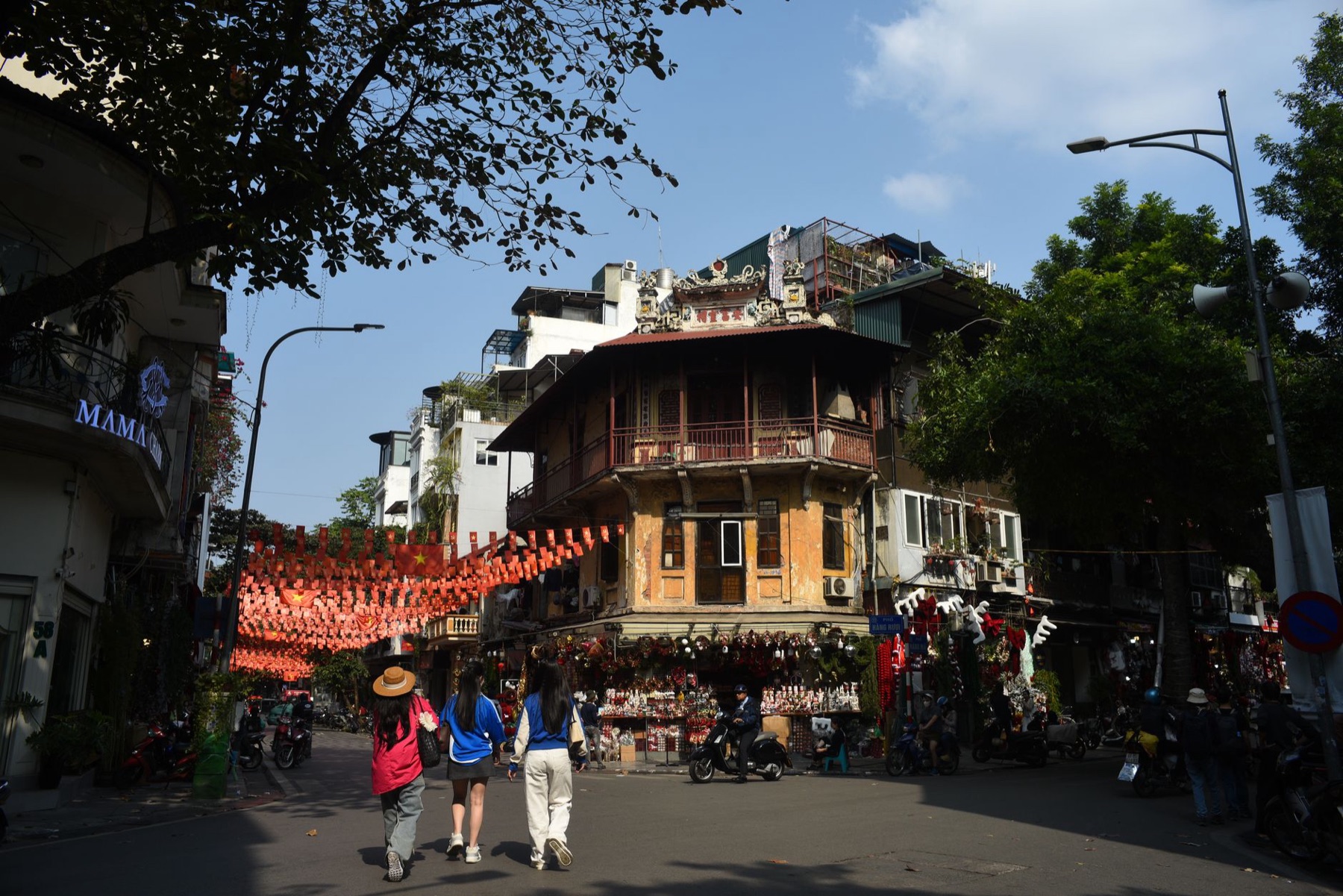
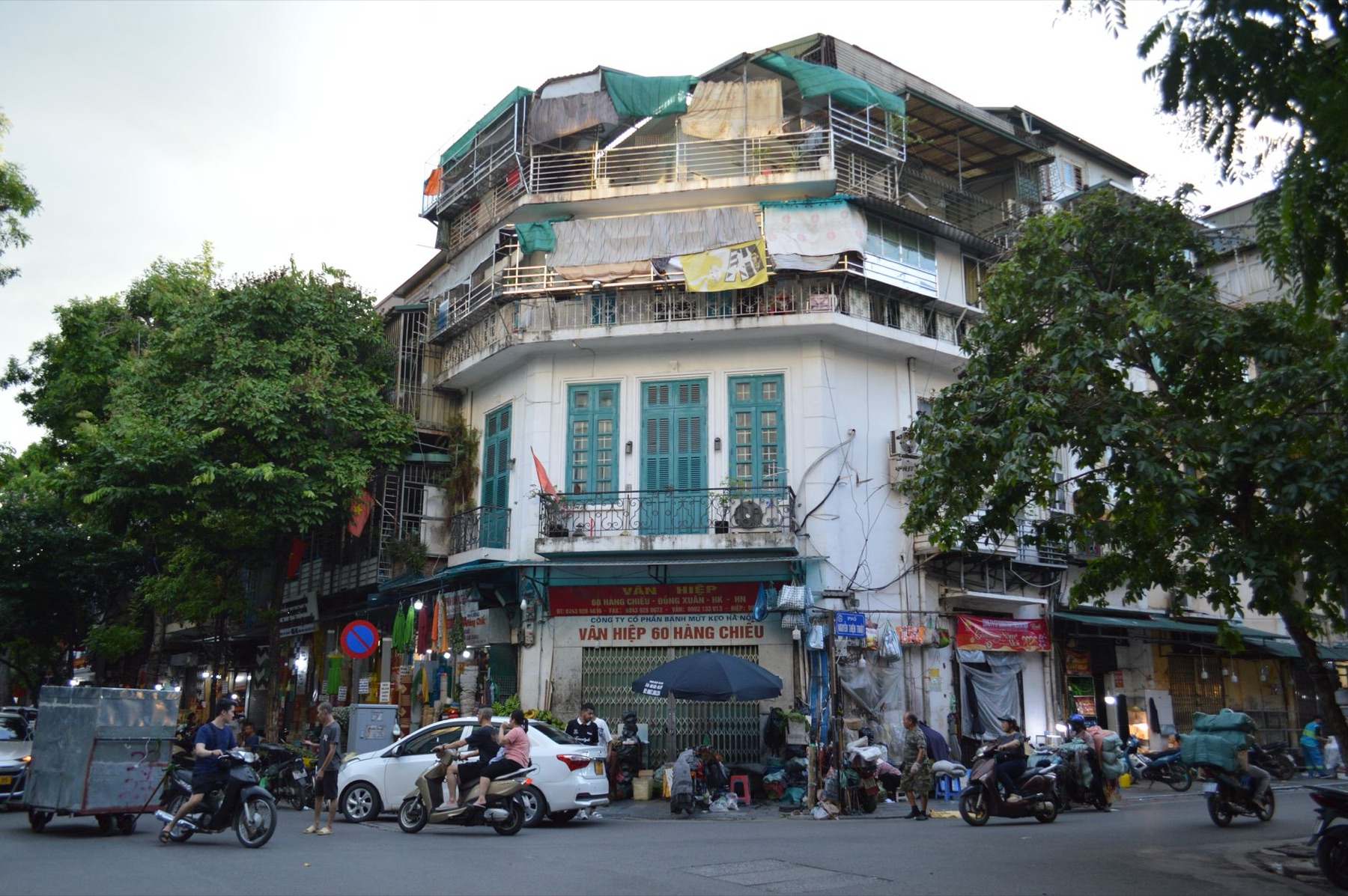
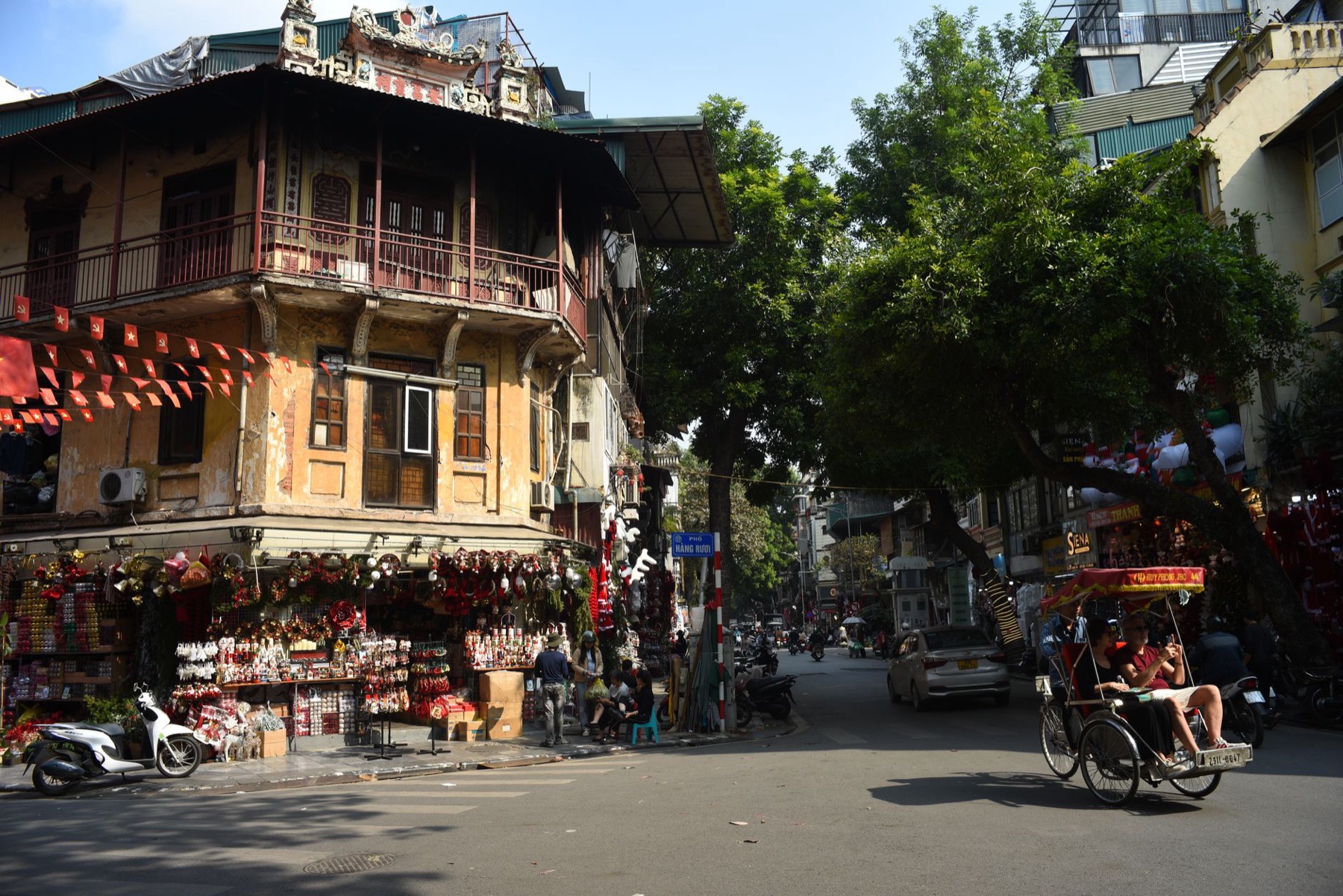
The Old Quarter (Hoàn Kiếm district, roughly Trang Tien to Hang Ngang) is Hanoi's historic heart: narrow lanes named after goods once sold there (Hang Gai = silk street, Hang Bac = silver), shop-houses dating to the 1880s, and street food at every corner. You'll spend 1–2 days here minimum.
The mistake most visitors make is staying only in the core tourist zone (Pham Ngu Lao to Hoan Kiem Lake) and eating at inflated-menu restaurants on the main drag. Instead, walk north into quieter blocks like Hang Be, Hang Quat, and the alleys west of St. Joseph Cathedral. Bia hoi (draft beer) stalls, banh mi stands, and noodle shops here serve the same food as tourist versions, but at half the price and full of locals. A bowl of pho at a proper pho shop (not a tourist setup) costs around 35,000–50,000 VND ($1.40–$2) and tastes incomparably better.
One afternoon, climb to the top of Hoan Kiem Lake's Tran Quoc Pagoda or simply loop the lake on foot—it's free and gives you breathing room from the street noise.
🗺️ Plan your route: Vietnam itinerary
Should I prioritize temples or water puppets on day two?
Neither is a waste; pick one as your anchor and pair it with a neighborhood dive. Water-puppet theater (Thang Long Water Puppet Theater, Ba Dinh district, or the National Puppetry Theatre in Hoàn Kiếm) runs evening shows around 20:00–21:00; tickets are roughly 100,000–150,000 VND ($4–$6). It's a real art form, not a tourist gimmick, though expect crowds and a 45-minute show in Vietnamese (no subtitles, but the action is obvious).
Temples worth your time: Temple of Literature (Van Mieu) in Dong Da district—built 1070, still functioning as a teaching space and serene garden. Entry around 30,000 VND ($1.20). One Pillar Pagoda (Ho Chi Minh Mausoleum complex, Ba Dinh) is architecturally unique (rebuilt after 1954 war damage) but often packed with school groups 09:00–12:00; go early or skip. Tran Quoc Pagoda (Tay Ho district, near Hoan Kiem Lake's north side) is quieter, free, and overlooks West Lake.
Real call: if you've seen temples elsewhere in Vietnam, skip these and spend the morning at Dong Xuan Market or a local wet market like Hom Market (Ben Thanh district), then afternoon with a motorbike guide exploring residential neighborhoods in Tay Ho or Ha Ba Trung.
How should I approach street food without getting sick?
Hanoi's street food is carefully made and safe if you follow one rule: eat where locals eat, continuously, and where there's turnover. A busy banh mi stall that sells out by 10:00 uses fresh ingredients daily. A quiet restaurant with a tourist menu? Skip it.
Stick to these (and your gut will thank you):
- Pho (Ba Trom alley or Hang Dao): beef noodle soup, cooked fresh, around 35,000–50,000 VND ($1.40–$2).
- Banh mi: from a street stand on Hang Ngang or Pham Ngu Lao, around 20,000–35,000 VND ($0.80–$1.40).
- Bia hoi + grilled meat skewers: sit at a plastic stool anywhere in the Old Quarter evening, 50,000–80,000 VND ($2–$3.20) total per person.
- Egg coffee (ca phe trung): iconic Hanoi drink, around 30,000–50,000 VND ($1.20–$2). Go to a specialty spot in the Old Quarter, not a café chain.
Avoid: pre-cut fruit from carts (hygiene uncertainty), tap water (drink filtered or bottled), and any restaurant with a glossy menu and "tourist prices" listed in USD. Eat breakfast and lunch out; book dinner at a mid-range place with consistent customers.
📸 Book an ao dai photoshoot in Hanoi or Saigon (Cáo Studio)
What's worth a day trip, and what should I skip?
Worth it:
- Ninh Binh (2 hours south by bus): karst limestone, boat tours, hiking, rural village life. See Ninh Binh guide.
- Ha Long Bay (3–4 hours northeast): iconic seascape, though expensive. See Ha Long Bay guide.
- Sapa (5–6 hours north by bus or overnight train): mountain scenery and hill-tribe villages, best as an overnight or 2-day trip. See Sapa guide.
Worth skipping:
- Cat Ba Island (overcrowded, mediocre beaches; if you go to Ha Long Bay, skip Cat Ba).
- Cuc Phuong National Park (requires a full day, better for nature-specific travelers; skip on a first trip).
- Monkey Island (small, confined experience; not recommended).
One-day trips are exhausting and add 4–6 hours of transit. If you have 3–4 days in Hanoi proper, stay put and go deep into neighborhoods. If you have 7+ days in North Vietnam, then add one overnight to Sapa or Ninh Binh.
How do I avoid scams and tourist traps?
Hanoi's reputation for scams is overstated but real in specific pockets. Here's what actually happens and how to sidestep it:
| Trap | Location | How It Works | How to Avoid |
|---|---|---|---|
| Inflated taxi meters | Hoan Kiem Lake taxis | Driver starts meter mid-ride or "forgets" to reset | Use Grab app (ride-hail, no negotiation) or ask hotel for number of trusted cab firm |
| Fake silk shop overcharges | Old Quarter tourist strip | Shop attendant says "special price" for you; unfolds 50 scarves; pressure to buy | Walk past, or shop at Hang Gai street market proper vendors during morning (09:00–14:00) |
| Cyclo overcharge | Bar district, late night | Verbal agreement for "10 dollars," driver says 20 at end | Agree on price in VND beforehand; use Grab bike if unsure |
| Bar tab padding | Any Old Quarter late-night bar | Waiter writes inflated prices on tab or charges for drinks you didn't order | Sit outside or in busy, well-lit bars; ask menu price upfront; pay cash if possible |
| Gem store bait | Tourist district | Friendly stranger offers free tea, suggests gem investment; you're rushed into overpaying | Ignore all unsolicited gems/jewelry pitches; assumption is scam |
Real safety: Hanoi is not dangerous. Street theft (bag snatching) is rare if you don't flash expensive cameras or phones. Avoid dark alleys 23:00–05:00, but the city center is lively and safe at night.
---
Packing smarter: gifts and keepsakes from Hanoi
A first-timer's mistake is leaving empty-handed or buying generic souvenirs at inflated prices. Instead, consider items that actually reflect Hanoi's craft heritage—and that you can reorder or gift later.
Engraved keepsake boxes (wood or lacquered, with custom names or dates) are practical, ship to the US in 5–10 days, and cost far less than tourist-shop versions. Same with silk scarves and fabric art if you buy from artisans in Hang Gai street (mornings, 09:00–13:00) rather than chain shops.
Step-by-step gift checklist:
- Walk Hang Gai street (silk vendors) and Hang Bac (silver, crafts) between 09:00–13:00 when stock is fresh and vendors are less pushy.
- Ask the price in VND; if it's quoted in USD, the markup is inflated.
- Negotiate 10–20% down, politely; most vendors expect it.
- Buy items that fold/pack small (scarves, box, prints) to avoid luggage overload.
- If shipping home matters, check customs rules before buying heavy ceramics or lacquerware; ask vendors about their own international shipping options (many have them).
For a meaningful takeaway, a personalized star map print (showing Hanoi's sky on your arrival date) is lightweight, ships free over $35, and comes with a 30-day smile guarantee—if it's wrong, return it.
🎟️ Compare tours & tickets for this place
---
What to check before you book
Logistics:
- Book accommodation in Hoan Kiếm (Lake Tay Ho (West Lake side) to balance access and calm. Old Quarter hostels are cheap (80,000–200,000 VND/$3.20–$8 dorm) but loud at night.
- Get a local SIM card (20,000–50,000 VND/$0.80–$2) or an eSIM for Vietnam before arrival; Grab (ride-hail app) needs data.
- Visa: 90-day e-visa is easiest. See Vietnam e-visa guide.
Timing:
- Best months: October–April (dry, 15–25°C / 59–77°F). May–September is hot, humid, and rainy.
- Avoid Tet (Lunar New Year, late Jan–early Feb): most shops close, prices spike, city feels empty or mobbed.
Itinerary reality:
- 3 days is minimum; 4–5 days is comfortable.
- Walking Hanoi means 15,000–20,000 steps daily; wear proper shoes.
- Humidity in summer can be overwhelming; plan indoor activities (museums, theaters) in afternoon heat.
---
Related guides and next steps
Once you've nailed Hanoi, extend your North Vietnam loop: Sapa guide for mountain scenery, Ninh Binh guide for rock-climbing and delta exploration, or Ha Long Bay guide for a UNESCO cruise. If you're branching south, see Ho Chi Minh City guide and Hoi An guide.
For a keepsake of your trip, book an ao dai photoshoot in Hanoi (Cáo Studio)—professional styling, makeup, and prints ready before you leave.
Or plan your entire Vietnam route with our Vietnam itinerary planner.
---
FAQ
How many days should I actually spend in Hanoi as a first-timer?
Three days (2 nights) is the bare minimum to see Old Quarter, one temple or water-puppet show, and street food without feeling rushed. Four or five days lets you explore quieter neighborhoods like Tay Ho, Ba Dinh, and residential blocks without repeating yourself.
Is it safe to walk around Hanoi alone at night?
Yes, central Hanoi (Hoan Kiém, Old Quarter, Ba Dinh) is safe at night. Avoid deserted alleys after 23:00 and don't flash expensive electronics. Most areas are lively with foot traffic, street food vendors, and bars until 23:00–midnight.
Do I need to book tours in advance, or can I walk Hanoi independently?
Walk independently. Google Maps works in Vietnam (download offline if needed). Hire a cyclo for a specific area only if you want local stories, but don't overpay—agree on price beforehand in VND. Skip "group tours" in the Old Quarter; they're often upselling traps.
What should I eat on my first day, and where?
Start with pho at breakfast (35,000–50,000 VND / $1.40–$2) at a busy street stall, banh mi for lunch (20,000–35,000 VND / $0.80–$1.40), and bia hoi + grilled meat skewers for dinner (50,000–80,000 VND / $2–$3.20) at a plastic-stool stand in the Old Quarter. Eat where locals queue.
Should I take a motorbike tour of Hanoi, and is it safe?
Hanoi traffic is chaotic but not dangerous if your driver is licensed and careful. A 2–3 hour motorbike tour (around 150,000–250,000 VND / $6–$10 per person) is fun for covering neighborhoods like Tay Ho or Ha Ba Trung that are hard to walk. Negotiate beforehand and pick a driver from your hotel or Grab, not street offers.
What souvenirs are worth buying, and where?
Silk scarves (Hang Gai street, morning), lacquerware, water puppets (small models, 100,000–300,000 VND / $4–$12), and coffee. Skip tourist-marked items on Pham Ngu Lao. Our collections of personalized gifts ship worldwide and carry a 30-day guarantee if you want to order before or after travel.
FAQ
How many days should I actually spend in Hanoi as a first-timer?
Three days (2 nights) is the bare minimum to see Old Quarter, one temple or water-puppet show, and street food without feeling rushed. Four or five days lets you explore quieter neighborhoods like Tay Ho, Ba Dinh, and residential blocks without repeating yourself.
Is it safe to walk around Hanoi alone at night?
Yes, central Hanoi (Hoan Kiém, Old Quarter, Ba Dinh) is safe at night. Avoid deserted alleys after 23:00 and don't flash expensive electronics. Most areas are lively with foot traffic, street food vendors, and bars until 23:00–midnight.
Do I need to book tours in advance, or can I walk Hanoi independently?
Walk independently. Google Maps works in Vietnam (download offline if needed). Hire a cyclo for a specific area only if you want local stories, but don't overpay—agree on price beforehand in VND. Skip "group tours" in the Old Quarter; they're often upselling traps.
What should I eat on my first day, and where?
Start with pho at breakfast (35,000–50,000 VND / $1.40–$2) at a busy street stall, banh mi for lunch (20,000–35,000 VND / $0.80–$1.40), and bia hoi + grilled meat skewers for dinner (50,000–80,000 VND / $2–$3.20) at a plastic-stool stand in the Old Quarter. Eat where locals queue.
Should I take a motorbike tour of Hanoi, and is it safe?
Hanoi traffic is chaotic but not dangerous if your driver is licensed and careful. A 2–3 hour motorbike tour (around 150,000–250,000 VND / $6–$10 per person) is fun for covering neighborhoods like Tay Ho or Ha Ba Trung that are hard to walk. Negotiate beforehand and pick a driver from your hotel or Grab, not street offers.
What souvenirs are worth buying, and where?
Silk scarves (Hang Gai street, morning), lacquerware, water puppets (small models, 100,000–300,000 VND / $4–$12), and coffee. Skip tourist-marked items on Pham Ngu Lao. Our [collections of personalized gifts](/collections/gifts) ship worldwide and carry a 30-day guarantee if you want to order before or after travel.
More: Hanoi travel guide