Hanoi · Things to do
Hanoi Must See: 10 Essential Sites & What to Actually Buy
By Wander in Vietnam editorial team · Hanoi, Vietnam
Hanoi's reputation for charm rests on a few non-negotiable stops. But "must-see" is not one-size-fits-all: the backpacker rushing through Old Quarter alleys differs from the food-obsessed visitor camping at Bia Hoi Corner or the temple-seeker hunting dawn at Tran Quoc Pagoda. We've walked these routes year-round, watched what works and what drains time, and learned which souvenirs actually hold meaning.
This guide cuts through hype. You'll find real neighbourhoods, opening patterns, rough costs, what to skip, and a decision framework for choosing experiences that match your trip length and energy.
Which lakeside walk deserves your morning: West Lake or Hoan Kiem?
Hoan Kiem Lake sits in central Hanoi, ringed by legend and tourists. A full loop takes 45 minutes; the Thuc Tap islet (Red Bridge) is photogenic at sunrise. West Lake (Ho Tay) is larger, quieter, lined with upscale cafes and the historic Tran Quoc Pagoda on its east shore. Choose Hoan Kiem if you have two hours and want density and street-food access; choose West Lake if you prefer calm and a real temple visit. Both are free. Sunrise (5:30–6:30 a.m.) beats midday by hours.
🗺️ Plan your route: Vietnam itinerary
What makes Temple of Literature worth the detour over other Confucian sites?
Temple of Literature (Van Mieu-Quoc Tu Giam) sits south of the Old Quarter in Dong Da district. It's Hanoi's oldest university (founded 1070) and feels less crowded than major pagodas. The courtyards are serene; the stone turtle stelae hold real artistry. Entry is around 30,000 VND (USD ~1.20). Opening hours are 8 a.m.–5 p.m. daily. Skip the "scholars' gate" photo line; instead, sit in the back courtyard and sketch or journal. Go mid-morning (9–10 a.m.) to dodge school groups. Guides aren't required but add context; unofficial ones charge 100,000–200,000 VND (USD ~4–8) for 90 minutes.
Old Quarter: which streets and stalls justify the chaos?
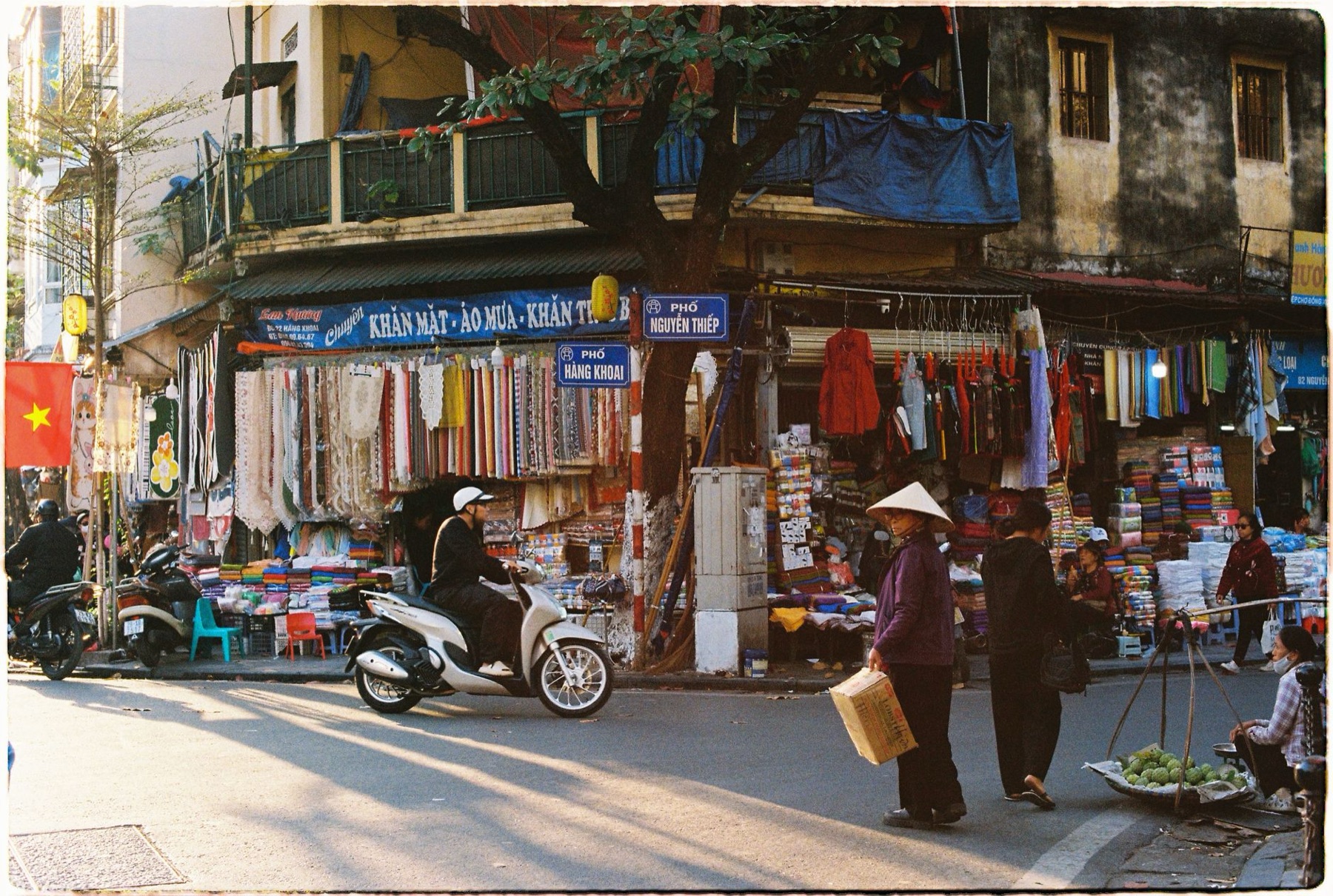
The Old Quarter (36 phố) is Hanoi's medieval heart: narrow alleys once assigned to single trades (silk street, silver street, tin street). Most names are historical only; expect mixed goods now. The core loop—Hang Dao, Hang Gai, Hang Bac—is heaving with tourists. Instead, walk Hang Manh or Thuoc Bac (herb street) early: vendors sell dried mushrooms, ginseng, and spices; it smells authentic and feels less staged.
For street food without tourist markup, eat breakfast at a local pho or com tam (broken rice) spot: a bowl runs 35,000–50,000 VND (USD ~1.50–2). Bia Hoi Corner (intersection of Ta Hien and Luong Ngoc Quynh) is backpacker central; it's fun once, then skip it—overpriced, loud, forgettable.
Honest tip: the Old Quarter is a maze; carry a offline map (download Google Maps or Grab beforehand). Most alleys dead-end or loop; GPS doesn't work reliably indoors.
📸 Book an ao dai photoshoot in Hanoi or Saigon (Cáo Studio)
Mausoleum and Ho Chi Minh complex: religious or political must-see?
Ho Chi Minh Mausoleum (Ba Dinh district) is a state pilgrimage site, not a tourist attraction in the Western sense. It's free. Dress respectfully (covered shoulders, knees); no shorts or tank tops. Hours are 7:30–11 a.m., Tues–Sun (closed Mondays, plus annual closures for maintenance—check ahead). Security queues form by 9 a.m.; go at 7:45 a.m. if you want to enter the inner chamber. The mausoleum itself is silent, moving, 5 minutes inside. The Presidential Palace gardens nearby (separate ticket, around 25,000 VND/USD ~1) are worth 30 minutes.
It's not "fun," but it contextualizes modern Hanoi. Pair it with the nearby Ho Chi Minh Museum (small entry fee) for deeper narrative.
Why is Tran Quoc Pagoda the best temple sunrise in Hanoi?
Tran Quoc Pagoda (Thanh Tru ward, west shore of Ho Tay) is Hanoi's oldest Buddhist temple (541 CE, though rebuilt many times). It sits on a tiny peninsula jutting into West Lake. At 5:45 a.m., before vendors and tour groups arrive, it's silent—just monks chanting, prayer incense, and light breaking across water. Entry is free; a small donation (20,000–50,000 VND / USD ~1–2) supports upkeep. The climb has stairs; wear shoes you can slip off easily.
How to reach it: take a taxi or Grab from the Old Quarter (30–40 minutes, around 50,000–80,000 VND / USD ~2–3.20). Walking from central Hanoi takes 90 minutes and loses the sunrise. The temple is active during early-morning prayer (5:30–6:30 a.m.); midday visits feel like any other busy shrine.
---
Choosing Your Hanoi Souvenir: What Actually Lasts & Means Something
Many visitors leave Hanoi with silk scarves, lanterns, or mass-produced "vintage" lacquerware from night markets. We recommend buying fewer, more intentional items—ones that either reflect craft skill or carry personal meaning.
| Souvenir Type | Who It's For | Rough Cost (VND) | Why It Works |
|---|---|---|---|
| Ao dai (traditional tunic) — custom tailored | Fashion-conscious, 2+ week trip | 400,000–1,200,000 (USD ~16–48) | Wearable, authentic, one-of-a-kind fit. Frees you from tourist shops. |
| Handmade lacquerware (coaster, bowl, or wall art) | Home décor lover, gift-giver | 150,000–800,000 (USD ~6–32) | Labour-intensive craft; artisan-made pieces hold value. Avoid market stall knock-offs. |
| Conical hat (non la) — woven or painted | Photography, cultural keepsake | 80,000–400,000 (USD ~3.20–16) | Works as decoration and in ao dai photos. Painted versions last longer than plain straw. |
| Silk or cotton scarf — from artisan weaver | Minimalist, traveler | 120,000–300,000 (USD ~5–12) | Lightweight, versatile, quality lasts years if natural fibres. |
| Ceramic or pottery — hand-thrown or hand-painted | Collector, homebody | 200,000–1,500,000 (USD ~8–60) | Bathang village (1 hour south) produces better ware than Hanoi shops. Ship via post or buy at arrival. |
| Personalized star map or date print | Couple, milestone marker | Check collection page | Captures a specific Hanoi date or memory; frames easily; no spoilage. |
Why most Hanoi souvenirs fail: Mass-produced lacquer cracks in dry climates; cheap silk frays after two washes; synthetic fabrics don't photograph well. Avoid night markets for anything pricey—margins are tiny, quality is low, and "antique" claims are false.
🎟️ Compare tours & tickets for this place
What to Check Before You Buy (Honest Checklist)
- Artisan name: Ask the shopkeeper or maker. If they hesitate or deflect, it's likely mass-made. Real artisans are proud of attribution.
- Material: Confirm silk is 100% silk (hold it to light; synthetic shines differently). Check lacquer for cracks already present.
- Weight & texture: Heavier isn't always better, but quality feels dense and smooth, not papery or rough.
- Repair cost: Where you live, can this be fixed if damaged? Ceramic yes; cheap lacquer, no.
- Postage: Pottery, lacquer, and ceramics crack in transit. Budget for insurance or buy flat items (scarves, prints). Hanoi Post ships internationally (5–10 days to US); costs 200,000–500,000 VND (USD ~8–20) depending on weight and destination.
- Shop reputation: Stick to boutique shops in Ba Dinh or French Quarter, or vet sellers on local forums. Night markets and stall-holders change weekly; you have no recourse if items break.
- Local guides' suggestions: If a tour guide steers you to a "family shop," it's often commission-based. Politely decline; walk to the next street and choose independently.
---
Structuring a One-Day or Two-Day Hanoi Itinerary
Morning (5:30–9:30 a.m.):
- Tran Quoc Pagoda sunrise.
- Breakfast at a street pho spot (Old Quarter periphery or Hoan Kiem area).
Mid-morning to early afternoon (9:30 a.m.–1 p.m.):
- Temple of Literature or Mausoleum (pick one; both take 90 minutes with queues).
- Light lunch at a traditional com tam stall.
Afternoon (1–5 p.m.):
- Explore Old Quarter alleys on foot (Hang Manh, Thuoc Bac, Hang Gai).
- Browse artisan shops (avoid souvenir stalls).
- Coffee or iced tea at a café overlooking Hoan Kiem Lake.
Evening (5 p.m. onward):
- Sunset walk on West Lake promenade.
- Dinner at a local restaurant (not a tourist trap; ask your hotel for a neighbourhood spot).
Two-day add-ons:
- Ninh Binh day trip (caves, boating, countryside): requires 5–7 hours total. Read our Ninh Binh guide.
- Sapa overnight (mountain villages, rice terraces, trekking): requires 2 days minimum. See Sapa details.
- Ha Long Bay cruise: departs Hanoi morning, 2–3 day packages. Explore Ha Long.
---
Honest: What to Skip
- Puppet theatre performances: Overrated for most visitors. Water puppetry is a niche art; the narrative is lost if you don't speak Vietnamese. Skip unless you have genuine curiosity.
- Hanoi Hilton (Hoa Lo Prison Museum): Historically important, but the exhibit is cramped, dimly lit, and emotionally heavy. Spend the time and money elsewhere unless you're a history specialist.
- Toto's Nightclub and similar backpacker hangouts: Expensive beer, mediocre music, tourist prices. Eat dinner, move on.
- "Cyclo tours" through Old Quarter: You'll see the same streets slower, pay 200,000–400,000 VND (USD ~8–16), and block local traffic. Walk instead; hire a guide if context matters.
- Night markets (except for observing people): Inflated prices, aggressive touts, low quality. Buy souvenirs in daylight from fixed shops.
---
Before You Arrive: Practical Essentials
- eSIM or local SIM: Buy an eSIM before landing or grab a local SIM at Noi Bai Airport (50,000 VND starter pack, around USD ~2). Read our eSIM guide.
- Visa: Most visitors need an e-visa (25 USD) or visa exemption. Check Vietnam visa requirements.
- Cash & ATMs: Many local spots don't accept cards. Withdraw VND at airport ATMs; rates are fair. Budget 200,000–400,000 VND/day (USD ~8–16) for sightseeing, food, transport.
- Weather: October–November (autumn) and February–March (spring) are ideal: 15–25°C, low humidity. June–August are hot, crowded, and humid.
- Language: English is spoken in tourist areas, but a translation app (Google Translate offline) saves headaches.
---
Bringing Hanoi Home: Personalized & Meaningful Gifts
If you're buying for someone who couldn't come, skip generic lanterns. Instead, consider a personalized star map print showing Hanoi's night sky on a specific date—an arrival date, anniversary, or memory tied to the city. These frame beautifully and avoid the souvenir-shop feel. Browse personalized gift collections.
For local flowers to gift friends in Hanoi during your stay, order from Hoa Lang Thang flower delivery.
If you're photographing yourself in an ao dai before leaving, book a professional session with hair and makeup. See Cáo Studio's Hanoi photoshoot packages.
---
Quick Neighbourhood Map: Where Each Highlight Sits
- Hoan Kiem Lake: City centre; walkable from all hotels.
- Old Quarter (36 phố): North of Hoan Kiem; chaotic, dense, walkable.
- Temple of Literature: South of Old Quarter, Dong Da district; 15 min by taxi.
- Mausoleum & Presidential Palace: Ba Dinh district, northwest; 20 min by taxi.
- Tran Quoc Pagoda & West Lake: Northwest; requires transport; 30–45 min by taxi.
- French Quarter: Southeast; colonial architecture, cafes, galleries; walkable from lake.
---
What's Worth the Detour: 2-Hour Radiuses from Hanoi
If you're based in Hanoi for 3+ days:
- Ninh Binh (90 km south): Dramatic limestone cliffs, cave boating, quiet villages. Day trip or overnight. Compare with Vietnam itinerary planner to fit it in.
- Ha Long Bay (160 km east): Iconic UNESCO seascape; requires 2–3 days minimum. Pricier; book ahead.
- Sapa (380 km north): Mountain trekking, ethnic villages, cooler air; 2+ days minimum.
Alternatively, stay in Hanoi and take guided group tours if logistics feel overwhelming.
---
🎟️ Compare tours & tickets for this place
FAQ
Is it worth hiring a guide in Hanoi, or can I navigate alone?
Solo navigation works for lakeside walks and the Old Quarter. But temples, the Mausoleum, and historic context benefit from a local guide (100,000–300,000 VND / USD ~4–12 per 2 hours). Ask your hotel or book through reputable platforms. Avoid street touts.
What's the best time of year to visit Hanoi?
October–November and February–March offer mild weather (15–25°C) and lower humidity. June–August are hot (32°C+), crowded, and expensive. December–January can be cool and smoggy. Avoid planning around Lunar New Year (late Jan–Feb); the city shuts down, prices spike.
How much should I budget daily for Hanoi (food, sightseeing, transport)?
Budget 200,000–400,000 VND/day (USD ~8–16) for budget eating, entry fees, and local taxis. Mid-range (café time, guided tours, nicer meals): 600,000–1,000,000 VND/day (USD ~24–40). Avoid expensive restaurants and you'll stay comfortable.
Are souvenirs from Hanoi night markets authentic and worth buying?
Rarely. Night markets prioritize turnover over quality. Lacquerware cracks, silk is synthetic, and "antique" claims are false. Instead, buy from daytime artisan shops (Ba Dinh, French Quarter) or directly from makers in nearby villages (Bathang pottery, Bat Trang ceramics). Costs more upfront; lasts years.
Should I take a cycle (cyclo) tour or walk the Old Quarter?
Walk. Cyclos are slow, block traffic, and cost 200,000–400,000 VND (USD ~8–16). You see the same streets faster on foot and can stop where you want. If mobility is limited, a short cyclo ride is fair; otherwise, invest in a walking guide instead.
What visa do I need to enter Vietnam from the US or UK?
Most nationalities need an e-visa (25 USD, valid 90 days, single entry) or visa exemption if eligible. Check Vietnam visa details. Apply online before arrival; airport visas cost more and involve longer queues.
Can I get an ao dai custom-made in Hanoi during a short trip?
Yes, but allow 3–5 days for fitting and alterations. Tailors in the Old Quarter and French Quarter offer 400,000–1,200,000 VND (USD ~16–48) depending on fabric and complexity. Provide measurements; some take digital orders if you're leaving before completion and will ship (add postage: 200,000–500,000 VND / USD ~8–20).
Which is more crowded: Tran Quoc Pagoda or other temples?
Tran Quoc is less swarmed than Jade Mountain Temple (on Hoan Kiem Lake's islet) or the pagoda in the Old Quarter. Go at dawn (before 6:30 a.m.) to experience it as locals do, not as a tourist checkpoint.
FAQ
Is it worth hiring a guide in Hanoi, or can I navigate alone?
Solo navigation works for lakeside walks and the Old Quarter. But temples, the Mausoleum, and historic context benefit from a local guide (100,000–300,000 VND / USD ~4–12 per 2 hours). Ask your hotel or book through reputable platforms. Avoid street touts.
What's the best time of year to visit Hanoi?
October–November and February–March offer mild weather (15–25°C) and lower humidity. June–August are hot (32°C+), crowded, and expensive. December–January can be cool and smoggy. Avoid planning around Lunar New Year (late Jan–Feb); the city shuts down, prices spike.
How much should I budget daily for Hanoi (food, sightseeing, transport)?
Budget 200,000–400,000 VND/day (USD ~8–16) for budget eating, entry fees, and local taxis. Mid-range (café time, guided tours, nicer meals): 600,000–1,000,000 VND/day (USD ~24–40). Avoid expensive restaurants and you'll stay comfortable.
Are souvenirs from Hanoi night markets authentic and worth buying?
Rarely. Night markets prioritize turnover over quality. Lacquerware cracks, silk is synthetic, and "antique" claims are false. Instead, buy from daytime artisan shops (Ba Dinh, French Quarter) or directly from makers in nearby villages (Bathang pottery, Bat Trang ceramics). Costs more upfront; lasts years.
Should I take a cycle (cyclo) tour or walk the Old Quarter?
Walk. Cyclos are slow, block traffic, and cost 200,000–400,000 VND (USD ~8–16). You see the same streets faster on foot and can stop where you want. If mobility is limited, a short cyclo ride is fair; otherwise, invest in a walking guide instead.
What visa do I need to enter Vietnam from the US or UK?
Most nationalities need an e-visa (25 USD, valid 90 days, single entry) or visa exemption if eligible. [Check Vietnam visa details](/vietnam/visa). Apply online before arrival; airport visas cost more and involve longer queues.
Can I get an ao dai custom-made in Hanoi during a short trip?
Yes, but allow 3–5 days for fitting and alterations. Tailors in the Old Quarter and French Quarter offer 400,000–1,200,000 VND (USD ~16–48) depending on fabric and complexity. Provide measurements; some take digital orders if you're leaving before completion and will ship (add postage: 200,000–500,000 VND / USD ~8–20).
Which is more crowded: Tran Quoc Pagoda or other temples?
Tran Quoc is less swarmed than Jade Mountain Temple (on Hoan Kiem Lake's islet) or the pagoda in the Old Quarter. Go at dawn (before 6:30 a.m.) to experience it as locals do, not as a tourist checkpoint.