Hanoi · Where to stay
Hanoi Old Quarter Hotel: Find Your Type, Compare Prices, Book
By Wander in Vietnam editorial team · Hanoi, Vietnam
The Hanoi Old Quarter packs lakeside charm, street food, and chaos into a 1 km radius. We guide you through boutique, budget, and mid-range options with real trade-offs, so you pick what fits your trip, not the algorithm.
What's the difference between budget hostels and boutique hotels in the Old Quarter?
Budget guesthouses (around $15–30/night) are family-run affairs in narrow lane houses: shared dormitories or tiny private rooms, squat toilets sometimes, cold water, paper-thin walls and traffic noise until 11 p.m. Boutique hotels ($60–120/night) occupy restored colonial villas or shophouses: air-conditioned, hot water, small libraries, café bars, staffed 24/7. If you sleep deeply and want local chaos, budget works. If you work or video-call, boutique pays for itself.
🗺️ Explore Hanoi more: A full neighborhood guide
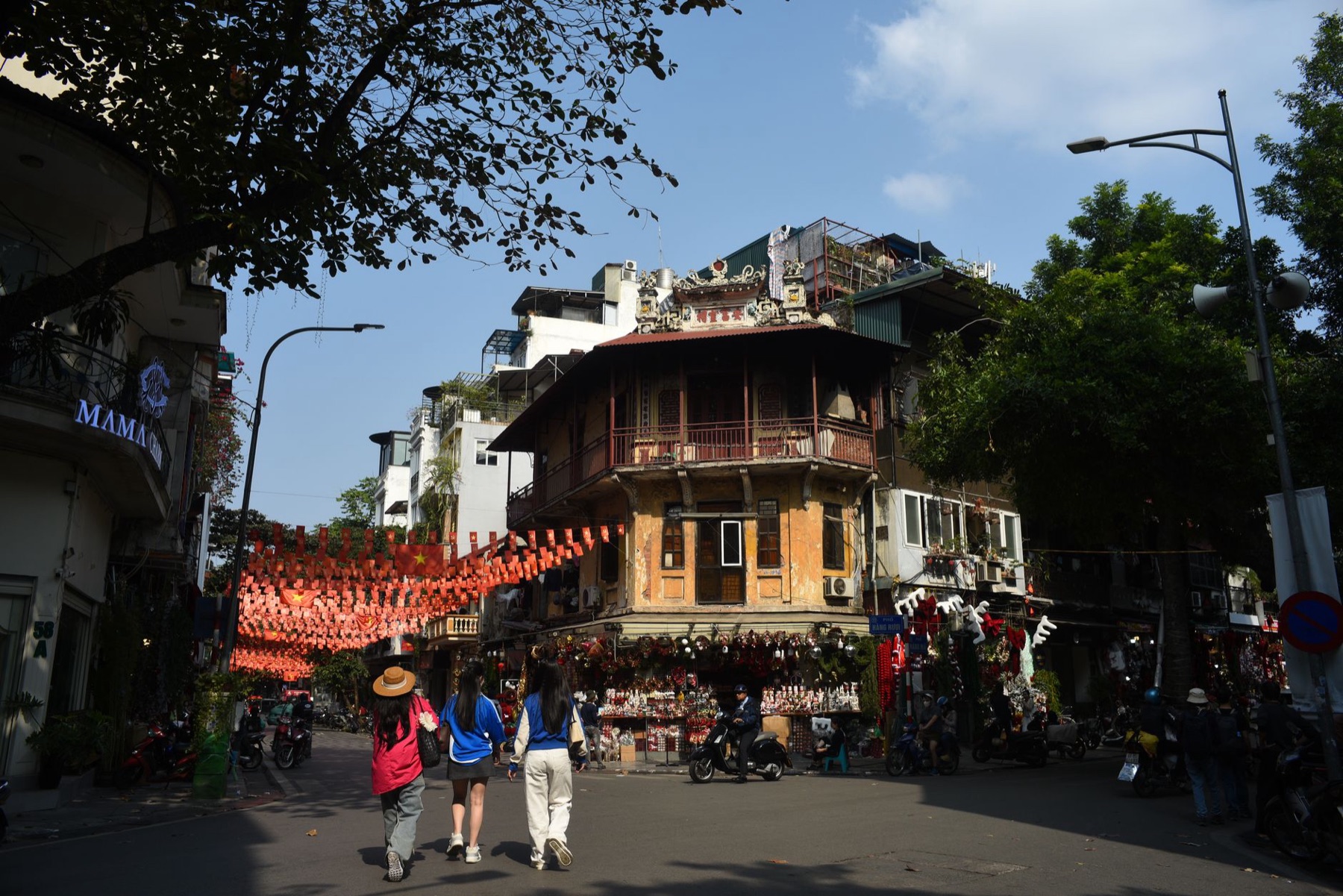
Where exactly should you stay in the Old Quarter—and why location matters more than stars?
The Old Quarter isn't one neighborhood—it's concentric layers. Pho Cau Dong & Hang Ngang (nearest Hoan Kiem Lake's northeast edge): daytime calm, sunset walkers, tourist-facing restaurants, 5-minute walk to night food crawls on Ta Hien. Hang Gai/Hang Bong (textile district, one lane west): quieter, craftspeople's shops at 7 a.m., fewer English speakers, fewer touts. Pho Hang Ngang/Pho Hang Bai (fish market zone, southeast): smell of monger stalls until noon, delivery tricycles from 5–7 a.m., genuine trade, fewer travelers, cheaper breakfast. Choose based on whether you want tourist bustle (Cau Dong), artisan watching (Hang Gai), or market immersion (Hang Ngang). Noise levels are identical; vibe varies hugely.
How do you avoid booking a room over a karaoke bar or motorbike repair shop?
This is real. Ask during booking (email, not phone—staff can't hear you): "Is there a karaoke bar, nightclub, or business on the ground floor or adjacent buildings?" Provide your intended street name. Check Google Maps satellite view for rooftop activity (some bars add beer tents 6–10 p.m.). Read recent reviews mentioning "noise after 10 p.m." or "motorbike sound at 6 a.m." If a $20/night room sounds too good, ask why—it might border a disco or auto shop. Mid-range hotels ($50+) usually disclose this upfront. Budget places sometimes don't.
📸 Capture your stay: Book an ao dai photoshoot in Hanoi or Saigon (Cáo Studio)
Which hotel type matches your actual trip length and budget?
| Hotel Type | Best For | Typical Price/Night (USD) | Typical Stay | Total 5 Nights |
|---|---|---|---|---|
| Dorm bed, family guesthouse | Solo travelers, backpackers, budget-first | ~$15–20 | 1–3 nights | ~$75–100 |
| Private room, basic guesthouse | Couples, first-time Vietnam, tight budget | ~$25–40 | 3–7 nights | ~$125–200 |
| Modest 3-star (air-con, hot water, small lobby) | Families, small groups, short trips | ~$45–70 | 3–5 nights | ~$225–350 |
| Boutique hotel (restored colonial, café, character) | Couples, photographers, return visitors | ~$70–110 | 3–7 nights | ~$350–550 |
| High-end (rooftop bar, concierge, modern) | Business travelers, luxury seekers, special dates | ~$120–200+ | 1–3 nights | ~$600–1000+ |
Why it matters: A 5-night trip to the Old Quarter on a $1500 total budget leaves $1000 for food, tours, and flights—so $20/night hotels are viable. If you're working remotely or it's your honeymoon, $80/night means better sleep, fewer disturbances, and reliability that's worth the cost. Solo backpackers often layer in a paid night ($40) partway through to reset.
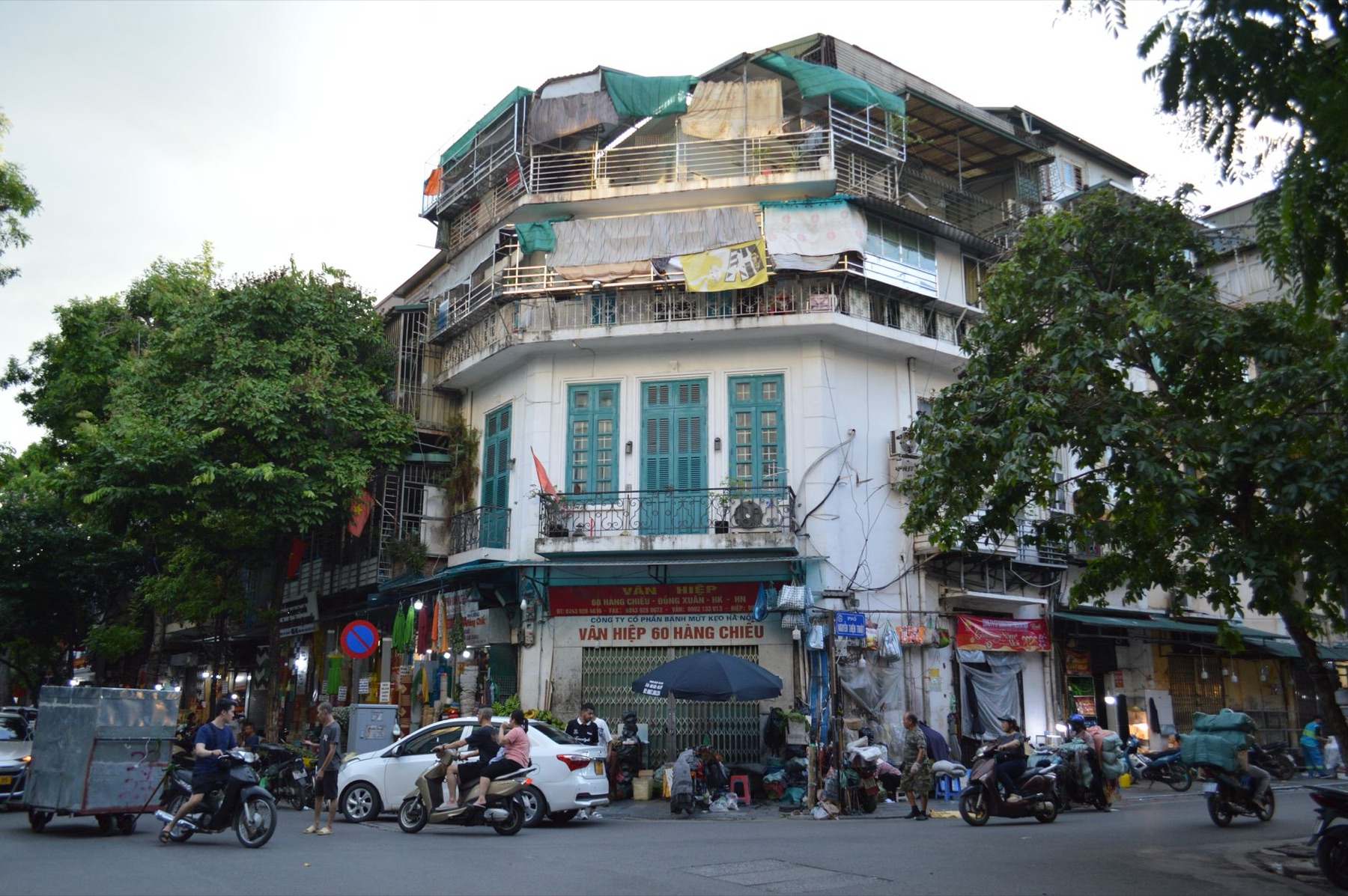
How do you spot scams or misleading listings before you hand over money?
- Check the street name against a printed map. Some listings say "Old Quarter" but are actually in Ba Dinh (20 min walk) or Dong Da district. Use Google Maps satellite view to confirm the block.
- Ask for the exact address and nearest landmark. "Pho Hang Ngang, just past Pho Cau Dong" is vague. Request house number + cross-street. Call the hotel and ask them to name the closest café or temple.
- Look for "twin bed" or "single" room clauses. Cheap listings often quote a single bed but show a double-bed photo. Confirm bed size in writing.
- Watch for "special rate" offers via WhatsApp. If a third-party agent pitches 40% off after booking, it's often a deposit scam. Book direct with the hotel or Booking.com/Agoda (buyer protection).
- Cross-reference photos on 2+ sites. If the same room appears in wildly different price ranges, the cheaper one is usually a bait-and-switch or shows an older/different room.
🎟️ Compare tours & tickets for this place
What should you actually check before confirming your booking?
Use this checklist:
- Exact address verified on Google Maps street view (not just district name)
- Noise level: Email asking about ground-floor businesses, nearby karaoke bars, delivery trucks
- Cancellation policy: Free cancellation up to how many days before arrival?
- What's included: Breakfast? WiFi (test speed in reviews)? Hot water 24/7 or 6–9 a.m. only?
- Room photos date: When were they last updated? Ask staff to send a current photo if the listing looks old
- Hidden fees: Taxes, city tax (usually bundled now), parking if you rented a scooter, deposit for key card
- Staff response time: Email a question now. If they reply in <4 hours with full details, that's your baseline for checkout queries
- Peak season (Oct–Apr): Book 2–4 weeks ahead. Dorm beds fill fastest; mid-range hotels have more buffer
---
A note on what to skip
The ultra-cheap listings ($10/night) in Old Quarter rarely deliver: beds often damp from humid courtyards, plumbing prone to backups in rainy season, staff turnover so high they don't know the check-in process. For $10–15 more per night you gain a predictable stay. If you're a die-hard minimalist, a $15 bed works for 1–2 nights to acclimate; then upgrade.
Also skip "private villas" marketed as Old Quarter: they're usually 2+ km away (marketed as "near Old Quarter") or in heavily renovated enclaves that feel disconnected from the actual markets and temple rhythm.
---
Planning your broader Hanoi trip
The Old Quarter is a 1–3 day hub, not a whole visit. Check our full Hanoi guide for day trips to Tay Ho (Westlake), Ba Vi mountain, and Bat Trang pottery village. If you're stitching Hanoi into a longer itinerary, use the Vietnam itinerary planner to compare with Ha Long Bay, Sapa, Ninh Binh, Hoi An, and Ho Chi Minh City.
Before you leave Hanoi
Grab a Vietnam eSIM so you stay online for hotel navigation, WhatsApp with staff, and mapping markets. If you're arriving without a pre-booked visa, apply for an e-visa online before departure to skip queues at the airport.
---
📸 Book an ao dai photoshoot in Hanoi or Saigon (Cáo Studio)
---
FAQ
Is Old Quarter safe at night?
Yes. Pho Cau Dong and Hang Ngang are well-lit and crowded until 11 p.m. Stick to main lanes; avoid dark alleys alone after midnight. Petty theft (bag snatching from motorbikes) is the real risk, not violence. Keep valuables locked in your hotel safe.
Do hotels include breakfast?
Mid-range and boutique hotels (above $50) usually do; it's typically bread, jam, egg, instant coffee, fresh fruit. Budget guesthouses may offer $2–3 breakfast add-ons. Ask before booking. Street stall breakfast (pho, banh mi) costs $1–2 and is better.
How early can I check in, or late check-out?
Standard check-in is 2–3 p.m., checkout 11 a.m. Most hotels will store your bag free if you arrive before 2 p.m. Late checkout (1–3 p.m.) costs around $10–20; negotiate at reception. Some budget places strictly enforce 11 a.m. checkout.
Should I book direct with the hotel or use Booking.com/Agoda?
Booking.com or Agoda offer buyer protection and easier cancellation if plans change. Direct booking sometimes earns a small discount (2–5%), but you lose dispute resolution. For budget guesthouses without a website, direct is often your only option.
Can I negotiate the nightly rate in person?
For mid-range hotels ($50–80), asking for a small discount for 5+ nights can work (10% off). Budget guesthouses rarely budge; they're already thin margin. Never negotiate downward from a quoted rate—it signals the hotel underprices and likely cuts corners.
What's the best time to visit the Old Quarter?
October–November and February–March: mild weather, dry, sunrise walks without heat stress. December–January is peak tourist season (busy, noisy, higher rates). April–September is hot, humid, occasional rain; prices drop 15–20% but street food smells intensify and motorbikes overheat.
FAQ
Is Old Quarter safe at night?
Yes. Pho Cau Dong and Hang Ngang are well-lit and crowded until 11 p.m. Stick to main lanes; avoid dark alleys alone after midnight. Petty theft (bag snatching from motorbikes) is the real risk, not violence. Keep valuables locked in your hotel safe.
Do hotels include breakfast?
Mid-range and boutique hotels (above $50) usually do; it's typically bread, jam, egg, instant coffee, fresh fruit. Budget guesthouses may offer $2–3 breakfast add-ons. Ask before booking. Street stall breakfast (pho, banh mi) costs $1–2 and is better.
How early can I check in, or late check-out?
Standard check-in is 2–3 p.m., checkout 11 a.m. Most hotels will store your bag free if you arrive before 2 p.m. Late checkout (1–3 p.m.) costs around $10–20; negotiate at reception. Some budget places strictly enforce 11 a.m. checkout.
Should I book direct with the hotel or use Booking.com/Agoda?
Booking.com or Agoda offer buyer protection and easier cancellation if plans change. Direct booking sometimes earns a small discount (2–5%), but you lose dispute resolution. For budget guesthouses without a website, direct is often your only option.
Can I negotiate the nightly rate in person?
For mid-range hotels ($50–80), asking for a small discount for 5+ nights can work (10% off). Budget guesthouses rarely budge; they're already thin margin. Never negotiate downward from a quoted rate—it signals the hotel underprices and likely cuts corners.
What's the best time to visit the Old Quarter?
October–November and February–March: mild weather, dry, sunrise walks without heat stress. December–January is peak tourist season (busy, noisy, higher rates). April–September is hot, humid, occasional rain; prices drop 15–20% but street food smells intensify and motorbikes overheat.
More: Hanoi guide · Where to stay in Hanoi