Hanoi · Where to stay
Hanoi Old Quarter Hotels: Real Prices & How to Choose
By Wander in Vietnam editorial team · Hanoi, Vietnam
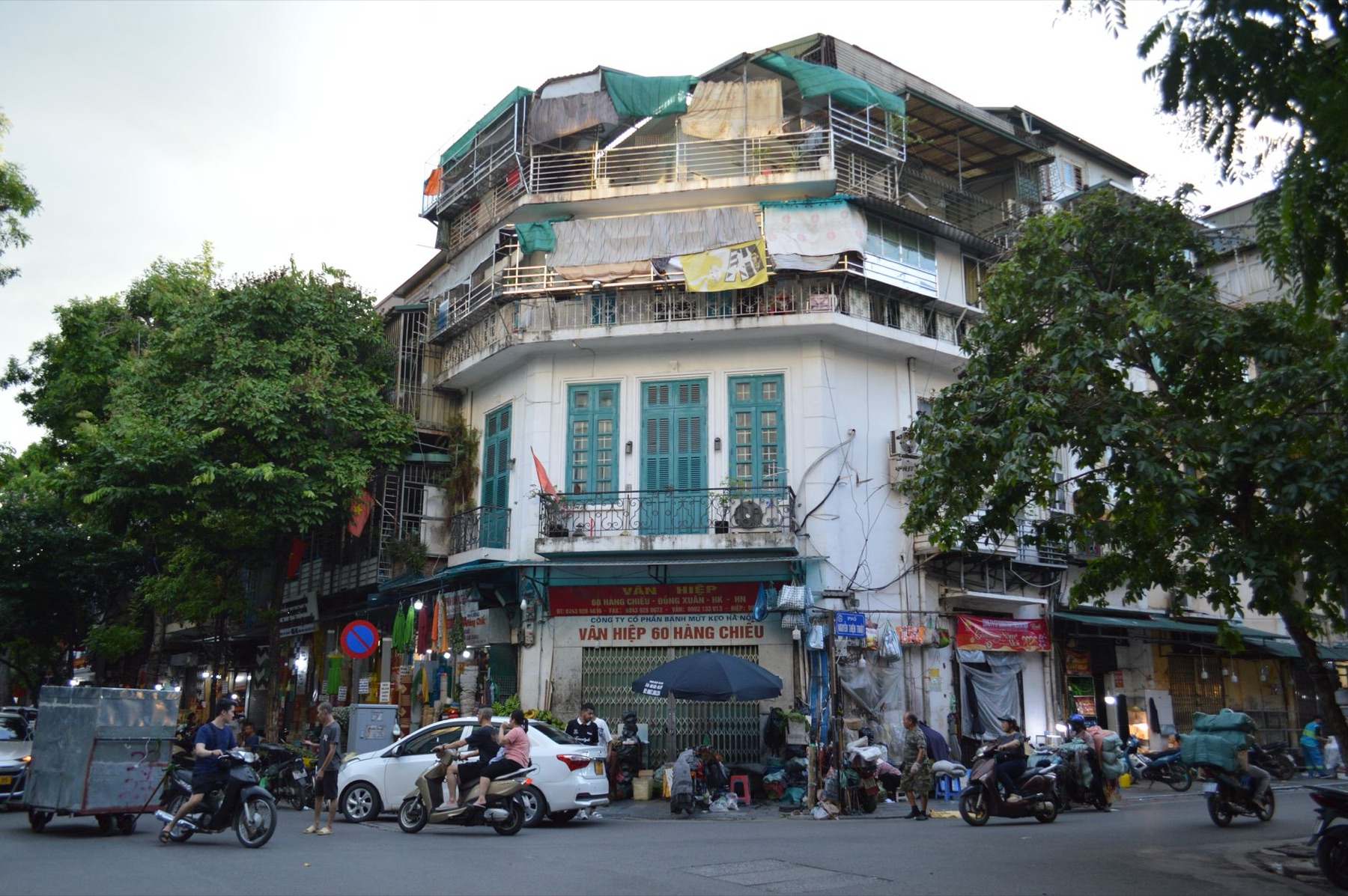
The Old Quarter draws tourists because almost every attraction—Hoan Kiem Lake, Temple of Literature, Dong Xuan Market—is within a 10–20 minute walk. Hotels here fall into three clear tiers: backpacker dorms and budget guesthouses on the main tourist streets (Ma May, Ta Hien, Hang Bong); boutique or colonial-style mid-range properties on quieter alleys; and a handful of upper-mid-range options in converted French villas. Your choice depends on noise tolerance, bathroom standards and whether you want street-food chaos or a retreat.
What Budget Hotels in the Old Quarter Actually Offer?
Budget guesthouses (around $15–$30 USD) typically offer a small private room with an en-suite bathroom, thin walls, no elevator, and a ground-floor sitting area. Beds are basic—firm mattresses, no luxury linens. Air conditioning works but rooms can be humid. Breakfast—if offered—is instant noodles or a bread roll from a street vendor downstairs. Wi-Fi is unreliable at 2am when backpackers are uploading videos. Many are family-run, staff don't speak fluent English, and checkout is a hard 11am with no flexibility.
What to check before booking: Request photos of the actual room (not a generic shot), confirm bed size (single beds pushed together feel different from a true double), ask if windows are on a loud street (Ta Hien is party-central until 3am), and verify bathroom layout—some have squat toilets, others have sit-down Western versions.
Why Mid-Range Hotels Hold Better Value Than Budget?
Mid-range hotels (around $40–$80 USD) occupy quieter alleys like Hang Ga, Nguyen Sieu, and Cau Go, with thicker walls, faster Wi-Fi, daily housekeeping, and a small lobby or breakfast area. Rooms feel intentional: decent mattresses, decent lighting, and often a desk. Bathrooms have proper showers, hot water without delay, and sometimes toiletries. Staff speak functional English or French. Cancellation policies are clearer. You get better sleep, which matters after two weeks in Vietnam.
The trade-off: less atmosphere, a bit farther from the Ma May chaos, and breakfast (if included) is a buffet of bread, jam, eggs, fruit—not upscale but sufficient. Most have 24-hour front desks and can arrange tours or motorbike rental at fair prices (not inflated by 300%).
Comparison Table: Old Quarter Hotel Types
| Type | Street/Area | Price (USD/night) | Bathroom | Breakfast | Who it suits |
|---|---|---|---|---|---|
| Budget guesthouse | Ma May, Ta Hien | $15–$30 | Shared or basic en-suite | No, or instant noodles | Solo backpackers, first-time Asia travelers, budget-locked |
| Mid-range boutique | Hang Ga, Cau Go, Nguyen Sieu | $40–$70 | Private, Western toilet, hot water | Yes, continental or egg buffet | Couples, repeat travelers, anyone needing sleep quality |
| Upper-mid colonial | Hoang Bac, quieter edges | $70–$100+ | Spacious, tub/rainfall shower | Yes, proper buffet | Families, travelers wanting Old Quarter charm without noise |
How to Spot Overbooked & Downgrade Traps?
Overbooking is real here—small hotels take 120% of beds and shuffle late arrivals to a "sister property" two blocks away without compensation. Read recent reviews specifically for "downgrade," "moved to another hotel," or "different room than pictured." Check if the booking platform allows you to see the exact room number and floor before paying (most don't, which is a red flag).
Downgrades happen when your room isn't ready or the owner rents it to someone else at higher walk-in rates. If your booking says "Old Quarter boutique" and they move you to a concrete cube in Ba Trieu, that's the trap. Always photograph your booking confirmation and the room photo you chose.
Protect yourself: Screenshot your booking, book at least 5 days ahead (last-minute increases chaos), confirm via email or WhatsApp 48 hours before arrival, and arrive before 4pm. If downgrades occur, ask for a refund of the difference or move to a competitor (Hang Ga and Cau Go have 20+ options within 50 meters).
🗺️ Plan your route: Vietnam itinerary
Which Streets Are Too Loud & Which Are Quiet Enough?
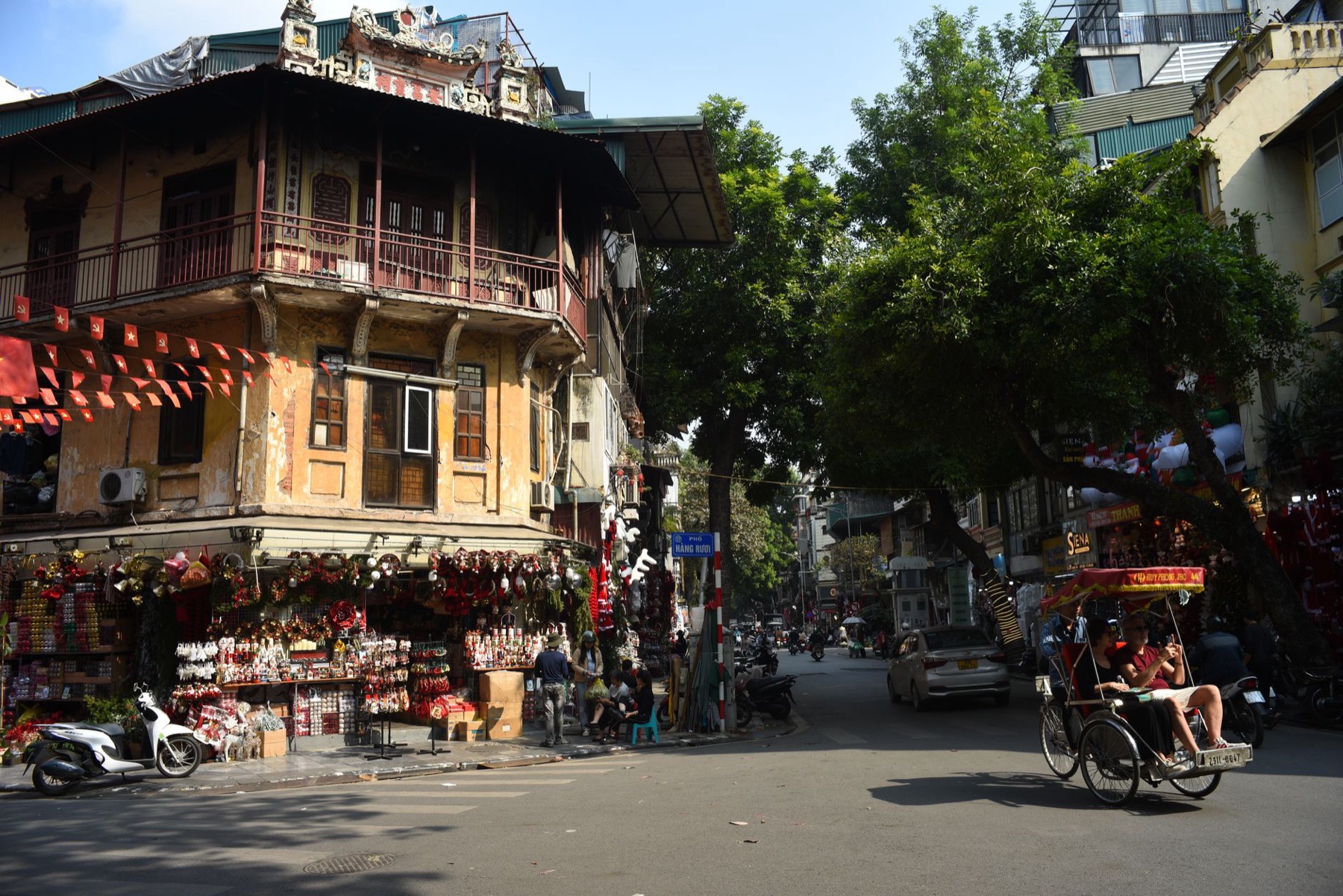
Loud (party until 3am, motorcycle honking 6am): Ma May, Ta Hien, Hang Bac. Bars with live music, backpacker crowds, street food vendors until dawn. Good for social travelers, sleep-proof, ages 18–35.
Medium (some noise, livable): Hang Ga, Hang Dieu, Cau Go. Fewer bars, more locals, some traffic. Quieter after midnight, lively 7–10pm.
Quieter (local vibe, traffic but no nightlife noise): Hang Buom, Nguyen Sieu, Hoang Bac, Chau Long. Actual residents, morning motorbike commute (6–8am is loudest), peaceful 9pm onward. Worth the extra $5–10/night for sleep.
Check Google Maps Street View and read reviews mentioning "noise" or "quiet." A hotel on a "quiet street" in a loud district still hears ambient traffic. Budget $5–15 extra per night to shift from Ma May to Hang Ga; sleep quality improves significantly.
What to Verify Before Clicking "Book Now"?
- Cancellation policy: Free until 48/72 hours before, or non-refundable? Many small hotels are non-refundable; don't assume flexibility.
- Breakfast clarity: Included or $5 extra? Continental or full? Time window (7–10am or 6am–2pm)?
- Room size & bed type: Ask for measurements or a video tour, not just photos. "Cozy double" can mean a 1.2m bed.
- Bathroom layout: Private or shared? Shower over bathtub or separate? Western or squat toilet?
- Noise commitment: Request a room away from the street. Write it in the special requests box.
- Check-in flexibility: Is 2pm arrival OK or will they charge extra? Can you store bags if you arrive early?
- Wi-Fi & power outlets: How many outlets per room? Is Wi-Fi password-protected per guest or building-wide?
- Additional fees: Air con surcharge? Booking.com/Agoda charge may differ from direct booking—compare the total in VND.
Use a checklist (write these seven points in your notes app) and email the hotel directly, not just via booking platform, 3–5 days before arrival. Direct email gets faster, more honest answers than automated systems.
📸 Book an ao dai photoshoot in Hanoi or Saigon (Cáo Studio)
How Prices Change by Season & Why Advance Booking Matters?
November–February (cool, dry): Peak demand. Budget hotels $20–$35, mid-range $50–$75. Book 2+ weeks ahead or pay premiums or accept poor rooms. Hotels fill by 6pm daily.
March–April (warm, humid): Shoulder season. Prices drop 10–15%. Still busy weekends, calmer weekdays. 1 week ahead usually works.
May–September (hot, wet monsoon): Low season. Budget hotels $12–$25, mid-range $35–$60. Short rains (2–3pm daily) clear streets. Book 2–3 days ahead, negotiate prices on arrival, cancellations drop last-minute rates.
October (transition): Humidity fades, prices tick up. Good value still available.
Booking site algorithms (Booking.com, Agoda, Airbnb) often show higher prices than direct hotel websites. Compare the hotel's official site + Booking.com + one mid-range aggregator (Tripadvisor, Kayak) to spot the cheapest path. Conversion rates matter—booking in USD vs. VND can swing $3–5 per night. Many Old Quarter hotels refund the difference if you find a lower price within 48 hours; ask in advance.
🎟️ Compare tours & tickets for this place
What Should First-Time Visitors Prioritize?
If arriving tired or jet-lagged: mid-range hotel on Hang Ga or Cau Go (quieter, proper beds, small breakfast, one less stressor).
If on a strict budget and comfortable with noise: budget guesthouse on Ma May (central, cheaper, social atmosphere, survivable 3–4 nights).
If staying more than a week: negotiate a weekly discount (10–15% common on direct booking), or book 3 nights mid-range then shift to a quieter guesthouse once you know the neighborhood.
If traveling with a partner/small group: one mid-range room ($50–$65) often costs less per person than two budget rooms ($30 each) and offers more comfort.
The real guide difference: we don't push the "experience the gritty authentic backpacker scene" myth. Exhaustion from noise, thin walls and weak Wi-Fi isn't authentic—it's just uncomfortable. Spend 20–30% more for mid-range, sleep well, and you'll enjoy Hanoi far more.
Related guides:
- Hanoi hotels & neighborhoods
- Hanoi travel guide
- Vietnam itinerary planner
- Day trips from Hanoi: Ha Long Bay, Ninh Binh, Sapa
FAQ
Is breakfast really not included at budget hotels in Hanoi Old Quarter?
Most budget guesthouses (under $30) do not include breakfast, or offer only instant noodles and a bread roll. Mid-range hotels almost always include a basic continental or egg buffet. Check your booking confirmation—if it doesn't explicitly say "breakfast included," it isn't. Budget an extra $2–4 USD daily for street food if needed.
What's the difference between booking direct vs. Booking.com/Agoda in the Old Quarter?
Direct booking may be 5–10% cheaper and gives the hotel direct contact for changes. Booking.com/Agoda take 15–20% commission, so hotels sometimes offer lower rates on their own websites. However, platform bookings offer buyer protection if a dispute arises. Compare totals in VND (not USD) to avoid exchange-rate markup. Always screenshot confirmation.
Are Ta Hien Street hotels really that loud?
Yes. Ta Hien is the backpacker bar strip until 2–3am with live music, party crowds, and motorbike traffic. If you sleep lightly, avoid it. One block away (Hang Bac, Ma May side alleys) is noticeably quieter. Earplugs (buy at Tran Quoc Pharmacy on Hang Bong) help but won't solve 6am motorbike honking.
Can I negotiate a lower price if I walk into a hotel without a booking?
Yes, especially May–September when occupancy is low. You can negotiate 10–20% off the listed rate. Downside: no guarantee of room quality, no protection if terms change. Booking 2–3 days ahead online lets you compare and lock a rate, reducing risk.
What's the best way to check if a hotel is actually in the Old Quarter or marketed as such but elsewhere?
Use Google Maps. Search the hotel name, zoom in, and confirm it's within the lines of the Old Quarter (roughly: Hang Bong–Hang Ga–Cau Go–Tran Quoc, with Hoan Kiem Lake to the south). Read reviews mentioning "location" and "walk to." Some hotels in Hang Dao or Cau Giay market themselves as Old Quarter but are 15–20 minutes walk away.
Should I book an e-visa before I arrive, or get a visa on arrival in Hanoi?
An e-visa for Vietnam is processed online in 2–3 days and accepted at Noi Bai Airport. Visa-on-arrival at the airport is slower (1–2 hours queue, limited forms) and slightly pricier. Book the e-visa at least 3 days before you depart to avoid stress. You'll need a digital passport photo and a PDF form.
FAQ
Is breakfast really not included at budget hotels in Hanoi Old Quarter?
Most budget guesthouses (under $30) do not include breakfast, or offer only instant noodles and a bread roll. Mid-range hotels almost always include a basic continental or egg buffet. Check your booking confirmation—if it doesn't explicitly say "breakfast included," it isn't. Budget an extra $2–4 USD daily for street food if needed.
What's the difference between booking direct vs. Booking.com/Agoda in the Old Quarter?
Direct booking may be 5–10% cheaper and gives the hotel direct contact for changes. Booking.com/Agoda take 15–20% commission, so hotels sometimes offer lower rates on their own websites. However, platform bookings offer buyer protection if a dispute arises. Compare totals in VND (not USD) to avoid exchange-rate markup. Always screenshot confirmation.
Are Ta Hien Street hotels really that loud?
Yes. Ta Hien is the backpacker bar strip until 2–3am with live music, party crowds, and motorbike traffic. If you sleep lightly, avoid it. One block away (Hang Bac, Ma May side alleys) is noticeably quieter. Earplugs (buy at Tran Quoc Pharmacy on Hang Bong) help but won't solve 6am motorbike honking.
Can I negotiate a lower price if I walk into a hotel without a booking?
Yes, especially May–September when occupancy is low. You can negotiate 10–20% off the listed rate. Downside: no guarantee of room quality, no protection if terms change. Booking 2–3 days ahead online lets you compare and lock a rate, reducing risk.
What's the best way to check if a hotel is actually in the Old Quarter or marketed as such but elsewhere?
Use Google Maps. Search the hotel name, zoom in, and confirm it's within the lines of the Old Quarter (roughly: Hang Bong–Hang Ga–Cau Go–Tran Quoc, with Hoan Kiem Lake to the south). Read reviews mentioning "location" and "walk to." Some hotels in Hang Dao or Cau Giay market themselves as Old Quarter but are 15–20 minutes walk away.
Should I book an e-visa before I arrive, or get a visa on arrival in Hanoi?
An [e-visa for Vietnam](/vietnam/visa) is processed online in 2–3 days and accepted at Noi Bai Airport. Visa-on-arrival at the airport is slower (1–2 hours queue, limited forms) and slightly pricier. Book the e-visa at least 3 days before you depart to avoid stress. You'll need a digital passport photo and a PDF form.