Hanoi · Itinerary
Hanoi One Day Itinerary: Honest Walk & Eat Guide
By Wander in Vietnam editorial team · Hanoi, Vietnam
A realistic Hanoi one-day itinerary starts before 7 a.m. at Hoan Kiem Lake, moves through the Old Quarter's narrow streets (roughly 9 a.m.–12 p.m.), stops for pho or bun cha by 12:30 p.m., explores temple or museum (2–4 p.m.), and ends with evening street food in Hang Manh or Dong Xuan. We recommend prioritizing neighborhoods over rushing attractions to actually feel the city.
Most travelers try to cram ten things into eight hours, end up exhausted, and remember only blurred photos. One day in Hanoi works best when you slow down, pick two or three areas, eat like a local, and walk the connecting streets in between. This guide shows you exactly what fits, what doesn't, and how to avoid the most common pitfalls.
What time should I start, and why does it matter?
Start walking by 6:30–7 a.m., not for the sunrise (Hoan Kiem's northeast bank is best for that), but because the city is cooler, the water is glassy, locals are jogging or exercising tai chi, and tourist crowds haven't arrived. By 8 a.m., the lake is packed with guided groups. Morning air in Hanoi is your real advantage.
Hoan Kiem Lake (also called Sword Lake) sits in the center of the city. The walk around it takes roughly 30–40 minutes at a normal pace. We suggest entering from Dinh Le Street on the south side, walking clockwise past the Morning Glory flowers (seasonal), and crossing Huc Bridge to Jade Island Temple around 7:30 a.m. The temple is quiet and atmospheric in early morning; by 9 a.m. it's a photo queue.
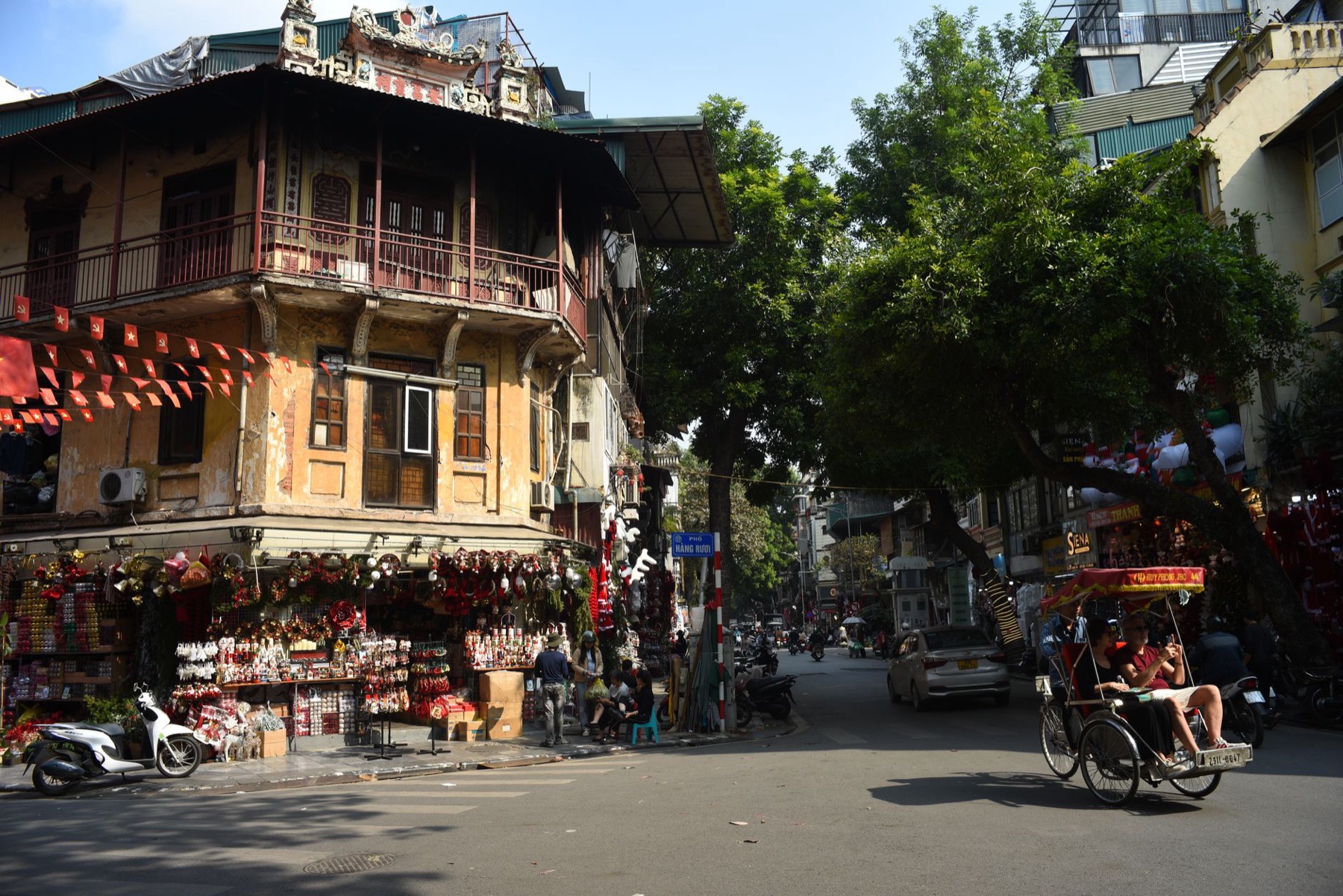
How do I navigate the Old Quarter without getting lost (or scammed)?
The Old Quarter (called "36 Pho") is 36 streets, each traditionally named after what was sold there: Hang Gai (silk), Hang Dao (cotton), Hang Bac (silver). Streets run north–south and are narrow, crowded, and confusing. The trick is to walk slowly, turn off onto tiny alleys when you're tired, and don't aim for a specific shop unless you've booked it.
Real navigation tips:
- Stick to Hang Bac, Hang Gai, Hang Dieu, or Hang Buom if you want to stay relatively central and not waste energy on dead ends.
- Download Google Maps offline (the Old Quarter's signal is spotty in alleys).
- Avoid xe om (motorbike taxi) drivers loitering near tourist entry points—they quote 200,000–500,000 VND (around $8–20 USD) for a 2 km ride that costs 30,000–50,000 VND ($1.20–2 USD) in a metered taxi.
- Don't buy jewelry, gems, or watches from street stalls; markups are 300–500%.
- The "friendly local" who insists on taking you to their brother's café is running a commission scam; the bill will be inflated 30–50%.
Walking the Old Quarter slowly between 8 a.m. and 11 a.m. lets you see the actual work: silver being hammered, tailor shops, coffee roasters, and the rhythm of a neighborhood that's been a market for 800 years. You don't need an organized tour here; you need comfortable shoes and patience.
Where should I eat, and what's actually good (not just famous)?
This is where one-day visitors make their biggest mistake. They hunt for "the best pho in Hanoi," wait 45 minutes in a line of tourists, and miss the actual reason to eat in the Old Quarter: specificity. A pho place on Hang Gai has been making the same bowl for 40 years. That expertise is worth more than a TikTok recommendation.
What to eat and where (real costs, around 2026):
| Dish | Location | Real cost (VND) | Why it works |
|---|---|---|---|
| Pho ga (chicken pho) | Any stall, Hang Gai or Hang Dieu, before 10 a.m. | 35,000–50,000 (around $1.40–2 USD) | Breakfast staple; better before 11 a.m. when broth runs low. |
| Bun cha (grilled pork, noodles, herbs) | Hang Manh or Pho Hang Dieu area, 11:30 a.m.–1:30 p.m. | 40,000–60,000 (around $1.60–2.40 USD) | Northern specialty; pairs with cha ca (turmeric fish) if you're adventurous. |
| Banh mi (pâté sandwich) | Street stalls, any corner of Old Quarter | 25,000–40,000 (around $1–1.60 USD) | Quick lunch; avoid stalls next to major hotels. |
| Egg coffee (weasel-optional) | Any café in Old Quarter | 40,000–80,000 (around $1.60–3.20 USD) | Hanoi's signature drink; the quality ranges wildly. |
| Cha ca (turmeric fish with herbs) | Cha Ca Thang Long on Cha Ca Street (1-block alley) | 80,000–120,000 (around $3.20–4.80 USD) | Hyper-local; only this one street has it; go for lunch, not dinner. |
Avoid eating on the main tourist drags (Hang Bac, Hang Gai late morning). Instead, eat where you see Vietnamese people sitting on plastic stools: Hang Manh, the alleys behind Dong Xuan Market, or any street where the menu is handwritten and there's no English translation. Prices drop 20–30% and the food is faster and hotter.
Should I visit a temple, museum, or water puppet show?
Choose one based on your energy and interests, not because a guidebook says it's "must-see." Here's the honest breakdown:
Temple option: Tran Temple (Tran Quoc Pagoda) sits on a small peninsula jutting into the Red River near the north end of Hoan Kiem Lake. It's quieter than central temples, has good lake views, and takes 45 minutes including the walk from the Old Quarter. Cost: free or 10,000 VND donation (around $0.40 USD). Best 2–3 p.m.
Museum option: Vietnam Museum of Ethnology (in Cau Giay District, west of the Old Quarter) requires a taxi or 20-minute bus ride; not worth it on a one-day trip. Skip it. The Vietnam History Museum (Trang Tien Street, south of Hoan Kiem) is closer and covers pre-1900 Vietnam decently, but the exhibits are dated. Admission around 40,000 VND (around $1.60 USD). Go only if you have serious interest in dynasties and artifacts.
Water puppet show: Shows run 3 p.m. and 5 p.m. at Thang Long Water Puppet Theatre on Dinh Le Street (opposite the lake's south side). Tickets around 100,000–200,000 VND (around $4–8 USD). The 45-minute performance is charming but touristy; you're watching a skill, not an immersive story if you don't speak Vietnamese. Go if you enjoy traditional art; skip if you're on a tight energy budget.
Our honest take: skip the museum, do the temple if you're unhurried, and see a water puppet show only if you're staying two days. On day one, your time is better spent walking and eating.
What's the best evening plan that doesn't feel rushed?
By 4–5 p.m., you've been walking for 8–10 hours. Hang back to a café or your hotel for 90 minutes. Shower, rest, change into fresh clothes if you're eating dinner somewhere nice. This isn't lazy; it's strategy. You avoid heat stroke, let your legs recover, and arrive at evening venues when they're actually comfortable.
Evening options (6–9 p.m.):
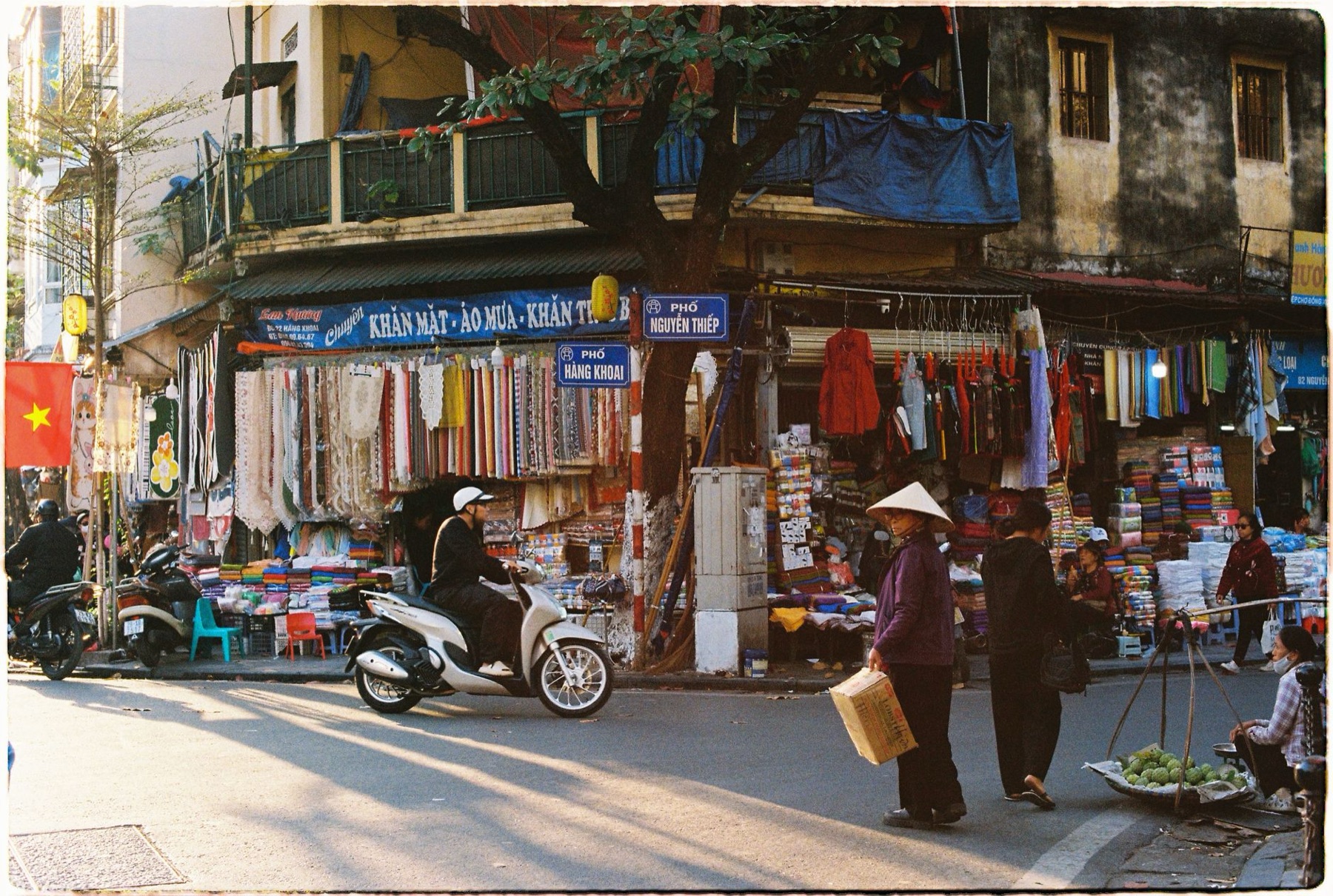
- Street food crawl in Dong Xuan or Hang Manh (6–7:30 p.m.): Return to the Old Quarter after sunset. Street carts are busiest 6–8 p.m. Eat grilled items (chicken, fish cakes, vegetables), drink bia hoi (fresh beer on tap, around 5,000–10,000 VND per glass or $0.20–0.40 USD), and watch the neighborhood eat its dinner. This is where you actually see locals.
- Dinner at a restaurant with views (7–8:30 p.m.): Sit on a rooftop or riverside venue overlooking Hoan Kiem Lake or the Red River. Most upmarket places in the French Quarter (Trang Tien, Nha Tho, Phan Boi Chau area) have menus in English and cost 200,000–500,000 VND per person (around $8–20 USD) for a proper meal with wine or beer. Book by 5 p.m. if it's a weekend.
- Night market or local café (7–8:30 p.m.): Sit in a plastic-chair café in the Old Quarter, order iced coffee or bia hoi, and watch the evening life. No rush, no itinerary. This is the Hanoi most travelers miss because they're checking a to-do list.
By 9–9:30 p.m., you're likely ready to rest. Hanoi's nightlife picks up around 10 p.m. in bars and clubs, but that's not a one-day itinerary—it's a separate trip.
📸 Book an ao dai photoshoot in Hanoi or Saigon (Cáo Studio)
What to check before you book or plan this itinerary
- Weather: Check the forecast the night before. Hanoi is hot (27–35°C / 80–95°F) most of the year; April–May and September–October are best. If it's raining hard, the Old Quarter becomes a slippery maze; adjust to museum or indoor markets instead.
- Day of the week: Weekday mornings are quieter; weekends (especially 8–10 a.m.) are tourist traffic jams around Hoan Kiem.
- Festival dates: Tet (Lunar New Year) shuts shops and markets for 3–7 days; Mid-Autumn Festival (September) and other holidays affect hours. Check Vietnam's public holiday calendar before booking.
- Comfortable shoes: Hanoi's Old Quarter is uneven, wet, and crowded. Wear something with grip and good arch support.
- Cash: Many small stalls and cafés don't accept cards. Withdraw 200,000–300,000 VND (around $8–12 USD) in small bills at a 7-Eleven or ATM in the Old Quarter.
- SIM or data plan: If you need maps, get a local Vietnam eSIM or a SIM card at the airport (around 50,000–100,000 VND for 3 GB, roughly $2–4 USD).
🗺️ Plan your route: Vietnam itinerary
Real comparison: One day in Hanoi vs. two days (and why it matters)
| Aspect | One day | Two days |
|---|---|---|
| Old Quarter coverage | Hang Gai, Hang Bac, main alleys only | All 36 streets, alleys, hidden cafés |
| Eating pace | Rush breakfast, one sit-down lunch, street snacks | Relaxed meals, revisit favorite stall next day |
| Temple/museum option | Must choose one or skip | Can do two without stress |
| Neighborhoods seen | Hoan Kiem + Old Quarter + maybe 1 other | Add French Quarter, Tay Ho, or Red River walk |
| Evening options | Street food or one rooftop dinner | Both, plus a night market or live music venue |
| Actual memory of the city | Blurred, exhausted, photo-focused | Felt, tasted, conversations with people |
Honest verdict: One day in Hanoi is doable but tight. You see the city's skeleton (lake, Old Quarter, food culture) but miss its personality. If you're visiting Vietnam and have only 24 hours total, Hanoi is worth it. If you have three days in Vietnam, split the time: two in Hoi An (slower, more walkable) and one in Hanoi.
For multi-day trips, consider pairing Hanoi with Ha Long Bay (3 hours by bus), Ninh Binh (2 hours), or Sapa (5 hours) as nearby escapes. The Hanoi guide covers longer itineraries and seasonal tips if you have more time.
🎟️ Compare tours & tickets for this place
---
A final thought: one day in Hanoi means you can't see everything, and that's the point. Trying to see everything breaks your body and blurs your memory. Pick the lake morning, pick one neighborhood to walk, pick one meal to sit still for, and skip the rest. You'll leave Hanoi tired but knowing why it matters—the layered history, the relentless energy, the fact that people here are living, not posing. Come back if you can. If you can't, you've seen enough.
FAQ
Is 24 hours really enough time in Hanoi?
Yes, if you're clear about what you want. The Old Quarter, Hoan Kiem Lake, and a meal or temple take one day. You'll miss museums, French Quarter details, and side neighborhoods, but you'll know the city's core. Two days is more comfortable and honest.
What's the biggest mistake one-day visitors make?
Trying to hit 10 attractions in 8 hours. You end up exhausted, taking photos instead of noticing, and missing the actual Hanoi (street life, food, conversations). Slow down, pick 2–3 areas, and eat real meals.
Do I need a tour guide for the Old Quarter?
No. Download Google Maps offline, wear comfortable shoes, and walk slowly. A guide adds cost (300,000–500,000 VND, around $12–20 USD) and a commentary you'll forget. Walking on your own forces you to observe.
Should I book the water puppet show in advance?
If you're going on a weekend or Friday evening, yes—book by noon on the day of. Weekday matinees (3 p.m.) have walk-up space usually. The theater is 15 minutes from the Old Quarter.
What's the honest opinion on pho in Hanoi—is it really better than elsewhere in Vietnam?
Pho is Hanoi's thing, but a great bowl exists anywhere in the country. What's different is the ritual: sit on a plastic stool at 7 a.m., locals around you, broth steam in your face. That's worth seeking out. The broth itself is marginally richer here due to water and old bone recipes, but if you're expecting magic in the taste alone, you'll be disappointed.
What's the best time of year for a Hanoi one-day trip?
October–November and March–April. October–November is dry, sunny, 20–25°C (68–77°F), and the light is perfect. March–April is warm but not scorching. Avoid May–August (heat + humidity) and January–February (damp, cool, gray). Tet (late January or February) is chaotic; avoid unless you want to experience it as a cultural event, not a tourism trip.
FAQ
Is 24 hours really enough time in Hanoi?
Yes, if you're clear about what you want. The Old Quarter, Hoan Kiem Lake, and a meal or temple take one day. You'll miss museums, French Quarter details, and side neighborhoods, but you'll know the city's core. Two days is more comfortable and honest.
What's the biggest mistake one-day visitors make?
Trying to hit 10 attractions in 8 hours. You end up exhausted, taking photos instead of noticing, and missing the actual Hanoi (street life, food, conversations). Slow down, pick 2–3 areas, and eat real meals.
Do I need a tour guide for the Old Quarter?
No. Download Google Maps offline, wear comfortable shoes, and walk slowly. A guide adds cost (300,000–500,000 VND, around $12–20 USD) and a commentary you'll forget. Walking on your own forces you to observe.
Should I book the water puppet show in advance?
If you're going on a weekend or Friday evening, yes—book by noon on the day of. Weekday matinees (3 p.m.) have walk-up space usually. The theater is 15 minutes from the Old Quarter.
What's the honest opinion on pho in Hanoi—is it really better than elsewhere in Vietnam?
Pho is *Hanoi's thing*, but a great bowl exists anywhere in the country. What's different is the *ritual*: sit on a plastic stool at 7 a.m., locals around you, broth steam in your face. That's worth seeking out. The broth itself is marginally richer here due to water and old bone recipes, but if you're expecting magic in the taste alone, you'll be disappointed.
What's the best time of year for a Hanoi one-day trip?
October–November and March–April. October–November is dry, sunny, 20–25°C (68–77°F), and the light is perfect. March–April is warm but not scorching. Avoid May–August (heat + humidity) and January–February (damp, cool, gray). Tet (late January or February) is chaotic; avoid unless you want to experience it as a cultural event, not a tourism trip.