Hanoi · Things to do
Hanoi Places to Visit: Neighborhood Guide & Local Finds
By Wander in Vietnam editorial team · Hanoi, Vietnam
Hanoi moves on two rhythms: the frenetic energy of the Old Quarter and the calmer, greener pace of French-built streets. Most first-time visitors default to tourist lanes, miss the real cafés, and leave feeling they've seen a postcard instead of a city. We'll show you what locals actually visit—and what to buy when you find it.
🗺️ Plan your route: Vietnam itinerary
Where Do Locals Actually Spend Time in Hanoi?
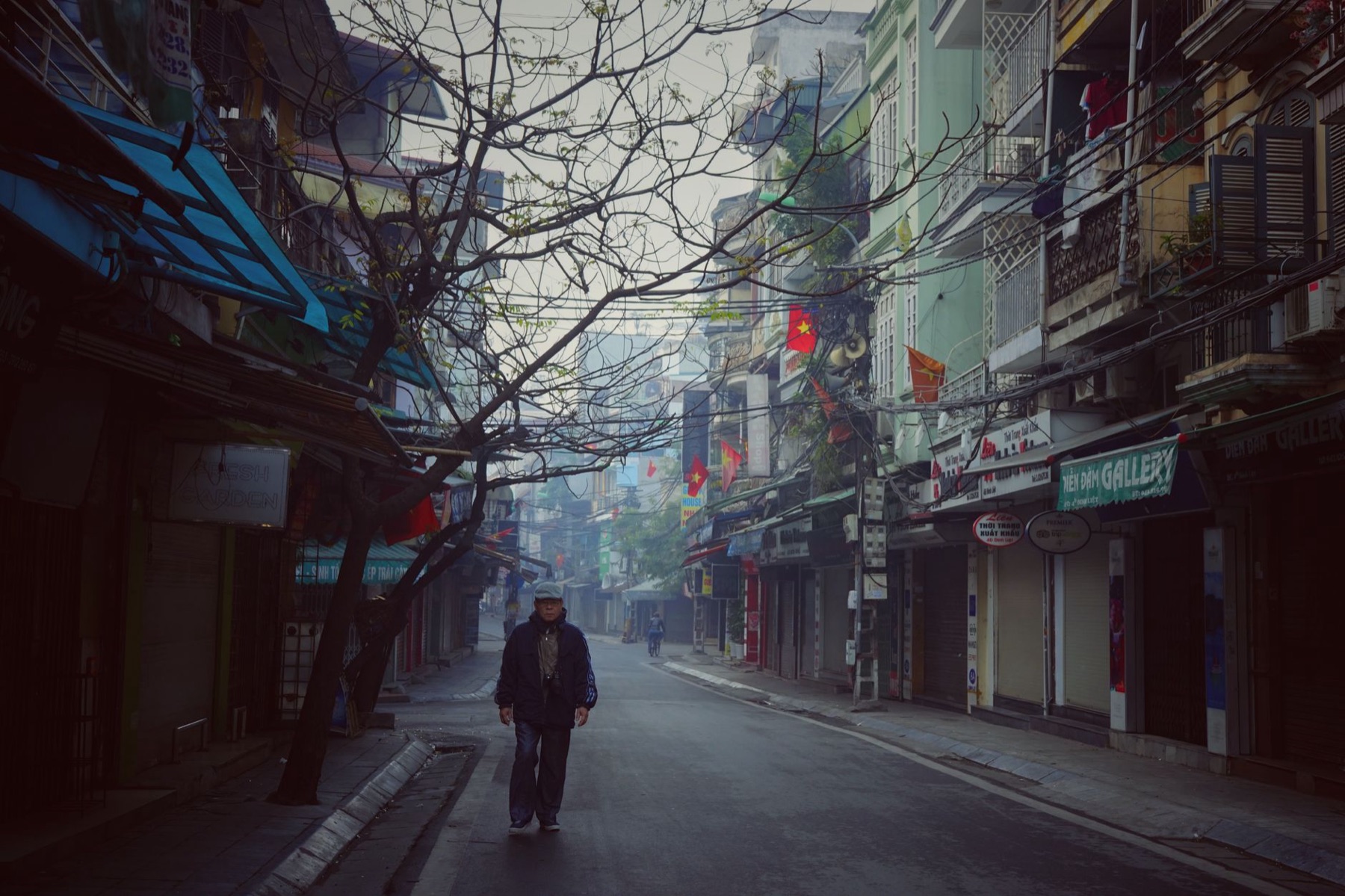
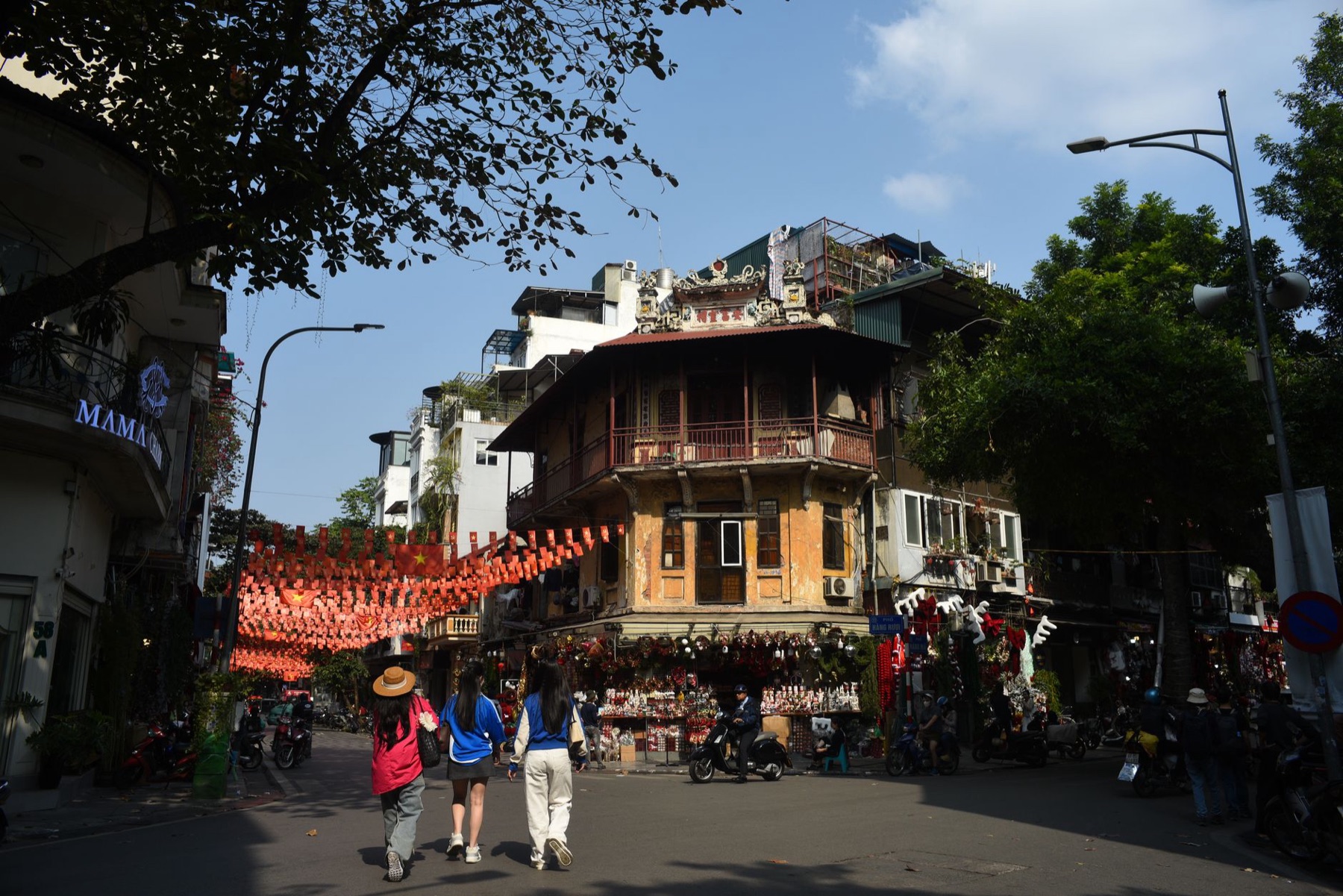
The Old Quarter is not a single neighborhood—it's a warren of micro-districts, each historically specialized. Silk Street (Hang Gai), Silver Street (Hang Bac), and Shoe Street (Hang Dieu) still trade in their original goods, though tourism has diluted authenticity. Real finds happen in side alleys: hole-in-the-wall pho joints on Ngo Gai, underground beer dens in Hang Manh, and lacquer workshops tucked above street level. For breathable neighborhoods with actual residents (not tour guides), head to Tay Ho (West Lake), where families rent villas, kayak at dawn, and eat at family-run noodle shops without English menus. Ba Dinh District, home to Ho Chi Minh's Mausoleum and the Temple of Literature, feels monumental and calm—fewer crowds, older architecture, better for photography and reflection.
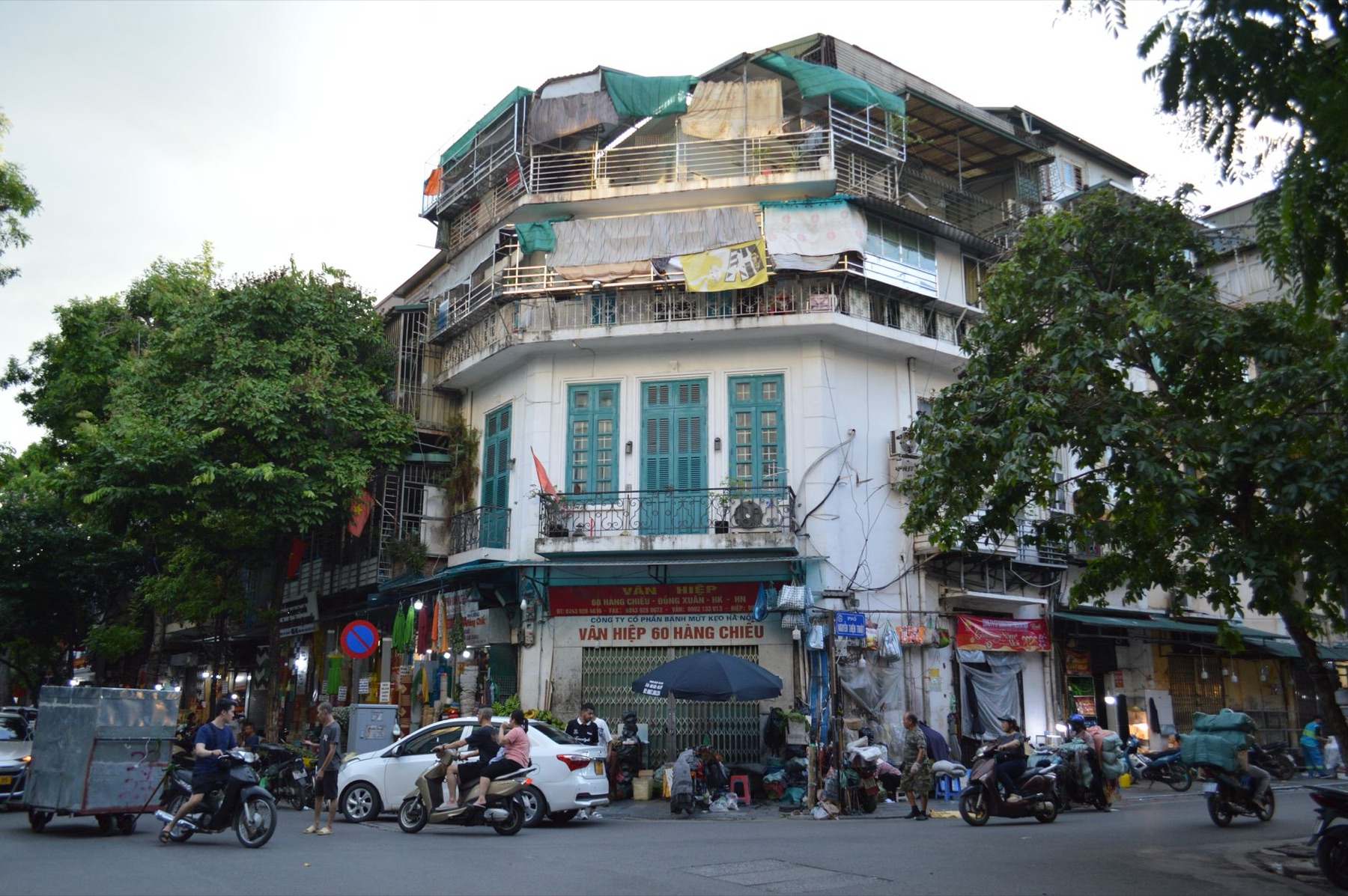
What you'll notice: motorcycles everywhere (60 million in Hanoi), sidewalks as market stalls, and a 24-hour energy that exhausts newcomers. Pace yourself; three full days is the minimum.
Which Temples & Landmarks Justify a Trip?
The Temple of Literature (Van Mieu) was Vietnam's first university (1070 AD) and remains its most intact feudal site. Courtyard gardens, stone tortoise stelae, and quiet scholars' halls beat the Mausoleum's guard-heavy formality. Entry is around 30,000–35,000 VND (USD $1.20–$1.40); arrive by 07:30 to avoid tour groups. The One Pillar Pagoda is famous but tiny—five minutes if the queues cooperate. Hoan Kiem Lake is free and better for morning tai chi and street-food breakfast than a dedicated visit. Thang Long Water Puppet Theatre is worth a single show (around 100,000–150,000 VND / $4–$6 for standard seats) to understand a vanishing art form, but don't expect Broadway production value; it's raw and hypnotic. Quan Thanh Temple (11th century, Ba Dinh) is atmospheric and rarely crowded—locals leave offerings; tourists barely know it exists.
Our honest take: Skip the Mausoleum unless you have cultural-pilgrimage reasons (long queue, restricted clothing rules, no photos). Use that time in neighborhood alleys instead.
What Should You Buy: Souvenirs That Actually Matter?
Hanoi's souvenir landscape splits between tourist-trap knock-offs and genuine crafts. Street stalls sell mass-printed ao dai designs, fake lacquerware, and plastic "vintage" maps—avoid these. Real buys come from specific neighborhoods and deliberate makers.
Comparison Table: Where to Buy What (By Type & Neighborhood)
| Item Type | Best Neighborhood | What to Check | Rough Price Range | Why It Works |
|---|---|---|---|---|
| Hand-lacquered home goods | Hang Gai / Old Quarter craft shops | Thickness, feel for wood beneath; hand-painted not printed | 300,000–2,000,000 VND ($12–$80) | 2–4 week lead time; ships flat |
| Silk scarves / áo dài fabric | Thai Silk or independent weavers, Tay Ho | Weight, natural dye vs. chemical; ask production method | 100,000–800,000 VND ($4–$32) | Won't fade; premium hand-woven pricier |
| Ceramics & pottery | Bat Trang (kiln village, 13 km south) | Glaze consistency, kiln-mark authenticity | 50,000–500,000 VND ($2–$20) | Heavy; needs careful packing for air travel |
| Coffee (specialty roast) | Dinh Tien Hoang St., Old Quarter cafés | Roast date, origin (Dak Lak vs. Arabica blends) | 150,000–350,000 VND per kg ($6–$14) | Volatile oils degrade; buy 1–2 weeks before departure |
| Photographs / art prints | Independent galleries, Hoang Bich St. | Provenance, artist name; avoid mass-printed "vintage Hanoi" | 200,000–1,500,000 VND ($8–$60) | Check frame durability for transit |
| Hand-embroidered textiles | Hang Gai or craft fair stalls | Knot tightness, thread count; ask if hand-done or machine-assisted | 250,000–1,500,000 VND ($10–$60) | Shipping fragile; request tissue wrapping |
Real workflow: Visit during the day (08:00–17:00 typical shop hours), ask the maker's name or village (if applicable), request a business card for customs documentation if item exceeds 50,000 VND value, and ask about international packing before buying bulky goods.
📸 Book an ao dai photoshoot in Hanoi or Saigon (Cáo Studio)
How to Avoid Hanoi Tourist Scams & Overpaying
Hanoi's scam repertoire is predictable once you know the patterns. Cyclo drivers quoting 500,000 VND for a 10-minute ride will negotiate to 150,000 VND if you ask before boarding—or use Grab (the regional Uber) and lock in the price. Street-food stalls frequented by tourists (near Hoan Kiem) charge 2–3× what locals pay one block away; sit down and eat where you see Vietnamese families, not selfie-stick crowds. Gems (especially rubies and sapphires) are pitched hard in the Old Quarter; unless you're a trained buyer, assume it's synthetic or low-grade. Restaurant menus in English near major sites are inflated; look for menus without foreign languages or ask locals.
What actually works: Download Google Maps offline, use Grab instead of street hailing, eat pho for breakfast (30,000–50,000 VND / $1.20–$2), and carry small bills to avoid "no change" excuses. Speak to your hotel concierge before buying anything over 500,000 VND; they often know fair prices and maker reputations.
Most effective: Join a neighborhood walking tour led by a resident (not a tour-company guide). You'll meet actual shop owners and eat where your guide's family eats. Cost is around 300,000–600,000 VND ($12–$24) for a 3-hour morning or evening walk.
Which Neighborhoods Deserve a Full Day?
Tay Ho (West Lake): Rent a bike (around 50,000–100,000 VND / $2–$4 per day) and circle the lake. Stop for ca phe sua da (iced egg coffee, 30,000–50,000 VND) at a lakeside stall. The neighborhood is 70% villas and quiet alleys—almost a village 15 minutes from downtown chaos. Lunch at a family pho shop on Yen Phu St. (around 40,000–60,000 VND / $1.60–$2.40 per bowl). Sunset drinks on any rooftop bar overlooking the water cost 80,000–150,000 VND ($3.20–$6) for a beer or coffee.
Ba Dinh District: Start at Temple of Literature (07:30 opening), walk to Ho Chi Minh's Mausoleum if interested (08:00–11:00 only, strict dress code), then explore Quan Thanh Temple and the French-colonial villas on streets like Tran Hung Dao. Lunch at a pho or bun cha shop on Nguyen Thai Hoc St. (40,000–70,000 VND / $1.60–$2.80). Afternoon: visit a hidden cafe tucked in an old French building. This district feels like a different city.
Dong Da: Less touristy, more residential. Browse book stalls on Tran Xuan Soan St., eat at a family-run com tam (broken-rice) shop, and walk the chaotic charm of Thai Ha Market without tour groups. No landmarks, but authentic Hanoi rhythm. Budget 6–8 hours; bring a translation app.
What to Check Before You Buy (Souvenir Shipping & Durability)
Before committing to a bulky purchase, ask these questions:
- Who's packing it? Can the maker pack it for international shipping (padded box, tissue wrapping), or will you DIY it?
- Is it authentic or mass-produced? "Handmade" is used loosely; ask if it's hand-finished or hand-created from raw materials.
- Can it survive a plane? Lacquerware, ceramics, and textiles survive air travel if packed well. Avoid fragile wooden items unless they're thin (gifts like engraved boxes or art prints).
- Does it need a customs receipt? Expensive items (over ~1 million VND) may require a shop receipt stating artist/maker name. Keep it.
- Will it fade or age badly? Natural dyes on silk age beautifully; synthetic finishes on cheap lacquerware peel within months.
Pro tip: Buy small (scarves, coffee, prints) unless you're shipping a larger item via your hotel's postal service. Domestic shipping from Hanoi to the airport is slower than you'd expect (48–72 hours is standard).
---
🎟️ Compare tours & tickets for this place
Hanoi repays curiosity. Stick to Old Quarter for 1.5 days, then branch into Tay Ho and Ba Dinh. Skip famous-only landmarks and spend time in alleys where you see no other tourists. Eat where you see queues of motorcycles at lunch. Buy one or two meaningful items (a piece of silk, a ceramic bowl from Bat Trang, a city photograph) instead of collecting trinkets. Plan onward travel to Ninh Binh or Ha Long Bay from here—most tours depart from Hanoi.
🗺️ Plan your route: Vietnam itinerary
For a deeper Hanoi guide, read our neighborhood-by-neighborhood breakdown. And if you want to mark your Hanoi visit with a professional photograph, book an ao dai photoshoot with Cáo Studio to capture the city's aesthetic—makeup, styling, and editing included.
Don't forget: get a Vietnam e-visa before arrival and grab an eSIM for reliable internet throughout your trip. For a broader Vietnam plan, check our itinerary planner.
---
FAQ
Is three days in Hanoi enough?
Yes, if you're selective. Dedicate day one to the Old Quarter (temples, street food, shopping), day two to Ba Dinh and Tay Ho neighborhoods, and day three to either a day trip (Bat Trang pottery village, Perfume Pagoda) or deeper exploration of one neighborhood. Rushing through landmarks wastes time; slow movement reveals the real city.
What's the best time to visit Hanoi?
October through April (autumn/cool season), when temperatures sit 15–25°C. Summer (May–September) is hot, humid, and monsoon-prone; pollution can spike. Late September or early November offers the clearest skies and most comfortable walking.
How do I get from Hanoi to other places (Ha Long, Sapa, Ninh Binh)?
Most tours depart from Hanoi hotels; book through your accommodation or a reputable tour operator. Ha Long Bay is a 3.5–4 hour drive (typical 2–3 day tours). Sapa requires a 5–6 hour bus ride or overnight train; book well in advance. Ninh Binh is 2 hours south; day tours are common or rent a motorbike (experienced riders only) and go solo. Check Vietnam itinerary for route planning.
What should I absolutely not buy in Hanoi?
Avoid mass-produced "vintage" maps, synthetic gemstones sold as natural, dried snake wine, and anything described as "ancient" without documentation. Tourist-trap shops near Hoan Kiem Lake mark up standard goods 300–500%. Buy from named makers (ask for a business card) or established craft villages like Bat Trang.
Is tap water safe to drink in Hanoi?
No. Stick to bottled or boiled water. Most cafés and restaurants serve bottled water (around 10,000–20,000 VND / $0.40–$0.80 per bottle). Hotels provide filtered water in rooms; ask housekeeping for refills. Street stalls selling ice are generally safe but carry risk if you have a sensitive stomach—ask for ice made from filtered water if concerned.
Can I haggle in Hanoi markets and shops?
Yes, in street markets and independent shops (not fixed-price boutiques). Haggling is expected for art, antiques, textiles, and souvenirs—opening ask is typically 30–50% above their floor price. Stay friendly and never offend the seller; it's theater, not conflict. Fixed-price shops (chains, some galleries) won't budge; check if a price tag exists before attempting negotiation.
FAQ
Is three days in Hanoi enough?
Yes, if you're selective. Dedicate day one to the Old Quarter (temples, street food, shopping), day two to Ba Dinh and Tay Ho neighborhoods, and day three to either a day trip (Bat Trang pottery village, Perfume Pagoda) or deeper exploration of one neighborhood. Rushing through landmarks wastes time; slow movement reveals the real city.
What's the best time to visit Hanoi?
October through April (autumn/cool season), when temperatures sit 15–25°C. Summer (May–September) is hot, humid, and monsoon-prone; pollution can spike. Late September or early November offers the clearest skies and most comfortable walking.
How do I get from Hanoi to other places (Ha Long, Sapa, Ninh Binh)?
Most tours depart from Hanoi hotels; book through your accommodation or a reputable tour operator. Ha Long Bay is a 3.5–4 hour drive (typical 2–3 day tours). Sapa requires a 5–6 hour bus ride or overnight train; book well in advance. Ninh Binh is 2 hours south; day tours are common or rent a motorbike (experienced riders only) and go solo. Check [Vietnam itinerary](/vietnam/itinerary) for route planning.
What should I absolutely not buy in Hanoi?
Avoid mass-produced "vintage" maps, synthetic gemstones sold as natural, dried snake wine, and anything described as "ancient" without documentation. Tourist-trap shops near Hoan Kiem Lake mark up standard goods 300–500%. Buy from named makers (ask for a business card) or established craft villages like Bat Trang.
Is tap water safe to drink in Hanoi?
No. Stick to bottled or boiled water. Most cafés and restaurants serve bottled water (around 10,000–20,000 VND / $0.40–$0.80 per bottle). Hotels provide filtered water in rooms; ask housekeeping for refills. Street stalls selling ice are generally safe but carry risk if you have a sensitive stomach—ask for ice made from filtered water if concerned.
Can I haggle in Hanoi markets and shops?
Yes, in street markets and independent shops (not fixed-price boutiques). Haggling is expected for art, antiques, textiles, and souvenirs—opening ask is typically 30–50% above their floor price. Stay friendly and never offend the seller; it's theater, not conflict. Fixed-price shops (chains, some galleries) won't budge; check if a price tag exists before attempting negotiation.